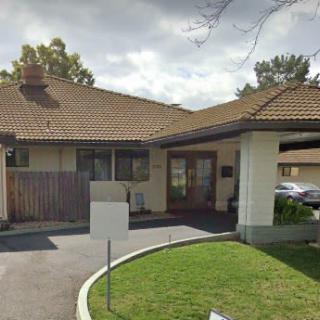
Assisted Living Of Napa Valley-Downtown

Information last verified:

2025 Clay Street, Napa, CA 94559

For more information about senior living options: (844) 490-3973

5 from 12 reviews
5 stars
12
4 stars
0
3 stars
0
2 stars
0
1 stars
0

Seniors.FYI Elite Community Awards

Top 5% Senior Living Community in 2024

Add this award to your website

Overall Review of Assisted Living Of Napa Valley-Downtown

Pros

  • pro Napa Valley Senior Living provides loving, individualized care in a warm, home-like environment.
  • pro The caregivers show genuine love and dedication, ensuring residents are comfortable and well cared for.
  • pro Krystal Smith is knowledgeable, approachable, and a pleasure to work with.
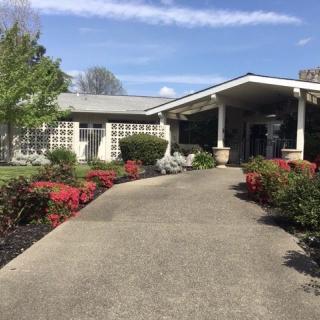
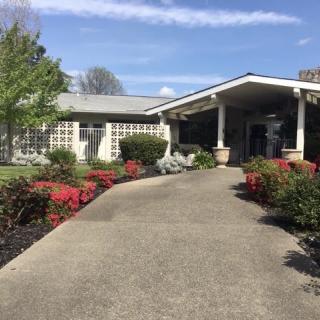
  • pro The Hamilton House and Sherman House offer welcoming spaces, beautiful gardens, and regular music and social activities.
  • pro Families feel at ease knowing their loved ones receive professional, compassionate care and are kept informed.
  • pro The staff treat residents with dignity and respect, even during challenging times and COVID restrictions.
  • pro The environment fosters a sense of family and community, where visitors are welcome and residents thrive.

Review

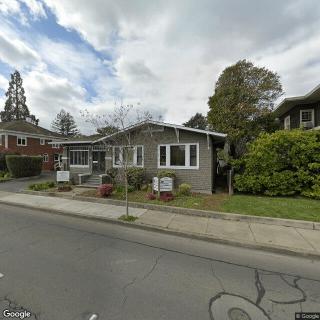
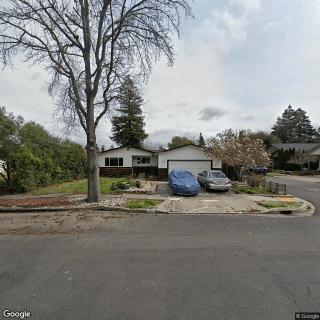
Assisted Living Of Napa Valley-Downtown is best suited for families seeking a warm, home-like caregiving environment where seniors receive hands-on, individualized assistance. The community operates as two intimate houses, Hamilton House and Sherman House, each designed to accommodate up to six residents, creating an Ohana-style atmosphere rather than a clinical setting. The owner, Krystal Smith, is a registered nurse whose clinical background informs thoughtful care plans and rapid responsiveness. This setup is ideal for residents who thrive in routine, familiar surroundings and for families who want direct, ongoing communication about daily life and health.

For those with higher-acuity needs, alternatives may be wiser. A larger campus with on-site physicians, comprehensive rehab services, or formal memory-care wings often offers more extensive medical resources and structured programming. Families seeking a broad array of activities, predictable schedules, and robust clinical oversight might find a bigger operator more suitable. In short, the intimate model shines where personalized attention and family involvement trump expansive medical infrastructure.

Among the strongest advantages are personal attention and emotional warmth. Caregivers deliver steady, loving care, and residents form meaningful bonds in a setting that feels like family. The two homes provide not only tailored care but also social engagement, regular music, sunroom moments, a garden, and a gazebo, that support mood and quality of life. A notably favorable staff-to-resident ratio enables quicker assistance with daily tasks and closer supervision. Families consistently report the freedom to visit anytime and to participate in daily routines and menu planning, which strengthens confidence in care.

Communication stands out as a practical pillar. Families are kept informed, and caregivers maintain a steady cadence of updates, which reduces uncertainty when loved ones are aging or navigating memory challenges. The owner’s hands-on leadership helps sustain safety, dignity, and respect across all levels of need. The environment is adaptable to dementia-related needs, with flexible meal times and activities that honor individual histories and preferences. The overall ambiance, congenial residents, shared activities, and accessible outdoor spaces, supports engagement and a sense of belonging.

On the con side, the small-scale model may limit access to certain resources available in larger communities, such as rapid specialist availability or expansive medical equipment. Yet these potential drawbacks are largely offset by the attentive care team and strong leadership. The RN-owner combines clinical insight with day-to-day supervision, creating continuity that reduces the risk of neglect or miscommunication. For families, this means fewer moving parts, clearer updates, and a care plan that evolves with the resident’s needs rather than a rigid program.

Ultimately, the community is a strong fit for seniors who want a deeply personalized, home-like living experience and for families who value close involvement. It suits those who need assistance with daily activities but who do not require intensive hospital-level care or broad clinical programs. If high-level medical oversight, large-scale memory-care programming, or a fixed, campus-style schedule are priorities, alternatives should be explored. Prospective movers should tour the Hamilton and Sherman houses, meet Krystal and the caregiving team, and assess how routines, meals, and activities would align with the loved one’s preferences. In Napa Valley, Assisted Living Of Napa Valley-Downtown stands out for compassion, proximity, and truly individualized supervision.

Features

Housing

  • 6 resident community capacity 6 resident community capacity

Types of Care

  • Assisted Living Assisted LivingAssisted living facilities provide crucial support and care for seniors who may need help with daily tasks such as medication management, bathing, and meal preparation. These communities offer a safe and comfortable environment where seniors can maintain their independence while receiving the assistance they need to thrive in their golden years.
  • Board and Care Home Board and Care HomeBoard and care homes provide a smaller, more intimate setting for seniors who require assistance with daily tasks but do not need the level of care offered by a nursing home. They offer personalized care, meals, and social activities in a homelike environment, ensuring that seniors receive individualized attention and support in their golden years.
  • Respite Care Respite CareRespite care provides temporary relief for caregivers, allowing them to recharge and attend to their own needs. It also gives seniors the opportunity to socialize, receive professional care, and experience a change of scenery, promoting overall well-being and reducing feelings of isolation.

Amenities

  • Cable or satellite TV Cable or satellite TVCable or satellite TV is important for seniors because it provides entertainment, news, and companionship, helping to combat loneliness and boredom. It also offers a wide range of programming options tailored to different interests and preferences.
  • Dining room Dining roomDining rooms are important for seniors as they provide a space for socialization, connection, and nutritious meals. They offer opportunities for residents to bond over shared meals, foster a sense of community, and promote healthy eating habits. Dining rooms also ensure that seniors have access to well-balanced meals tailored to their dietary needs and preferences.
  • Fully furnished Fully furnishedFully furnished senior living communities are important for seniors because they provide convenience, comfort, and a hassle-free moving experience. Seniors can easily settle into their new living space without the stress of having to buy and move furniture. This allows them to focus on enjoying their new home and community.
  • Garden GardenGardens are important for seniors as they provide a peaceful and therapeutic environment for relaxation, physical activity, and socialization. Being in nature has been shown to reduce stress, improve mood, and promote overall well-being. Gardens also offer opportunities for seniors to engage in gardening activities, which can improve mobility, flexibility, and cognitive function. Additionally, gardens create a sense of community and connection with others who share a passion for plants and outdoor spaces.
  • Housekeeping services Housekeeping servicesHousekeeping services are important for seniors because they help maintain a clean and safe living environment, promote independence, and reduce the risk of accidents or illnesses. Additionally, having assistance with household chores can alleviate physical strain and allow seniors to focus on other aspects of their well-being.
  • Move-in coordination Move-in coordinationMove-in coordination is important for seniors because it helps ease the transition into their new living environment. It ensures that all logistics, such as packing, organizing movers, and setting up utilities are taken care of, allowing seniors to focus on settling in and adjusting to their new home. Having a smooth move-in process can alleviate stress and anxiety, making the transition smoother and more enjoyable for seniors.
  • Outdoor space Outdoor spaceOutdoor spaces are important for seniors as they provide opportunities for physical activity, social interaction, exposure to natural light and fresh air, and a sense of connection to nature. Having access to outdoor spaces can improve overall well-being and quality of life for older adults living in senior communities.
  • Telephone TelephoneTelephones are important for seniors as they provide a lifeline for communication with loved ones, emergency services, and healthcare providers. They offer a sense of security and independence, enabling seniors to stay connected and access assistance when needed.
  • Wi-Fi/high-speed internet available Wi-Fi/high-speed internet availableWi-Fi/high-speed internet is important for seniors to stay connected with loved ones, access online resources, and participate in virtual activities to combat feelings of loneliness and isolation. It also allows them to easily manage healthcare needs, access entertainment, and engage in lifelong learning opportunities.

Care Services

  • 24-hour supervision 24-hour supervision24-hour supervision is important for seniors to ensure their safety, well-being, and access to immediate assistance in case of emergencies or health issues. This constant support provides peace of mind for both seniors and their loved ones, allowing them to age in place with dignity and security.
  • Activities of daily living assistance Activities of daily living assistanceActivities of daily living assistance are important for seniors because they provide essential support with tasks such as eating, bathing, dressing, and mobility. This assistance helps seniors maintain their independence, dignity, and overall quality of life as they age.
  • Assistance with bathing Assistance with bathingAssistance with bathing is crucial for seniors as it helps maintain personal hygiene, prevents infections, and ensures their overall well-being and comfort. It also provides a sense of dignity and independence for seniors who may struggle with this task on their own.
  • Assistance with dressing Assistance with dressingAssistance with dressing is important for seniors because it helps maintain their independence, promotes personal hygiene, prevents accidents and injuries, and improves overall quality of life. This service ensures that seniors can continue to dress comfortably and confidently, despite any physical limitations they may have.
  • Assistance with transfers Assistance with transfersAssistance with transfers is crucial for seniors as it helps prevent falls and injuries, maintains their independence, and ensures they can safely navigate their living environment. It also provides peace of mind for both seniors and their loved ones.
  • Coordination with health care providers Coordination with health care providersCoordination with health care providers is crucial for seniors to ensure proper medical care, medication management, and overall well-being. This collaboration helps prevent overlapping treatments, track progress more effectively, and provide comprehensive support tailored to individual needs.
  • Diabetes diet Diabetes dietA diabetes diet is crucial for seniors as it helps manage blood sugar levels, reduce risks of complications, and improve overall health and well-being. By following a balanced and nutritious diet tailored to their specific needs, seniors can better control their diabetes and enhance their quality of life.
  • Meal preparation and service Meal preparation and serviceMeal preparation and service are crucial for seniors as they may have limited mobility or energy to cook nutritious meals. Having access to healthy and convenient food options can ensure they are getting the proper nutrition needed to maintain their overall health and well-being.
  • Medication management Medication managementMedication management is crucial for seniors to ensure they are taking the right medications at the correct dosages and times. This helps prevent adverse drug interactions, reduces the risk of medication errors, and promotes overall health and well-being. Proactive management also allows for adjustments as needed based on changing health conditions or new prescriptions.
  • Special dietary restrictions Special dietary restrictionsSpecial dietary restrictions are important for seniors because age-related changes in metabolism and health conditions can make it difficult for their bodies to process certain foods. By following a diet tailored to their specific needs, seniors can maintain their overall health and well-being, manage chronic conditions, and reduce the risk of complications such as malnutrition or food interactions with medications.
  • Transportation arrangement (medical) Transportation arrangement (medical)Transportation arrangements for medical purposes are essential for seniors as they may have difficulty driving themselves to appointments or accessing public transportation. Having reliable and safe transportation options ensures that seniors can receive timely medical care and maintain their health and well-being.
  • Transportation to doctors appointments Transportation to doctors appointmentsTransportation to doctors' appointments is crucial for seniors as it ensures they have access to necessary medical care and support for their health needs. Without reliable transportation, seniors may struggle to attend important appointments, leading to potential delays in treatment and health complications. Providing transportation services helps seniors maintain their overall well-being and quality of life.
Dining

  • Diabetes diet Diabetes dietA diabetes diet is crucial for seniors as it helps manage blood sugar levels, reduce risks of complications, and improve overall health and well-being. By following a balanced and nutritious diet tailored to their specific needs, seniors can better control their diabetes and enhance their quality of life.
  • Special dietary restrictions Special dietary restrictionsSpecial dietary restrictions are important for seniors because age-related changes in metabolism and health conditions can make it difficult for their bodies to process certain foods. By following a diet tailored to their specific needs, seniors can maintain their overall health and well-being, manage chronic conditions, and reduce the risk of complications such as malnutrition or food interactions with medications.

Activities

  • Community-sponsored activities Community-sponsored activitiesCommunity-sponsored activities are important for seniors as they provide opportunities for social interaction, mental stimulation, and physical activity. These activities can help improve overall well-being, combat loneliness and isolation, and promote a sense of belonging and purpose among older adults.
  • Scheduled daily activities Scheduled daily activitiesScheduled daily activities are important for seniors because they provide structure, socialization, mental stimulation, and physical activity. Engaging in regular activities can improve overall well-being and quality of life for seniors living in a community setting.

Description

Assisted Living of Napa Valley-Downtown is a warm and inviting community located in the heart of Napa, CA. We provide exceptional care and support for seniors in a cozy and comfortable environment. Our dedicated staff is committed to meeting the unique needs of each resident, providing assistance with daily activities such as bathing, dressing, and transfers.

At our community, residents enjoy a variety of amenities designed to enhance their overall well-being. Our dining room offers delicious meals that accommodate special dietary restrictions, ensuring that each resident receives proper nutrition. The fully furnished living spaces are thoughtfully designed to create a home-like atmosphere.

We understand the importance of staying active and engaged, which is why we offer scheduled daily activities for residents to participate in. Whether it's joining a group outing to one of the nearby cafes or parks or enjoying social gatherings within our outdoor space, there is always something exciting happening at Assisted Living of Napa Valley-Downtown.

Our community also provides essential services such as housekeeping, medication management, and coordination with healthcare providers. We prioritize the safety and comfort of our residents by offering transportation arrangements for medical appointments and doctors' visits.

Surrounded by the beauty of Napa Valley, our community boasts convenient access to various amenities in the area. With two cafes, five parks, eight pharmacies, 26 physicians, 22 restaurants, and places of worship just a stone's throw away from our location, residents have plenty of opportunities for socialization and exploration.

Assisted Living of Napa Valley-Downtown is also conveniently located near four hospitals, ensuring that immediate medical attention is easily accessible when needed.

We pride ourselves on creating an inclusive community where each resident feels valued and cared for. Come experience the warmth and compassion at Assisted Living of Napa Valley-Downtown.

Nearby Places of Interest

Parks

  • Fuller Park (0.3 miles)
  • Esther Deaver Park (1.3 miles)
  • Shurtleff Park (2.1 miles)
  • Alston Dog Park (2.6 miles)
  • Monticello Park (2.7 miles)
  • Pinelli Park (8.4 miles)
  • Yountville Park (8.4 miles)

Physicians

  • Jennifer Hately,Ash, MA, MFT (0.4 miles)
  • Napa Valley Pediatrics (0.6 miles)
  • Walter Tom, MD (0.8 miles)
  • Dr Dermody (1.5 miles)
  • Huffman Clinic At Napa Valley Orthopaedics Napa (1.6 miles)
  • Kaiser Permanente Medical Center (1.6 miles)
  • Associated Kidney Specialists (1.6 miles)

Restaurants

  • Grace's Table (0.4 miles)
  • Cole's Chop House (0.5 miles)
  • Downtown Joe's Brewery and Restaurant (0.6 miles)
  • Zuzu (0.6 miles)
  • Morimoto Napa (0.7 miles)
  • Celadon (0.7 miles)
  • Angele Restaurant & Bar (0.7 miles)

Places of Worship

  • Napa Community Seventh-day Adventist Church (0.6 miles)

Pharmacies

  • Ultimately Pharmacy Online (0.6 miles)
  • Good Neighbor Pharmacy (0.7 miles)
  • CVS Pharmacy (1.2 miles)
  • Rite Aid (1.2 miles)
  • Walgreens (1.7 miles)
  • CVS Pharmacy (1.8 miles)
  • Owens Healthcare (1.8 miles)

Cafes

  • Dutch Bros Coffee (1.1 miles)
  • Starbucks (1.8 miles)
  • Bouchon Bakery Yo (8 miles)
  • Basque Boulangerie Café (8.7 miles)
  • Taub Family Outpos (8.9 miles)

Hospitals

  • Varro, Cynthia R. DDS (1.6 miles)
  • Queen of the Valley Medical Center (1.8 miles)
  • Queen Of The Valley Center For Maternal & Infant Care (1.9 miles)
  • Outpatient Surgery & Procedure Center (1.9 miles)
  • Holderman Hospital-Lab (7.7 miles)

Transportation

  • Napa Jet Center (5.7 miles)

Frequently Asked Questions

Where is Assisted Living Of Napa Valley-Downtown?

Nearby Communities

  • Hired Hands Homecare

    Hired Hands Homecare

    Napa, CA

    5 from 5 reviews
     

    pro Exceptional caregiver with evident expertise and highly satisfactory care.

  • Home Helpers of Napa,  California

    Home Helpers of Napa, California

    Napa, CA


    pro Abundant nearby amenities and healthcare options.

  • Home Care Assistance Napa

    Home Care Assistance Napa

    Napa, CA

    4.6 from 23 reviews
     

    pro Personalized care with diverse dining options (gluten-free, vegan, organic)

  • The Berkshire

    The Berkshire

    Napa, CA

    4.8 from 12 reviews
     

    pro Strong dementia-focused care in a welcoming, well-maintained environment.

  • Berkshire Assisted Living and Memory Care

    Berkshire Assisted Living and Memory Care

    Napa, CA

    4.4 from 16 reviews
    $4,000 / month

    pro Friendly, attentive staff in a well-maintained, peaceful environment.

  • Pueblo House

    Pueblo House

    Napa, CA

    3.5 from 10 reviews
    $2,800 to $3,800 / month

    pro Caring staff and recent renovations; reasonably priced private room.

  • Napa Valley Care Center

    Napa Valley Care Center

    Napa, CA

    3.4 from 76 reviews
     

    pro Extensive amenities and care services.

  • Aegis Living Napa

    Aegis Living Napa

    Napa, CA

    4.3 from 16 reviews
     

    pro Friendly staff, modern facilities, and active programs.

  • Nazareth Classic Care of Napa

    Nazareth Classic Care of Napa

    Napa, CA

    4.1 from 26 reviews
    $3,950 to $4,950 / month

    pro Caring staff in a smaller, clean community with good meals.

Related Resources

  • va benefits for assisted livingAssisted Living Support for Veterans: A Complete and Detailed Overview

    The guide highlights the importance of assisted living facilities for aging veterans needing daily support, discusses unique challenges they face, and outlines available financial assistance from the VA, including the Aid and Attendance program. It emphasizes understanding eligibility criteria and navigating the VA system to access necessary benefits effectively.

  • assisted living vs skilled nursingExploring the Contrasts Between Assisted Living and Skilled Nursing

    The article compares assisted living and skilled nursing facilities, detailing their differing levels of assistance, medical support, cost structures, and day-to-day experiences. It emphasizes that assisted living is for those needing help with daily activities while maintaining independence, whereas skilled nursing facilities provide intensive medical care with 24-hour staff supervision.

  • when to move from assisted living to nursing home8 Key Indicators That Suggest It May Be Time to Transition from Assisted Living to Skilled Nursing Care

    The transition from assisted living to skilled nursing care is often prompted by complex medical needs that assisted living cannot meet, with key indicators including frequent health declines, increased falls, severe memory issues, and caregiver burnout. Families should recognize these signs early to discuss options with healthcare providers and prepare for the emotional and logistical aspects of moving to a facility that offers comprehensive medical support.