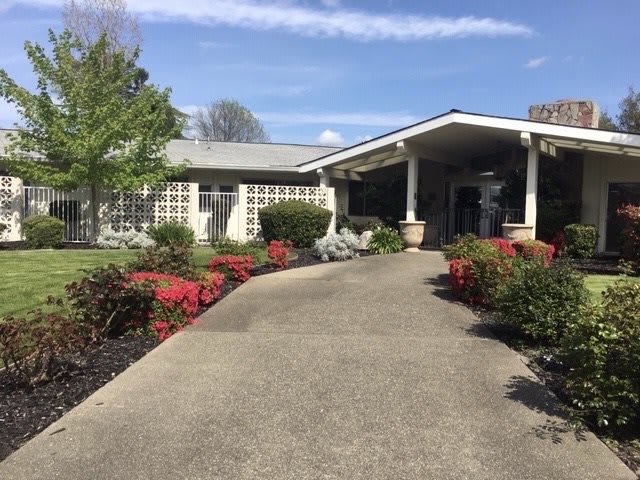


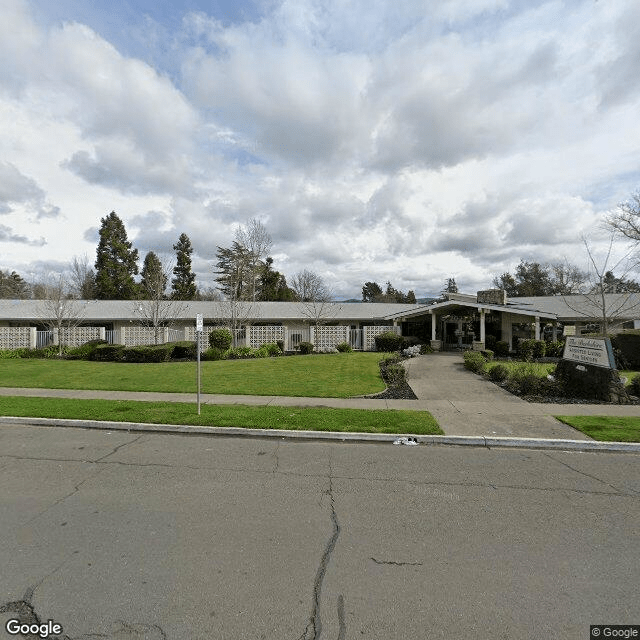
2300 Brown St, Napa, CA 94558
To contact a resident: (707) 252-9037
For more information about senior living options: (866) 208-4318
Berkshire Assisted Living and Memory Care Costs & Pricing
Berkshire Assisted Living and Memory Care offers a competitive pricing structure for its one-bedroom accommodations, with a monthly cost of $4,000. This rate is notably lower than the average costs in Sonoma County, which stand at approximately $4,562, as well as the overall California state average of about $4,340. Such pricing underscores Berkshire's commitment to providing accessible care while maintaining high-quality services that cater to the needs of residents. By positioning itself below these regional benchmarks, Berkshire not only enhances its appeal to prospective clients but also reinforces its dedication to affordability and quality in assisted living and memory care.
| Floor plans | Berkshire Assisted Living and Memory Care | Sonoma County | California |
|---|---|---|---|
| 1 Bedroom | $4,000 | $4,562 | $4,340 |
Memory care communities with a similar price nearby
-
from -$500 / mo
Ana's Care Home
$3,500 / month22.1 miles away -
from +$500 / mo
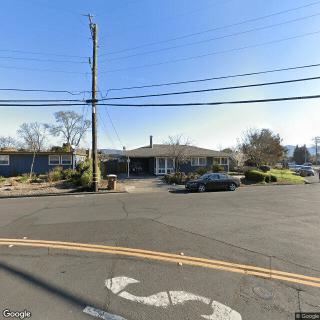
Assisted Living Napa Valley II
$4,500 / month1.4 miles away -
About the same
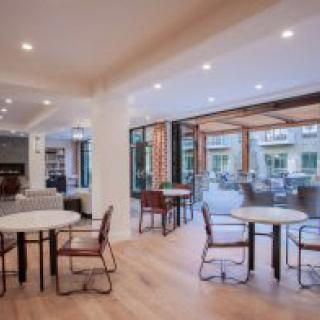
The Watermark at Napa Valley
$3,995 to $6,795 / month2.1 miles away -
from -$350 / mo
Good Neighbor Care Vacaville
$3,650 to $4,150 / month18.8 miles away -
from -$300 / mo
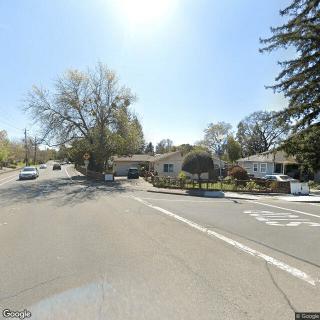
Silva Board And Care
$3,700 to $5,367 / month24.6 miles away
Overall Review of Berkshire Assisted Living and Memory Care
Pros
 Krystal is a godsend to all the residents.
- The staff are friendly, knowledgeable, and vigilant about security.
- The facility is clean and well kept.
- The Berkshire takes excellent care of residents and shows genuine concern for their well-being.
- The administrator and staff are respectful, attentive, and loving toward residents.
- The memory care activities are engaging and have made residents’ stays pleasant.
- The Berkshire is highly recommended for assisted living and memory care.
- The environment is peaceful and quiet.
Cons
 Aricelli has no bedside manners and is not friendly.
 - Aricelli is described as the "angel of death."
- The residents don't need to see that kind of attitude.
- The facility is understaffed, and residents may have to wait 15–20 minutes for assistance, especially at night.
- The food is described as the worst type of cafeteria junk; a dietician and proper cook are needed.
- The administrator Lia was rude and unprofessional on the phone.
Review
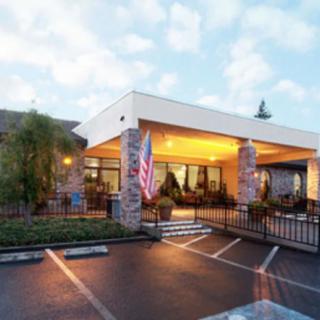
Berkshire Assisted Living and Memory Care in Napa is best suited for families seeking a warm, person-centered environment for a loved one with memory impairment, where dignity and daily routine matter and safety is a clear priority. The community earns solid marks for memory-care capability, cleanliness, and a culture that treats residents with respect. It is particularly well-suited for households that want strong family involvement, a home-like atmosphere, and an administrator-driven framework that prioritizes individualized care planning and steady, reassuring caregiving.
Those who may want to consider alternatives are the families who cannot tolerate any lag in assistance or who demand consistently quick responses around the clock. Several reviewers note that the facility can be understaffed at times, leading to 15- to 20-minute waits and a quieter, less responsive feel during night hours. Dining quality is another potential red flag for some: the cafeteria-style fare has drawn critique and a call for more culinary direction. Additionally, a few interactions with leadership have left prospective residents wary, illustrating that administrative tone and consistency can vary from one staff encounter to the next.
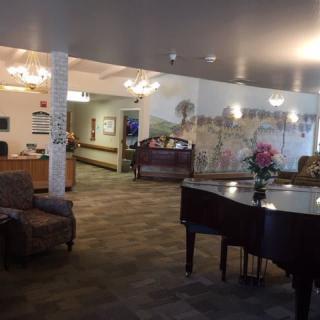
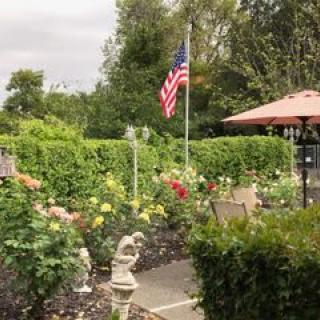
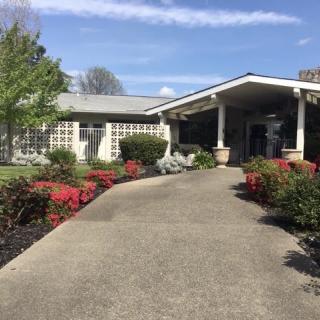
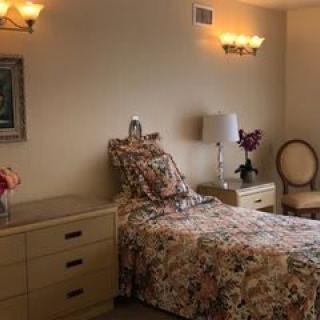
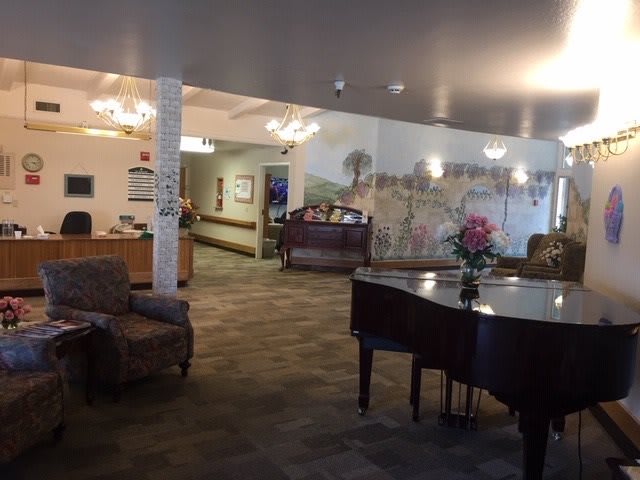
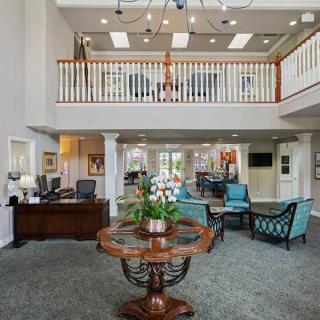
The strongest positives, compassionate, respectful staff, robust safety measures, and a genuinely well-kept environment, tend to offset these drawbacks for many families. Reviews repeatedly highlight friendly, knowledgeable caregivers who connect well with residents, a vigilant approach to who enters and leaves the building, and bright, well-lit common areas. The ability to personalize rooms and the evident atmosphere of care reinforce a sense of home. For families weighing memory-care needs, Berkshire’s programming and daily structure appear designed to engage residents meaningfully, a practical counterweight to occasional staffing gaps and the need for dietary improvement.
Where the cons land most meaningfully is in day-to-day lived experience. Waiting times, especially at night, can tug at the overall impression for families that require rapid assistance. Food quality emerges as a genuine area for improvement, suggesting that a higher-level dietary program and a dedicated cook or dietitian could raise satisfaction significantly. Administrative interactions matter; a few reviews describe rude or unhelpful experiences on the phone, reminding that leadership consistency is a variable, not an automatic given. Even so, the majority of experiences center on genuinely caring staff, safe environments, and visible efforts to accommodate needs, which helps most residents stay content and families reassured.
Memory care, in particular, features as a standout strength. Families report that trained staff navigate dementia-related challenges with patience, and that activities in the memory-care unit contribute to sustained engagement and comfort. The environment itself supports well-being: clean facilities, fresh aesthetics, and the encouragement of personal touches to rooms contribute to a sense of belonging. Positive testimonies about long-tenured care, including successful transitions from other facilities, underscore Berkshire’s capacity to provide steady, compassionate care even when complex behaviors arise. In short, the memory-care core holds up well against the more variable day-to-day staffing fluctuations.
The practical takeaway centers on alignment of expectations and proactive engagement. For families with a loved one who thrives on routine, safety, and meaningful social activities within a respectful, home-like setting, Berkshire offers a compelling blend of warmth and reliability, with clear value. Prospective residents should schedule thorough tours focusing on night-shift coverage, speak directly with leadership about care plans, and probe for specifics on meals and dietary oversight. If the goal is near-continuous, responsive hands-on care and gourmet dining, alternatives may be worth evaluating. For many, Berkshire represents a pragmatic balance: strong core care, notable memory-care strengths, and a community that genuinely feels like a supportive extended family, despite a few operational rough edges that are reasonable to address with clear expectations and proactive management.
 Assisted Living
 Memory Care
 Cats allowed
 Dogs allowed
 Activities on-site
 Air-conditioning
 Beautician on-site
 Devotional services off-site
 Ground floor units
 Indoor common areas
 Outdoor common areas
 Respite or short term stays offered
 Wheelchair accessible showers
 Wi-Fi/high-speed internet available
 Ambulatory care
 Diabetic care
 Incontinence care
 Medication management
 Low / no sodium
 Art classes
 Birthday parties
 Intergenerational programs
 Live dance or theater performances
 Live musical performances
 Stretching classes
 Trivia games
 Visiting chaplain or priest
 Wii bowling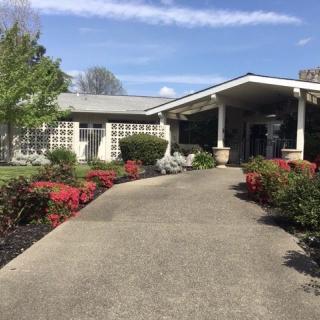


 Understanding the Distinctions: Assisted Living and Memory Care Explained
 How to Communicate with a Loved One Living with Dementia: 10 Supportive Strategies
 Comprehensive Guide to VA Nursing Homes: A Crucial Long-Term Care Resource for Veterans