
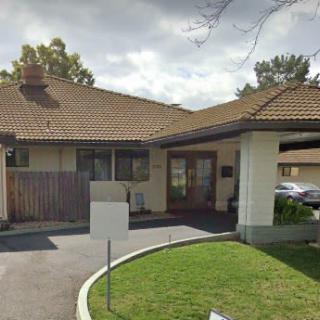
1460 Sherman Avenue, Napa, CA 94558
For more information about senior living options: (866) 208-4318
Overall Review of Assisted Living Of Napa Valley-Sherman
Pros
 Napa Valley Senior Living offers a loving environment with individualized care.
- The caregivers give residents much love and work hard to keep them comfortable.
- Krystal Smith, the owner, is a knowledgeable registered nurse and a pleasure to work with.
- The Hamilton House and Sherman House provide a home-like atmosphere where family and friends can visit anytime.
- The staff-to-resident ratio is impressive.
- Music is scheduled regularly, and residents enjoy singing and dancing.
- Residents feel safe, comfortable, and happy at Napa Valley Senior Living.
- The staff treat residents like family, delivering attentive, respectful, and compassionate care that families highly commend.
Cons
 Dementia is a horrific disease.
Review
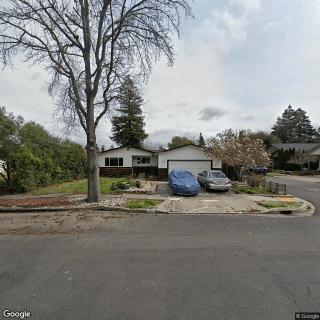
This Napa Valley assisted living option, operating as Napa Valley Senior Living, shines for families seeking an intimate, home-like environment where clinical oversight and warm daily care come together. Hamilton House and Sherman House are small, each hosting up to six residents, which creates a remarkably high caregiver-to-resident attention and a life rhythm that feels like a private home rather than a traditional facility. The staff’s genuine warmth is consistently highlighted, with residents described as cherished members of an extended family. The owner, Krystal Smith, is a registered nurse who provides credible clinical oversight on medication management, safety planning, and individualized care strategies, delivering peace of mind that the medical basics are well tended.
Prospective families should recognize that this is not a campus-style community. It excels for residents who thrive on consistent, person-centered routines and easy access to caregivers, but it may be less suited for those needing heavy, on-site skilled nursing, complex medical equipment, or formal memory-care wings. For families seeking a larger calendar of on-site classes, a broader social scene, or dedicated memory-support programs, other Napa options may be more appropriate. Availability and cost will matter, since the intimate scale means turnover and wait times can shift with even a single vacancy.
Core strengths begin with the care team-to-resident ratio and the nurse-led leadership. The small-house model enables highly customized daily schedules, meals, and activities aligned to individual health goals, rather than a one-size-fits-all plan. Families repeatedly praise the respect, dignity, and kindness shown to each loved one, with Krystal’s hands-on involvement singled out as a key differentiator. The social environment comes alive with regularly scheduled music, sunrooms, gardens, and gazebo time, all contributing to mood stability and ongoing engagement. Flexibility in visits, participation in outings, and transparent family communication reinforce a sense of safety and continuity that larger operators often struggle to match.
On the clinical side, the RN-owner model translates into reliable medication oversight, symptom monitoring, and timely care planning. Residents with dementia or cognitive decline benefit from staff who adapt routines to changing needs while maintaining familiar, comforting activities. The reviews emphasize patience and deliberate pacing, whether adjusting menus, scheduling walks, or accommodating family requests, so residents feel seen and included. The emphasis on family involvement and clear communication ensures families remain confident even when distance separates them; the ability to stay connected through familiar channels further strengthens trust in daily care.
From a decision standpoint, the best match is clear for families prioritizing peace of mind and a loving, personalized environment. For those seeking a highly responsive, nurse-led home atmosphere where staff feel like an extension of the family, this Napa option delivers on those promises with consistent effectiveness. However, if the priority is a robust on-site medical team with frequent physician visits, heavy skilled nursing, or a formal memory-care program, alternatives that specialize in those needs should be pursued. The residence’s defining strength, its intimate scale, dedicated caregivers, and family-centric culture, constitutes a compelling value proposition for many care trajectories, even if it isn’t the right fit for every situation.
Practical next steps include arranging firsthand visits to both Hamilton and Sherman Houses to observe daily routines, meet the caregiving team, and discuss individualized care plans. Inquire about current staffing levels, how care plans are updated, and what the daily activity mix looks like for different levels of cognitive and physical support. Clarify costs, contract terms, and contingencies if needs escalate or a move to more intensive care becomes necessary. For families prioritizing warmth, continuity, and clinically minded leadership, this offering stands out as a thoughtful, well-executed choice that consistently earns trust and gratitude.
 6 resident community capacity
 Assisted Living
 Cable or satellite TV
 Dining room
 Fully furnished
 Garden
 Housekeeping services
 Move-in coordination
 Outdoor space
 Telephone
 Wi-Fi/high-speed internet available
 24-hour supervision
 Activities of daily living assistance
 Assistance with bathing
 Assistance with dressing
 Assistance with transfers
 Diabetes diet
 Meal preparation and service
 Medication management
 Special dietary restrictions
 Transportation arrangement (medical)
 Transportation to doctors appointments



 Senior Transition Services: Understanding Their Role, Cost, and Importance
 Exploring the Path to Senior Living: A Comprehensive Look at Independent Living and Assisted Living
 Is Assisted Living Deductible on Your Taxes? Understanding the Complexities of Assisted Living Expenses and Deductions