Murrieta Maples Residential Care Facility for the Elderly Costs & Pricing
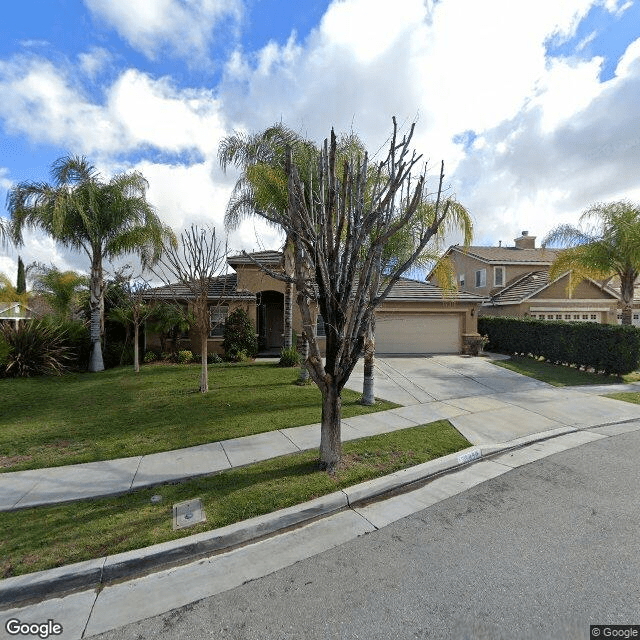
Murrieta Maples Residential Care Facility for the Elderly offers a private room at a cost of $3,800 per month. This rate is slightly higher than the average cost for similar facilities in Riverside County, which stands at $3,474, but remains competitive within the broader context of California's pricing, where the average monthly cost is approximately $3,939. The facility's pricing reflects its dedication to providing quality care tailored to seniors' needs, positioning it as a valuable option for families seeking reliable residential support in a welcoming environment.
| Floor plans | Murrieta Maples Residential Care Facility for the Elderly | Riverside County | California |
|---|
| Private | $3,800 | $3,474 | $3,939 |
Senior living communities with a similar price nearby
-
from -$300 / mo
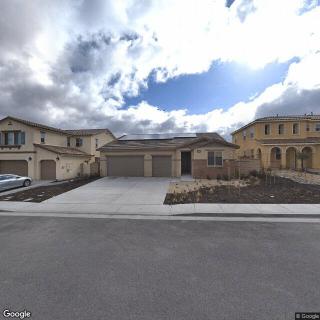
Kun Bai Care
$3,500 to $4,500 / month
6.9 miles away
-
from +$400 / mo
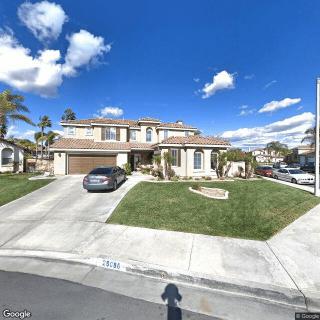
Boundless Care for the Elderly
$4,200 to $4,500 / month
5.6 miles away
-
from +$200 / mo
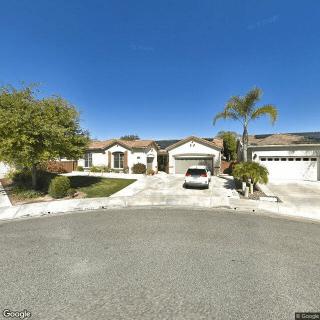
Temple Court Senior Care
$4,000 to $4,500 / month
5.8 miles away
-
from +$700 / mo

Temecula Memory Care
$4,500 to $6,000 / month
10.7 miles away
-
from -$505 / mo
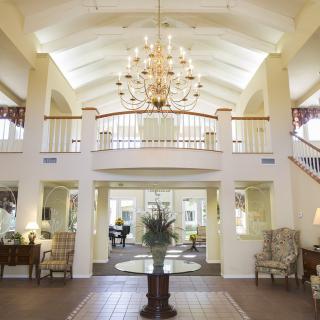
Silvergate Retirement Residence - Fallbrook
$3,295 to $7,595 / month
17.9 miles away
Overall Review of Murrieta Maples Residential Care Facility for the Elderly
common
41 reviews mention this
Staff care comes up often
Residents and families frequently describe attentive, caring staff members.
Across many reviews, families say the caregivers and med-nurses communicate well and show patience with residents. Multiple reviewers also mention specific people who greet residents warmly, follow up when families have questions, and help make transitions feel smoother. A few reviews are sharply negative about compassion and professionalism, but even those describe direct interactions with staff and management.
common
13 reviews mention this
Cleanliness is a key divider
Cleanliness is praised by many families and criticized just as directly in a few reviews.
Several reviewers highlight a clean, well-kept building and say rooms and the facility smell clean or feel peaceful. Others describe a facility that felt dirty, with strong odors mentioned in negative reviews. A smaller number also describe cleanliness as part of their day-to-day comfort and safety when visiting.
common
10 reviews mention this
Activities keep residents engaged
Many reviews point to organized activities that help residents stay engaged.
Families frequently describe activities as a reason residents are happy and making friends, including group programming and events they can participate in. Some reviewers mention that activities are engaging or well organized, and others say they notice improvements tied to stimulation and routine. A few reviewers suggest activities could be better, but the overall message from reviews is that keeping people involved is a priority.
common
9 reviews mention this
Meals are frequently mentioned
Residents and families often talk about the quality of meals provided.
Many reviews say the food is good, appealing, or has variety, with some mentioning that meals are served in a dining room setting. Some families also specifically note snacks and that residents receive medication support alongside daily care routines. Negative reviews include complaints about meal choices and portioning, including references to frozen items and added food for later.
caveat
4 reviews mention this
Some reviews cite low staffing
A recurring concern is staffing levels and caregiver coverage.
Several critical reviews describe being low on staff, including claims that departments were stretched and that the facility was operating with limited caregiver coverage. Other comments point to staff turnover and burnout for lead caregivers. These concerns are contrasted by the many positive reviews describing attentive caregivers, but they remain a consistent caveat.
caveat
3 reviews mention this
Dementia experience is mixed
Reviews about dementia care are mixed, with warnings alongside positive experiences.
Some reviewers say memory-focused support has helped residents adjust, including calmer behavior and benefits from structured care. In contrast, multiple reviews urge caution for dementia, alleging inadequate management support and poor empathy, with one describing a serious incident after an altercation between residents. Taken together, families emphasize the importance of confirming fit and care approach for dementia needs.
How we summarize
Counts show how many written reviews mention each theme; a review can touch several themes, and only frequently mentioned themes are displayed.

 1-bedroom apartments
 Board and Care Home
 Activities off-site
 Bath tubs
 Devotional services off-site
 Indoor common areas
 Outdoor common areas
 Private
 Private bathrooms
 Respite or short term stays offered
 Wheelchair accessible showers
 Ambulatory care
 Diabetic care
 High acuity care
 Medication management
 Meals provided
 Adventist services
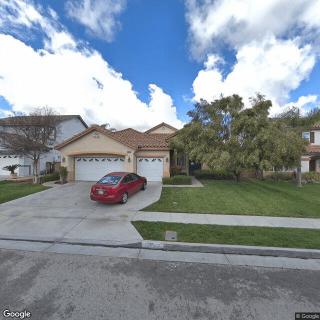
 Intimate 6-resident setting with comprehensive assisted living services, meals, housekeeping, and transportation assistance.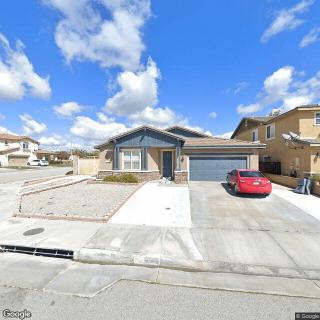

 In-Depth Look at the VA Aid and Attendance Program
 Nurturing Our Loved Ones: A Daughter's Journey in Caring for Her Mother
 Nurturing Our Elders: Linda's Journey of Supporting Her Mother