
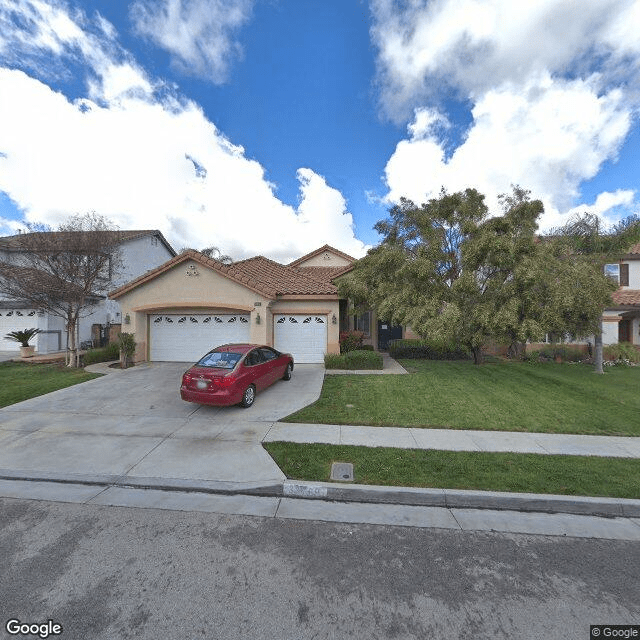
33769 Salvia Lane, Murrieta, CA 92563
For more information about senior living options: (866) 208-4318
Sarah's Best Life Costs & Pricing
At Sarah's Best Life, the monthly costs for accommodation are notably more competitive compared to both Riverside County and the broader California state averages. For a semi-private room, residents pay $2,000, significantly lower than Riverside County's average of $2,844 and California's average of $3,333. Similarly, the private room option at Sarah's Best Life is priced at $2,500, which again offers substantial savings in comparison to Riverside County's $3,474 and California's $3,939. This pricing strategy not only reflects a commitment to providing high-quality care but also makes it an attractive choice for individuals seeking affordability without compromising on services in a competitive market.
| Floor plans | Sarah's Best Life | Riverside County | California |
|---|---|---|---|
| Semi-Private | $2,000 | $2,844 | $3,333 |
| Private | $2,500 | $3,474 | $3,939 |
Assisted Living communities with a similar price nearby
-
About the same
Temeku Hills Assisted Living
$2,000 to $2,800 / month7.7 miles away -
About the same
For His Glory Premium Senior Care Home
$2,000 to $2,800 / month21.7 miles away -
from +$250 / mo
Comfort Senior Villa
$2,250 to $2,600 / month1.2 miles away -
About the same
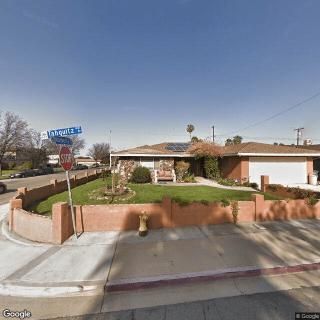
Maisey's Guest Home
$2,000 to $2,400 / month12.9 miles away -
About the same

Sun City Gardens
$1,988 to $3,291 / month5.7 miles away
Overall Review of Sarah's Best Life
Pros
 The staff are described as amazing, caring, and going above and beyond because they love what they do.
- The home feels like a real home—cozy, well-decorated, with comforts that ease the transition for families.
- Residents enjoy home-cooked meals, desserts, daily activities, and a warm, family-like atmosphere.
- Families say Best Life Assisted Living was the right choice, providing high-quality care and attentive, compassionate service.
- The facility is clean, spacious, and feels like home away from home, with caretakers who are kind and attentive.
- Safety is a priority, with locks, door and window sensors, alarms, and accessible bathrooms.
- Caregivers treat residents like family, offering personal attention and heartfelt care that makes loved ones feel valued.
- Families appreciate prompt communication about medical needs and daily well-being.
Cons
 One of the nurses had a heavy accent, which was a downside.
- The cost was higher than anticipated.
- The grandmother was moved to a much smaller room, leaving her feeling violated and uncomfortable.
- The owner described the move as a “business decision” to accommodate a higher-paying resident.
- There was a huge leak with major water damage that took three months to fix.
- There was no financial compensation offered to address the damages; the reviewer felt the business did not live up to its name.
Review
Sarah’s Best Life in Murrieta is best suited for families seeking a true home environment where safety, steady daily care, and genuine caregiver warmth are the top priorities. The community clearly appeals to those who want 24/7 supervision in a setting that feels like a private residence rather than a hospital. Residents benefit from a cozy floor plan, home-style meals, and caregivers who are repeatedly described as loving and devoted. For families facing difficult transitions, such as moving a parent from independent living or from home care, this place often becomes not just a care option but a reassuring, almost familial extension of home life.
Those considering alternatives should weigh whether social programming and memory-support structures meet their loved one’s needs. Several reviews acknowledge a strong sense of family and daily care, but there is also a note that social opportunities among other residents can feel limited compared to larger facilities. For residents who crave frequent outings, organized group activities, or more expansive engagement with peers, this home might feel quieter or less stimulating. Additionally, a concern sometimes voiced is the cost dynamic: while some families emphasize affordability within the local market, others encounter expectations around price that may shift, which can be a deal-breaker for budget-conscious buyers.
The strongest pro set centers on safety, attentiveness, and hospitality. The home-like atmosphere is repeatedly praised, with doors and alarms providing security while maintaining easy access for residents. Around-the-clock care is emphasized in multiple accounts, along with consistent nutritional support, home-cooked meals and desserts, that help keep mealtimes sociable and satisfying. Families highlight the personal attention paid to when health needs arise, with staff proactive about doctor visits, changes in mood, or supply needs, and with caregivers who participate in daily activities and companionship. The intimate scale also fosters meaningful relationships, so many residents feel seen and valued.
On the downside, a few meaningful concerns surface in the reviews. One star outlier highlights a troubling perception of questionable business decisions, including moving a resident to a different room despite ownership stakes in the current space, and a sense that financial motives overshadow resident comfort. There is also a report of maintenance lapses, water damage followed by delays, that understandably shakes trust in reliability. A separate note points to a caregiver who struggled with language barriers and the occasional unfulfilled promise of outings, suggesting that communication and consistently delivering on activity plans can vary. For families with loved ones who are highly social or require robust dementia programming, these gaps may matter more.
Still, the pros tend to offset many of these cons if the priorities align. The home’s safety, ongoing family-style meals, and nurturing staff create a dependable daily rhythm that can ease anxiety for both residents and their families. The intimate, home-like setting can mitigate the stress of adjustment for someone with memory challenges who responds well to familiar faces and predictable routines. When staff members notice subtle changes and communicate with families, that vigilance often translates into timely medical follow-up and supportive care, which can be far more valuable than a larger campus’s polished atmosphere.
The bottom line for a decision comes down to matching needs with experience. For families prioritizing a warm, caregiver-led environment where a resident is treated like family, Sarah’s Best Life offers a compelling, largely positive package: safety features, daily personalized attention, home-cooked meals, and meaningful caregiver relationships. For those who require more robust social programming, stronger memory-care infrastructure, or crystal-clear pricing and room guarantees, alternatives may be more appropriate. Prospective families should ask pointed questions about current staffing ratios, how outings are scheduled and executed, what triggers changes in room assignments and pricing, and the exact menu of activities and memory-support options. This approach ensures the choice aligns with how the loved one will experience daily life, peace of mind, and ongoing well-being.
 6 resident community capacity
 Assisted Living
 Board and Care Home
 Respite Care
 Cats allowed
 Dogs allowed
 Activities off-site
 Bath tubs
 Cable or satellite TV
 Devotional services off-site
 Dining room
 Fully furnished
 Garden
 Housekeeping services
 Indoor common areas
 Move-in coordination
 Outdoor common areas
 Private
 Private bathrooms
 Small library
 Telephone
 Wheelchair accessible showers
 24-hour supervision
 Assistance with bathing
 Assistance with dressing
 Assistance with transfers
 Diabetes diet
 Diabetic care
 High acuity care
 Hospice care
 Incontinence care
 Meal preparation and service
 Medication management
 Special dietary restrictions
 Transportation arrangement (medical)
 Fitness programs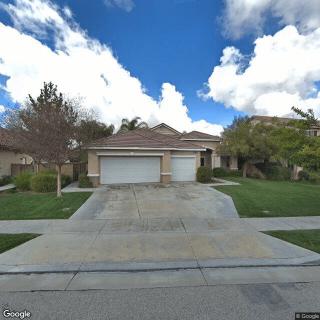




 Senior Transition Services: Understanding Their Role, Cost, and Importance
 Exploring the Path to Senior Living: A Comprehensive Look at Independent Living and Assisted Living
 Is Assisted Living Deductible on Your Taxes? Understanding the Complexities of Assisted Living Expenses and Deductions