

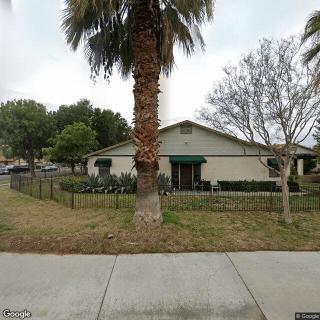
13247 Sun Bird Dr, Moreno Valley, CA 92553
To contact a resident: (909) 576-8889
For more information about senior living options: (866) 208-4318
New Hope Loving Home Care Costs & Pricing
New Hope Loving Home Care offers competitive pricing for its services compared to both Riverside County and the broader California market. For a semi-private room, the monthly cost stands at $2,500, which is notably lower than the county average of $2,844 and significantly less than the state average of $3,333. Similarly, those opting for a private room will find New Hope's rate of $3,000 to be more affordable than both the Riverside County price of $3,474 and California's average of $3,939. This pricing strategy positions New Hope Loving Home Care as an attractive option for families seeking quality care in a supportive environment without breaking the bank.
| Floor plans | New Hope Loving Home Care | Riverside County | California |
|---|---|---|---|
| Semi-Private | $2,500 | $2,844 | $3,333 |
| Private | $3,000 | $3,474 | $3,939 |
Senior living communities with a similar price nearby
-
About the same
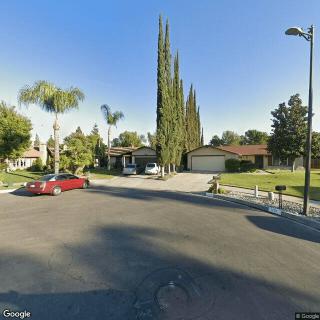
Valley Spring Elderly Care
$2,500 to $3,000 / month8.7 miles away -
from +$400 / mo
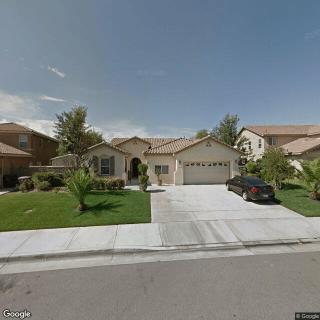
Agate Manor
$2,900 to $3,800 / month21.1 miles away -
from +$300 / mo

Bianca's Home Care
$2,800 to $3,400 / month12.0 miles away -
About the same

Golden Horizon Home I
$2,500 to $2,800 / month8.6 miles away -
from +$300 / mo

Hillcrest Cottage
$2,800 to $3,200 / month13.4 miles away
Overall Review of New Hope Loving Home Care
Pros
 The facility had an immediate opening and, from the start, they handled everything.
- The director was nice, and there was no need to worry about the small mundane tasks.
- The mom really likes it there and says the staff treats her very well.
- The reviewer would recommend this facility to other families.
Review
This Moreno Valley community is best suited for families that need an immediate placement solution and want a straight‑forward, low‑stress onboarding process. The standout factor is speed and ease: an available bed right away, with the facility taking care of the logistics from day one. Families report that the director makes the transition smooth and that the process removes the burden of handling “the small mundane things.” For a loved one who values personal attention and a warm, approachable staff, this setting presents a reassuring handoff from hospital or home to care.
Those who should consider alternatives are families prioritizing medical intensity or specialized programming. If a plan emphasizes robust clinical oversight, memory‑care expertise, or structured rehab services, this community may not deliver at the level required. Prospective residents seeking extensive on‑site nursing, advanced wound and medication management, or a broad slate of therapeutic offerings should scrutinize whether the facility can meet those needs. Likewise, families with demand for a larger community, expansive activity schedules, or long‑term care pathways should compare options where more resources and program variety are evident.
The primary strengths, immediate openings, minimal family burden in the onboarding, and an approachable, dependable director, work powerfully in favor of care continuity and peace of mind. When time is of the essence, being able to place a loved one quickly reduces the risk of staying in unsuitable or unsafe environments and accelerates the establishment of a stable routine. The staff’s demonstrated warmth and the resident’s own positive feedback reinforce confidence that daily interactions will be respectful, considerate, and responsive. In practical terms, that translates to fewer crisis calls for families and a more predictable day-to-day experience for the resident.
Another decisive benefit is the “handled everything” convenience. Families can trust that admissions, room setup, and initial care planning won’t become a prolonged project, which often complicates transitions. A home‑like ambiance and staff who communicate well can also support social integration and emotional comfort for someone who values familiar, personable care. The downside to these strengths is that the reviews provide limited detail about medical staffing levels, care plans, or access to specialized therapies. While the atmosphere and interpersonal touch are strong, verification of clinical capabilities remains essential before committing long term.
To make a well‑informed choice, families should seek concrete assurances about core care capabilities: what level of medical oversight is provided on site, how medications are managed, the nurse-to-resident ratio, and the availability of licensed professionals for emergencies. Inquire about memory care options, rehab services, daily activity programming, and transportation to appointments. Clarify pricing, what is included versus add‑on services, and whether there is a trial period or short‑term stay option. Asking for a written care plan, a recent sample weekly schedule, and references from current residents’ families will illuminate whether the warmth and efficiency observed during onboarding endure over time.
Ultimately, New Hope Loving Home Care stands out for families who prize immediacy and a personally attentive hand guiding the transition into care. It is a compelling choice for those who want a low‑friction, compassionate entry where the director and staff are trusted to handle the day‑to‑day. For cases requiring more intensive medical management, broader programming, or a larger community footprint, alternatives with deeper clinical capabilities and expansive activity calendars may better align with long‑term goals. A disciplined approach, paired with a candid tour and specific confirmations on clinical capacity, will determine if this homey option becomes the right, enduring fit.
 Board and Care Home
 Activities off-site
 Bath tubs
 Beautician on-site
 Indoor common areas
 Outdoor common areas
 Private
 Respite or short term stays offered
 Wheelchair accessible showers
 Ontario International (22 miles away)
 Diabetic care
 Incontinence care
 Medication management
 Meals provided



 Caring for Those Who Care: Recognizing, Understanding, and Overcoming Caregiver Burnout
 Caregiver Exhaustion: Recognizing the Signs and Restoring Your Well-Being
 Understanding Hospice Care at Home: Comprehensive Services, Key Benefits, and Eligibility