
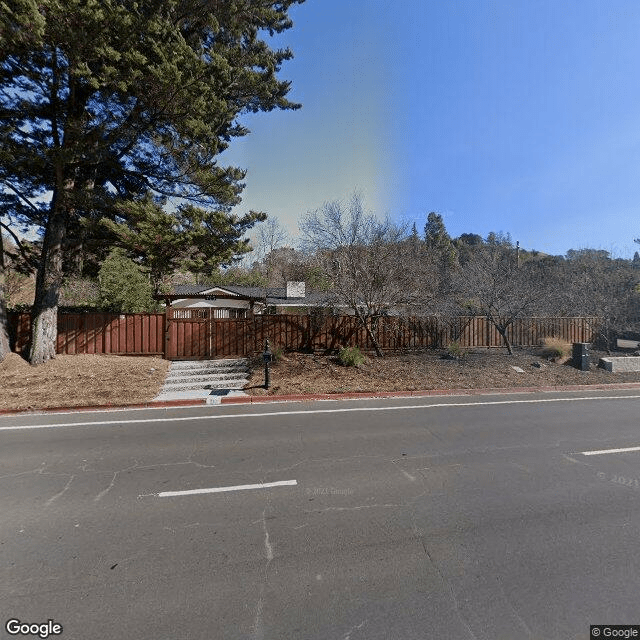
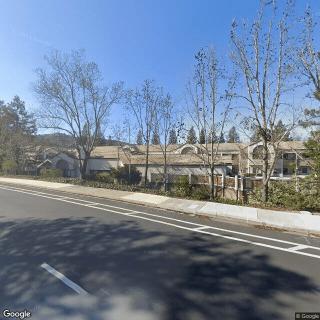
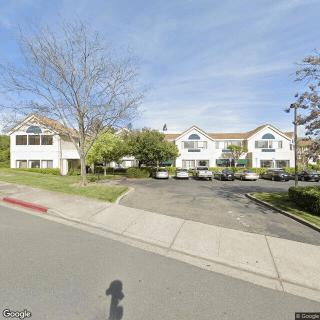
715 Moraga Road, Moraga, CA 94556
For more information about senior living options: (866) 208-4318
Moraga Retreat Care Costs & Pricing
At Moraga Retreat Care, the monthly cost for a private room stands at $8,600, which significantly surpasses both the average rates in Contra Costa County and the broader state of California. In comparison, Contra Costa County reports an average cost of $4,088 for similar accommodations, while statewide figures are even lower at approximately $3,939 per month. This pricing reflects not only the premium quality of care and personalized services provided by Moraga Retreat Care but also its positioning as a specialized facility that prioritizes resident comfort and well-being. While the investment is substantial, many families find that the exceptional environment and tailored support justify the higher expense.
| Floor plans | Moraga Retreat Care | Contra Costa County | California |
|---|---|---|---|
| Private | $8,600 | $4,088 | $3,939 |
Assisted Living communities with a similar price nearby
-
from -$700 / mo

Coterie Cathedral Hill
$7,900 to $15,100 / month16.8 miles away -
from +$400 / mo
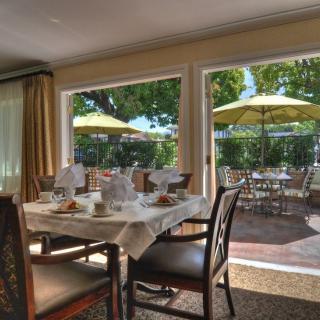
Silverado Berkeley
$9,000 to $10,500 / month8.6 miles away -
from -$650 / mo

Sunrise of San Mateo
$7,950 to $10,710 / month22.8 miles away -
from -$1600 / mo

Atria at Foster Square
$7,000 to $12,900 / month21.4 miles away -
from -$1400 / mo
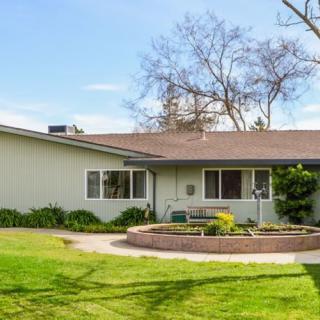
Willow Creek Alzheimer's & Dementia Care Center
$7,200 to $12,180 / month11.8 miles away
Overall Review of Moraga Retreat Care
Pros
 Moraga Retreat Care is professionally managed, with stable staffing and an extraordinary level of care.
- The staff make residents feel welcome like family.
- The home is warm, cheerful, impeccably maintained, and offers in-house care services.
- Ana and her team are amazing, showing kindness and compassion that create a true home atmosphere.
- Medications, dietary requirements, and other providers are expertly coordinated, giving families peace of mind.
- Safety is a top priority, and Moraga Retreat delivers it with professional caregivers and accessible facilities.
- The facility accommodates dietary needs, serves healthy meals, and provides excellent accessibility for wheelchair users.
Cons
 The reviewer regrets not moving sooner.
- The reviewer was reluctant to entrust anyone else with his wife’s care, delaying the move.
- Toward the end of the 20-year battle with Parkinson’s, he realized that he could not provide the level of care that was necessary.
Review
Moraga Retreat Care is best suited for families seeking a truly intimate, hands-on care setting for a loved one with substantial daily needs, especially those navigating Parkinson’s or recovering from a stroke. The community shines when a resident requires continuous supervision, reliable medication management, and a caregiving team that acts like an extension of family. It is clearly designed for long-term, full-time care rather than temporary respite or highly independent living. The owner’s Parkinson’s expertise, paired with a stable, well-trained staff, translates into a level of attentiveness and medical coordination that many larger facilities struggle to sustain. For families prioritizing safety, personalized attention, and a warm home atmosphere, Moraga Retreat stands out as a practical, dependable choice.
Alternatives are worth considering for those whose priorities extend beyond a home-like environment or who desire a more clinical or expansive care ecosystem. If a resident requires: - robust memory-care programming with specialized dementia supports, - a larger campus with broader social programming and resources, - or a cost structure that demands very different financing options, then other facilities may be a better fit. Moraga Retreat’s strength is the individualized, relationship-driven model, which may feel limiting to families seeking scale, formalized clinical protocols, or dementia-focused amenities. In such cases, exploring options that emphasize memory care design, diversified activity schedules, or multi-site staffing could prevent later frustration.
The principal advantages, professional management, unwavering staff stability, and the sense of being welcomed as part of a family, do not merely offset potential drawbacks; they redefine the value proposition. The owner’s in-depth Parkinson’s knowledge translates into precise care plans and timely interventions, while a single, cohesive caregiving team remains with residents for years. This continuity minimizes turnover irritants, enhances trust, and reduces the family’s burden of constant orientation and questions. Residents have private rooms and baths, and the home is maintained immaculately, creating an environment where dignity, routine, and comfort are central. The in-house coordination of medications, dietary needs, visiting nurses, and physicians delivers systemic peace of mind that outpaces what most small or mid-sized facilities can promise.
Safety and accessibility are not afterthoughts here; they are fundamental design features. The facility’s accessibility and wheelchair-friendly layout enable residents to move with confidence, while regular personal care, nail care, haircuts, dental cleaning, and physical therapy, happens on-site, cutting through the friction of external referrals. Nutritious, house-made meals with dietary accommodations reinforce a holistic approach to daily living. Families repeatedly note that staff responsiveness, clear communication from the owners, and transparent operations create a dependable care funnel that preserves autonomy where possible while meeting escalating needs. The result is a residence that feels sturdy, reachable, and reassuring for longtime caregivers and their loved ones.
The primary trade-off is about scope. Moraga Retreat excels as a warm, expertly led home that delivers intimate, comprehensive support; it is less likely to feel adequate for families seeking a large, hospital-like campus or intense memory-care programming with specialized dementia tracks. The reviews rarely hint at gaps in staffing or care gaps; rather, they highlight the advantages of stability, personalized attention, and a coordinated care network. If those elements line up with a resident’s needs, the cons are largely theoretical rather than real. The offset is palpable: a resident who thrives on routine, visible kindness, and precise clinical oversight without the impersonality of a bigger institution.
In deciding whether Moraga Retreat is the right place, families should weigh the unmatched care continuity, safety, and homelike comfort against a future that might demand broader clinical resources or dementia-specific programming. For end-of-life and post-stroke scenarios, this community presents an unusually compelling combination of professional leadership, compassionate care, and practical day-to-day support that brings genuine relief to families. When conversations turn to the realities of daily living, Moraga Retreat consistently demonstrates that expert, empathetic caregiving paired with a true home environment can trump larger, more impersonal options.
 6 resident community capacity
 Assisted Living
 Board and Care Home
 Activities off-site
 Cable or satellite TV
 Devotional services off-site
 Dining room
 Fully furnished
 Garden
 Housekeeping services
 Indoor common areas
 Move-in coordination
 Outdoor common areas
 Private
 Private bathrooms
 Telephone
 Wheelchair accessible showers
 Wi-Fi/high-speed internet available
 Metropolitan Oakland International (10 miles away)
 24-hour supervision
 Ambulatory care
 Assistance with bathing
 Assistance with dressing
 Assistance with transfers
 Diabetes diet
 Diabetic care
 High acuity care
 Incontinence care
 Meal preparation and service
 Medication management
 Special dietary restrictions
 Transportation arrangement (medical)
 Transportation to doctors appointments
 Birthday parties
 Visiting chaplain or priest





 Understanding the Distinctions: Assisted Living and Memory Care Explained
 Guiding Elderly Parents Who Refuse Assisted Living: 6 Practical Steps
 Your Comprehensive Guide to Luxury Assisted Living: Elevated Facilities, Amenities, and Costs