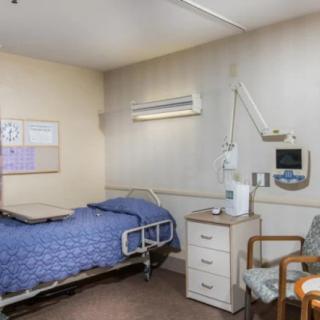
Overall Review of Rio Hondo Subacute and Nursing Center
caveat
14 reviews mention this
Communication and call-light response
Many residents’ families report slow or unsuccessful communication.
Several reviews describe trouble getting through by phone, passing messages, or reaching nurses when a call light is used. Others mention being left waiting for help with basic needs like changes and medication, sometimes for hours. A few reviewers contrast this with occasional cases where they were able to get a response after repeatedly seeking staff attention.
caveat
18 reviews mention this
Neglect and missed care tasks
Some families describe neglected care and unsafe delays.
A recurring complaint is that residents are left unattended for long periods, including delays with changing, showers, toileting, and general monitoring. Multiple reviews also describe medical or daily-care follow-through not matching what families expected, such as trouble getting help for fever, urine checks, or therapy plans. In the most severe accounts, reviewers link delays or omissions to serious outcomes that required emergency care or hospitalization.
caveat
9 reviews mention this
Medication and clinical mistakes
Several reviews raise concerns about medication handling.
Some residents’ families report problems with insulin administration, missed medication, or medication being provided incorrectly. A few reviewers specifically mention that staff could not answer what was given or when, while others describe dosage problems or medication cart issues. While there are also positive experiences praising attentive nursing, the negative reviews repeatedly focus on medication accuracy and accountability.
caveat
9 reviews mention this
Cleanliness and odor concerns
Cleanliness problems come up in multiple reviews.
Several reviewers describe strong unpleasant odors on arrival and report that rooms or restrooms were dirty. Others mention lack of supplies or a general sense of the facility feeling unsanitary, sometimes paired with complaints about care being delayed. A smaller number of reviews are more positive about cleanliness and room condition, but odor and dirt are repeated concerns in the negative accounts.
common
10 reviews mention this
Attentive, caring staff
Many reviewers describe staff who are kind and helpful.
Across the reviews, there are repeated accounts of nurses, therapists, case managers, and activities staff being attentive, patient, and professional. Some families specifically praise individual staff members for going above and beyond, including help with questions and responsiveness during recovery. A few reviews also mention that staff helped make visiting or day-to-day communication easier, even while other reviews raise serious concerns about responsiveness.
common
4 reviews mention this
Rehab therapy and activities
Residents and families mention activities and rehab support.
Positive reviews describe the rehab department and structured activities room as engaging and helpful during recovery. Some reviewers also mention improvements over time, including renovation and the inclusion of activities. A negative review notes therapy not being available on weekends, which suggests scheduling consistency may vary.
common
2 reviews mention this
Nearby hospital access
A nearby hospital may support faster escalation.
One nearby option listed is a hospital close by, which can matter when families are worried about urgent medical issues. Some reviews describe emergency transfers, underscoring that timely access can be a practical concern for residents and families.
How we summarize
Counts show how many written reviews mention each theme; a review can touch several themes, and only frequently mentioned themes are displayed.


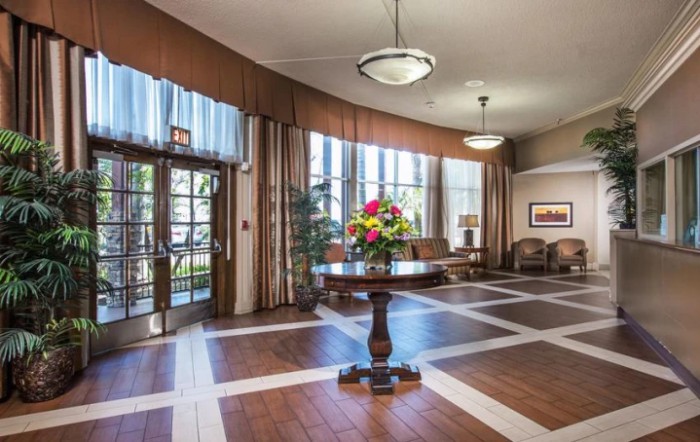
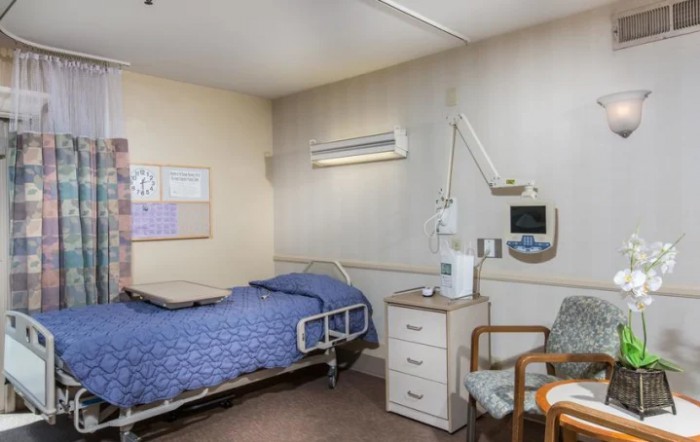
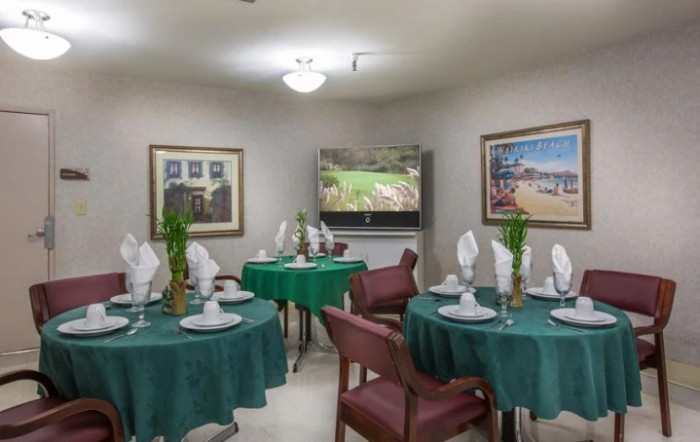

 21 resident community capacity
 Assisted Living
 Skilled Nursing Facility
 Beauty salon
 Cable or satellite TV
 Dining room
 Fully furnished
 Garden
 Housekeeping services
 Kitchenette
 Move-in coordination
 Outdoor space
 Telephone
 Wi-Fi/high-speed internet available
 Long Beach (Daugherty) (14 miles away)
 24-hour call system
 Activities of daily living assistance
 Assistance with bathing
 Assistance with dressing
 Assistance with transfers
 Diabetes diet
 Meal preparation and service
 Medication management
 Mental wellness program
 Special dietary restrictions
 Transportation arrangement (medical)
 Transportation to doctors appointments
 Small, intimate assisted living with 24/7 supervision, ADL support, meal service, medication management, and care coordination.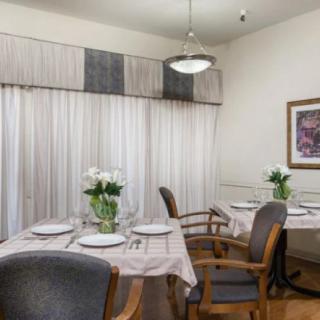



 Understanding the Distinctions: Assisted Living and Memory Care Explained
 Guiding Elderly Parents Who Refuse Assisted Living: 6 Practical Steps
 Your Comprehensive Guide to Luxury Assisted Living: Elevated Facilities, Amenities, and Costs