
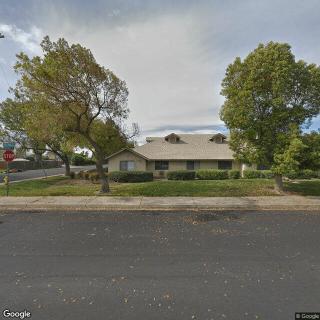
2809 Lou Ann Drive, Modesto, CA 95350
For more information about senior living options: (866) 208-4318
Overall Review of Valley Comfort 5
Pros
 Valley Comfort provided a wonderful experience for her mom, with staff treating her with kindness and respect.
- The staff, from administrative to caregivers, are described as beyond amazing and very attentive.
- The owners, Chris and Nick, are regarded as wonderful and treat residents like family.
- Many reviewers consider Valley Comfort the best memory care facility in Modesto and a family-owned business that puts residents first.
- Residents with dementia are treated with dignity and respect, and cared for compassionately.
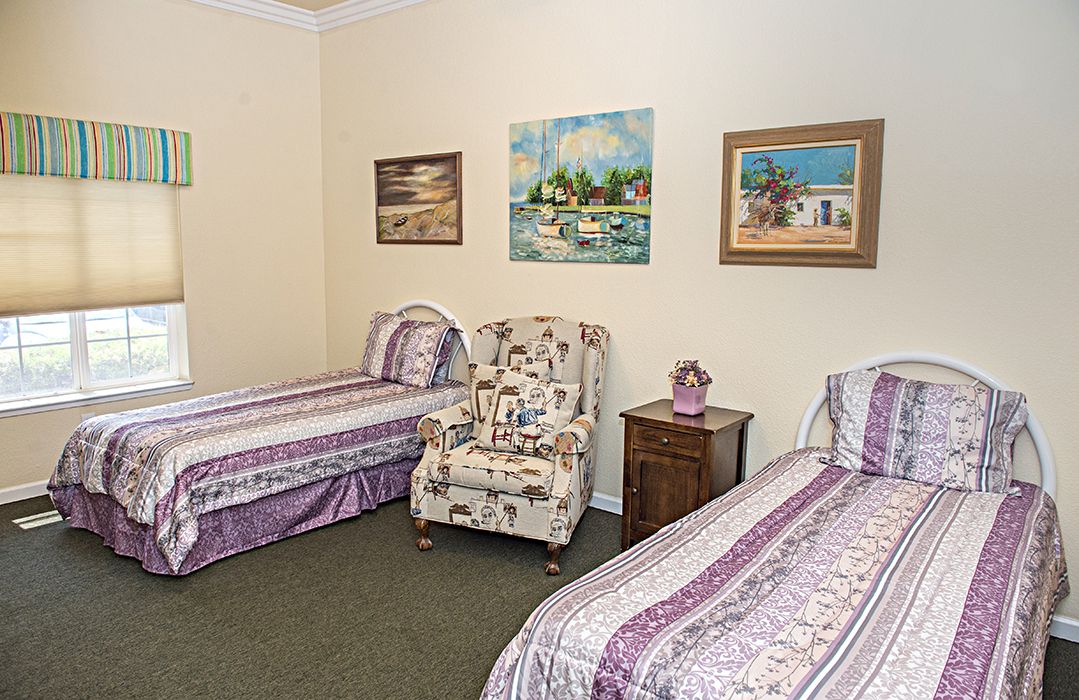
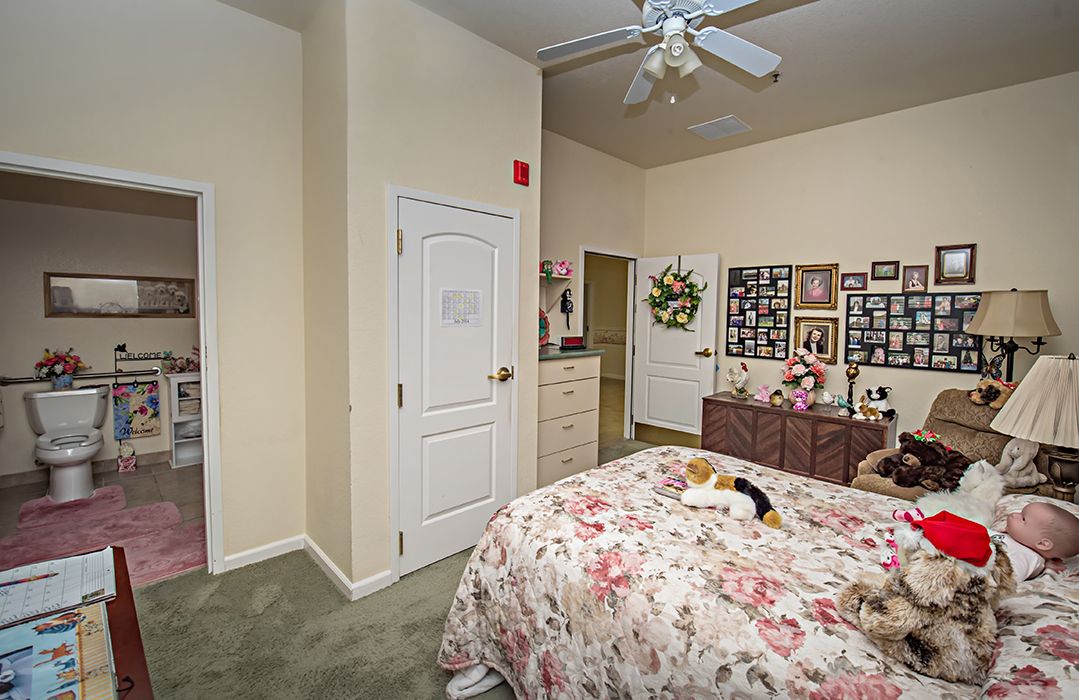
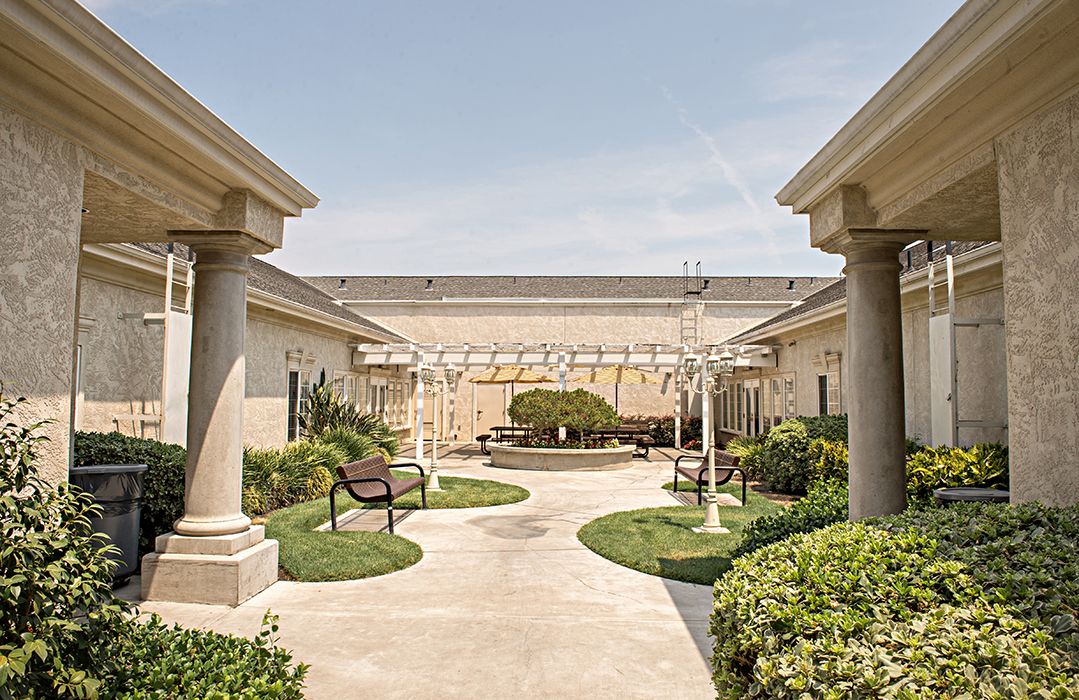
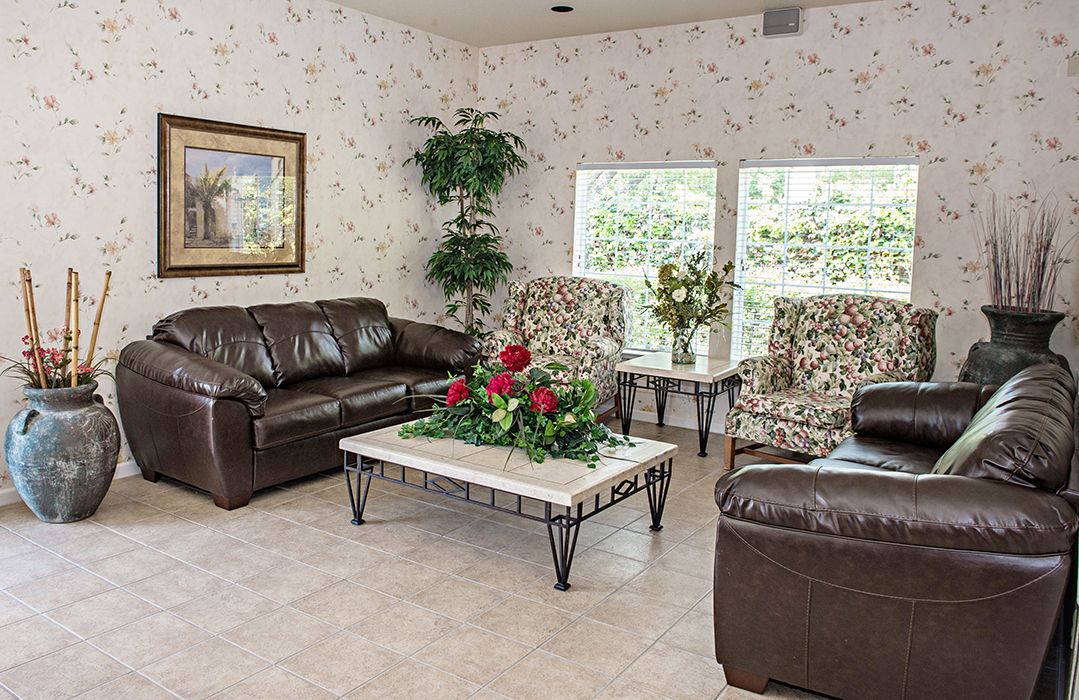
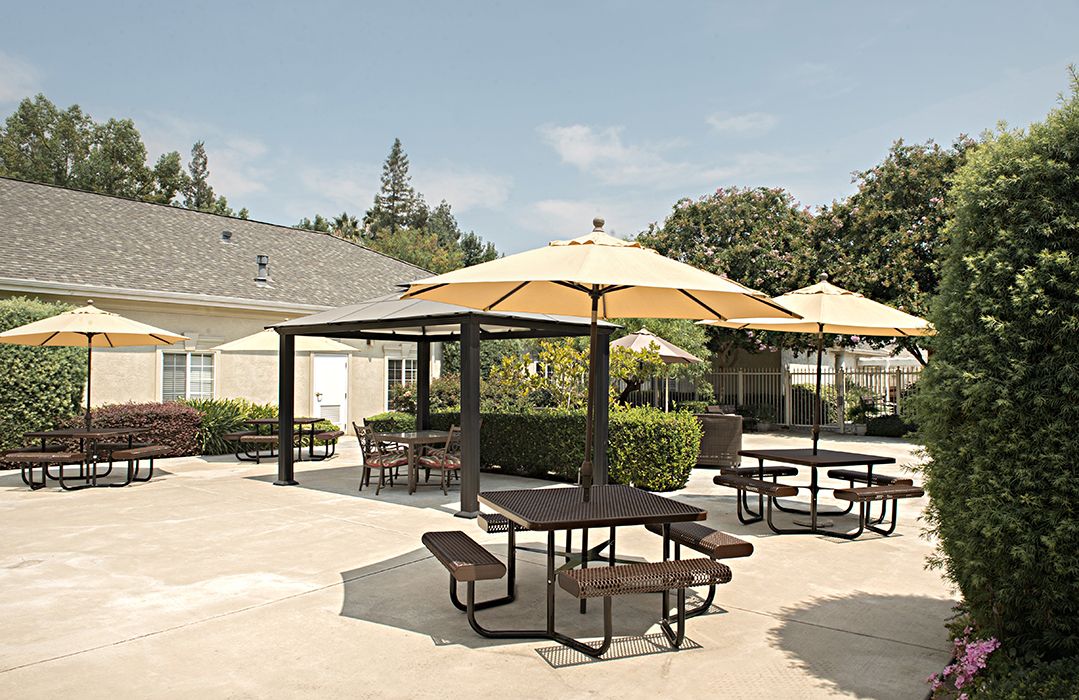
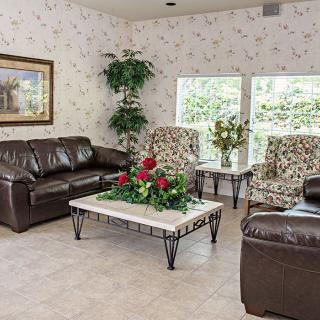
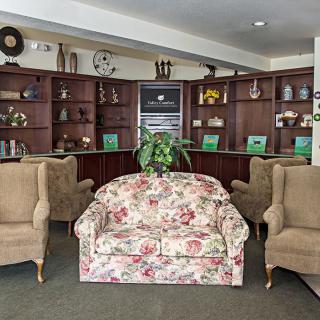
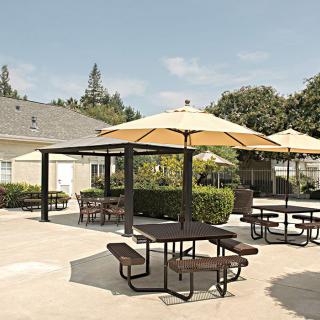
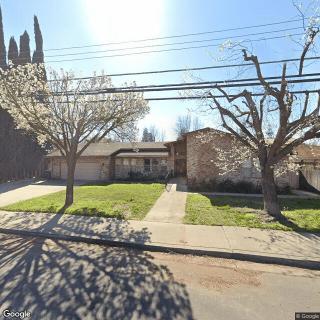
- The facility is well maintained, with beautiful landscaping and a clean, pleasant environment.
- Families say they would recommend Valley Comfort and would choose it again for their loved ones.
Cons
 The facility did not do what they promised to the family after moving in.
- They weren’t giving the mom her prescribed pills and the promised daily medications.
- The staff were described as unnecessarily rough with the mom when she was confused.
- There was an alleged instance of abusive behavior by a worker toward the mom.
- There was no plan from the owners to rectify these problems, and management denied culpability.
- EMS/ER staff reported red flags and said the staff knew little about the mom’s meds, with the claim she self-managed meds being untrue.
- The overall experience was extremely expensive and frustrating.
Review
Valley Comfort 5 in Modesto is best suited for families seeking a dementia-capable, family-owned assisted living where warmth, daily rapport, and social immersion are prioritized. The reviews consistently paint a picture of a welcoming, people-driven environment: residents form friendships quickly, caregivers treat them with dignity, and the owners are actively engaged in daily operations. For families who value a homey, relational approach and want a community that feels like an extended family, Valley Comfort delivers. The sentiment from multiple intact, long-standing resident stories , including decades of family involvement and repeated expressions of appreciation for the staff , reinforces that this is a place where residents can feel seen, heard, and valued.
That said, some families should consider alternatives or proceed with heightened scrutiny before committing. The most serious caveat centers on medication management and incident reporting. One account details a pattern of missed medications, inconsistent showers, and a lack of timely communication about problems, culminating in a medical emergency that prompted an ambulance and external warnings about the care plan. The reviewer also describes confrontations with management and a perception that certain troubling events were denied or downplayed. In addition, there is a note about a substantial “fee” on top of rent, suggesting the financials require careful review. For families whose loved one requires precise, verifiable medication protocols and rigorous staff oversight, this history warrants extra diligence or exploring other options.
The strongest positives center on the staff’s character and the culture of care. Many family members describe staff as “beyond amazing,” consistently available, patient, and respectful. The owners are portrayed as hands-on, dedicated, and responsive, creating an environment where residents are treated like family rather than numbers. The facility’s cleanliness, well-kept grounds, and inviting atmosphere reinforce a sense of dignity and comfort. A steady stream of testimonials highlights social engagement, friendship among residents, and a sense of safety that comes from routine, attentive caregiving. For families prioritizing trust, relational care, and a community that values personhood, these are compelling strengths.
From a decision-making perspective, the pros and cons must be weighed with care. The community’s evident strengths, deep staff investment, family-owned accountability, and a proven track record of positive social integration for many residents, offset a great deal of uncertainty. Yet the documented concerns about medication administration, care consistency, and perceived management defensiveness cannot be dismissed. When dementia or cognitive impairment is involved, the margin for error around daily medications, wandering risks, and sundowning management grows tight. If the plan hinges on comprehensive, transparent care with predictable adherence to medical routines, Valley Comfort can still be a strong fit, but only if concrete safeguards are verified in advance.
The prudent path for families considering Valley Comfort is to demand concrete assurances before move-in. Seek a detailed, written care plan focused on medication administration, daily schedules for showers and hygiene, and a formal escalation protocol for concerns. Request to meet the supervising nurse or director of care, view recent med logs, and review the facility’s incident-tracking practice. Ask for current resident-to-staff ratios, the cadence of caregiver handoffs, and a clear outline of how sundowning and behavioral cues are addressed. References from families with similar care needs can illuminate whether the current operations align with the high standards many reviews imply on the best days. Costs beyond the base rent should be itemized, including any ancillary fees, so no surprises arise after move-in.
If the door to another option remains open, consider contemporaries that balance warmth with more formalized oversight. Several reviews point to Merrill Gardens and other nearby facilities as benchmarks for strong management and consistent programming, serving as useful comparators for a dementia-focused offering. For families whose priority is uncompromising medication reliability, a facility with proven, auditable medication protocols and independent care coordinators may mitigate risk while preserving the relational strengths Valley Comfort offers. In the end, Valley Comfort 5 is not a generic choice; it is a compelling option for families who can vet and verify care processes, value intimate staff relationships, and are comfortable with a strong community culture. For those who cannot tolerate uncertain med management or opaque responsiveness, alternatives deserve serious consideration.
 92 resident community capacity
 Assisted Living
 Memory Care
 Respite Care
 Air-conditioning
 Beauty salon
 Cable or satellite TV
 Computer center
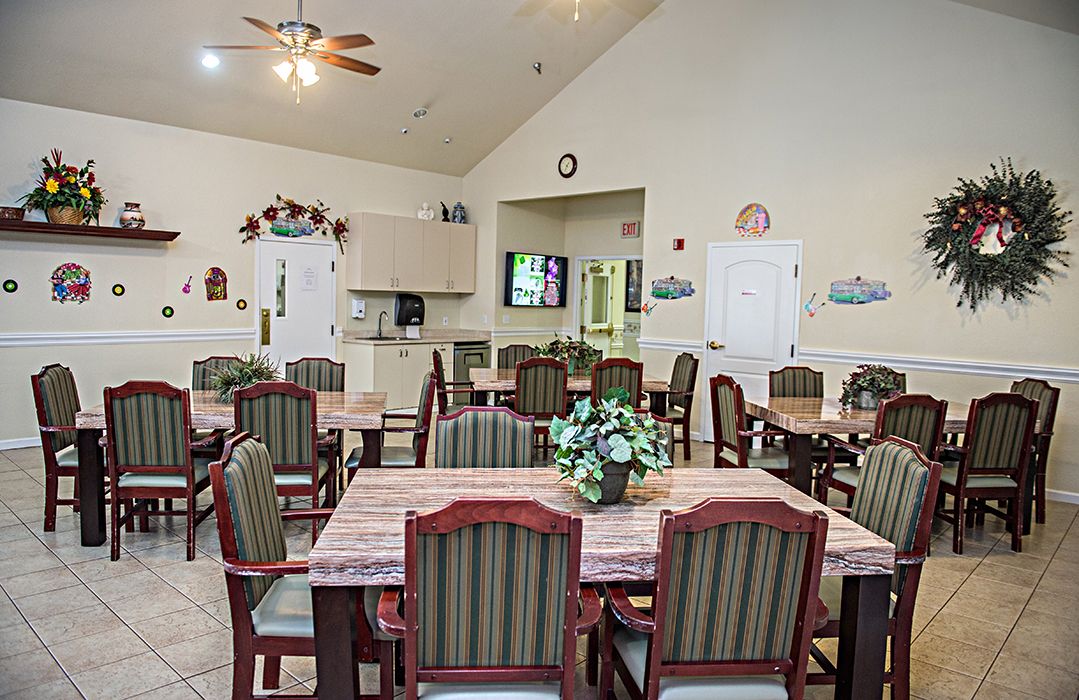
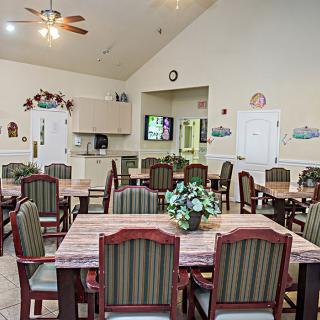
 Dining room
 Fitness room
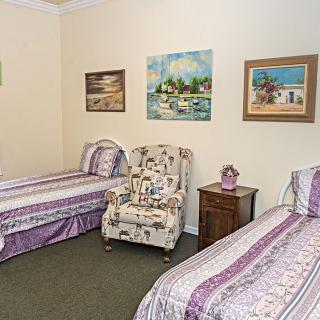
 Fully furnished
 Gaming room
 Garden
 Housekeeping services
 Kitchenette
 Move-in coordination
 Outdoor space
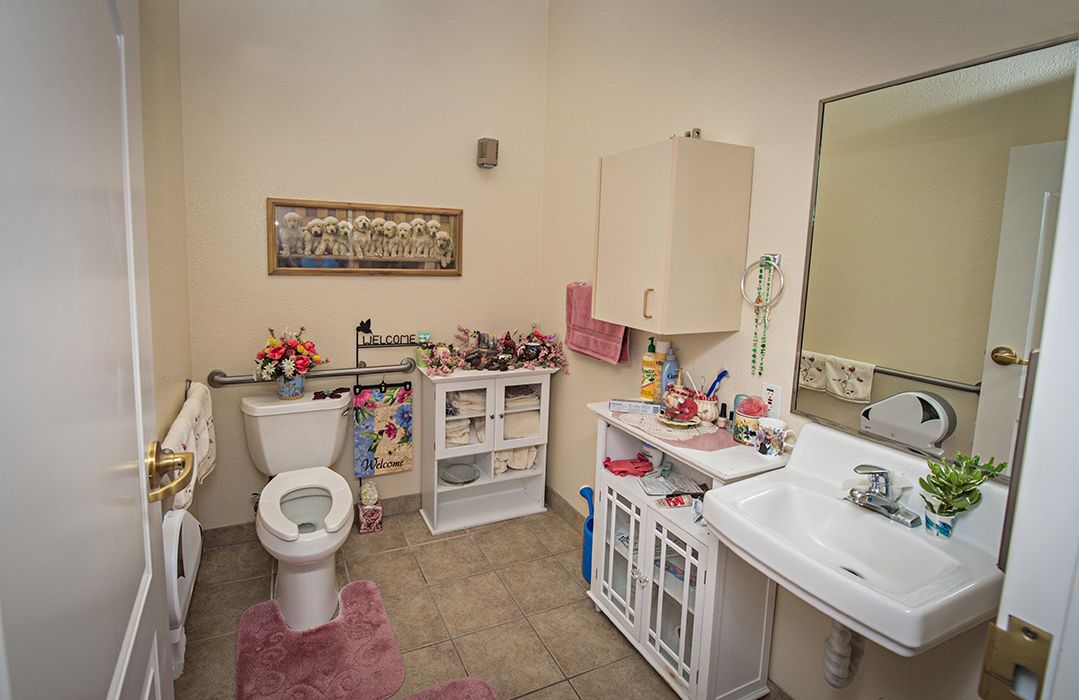
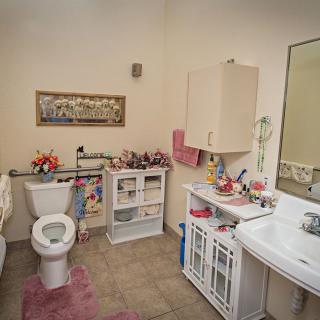
 Private bathrooms
 Restaurant-style dining
 Small library
 Telephone
 Wellness center
 Wi-Fi/high-speed internet available
 Modesto City-County-Harry Sham (6 miles away)
 Community operated transportation
 12-16 hour nursing
 24-hour call system
 Activities of daily living assistance
 Assistance with bathing
 Assistance with dressing
 Assistance with transfers
 Diabetes diet
 Medication management
 Mental wellness program
 Special dietary restrictions
 Concierge services
 Planned day trips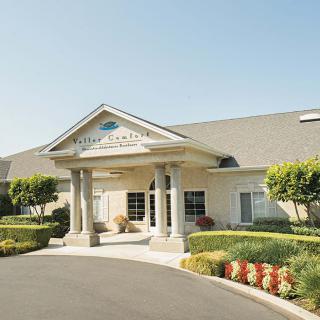



 8 Key Indicators That Suggest It May Be Time to Transition from Assisted Living to Skilled Nursing Care
 Nourishing the Mind: Essential Dietary Approaches for Dementia
 Understanding Dementia Behaviors: Practical Insights and Strategies for Caregivers