
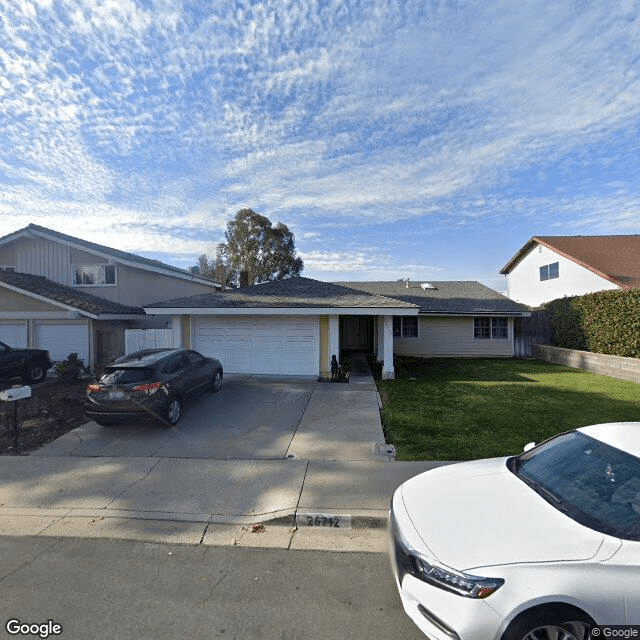
26712 El Mar Drive, Mission Viejo, CA 92691
For more information about senior living options: (866) 208-4318
Verona Court VIII Costs & Pricing
Verona Court VIII offers a range of competitive pricing for its various room types, particularly when compared to the broader costs in Orange County and throughout California. For semi-private rooms, Verona Court VIII is priced at $3,100 per month, which is notably lower than both the county average of $3,431 and the state average of $3,333. The one-bedroom units also present an attractive option at $3,500, significantly undercutting the county's average of $4,380 and closely aligning with California's figure of $4,340. However, private room rates at Verona Court VIII are set at $4,500 monthly - higher than Orange County's average of $4,104 and exceeding California's rate of $3,939. Overall, while some options may be costlier relative to local averages, the facility remains an appealing choice for those seeking value in semi-private and one-bedroom accommodations.
| Floor plans | Verona Court VIII | Orange County | California |
|---|---|---|---|
| Semi-Private | $3,100 | $3,431 | $3,333 |
| 1 Bedroom | $3,500 | $4,380 | $4,340 |
| Private | $4,500 | $4,104 | $3,939 |
Memory care communities with a similar price nearby
-
from -$300 / mo
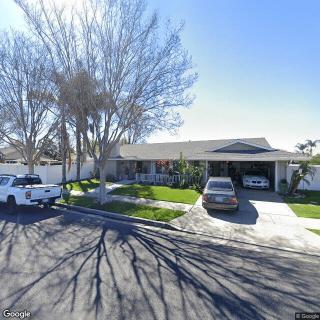
Candlewood Care Home III
$2,800 to $3,400 / month14.2 miles away -
from +$400 / mo
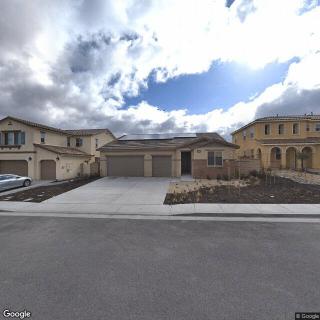
Kun Bai Care
$3,500 to $4,500 / month23.1 miles away -
from -$300 / mo
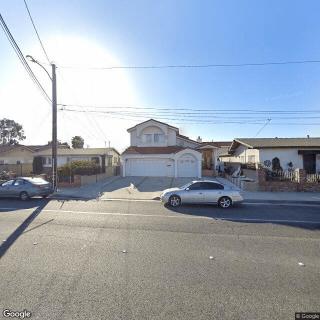
Leah Loving Elderly Care
$2,800 to $3,000 / month18.9 miles away -
from -$400 / mo
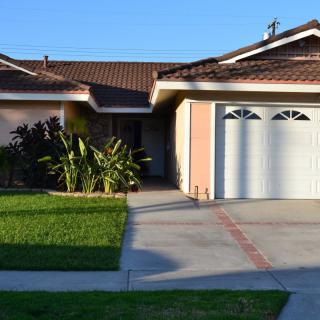
Loving Care Senior Home
$2,700 to $3,500 / month19.3 miles away -
from -$250 / mo
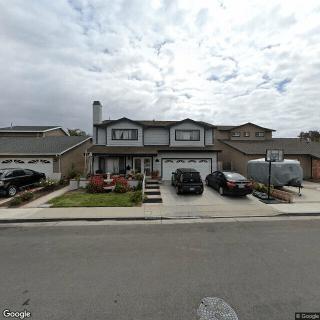
Alternative Senior Care - Freshwater
$2,850 to $3,250 / month22.0 miles away
Overall Review of Verona Court VIII
Pros
 Eskaton has a great reputation as a local Northern California operator.
- Verona Court feels like a home and provides personalized, attentive care.
- Arda and Tarek run Verona Court as dedicated owners.
- The care team, including Remi and Jun, offered around-the-clock, attentive care.
- Jason, the Hospice head nurse, was great to work with and provided regular updates.
- Verona Court maintains a 3:1 patient-to-caregiver ratio, enabling significant personal attention.
- The family notes that dad’s final days were peaceful and serene thanks to the care.
Cons
 They didn't like the director at first, who seemed very cold, too professional and businesslike.
- They determined the rehab center was not the right place for him.
- The pricing, with a $3,800 monthly rate and a $2,000 deposit, suggested a high cost.
- They observed that the owner runs nine homes and a tenth is getting ready, implying a big-business approach.
- They noted an extra $150 charge to transport to appointments.
Review
Verona Court VIII in Mission Viejo is best suited for families seeking an intimate, caregiver-forward assisted living experience where medical oversight is continuous and the environment feels like a private home. This is not a large campus; with only a handful of residents at a time, it delivers a level of personal attention larger communities struggle to match. It works best for a parent who needs steady daily help, meticulous supervision, and a coordinated transition through hospital or hospice settings. The arrangement appeals to families who prioritize dignity, continuity of care, and the comfort of a familiar, small-scale setting over resort-like amenities.
Those who want more social programming, a bustling activity calendar, or a broader array of on-site services may want to consider alternatives. The small size can limit peer interaction and spontaneous socialization, and some families may find the breadth of amenities at larger facilities more engaging for a resident who thrives on constant stimulation. Price sensitivity is another factor; the monthly rate around $3,800, plus a deposit structure, may price out families who compare it to larger communities with more inclusive tiers and easier entry costs.
Pros are anchored in the level of attention and integration of care. The standout advantage is the caregiver-to-resident investment; with two live-in caregivers and a reported 3:1 ratio, there is almost continuous support, and staff seen on duty around the clock delivers hands-on help and comfort. Family members consistently highlight the dedication of staff such as Remi and Jun, who are on duty around the clock, and the reliability of updates from hospice liaison Jason when transitions are involved. Leadership is highly visible: owner-operators who are RNs visit daily, ensuring medical oversight remains practical and responsive. Medical services, podiatry, physician house calls, medication management, and coordinated transfers, are embedded features, not afterthoughts, which provides real reassurance when a parent’s care escalates. The home-like setting, combined with meaningful engagement through arts and music therapies, tends to preserve dignity and mood, particularly during the later stages of life, which matters deeply to families.
Cons and caveats are worth weighing carefully. The price tag is the clearest hurdle, as upfront deposits and ongoing costs can limit affordability compared with other options. The very strength of small-scale, intimate care can also translate into a more limited social ecosystem and fewer on-site diversions than larger campuses, potentially leaving some residents looking for broader stimulation. On leadership dynamics, at least one reviewer noted an initially cold impression of the director, underscoring that warmth and relationship-building may depend on the day-to-day personalities on site. Prospective families should verify the current staffing mix, especially night coverage, and review all transport and ancillary charges to avoid surprises down the line.
Nevertheless, the core advantages tend to offset the cons for the right resident. The extraordinary level of hands-on care, rapid response, and integrated medical oversight can dramatically ease the burden on families navigating hospital-to-h hospice transitions. The combination of a high caregiver ratio, daily attentiveness, and a home-like atmosphere creates a sense of security and peace hard to achieve in larger facilities. For a resident who values predictable routines, stable caregivers, and medical checks that feel embedded in daily life, Verona Court VIII delivers substantial value and a dignified, low-stress living arrangement.
Decision guidance follows a clear path: Verona Court VIII is a strong choice for families prioritizing extreme personalization, medical integration, and a tranquil, home-like setting for a parent needing ongoing assistance. Before committing, conduct an unannounced visit to observe daily interactions, confirm the current resident count and caregiver schedule, and review inclusions versus add-ons, transport, cable, and supply charges, in the contract. If the goal is richer social programming or budget flexibility, explore larger assisted living campuses or facilities with broader activity calendars and more predictable pricing. The right fit exists here for a senior who values intimate care, coordinated clinical oversight, and a peaceful end-of-life experience within a small, supervised home.
 6 resident community capacity
 Assisted Living
 Board and Care Home
 Memory Care
 Activities off-site
 Cable or satellite TV
 Dining room
 Fully furnished
 Garden
 Housekeeping services
 Move-in coordination
 Outdoor common areas
 Private
 Private bathrooms
 Respite or short term stays offered
 Telephone
 Wheelchair accessible showers
 Wi-Fi/high-speed internet available
 John Wayne Orange Co (14 miles away)
 24-hour supervision
 Assistance with bathing
 Assistance with dressing
 Assistance with transfers
 Diabetes diet
 High acuity care
 Incontinence care
 Meal preparation and service
 Medication management
 Special dietary restrictions
 Transportation arrangement (medical)
 Transportation to doctors appointments

 Guiding Your Journey: Understanding Power of Attorney for Elderly Parents
 22 Remarkable Caregiver Support Groups Available Online and In-Person
 Understanding Medicaid Coverage for Assisted Living: A Comprehensive Guide