
26871 La Sierra, Mission Viejo, CA 92691
For more information about senior living options: (866) 208-4318
Overall Review of Alliance Senior Living 3
Pros
 Allora Senior Living is described as a place with friendly and smiley faces.
- Kevin, the owner and director, is described as amazing and highly attentive to residents and families.
- Kevin personally assists in emergencies, handles paperwork, communicates with doctors, and keeps the family in the loop.
- The service level provided by Kevin and staff makes visits stress-free for families.
- The owner is described as a wonderful man, not a corporation, running a lovely Mission Viejo home that is recently renovated and clean.
- Caregivers are professional, patient, and kind, handling laundry and keeping residents clean and dry.
- The last months of the reviewer’s father were made pleasant, calm, and relaxing by Kevin and his team.
- The home is clean and cheery, with friendly and articulate staff and an administrator eager to make residents happy.
Cons
 The father is described as a challenge and a handful due to memory loss and a stubborn personality.
- The meals were not gourmet.
- The father’s messy tendencies required caregivers to keep his shared room neat, signaling ongoing caregiving challenges.
Review
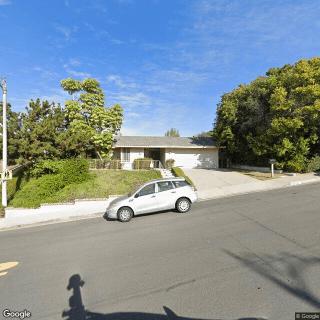
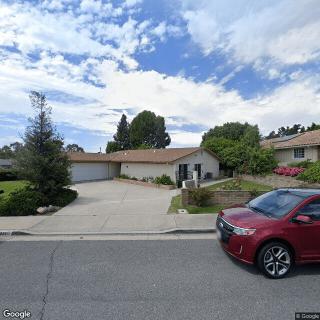
This Mission Viejo community is best for families who want a small, home-like setting where care is intensely personalized and leadership is directly involved. The property reads as a warm residence on a quiet street, freshly renovated and kept clean, with an atmosphere that feels more like a welcoming home than a clinical facility. What stands out in the feedback is a founder-driven model: Kevin, the owner and director, takes an active, hands-on role in daily care, hospital transitions, and ongoing communication. Residents benefit from steady, friendly caregiving, and families gain reassurance from transparent, proactive updates when emergencies arise.
That same operating style is best weighed against alternatives for families seeking a larger, more medically integrated environment. If a resident requires 24/7 on-site nursing oversight, memory-care-specific programming, or a broader menu of clinical services, a bigger community with formal care teams could be more appropriate. This setting prioritizes intimate attention and relational care over institutional scale, which can be a limiting factor for higher-acuity needs or complex medical routines.
On the positive side, the strongest advantages translate into trust, reduced parental stress, and daily comfort. The owner’s hands-on approach means issues are resolved quickly, medical coordination is thorough, and families are kept in the loop across hospital-to-room transitions. Caregivers are described as professional, patient, and kind, delivering companionship and dignity in challenging moments. The residence itself functions as a true home: clean, neat, and welcoming, with meals that are homemade and convey a comforting, everyday quality. Laundry and other chores are handled, freeing family members from routine burdens during demanding periods.
Guest accounts of hospital interactions illustrate the model in action: Kevin shows up at the hospital, communicates with physicians, and manages paperwork so relatives can stay focused on the resident’s wellbeing. That level of involvement reduces stress and demonstrates a commitment to seamless, compassionate care. Staff attentiveness during difficult times and the ability to navigate memory-related challenges with patience reinforce the value of a small, well-led operation when the objective is comfort, steadiness, and a calm daily rhythm.
For families evaluating options, this community is a strong fit when a personal touch and direct access to leadership are nonnegotiable. It suits those who value a calm, home-like atmosphere and transparent, responsive communication across transitions and routine caregiving. It may be less suitable for those who require a formalized care ladder, a wide array of specialized therapies, or the highest level of on-site medical supervision. In short, the setting excels at ease of mind and relational care, not at aggressive clinical escalation or large-scale programming.
Practical next steps include a targeted visit to observe staff interactions and the director’s engagement style, meeting potential caregivers, and asking concrete questions about staffing levels, on-call availability, and how care plans evolve when medical needs intensify. Prospective families should verify transportation arrangements, daily routines, and how meals are prepared and served. If comfort with a small, owner-operated model aligns with the resident’s needs and family expectations, this community presents a compelling, low-stress option that delivers warmth, reliability, and genuinely attentive care.
 6 resident community capacity
 Assisted Living
 Board and Care Home
 Cable or satellite TV
 Dining room
 Fully furnished
 Garden
 Housekeeping services
 Move-in coordination
 Outdoor space
 Telephone
 Wi-Fi/high-speed internet available
 John Wayne Orange Co (14 miles away)
 24-hour supervision
 Activities of daily living assistance
 Assistance with bathing
 Assistance with dressing
 Assistance with transfers
 Diabetes diet
 Meal preparation and service
 Medication management
 Special dietary restrictions
 Transportation arrangement (medical)
 Transportation to doctors appointments


 Beyond the Bingo Hall: 50+ Enriching Activities for Seniors in Assisted Living
 Understanding the Distinctions: Assisted Living and Memory Care Explained
 Guiding Elderly Parents Who Refuse Assisted Living: 6 Practical Steps