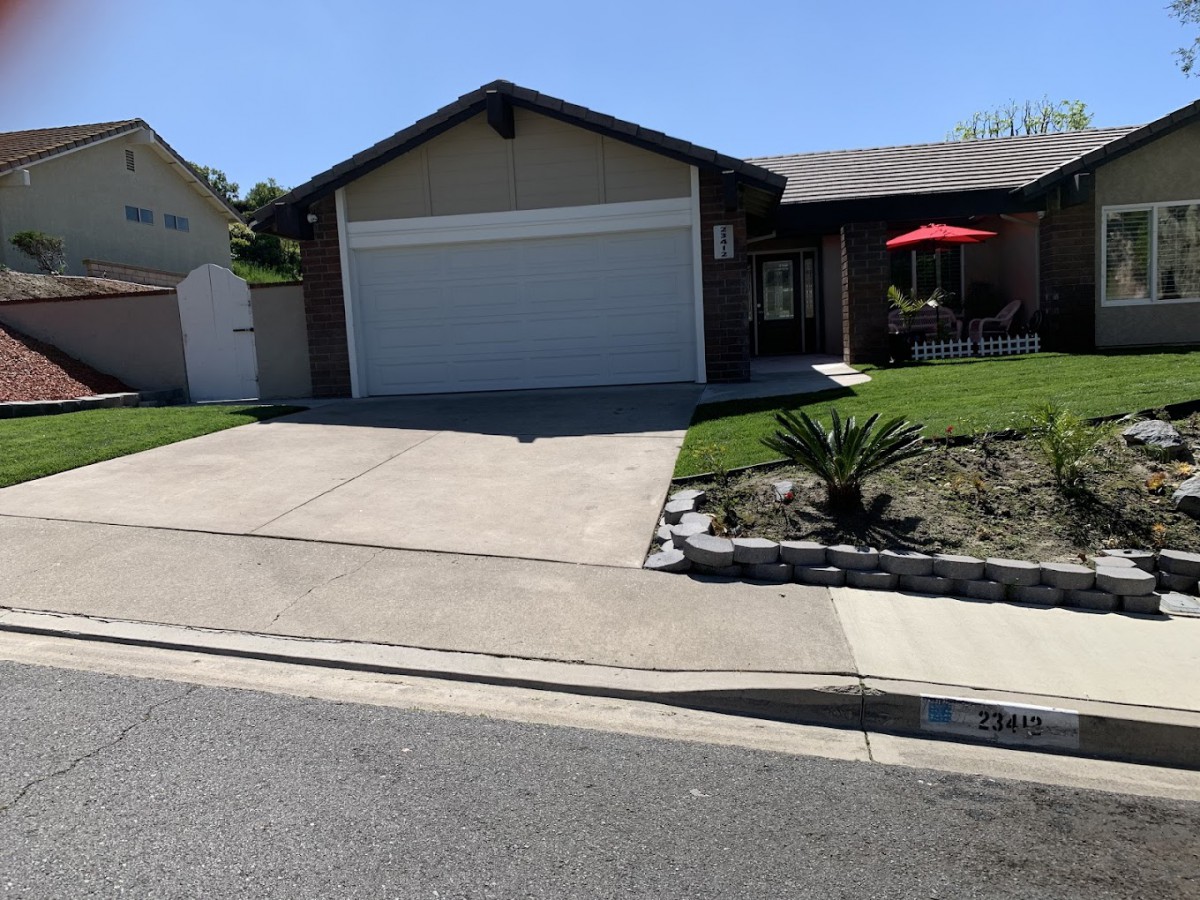
23412 Via Guadix, Mission Viejo, CA 92691
For more information about senior living options: (866) 208-4318
Overall Review of Respit Manor Mission Viejo
Pros
 The staff here has been amazing in all forms of her rehabilitation and wellness care.
- Mark Mendez manages and owns this facility.
- His staff is friendly, attentive and knowledgeable.
- Healthy meals are served.
- The facility is immaculate.
- The facility is highly recommended.
Review
Respit Manor Mission Viejo is best suited for families needing a skilled post-acute recovery environment where a loved one can regain strength after a major illness. The community centers rehabilitation and wellness care, delivered by a team described as friendly, attentive, and knowledgeable. Leadership is visible and responsive, with Mark Mendez actively involved in day-to-day care decisions. The setting supports recovery through a clean, well-kept campus and nutritious meals, creating the practical conditions necessary for progress. In short, this is a confident bridge from hospital to home for someone who benefits most from focused rehab and steady, hands-on support.
Those evaluating options should recognize that this facility’s strengths come with a particular scope. If long-term custodial care, advanced memory support, or a broad menu of social programming are essential, alternatives may be more appropriate. The available feedback concentrates on post-acute rehab and wellness rather than ongoing chronic care or memory-specific services, and the sample size is small. Prospective families will want to visit to confirm fit and to see firsthand whether the program’s rhythm and resources align with a loved one’s anticipated needs and care expectations.
The strongest positives lie in the care team and leadership. The reviews paint a picture of staff who are not only friendly and attentive but also genuinely knowledgeable, with Mark Mendez providing accessible, responsive supervision. That level of leadership matters deeply when therapy plans change or milestones appear off-track, because timely oversight can keep recovery on schedule. Coupled with nutritious meals and a meticulously maintained environment, this combination reduces avoidable stress and supports adherence to rehabilitation plans. These elements collectively offset the risk of a fragile recovery by delivering reliability and visible accountability.
The practical benefits extend beyond bedside manners. A healthy, orderly dining environment and a spotless facility are not mere niceties; they support appetite, digestion, and participation in therapy, each a concrete factor in whether mobility and strength improve quickly. When residents engage in rehabilitation on stable footing, clear routines, consistent staffing, and hygienic surroundings, the probability of meaningful progress rises. For families, this translates into fewer disruptions, more predictable discharge timing, and greater confidence that the recovery trajectory is being managed with competence.
Yet, the small number of published impressions warrants cautious consideration. Two positive reviews, while encouraging, do not substitute for a comprehensive texture of outcomes across varied needs. Families should approach with a plan: tour the campus, meet the therapy team, and ask for concrete examples of rehabilitation goals met and discharge outcomes. Verify whether the program can accommodate anticipated lengths of stay, potential setbacks, and what happens if recovery stalls or if ongoing care becomes necessary. It is prudent to explore whether memory care, financial transparency, or extended programming can be layered in if those needs emerge.
From a decision-making standpoint, Respit Manor Mission Viejo presents a compelling fit for families prioritizing a well-staffed rehab pathway with engaged leadership, a clean environment, and nourishing meals. If the goal is a dependable, recovery-focused setting that minimizes friction during the healing process, this community stands out. For families whose priorities include long-term custodial care, dementia-specific services, or expansive social programming, alternatives deserve parallel consideration. A disciplined approach, tour, discuss therapy outcomes, confirm discharge planning, and clarify ongoing care options, will reveal whether this match aligns with the loved one’s anticipated recovery trajectory.
 6 resident community capacity
 Assisted Living
 Cable or satellite TV
 Dining room
 Fully furnished
 Garden
 Housekeeping services
 Move-in coordination
 Outdoor space
 Telephone
 Wi-Fi/high-speed internet available
 John Wayne Orange Co (13 miles away)
 24-hour supervision
 Activities of daily living assistance
 Assistance with bathing
 Assistance with dressing
 Assistance with transfers
 Diabetes diet
 Meal preparation and service
 Medication management
 Special dietary restrictions
 Transportation arrangement (medical)
 Transportation to doctors appointments






 8 Key Indicators That Suggest It May Be Time to Transition from Assisted Living to Skilled Nursing Care
 Vibrant Senior Living: A Comprehensive Guide for Active Older Adults
 When to Transition from Assisted Living to Memory Care: Key Indicators, Steps, and Finding the Right Community