
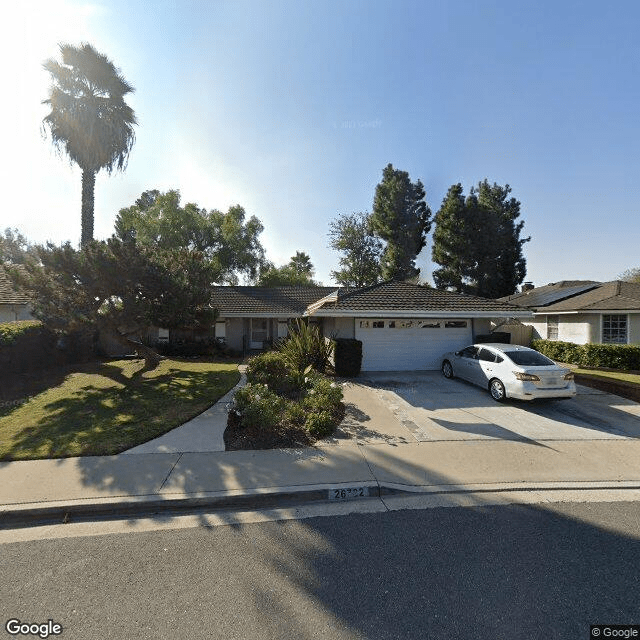
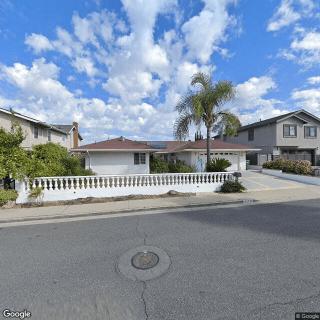
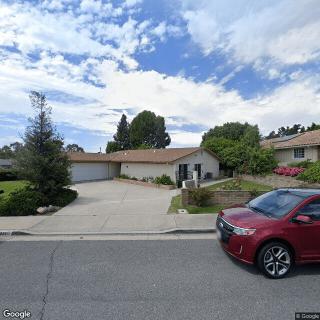
26722 Pepita, Mission Viejo, CA 92691
For more information about senior living options: (866) 208-4318
Irvine Cottage 7 Costs & Pricing
Irvine Cottage 7 offers competitive pricing for various room types compared to the broader market in Orange County and California. For a semi-private room, residents can expect to pay $5,300 per month, which is significantly higher than the county average of $3,431 and the state average of $3,333. In terms of one-bedroom accommodations, Irvine Cottage 7's rate of $6,400 aligns closely with the county's average of $4,380 and slightly surpasses the state's average of $4,340. Interestingly, for private rooms, Irvine Cottage 7 maintains a consistent rate of $6,400 - a figure that is notably higher than both the county average ($4,104) and the state average ($3,939). This pricing structure suggests that while Irvine Cottage 7 positions itself as a premium option within the region, it also reflects the specific amenities and services that may justify these higher rates for discerning residents seeking quality care.
| Floor plans | Irvine Cottage 7 | Orange County | California |
|---|---|---|---|
| Semi-Private | $5,300 | $3,431 | $3,333 |
| 1 Bedroom | $6,400 | $4,380 | $4,340 |
| Private | $6,400 | $4,104 | $3,939 |
Memory care communities with a similar price nearby
-
from -$800 / mo

Casa Bella
$4,500 / month19.3 miles away -
from -$800 / mo

Blessings Senior Care
$4,500 to $5,500 / month24.4 miles away -
from -$800 / mo
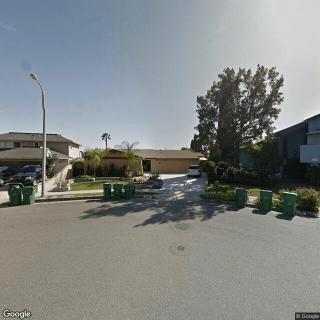
Adriana Elderly Care Home I
$4,500 / month2.0 miles away -
from +$185 / mo

Park Terrace
$5,485 to $6,850 / month5.4 miles away -
from -$460 / mo
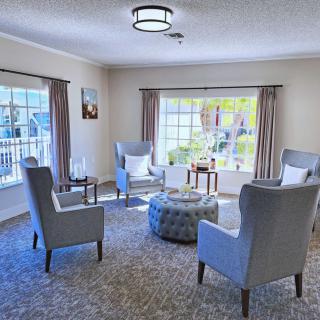
Crescent Landing at Santa Ana Memory Care
$4,840 to $6,825 / month15.6 miles away
Overall Review of Irvine Cottage 7
Pros
 The staff were very attentive and listened to and supported the resident's father.
- The staff accommodated the resident's mother's daily visits.
- The room was cleaned daily and the resident received daily grooming.
- The son would highly recommend this facility.
Review
Irvine Cottage 7 in Mission Viejo is best suited for families that place a premium on hands-on, attentive daily care and the comfort of a visitation-friendly environment. The one reviewed experience centers on staff who listened closely to a resident’s needs, supported family members with regular visits, and maintained a clean, orderly living space with consistent grooming. This combination suggests a culture of responsiveness where a parent can expect to be attended to with dignity and regular human contact, while relatives feel welcomed to drop by without fuss. It’s a setting that reinforces reassurance for households prioritizing personal attention.
Those weighing alternatives should keep in mind that Irvine Cottage 7 may not be the best fit for situations requiring higher medical oversight, memory-care specialization, or more intensive clinical services. If a senior’s needs lean toward dementia care, frequent skilled-nurse intervention, or structured, program-rich days that go beyond light staff-assisted routines, other communities with dedicated memory-care wings or larger care teams may deliver a closer match. Families should also compare cost structures and long-term financial planning, since robust staff interaction does not automatically translate into the most cost-effective option for every situation.
The core strength lies in the staff’s attentiveness: caregivers are described as listening and supporting, with a willingness to accommodate family involvement, an essential factor for peace of mind. Daily visits being facilitated means no family member is forced to negotiate with barriers to see their loved one, which can dramatically reduce stress for both residents and relatives. Clean rooms and daily grooming point to a baseline of personal hygiene and facility maintenance that many families equate with safety and comfort. Taken together, these operational habits create a living environment where residents are seen, touched, and attended to with regularity.
Even in a single positive review, the absence of stated downsides should be weighed against practical realities. The most compelling offset is how responsive staff can offset concerns about isolation or neglect; family access diminishes worries about being cut off. The downside risk, not captured in the review, would be if medical needs rise, if there is confusion about who provides what level of care, or if the frequency of grooming and room upkeep cannot be sustained over time. In short, the pro-staff dynamic is a strong offset, but families should still verify clinical capabilities, emergency protocols, and the scope of daily care provided.
When evaluating Irvine Cottage 7, prospective residents should schedule multiple visits at different times to observe staff interactions, ask to meet the director, and request a sample daily schedule. Inquire about how grooming is handled across shifts, how cleanliness is audited, and how family members coordinate visits with staff. Request transparent information on meal quality, activity options, and how residents’ medications are managed. It is also wise to discuss how the community handles transitions when care needs escalate and what partnerships exist with local medical providers, to ensure the model aligns with long-term expectations.
For families prioritizing a warm, visit-friendly environment with consistently attentive staff and meticulous daily care, Irvine Cottage 7 offers a compelling fit. It shines where personal contact and honor of family involvement matter most. Yet for those whose loved ones require more intensive clinical supervision, or a formal memory-care framework, alternatives with broader medical staffing or dementia programming should be considered. The prudent path is to validate the staffing model, tour three times, and compare with at least one other nearby option to ensure the chosen community can evolve with the resident’s needs while preserving the family’s involvement and peace of mind.
 6 resident community capacity
 Assisted Living
 Board and Care Home
 Memory Care
 Respite Care
 Cats allowed
 Dogs allowed
 Activities off-site
 Beautician on-site
 Cable or satellite TV
 Dining room
 Fully furnished
 Garden
 Housekeeping services
 Indoor common areas
 Move-in coordination
 Outdoor common areas
 Private
 Private bathrooms
 Telephone
 Wheelchair accessible showers
 Wi-Fi/high-speed internet available
 John Wayne Orange Co (13 miles away)
 24-hour supervision
 Assistance with bathing
 Assistance with dressing
 Assistance with transfers
 Diabetes diet
 High acuity care
 Incontinence care
 Meal preparation and service
 Medication management
 Special dietary restrictions
 Transportation arrangement (medical)
 Transportation to doctors appointments




 Are Dementia and Alzheimer's Disease Lethal? A Comprehensive Exploration
 Exploring the Power of Reminiscence Therapy for Individuals With Dementia
 An In-Depth Look at Reminiscence Therapy in Dementia Care