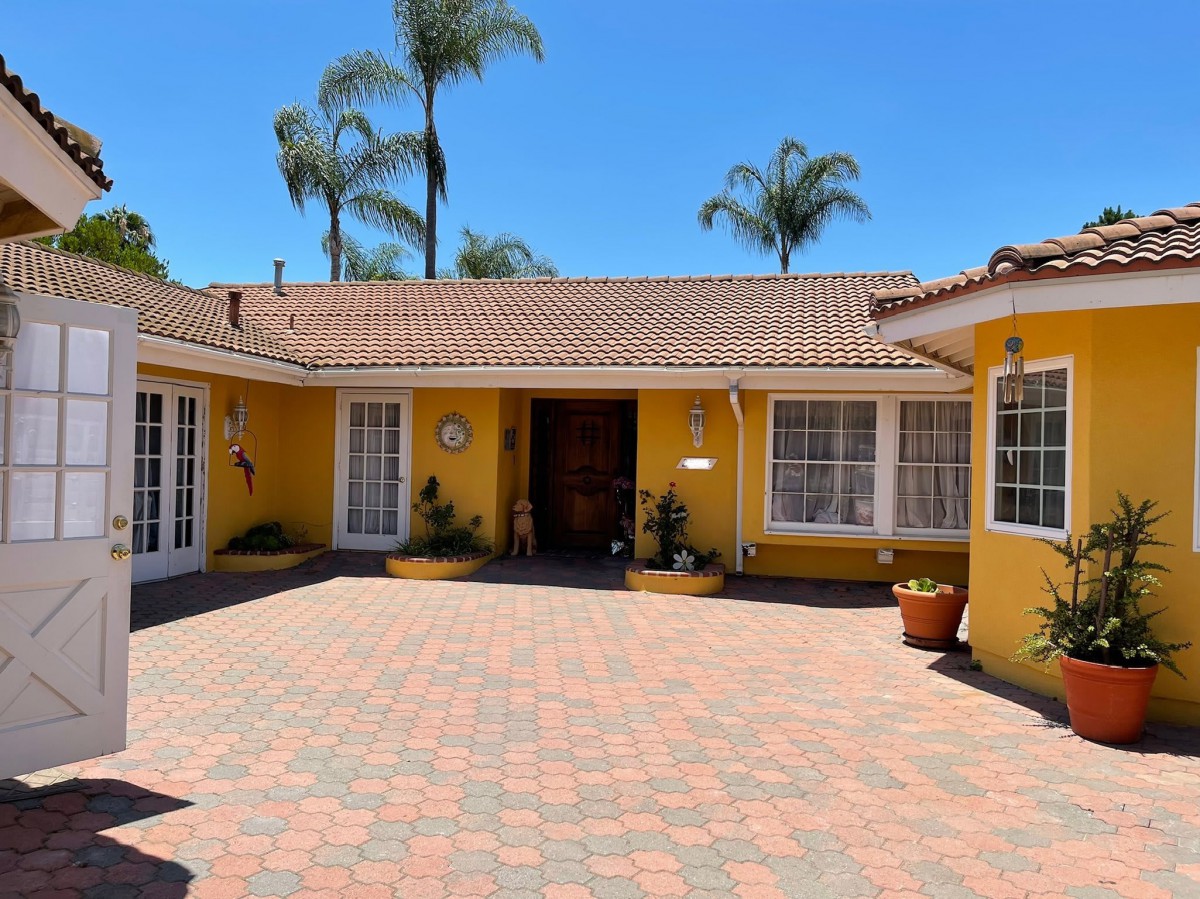
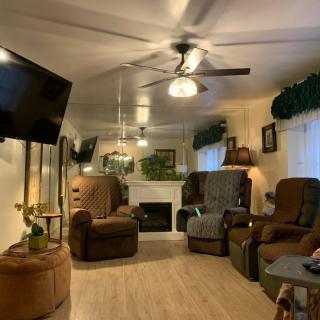

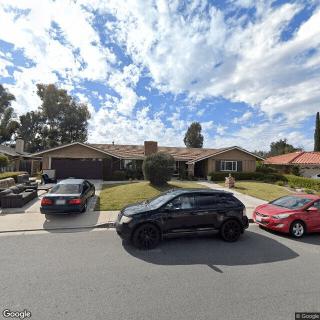
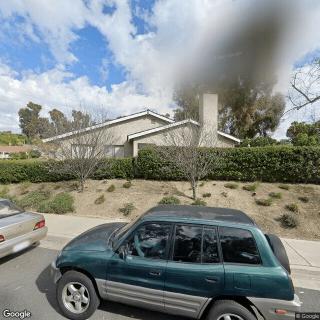
25735 Cervantes Ln, Mission Viejo, CA 92691
To contact a resident: (949) 492-3532
For more information about senior living options: (866) 208-4318
Goodmornings Home Care Costs & Pricing
Goodmornings Home Care offers competitive pricing for its private and one-bedroom accommodations, set at $5,000 per month. While this rate is higher than the averages observed in both Orange County and California, where private rooms are priced at approximately $4,104 and $3,939 respectively, Goodmornings provides specialized care that many families find invaluable. In comparison to a one-bedroom unit in Orange County at around $4,380 and statewide at about $4,340, Goodmornings maintains parity while emphasizing quality services tailored to meet individual needs. This investment reflects the commitment to delivering exceptional care in a supportive environment.
| Floor plans | Goodmornings Home Care | Orange County | California |
|---|---|---|---|
| Private | $5,000 | $4,104 | $3,939 |
| 1 Bedroom | $5,000 | $4,380 | $4,340 |
Memory care communities with a similar price nearby
-
from -$500 / mo
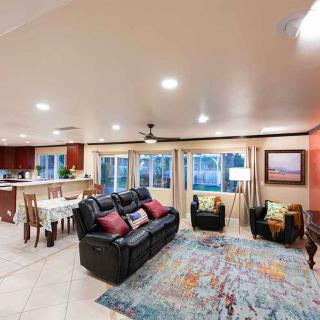
Casa Bella
$4,500 / month19.3 miles away -
from -$500 / mo
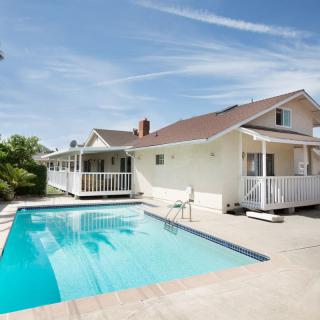
Blessings Senior Care
$4,500 to $5,500 / month24.3 miles away -
from -$500 / mo
Adriana Elderly Care Home I
$4,500 / month2.0 miles away -
from +$485 / mo

Park Terrace
$5,485 to $6,850 / month5.8 miles away -
from -$160 / mo
Crescent Landing at Santa Ana Memory Care
$4,840 to $6,825 / month15.4 miles away
Overall Review of Goodmornings Home Care
Pros
 The owner of Goodmornings Home Care and her staff are wonderful people.
- They take great care of the people that live at the board and care.
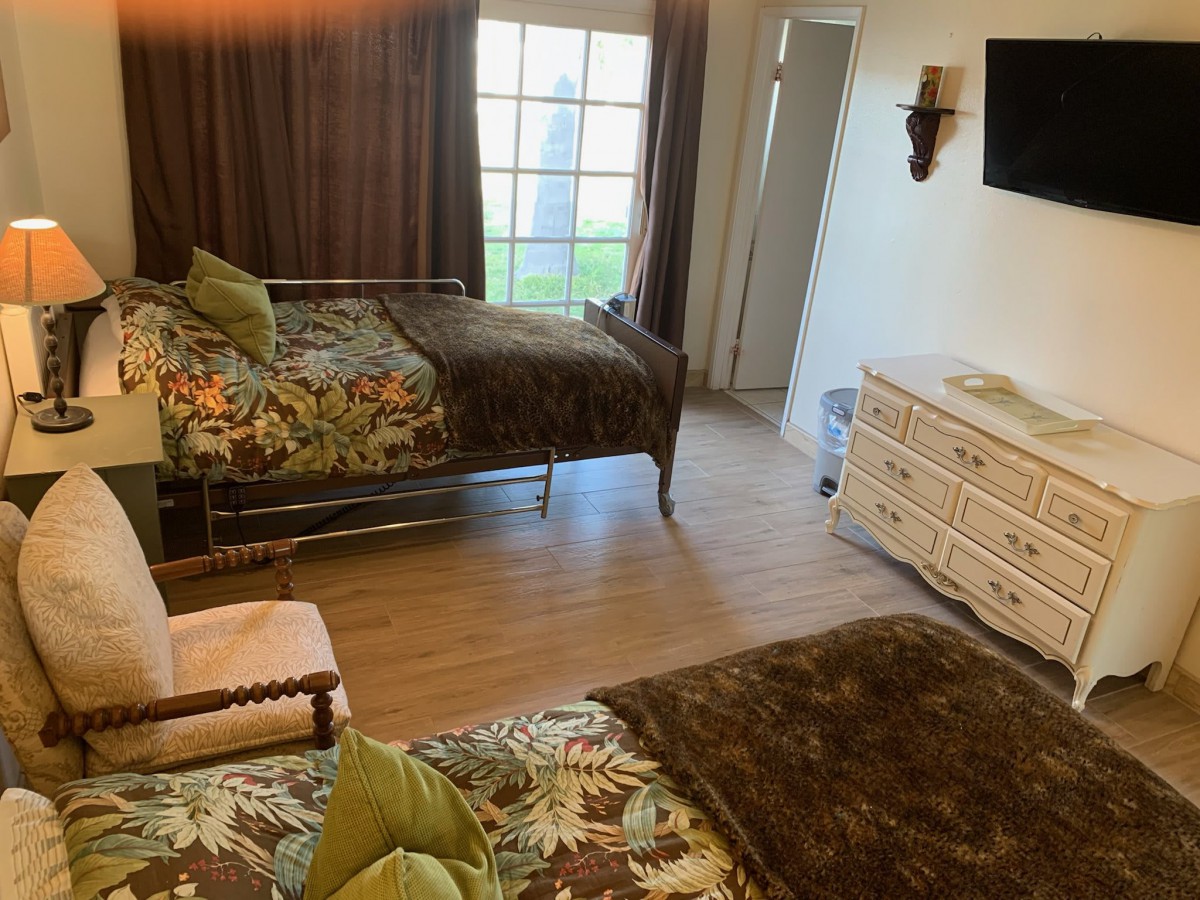
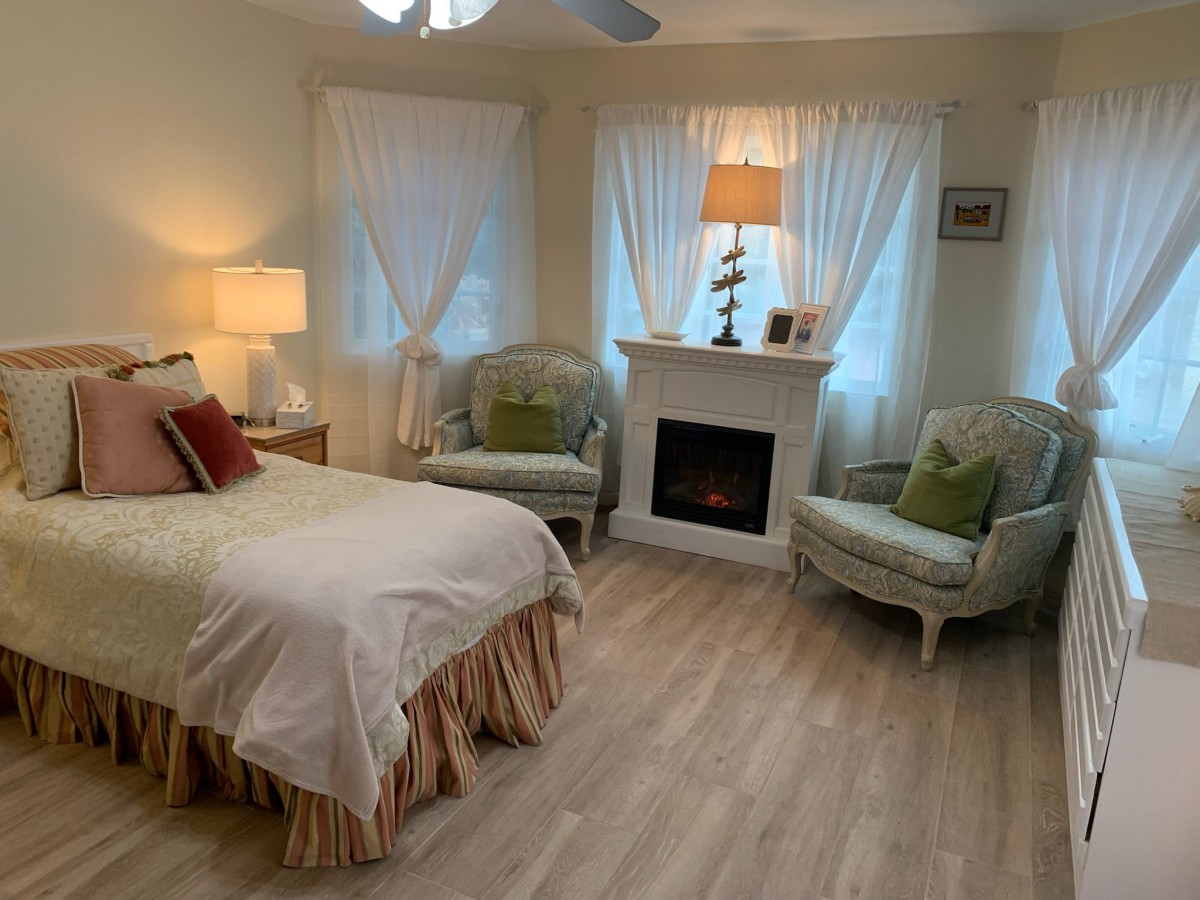
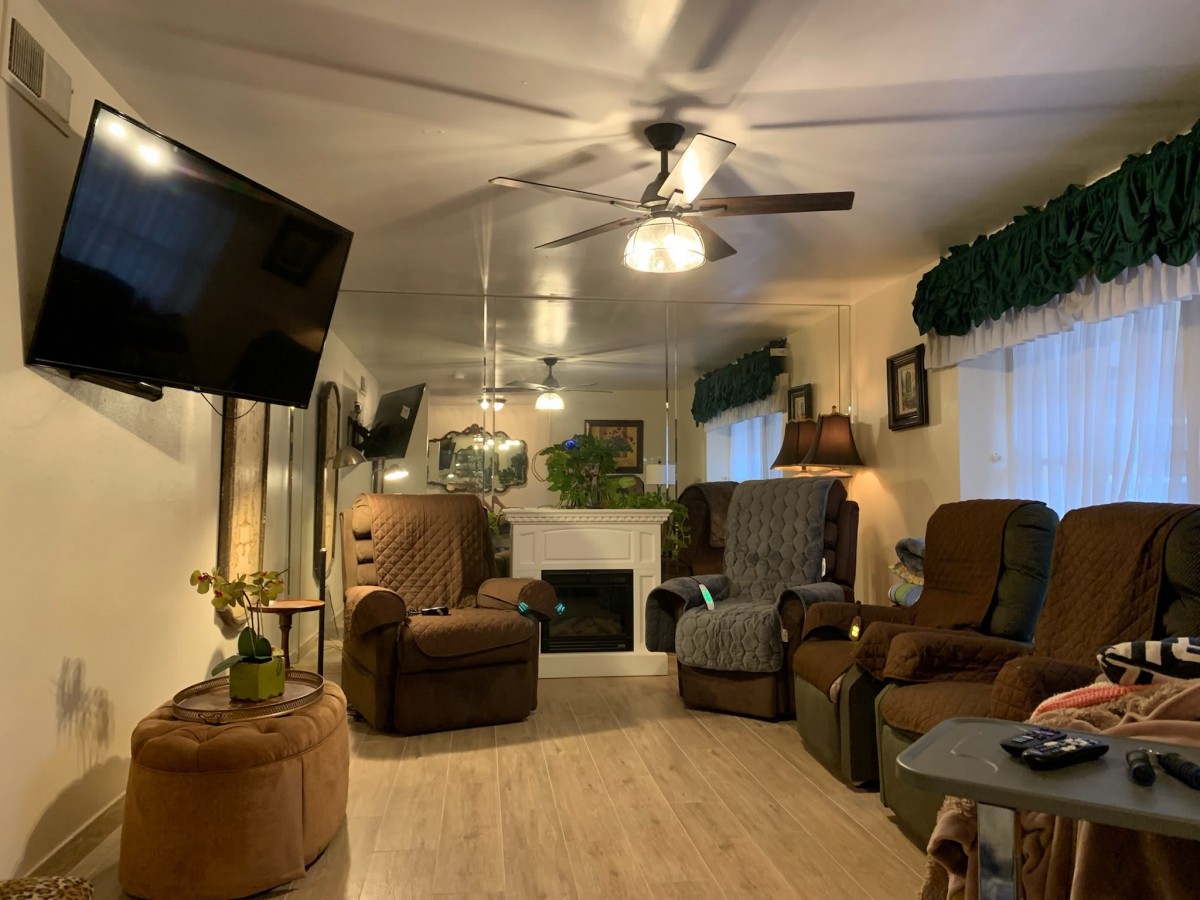
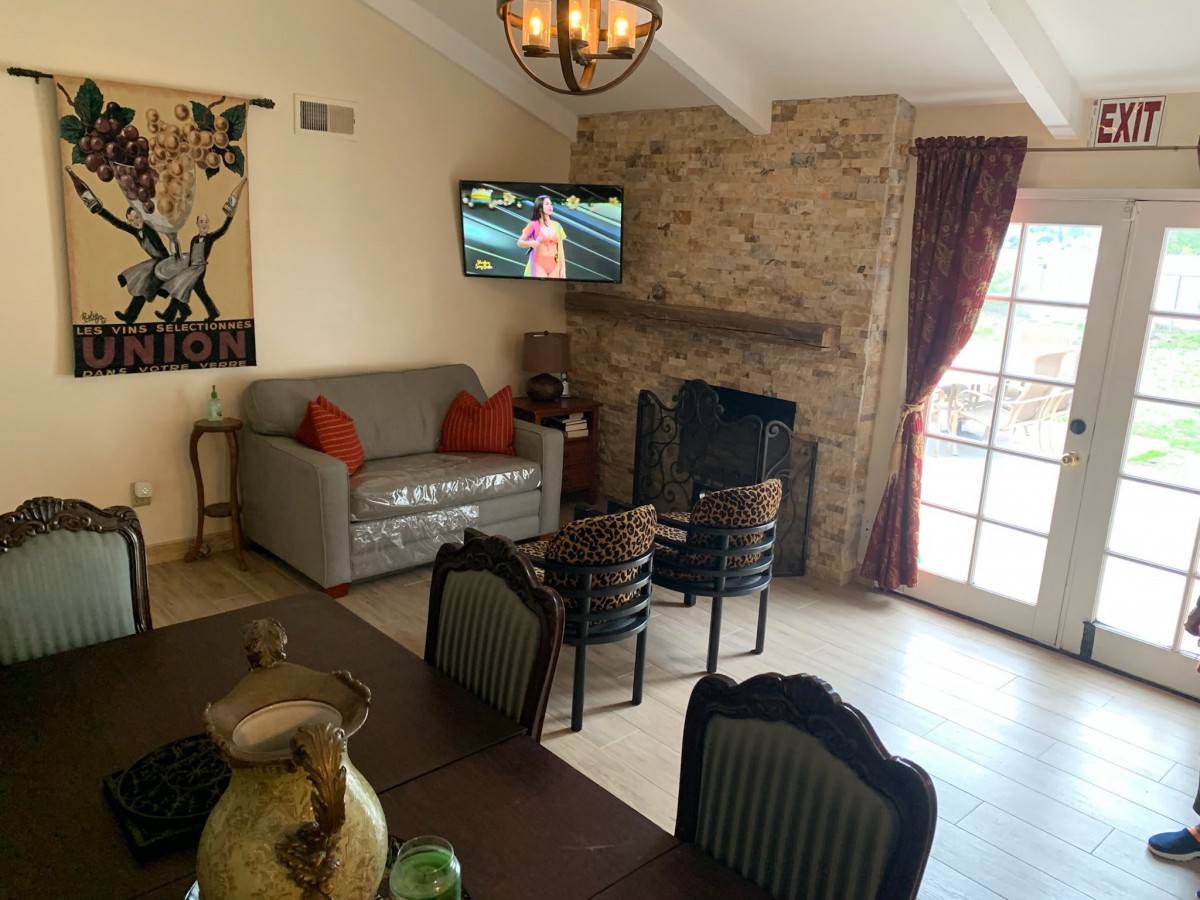
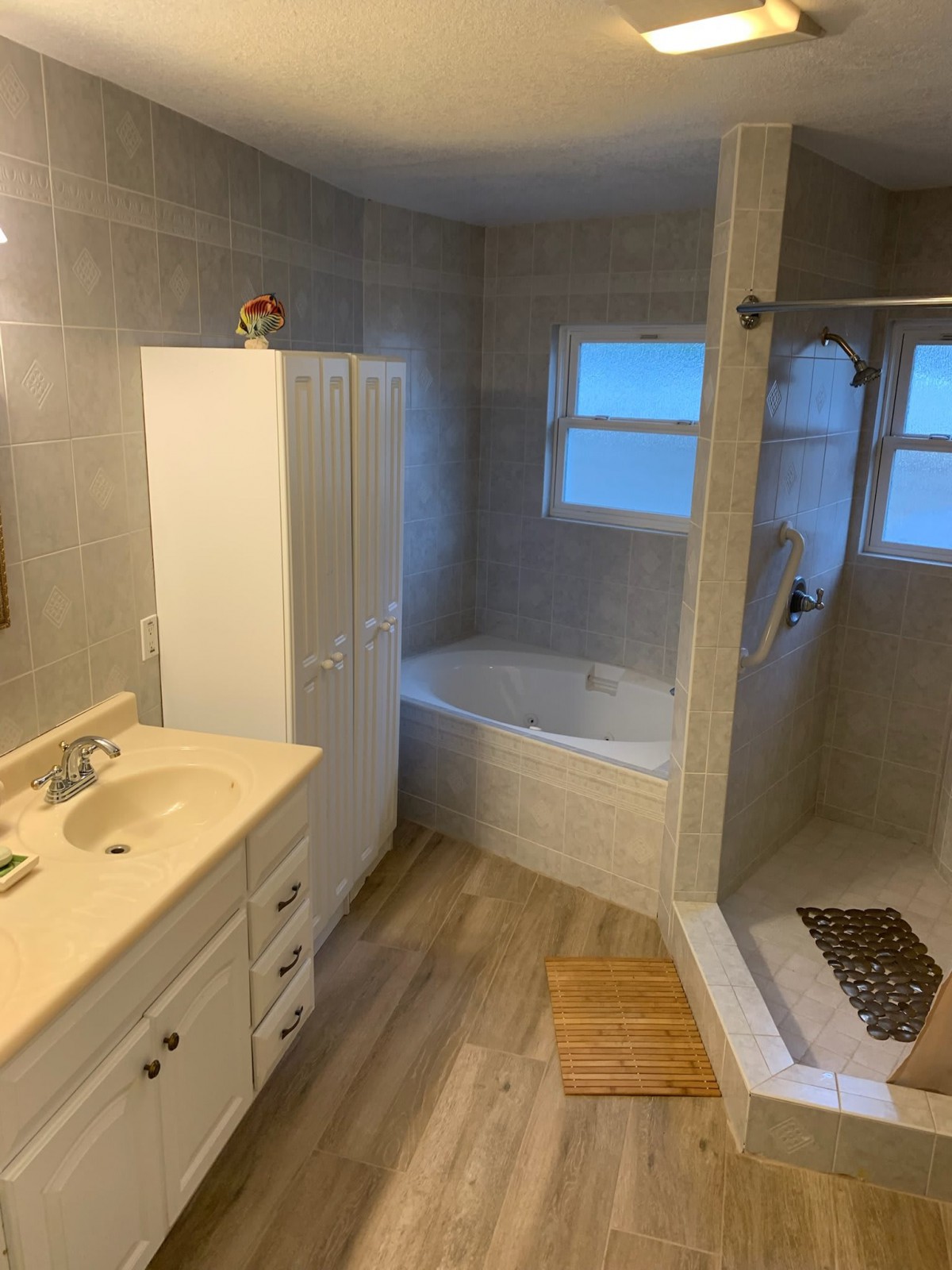
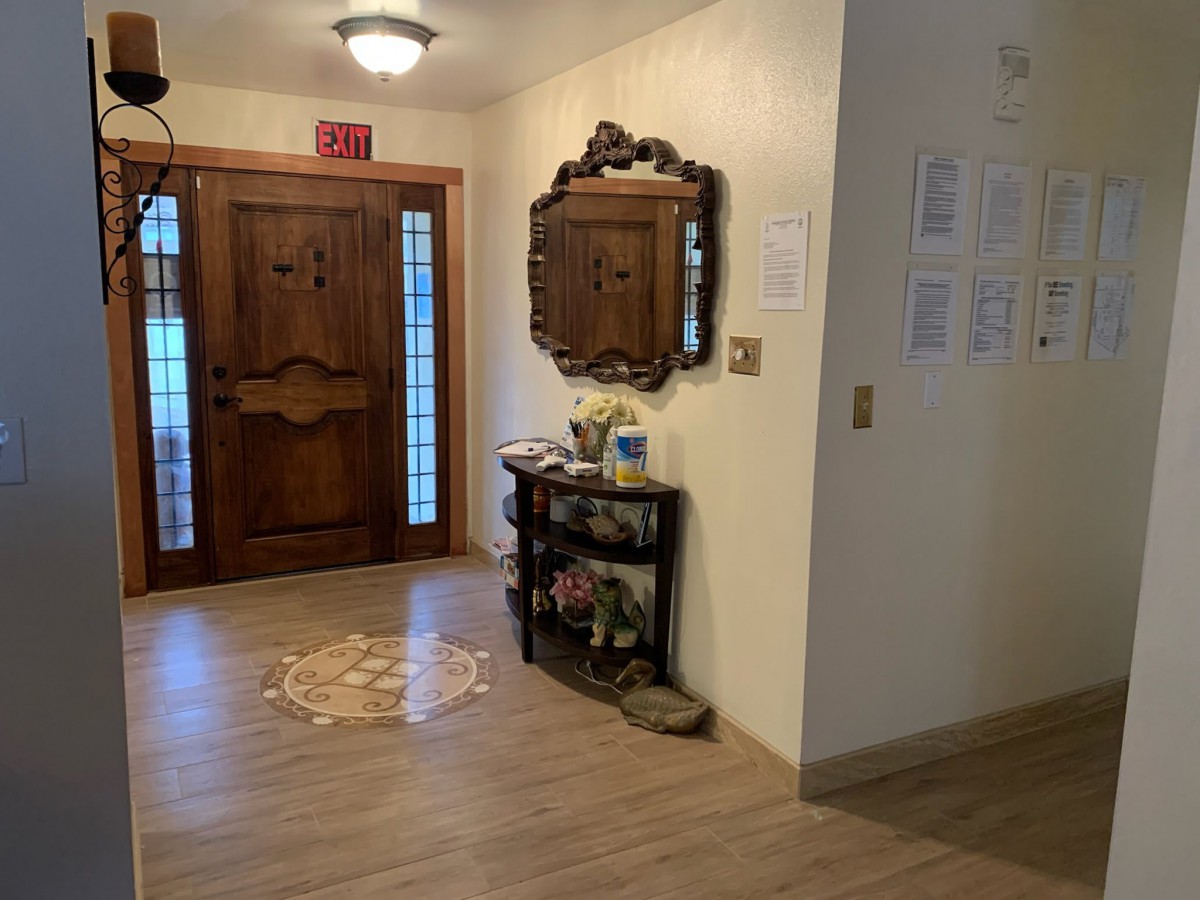
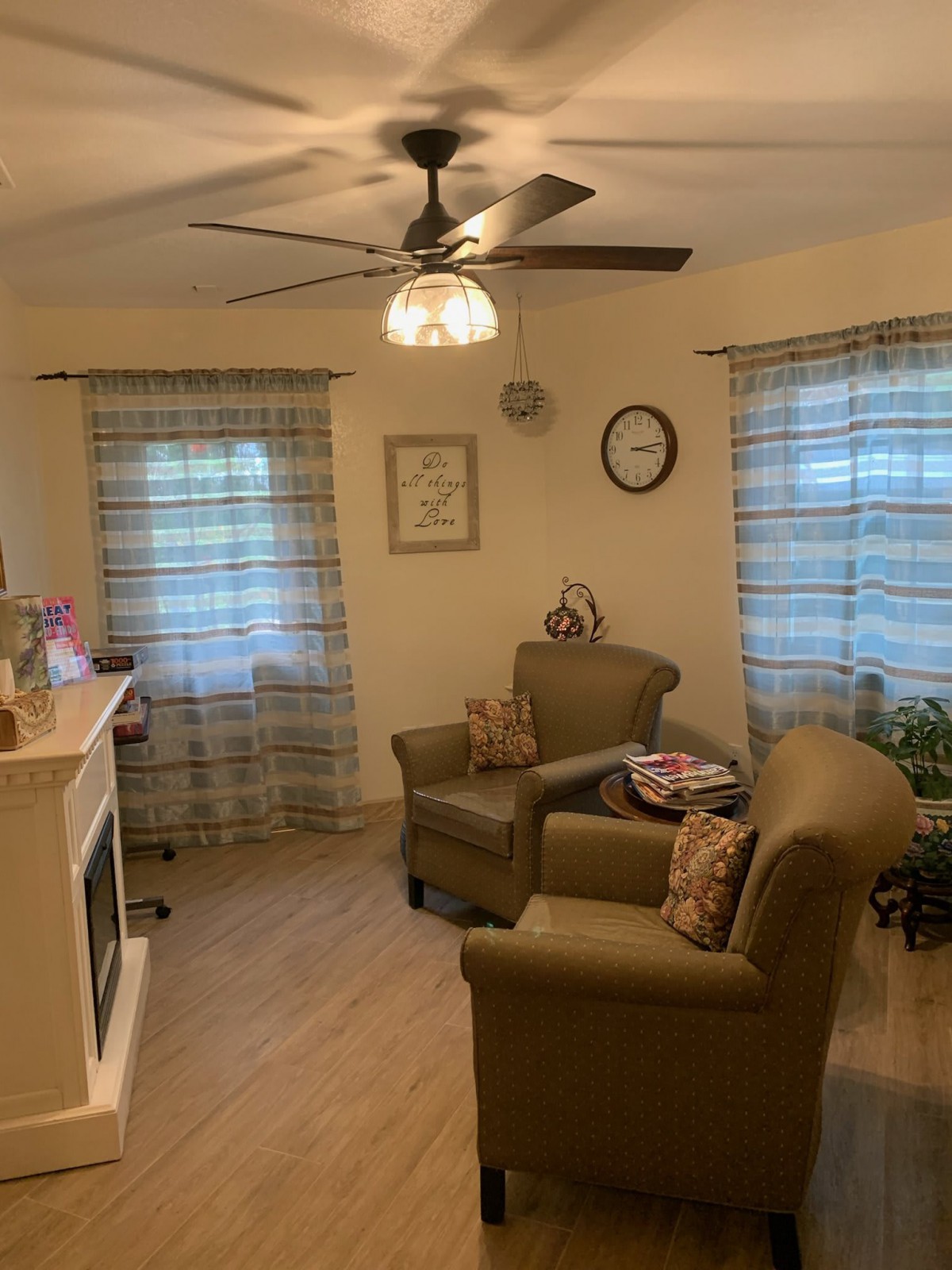
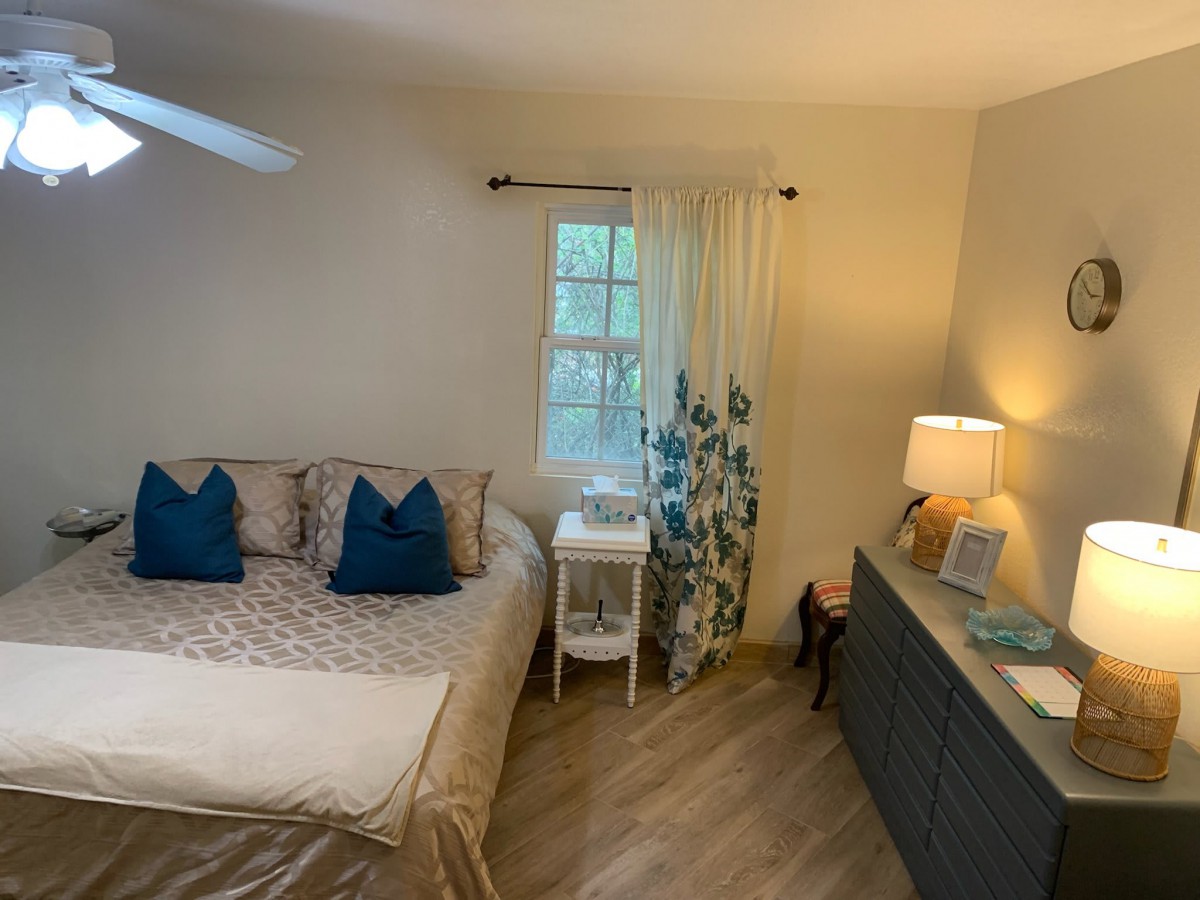
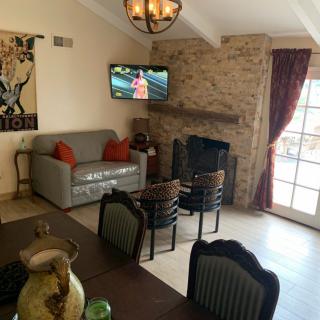
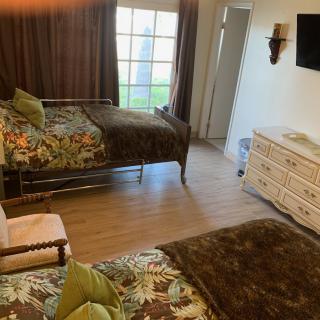
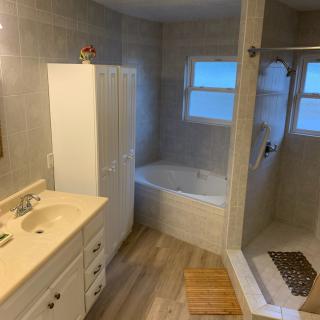
- The house is beautiful and very clean.
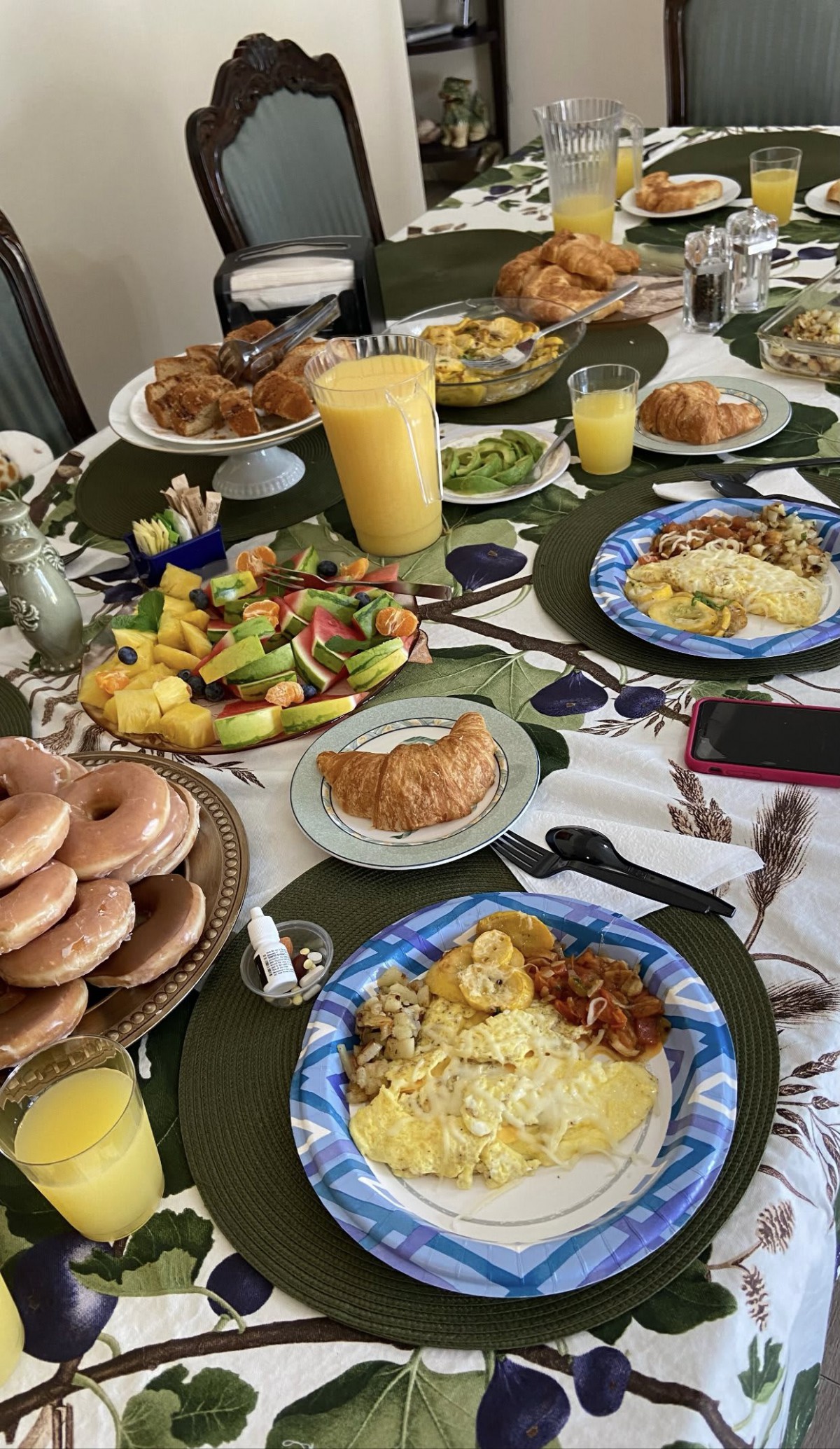
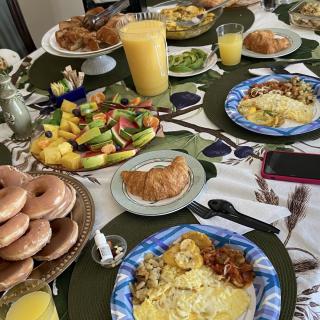
- The food is delicious.
Cons
 The mom stayed only 3.5 months because it wasn’t working out.
- There is no awake night staff.
- They are not organized with medication.
- They did not communicate the issue to the family.
Review
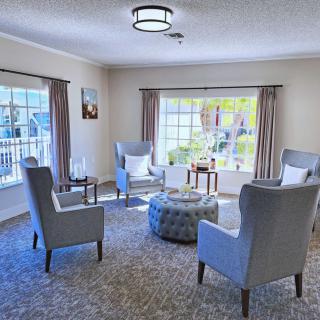
This community is best suited for seniors who crave a warm, home-like setting with a small, intimate staff and strong personal attention from caregivers. It works well for residents who value a clean, beautiful house, reliable daily meals, and relationships with caregivers who genuinely care about their well-being. In short, Goodmornings Home Care is a fit for families prioritizing atmosphere, comfort, and human connection over rigid medical systems.
Families should explicitly consider alternatives if 24/7 awake staffing, meticulous medication management, and proactive, timely communication about every issue are non-negotiable. For residents who require consistent nocturnal monitoring, urgent response to medical concerns, or a highly structured, nurse-led care plan, larger assisted living settings with licensed medication administration and on-call medical support will usually serve them better. If a sense of safety at all hours and rapid crisis communication is paramount, this option may not satisfy those needs.
The strongest positives here, the owner and staff who are described as wonderful, the home’s beauty and cleanliness, and the quality of meals, tend to translate into daily life that feels reassuring and uplifting. Those benefits matter deeply for emotional well-being, social interaction, and daily morale. A resident who thrives on genuine, person-to-person care and a sense of belonging in a small community will likely experience meaningful, day-to-day satisfaction because caregivers are accessible, know the resident’s preferences, and create a comfortable routine.
However, the main drawbacks cannot be ignored and tend to define the ceiling of what this setting can responsibly provide. The absence of awake night staff creates real safety gaps for nocturnal incidents or sleep-related concerns, and it raises the risk profile for anyone prone to wandering, falls, or nocturnal confusion. In addition, medication management appears inconsistent, which can undermine health, adherence, and trust with family members who rely on timely and accurate dosing. When issues arise, the reported communication gaps further erode confidence and complicate crisis management. These are not minor irritants; they are core drivers of risk and distress in a care-transition.
Pro, con, and risk must be weighed together: the homelike atmosphere and caregiver warmth can offset some declining quality-of-life factors, but only if medical needs stay modest and family or outside providers can fill the oversight gaps. For residents who are fairly independent, require less intensive clinical support, and prize daily companionship and good meals, Goodmornings can offer a reassuring, pleasant home environment. For those with higher medical needs, or whose families insist on airtight, 24/7 monitoring and rapid, transparent updates, the cons outweigh the pros. Prospective families should demand concrete answers about night coverage, medication processes, and escalation protocols, and should seek references from current residents or families who can attest to ongoing communication and safety. If the fit is right, proceed with a structured trial period and a clear, documented plan for medical oversight and family communication.
 Board and Care Home
 Memory Care
 Cats allowed
 Dogs allowed
 Activities off-site
 Air-conditioning
 Bath tubs
 Cable or satellite TV
 Fireplaces
 Ground floor units
 Handicap accessible
 Private
 Respite or short term stays offered
 Wheelchair accessible showers
 Wi-Fi/high-speed internet available
 John Wayne Orange Co (13 miles away)
 Diabetic care
 High acuity care
 Incontinence care
 Medication management
 Gluten-free
 BBQs or picnics
 Birthday parties
 Cards / pinochle club
 Choir / singing club
 Day trips and outings
 Gardening club
 Karaoke
 Light therapy programs
 Live musical performances
 Trivia games
 Walking club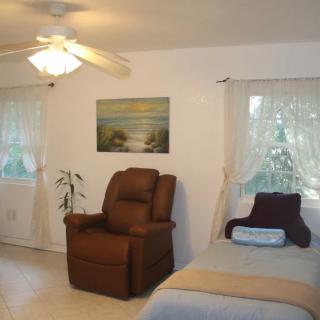


 Understanding Dementia Through Its Seven Stages: A Comprehensive Look at Progression and Expectations
 A Holistic Dementia Care Guide: Effective Strategies for Memory Support
 Comprehensive Insights into Activities of Daily Living (ADLs) and Their Assessment