624 Cypress Ave, Millbrae, CA 94030
To contact a resident: (650) 678-1699
For more information about senior living options: (866) 208-4318
Golden Age Retirement Home Costs & Pricing
Golden Age Retirement Home offers private rooms at a monthly rate of $6,950, which significantly exceeds both the county average of $4,281 for San Mateo County and the state average of $3,939 for California. This premium pricing reflects not only the quality of care and amenities provided at Golden Age but also positions it as a more exclusive option in the local senior living landscape. While residents may find this investment worthwhile for the personalized services and superior environment, it is essential to consider how these costs align with budgetary expectations when exploring retirement living options in the region.
| Floor plans | Golden Age Retirement Home | San Mateo County | California |
|---|---|---|---|
| Private | $6,950 | $4,281 | $3,939 |
Senior living communities with a similar price nearby
-
from -$1150 / mo

East West Care
$5,800 / month13.5 miles away -
from +$950 / mo
Coterie Cathedral Hill
$7,900 to $15,100 / month12.0 miles away -
from +$1000 / mo

Sunrise of San Mateo
$7,950 to $10,710 / month6.1 miles away -
from -$1250 / mo
Sunrise of Burlingame
$5,700 to $9,000 / month1.8 miles away -
from -$950 / mo

Palm Villas
$6,000 to $12,000 / month14.8 miles away
Overall Review of Golden Age Retirement Home
Pros
 Golden Age is a very clean community.
- The staff are wonderful and provide the best care.
- The staff do really hard work, making every penny worth it.
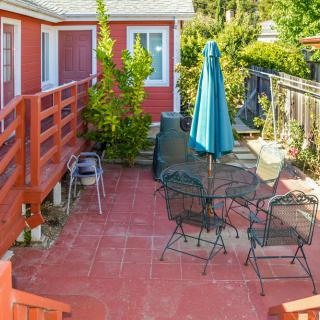
- When the weather is nice, staff take residents out on the patio, and the radio is playing.
- The owner explains things clearly and is very helpful.
- The family feels blessed to have found this place.
- The owner has been exceptionally accommodating in meeting residents' needs.
- The house is tidy and well kept.
- It is in a nice location and is a safe environment.
- The director is outstanding.
Cons
 The activities are still a little limited.
- The facility is expensive.
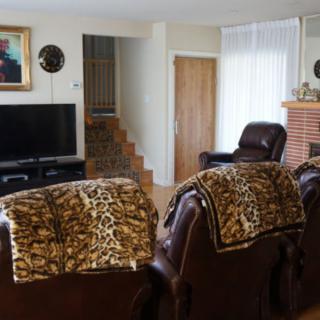
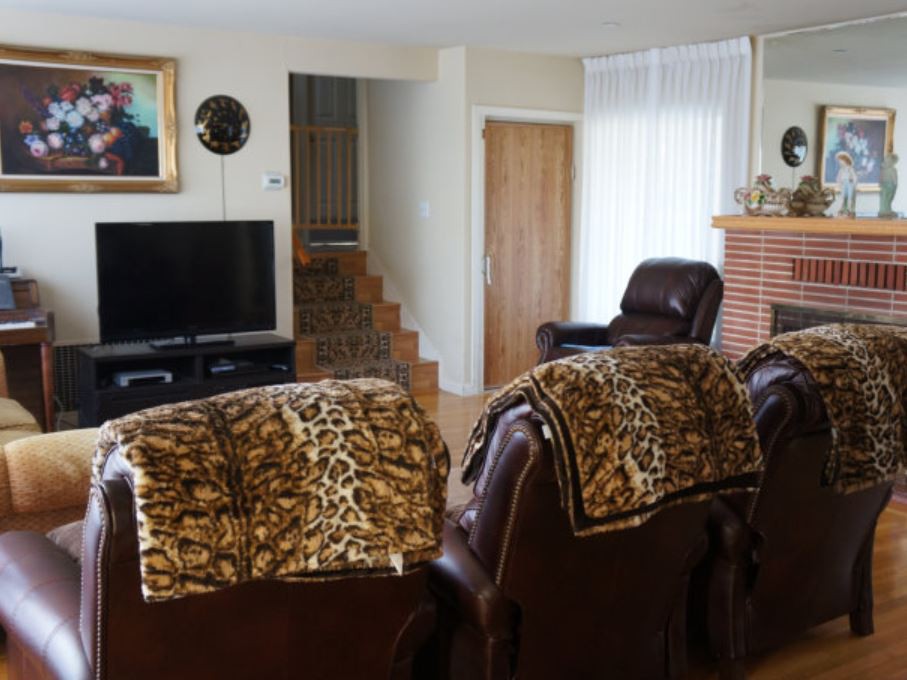
- One area for improvement is the activities, as the residents spend most of their time sitting around watching television.
- There is a lack of activities.
- There is no transportation provided; the facility is not suitable.
Review
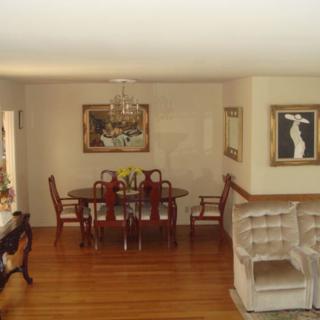
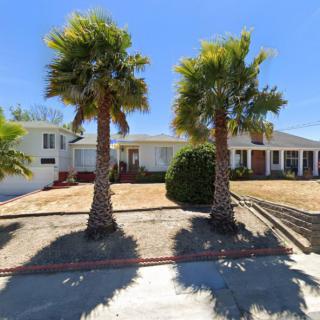
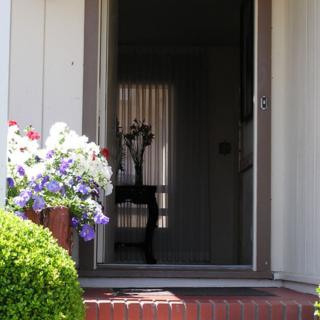
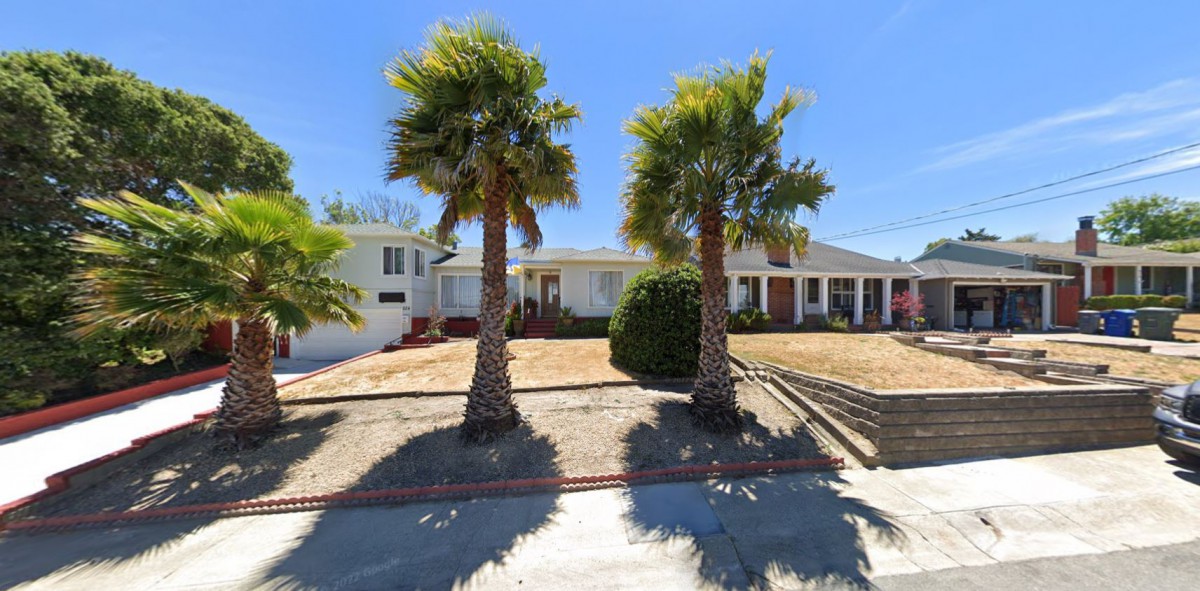
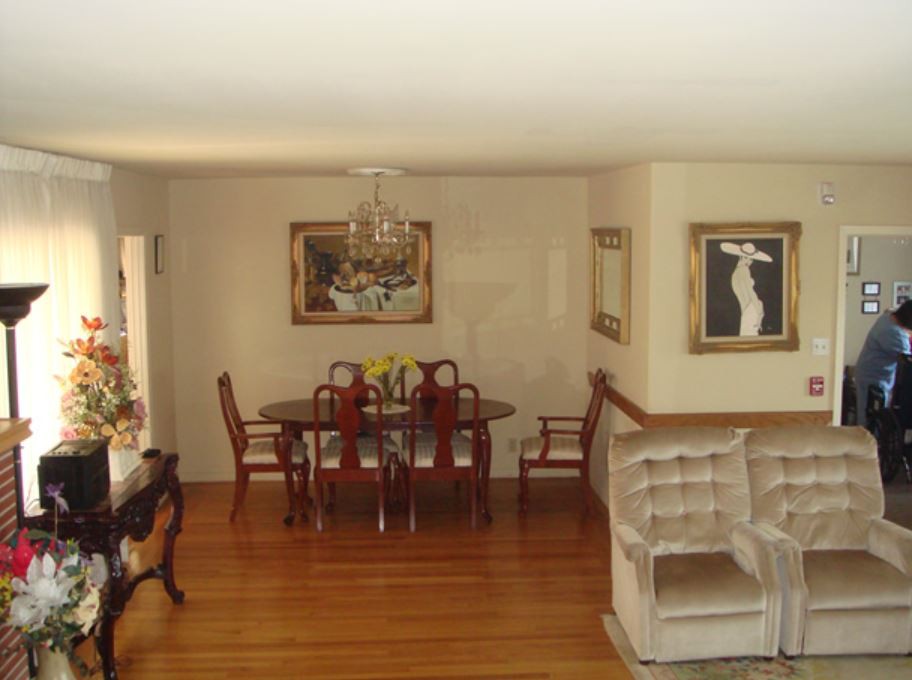
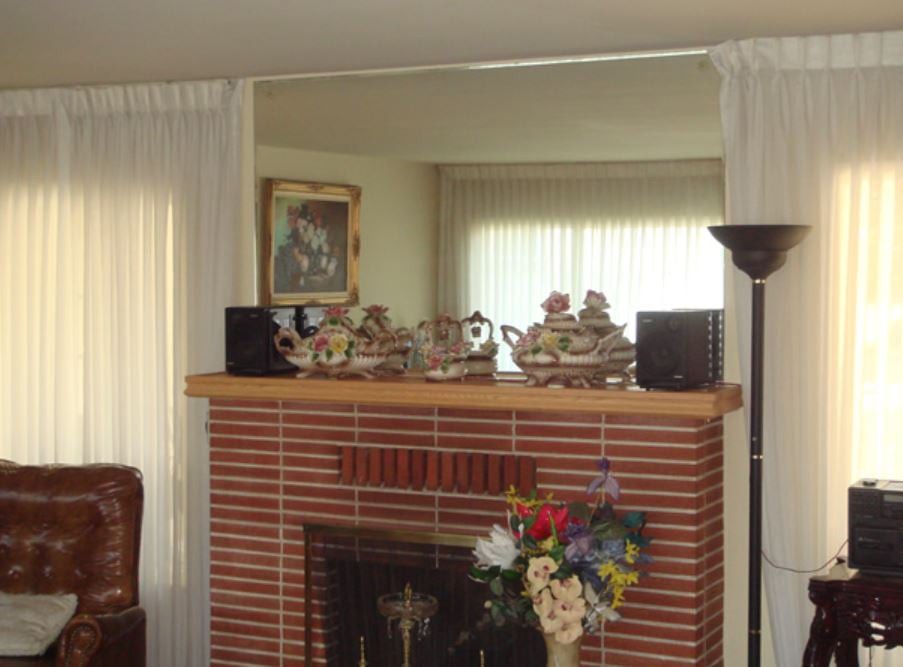
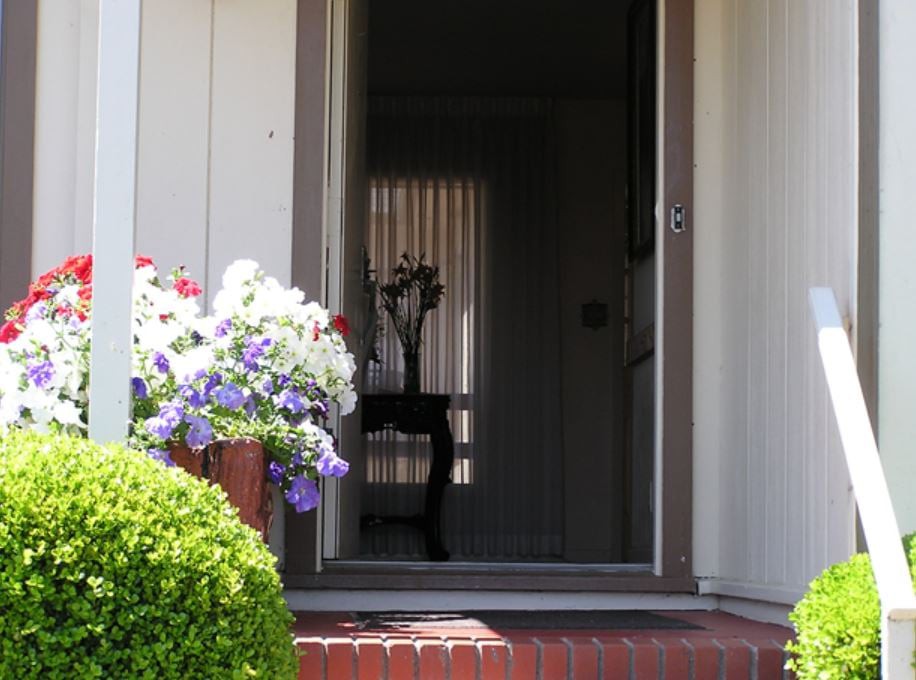
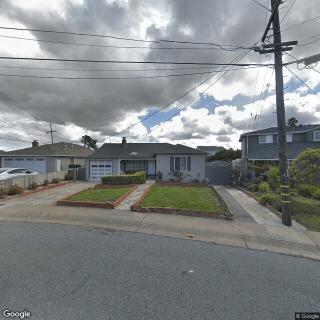
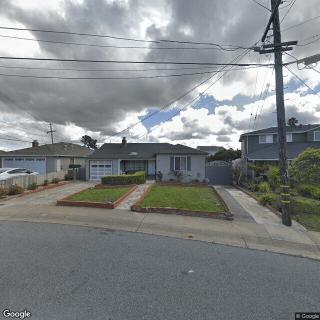
Golden Age Retirement Home in Millbrae is best suited for seniors who want an intimate, well-kept residential setting where attentive staff and practical safety features shape daily life. The home-like atmosphere, small resident count, and direct involvement from a caring owner create a sense of personalized care that can be hard to find in larger facilities. For families prioritizing a clean, quiet environment with dependable supervision, and a plan-focused approach to transitioning a loved one, this community stands out. Its two-story layout, equipped with an elevator lift, and a garden-friendly exterior reinforce the feeling of a safe, manageable place where daily routines don’t feel overwhelming.
Those who may want to consider alternatives are residents who crave robust social programming, a broad activities calendar, or structured transportation to appointments and outings. Several reviews note that activities can feel limited, and social stimulation often centers around television or informal chats rather than a formal program. If the senior seeks frequent, varied group activities, diverse dining experiences, or regular transportation for errands and community events, a larger or more activity-focused community will likely be a better fit.
The strongest positives here are cleanliness, a calm, welcoming environment, and consistently attentive staff. Families repeatedly praise the staff’s kindness and the ease with which the owner/administrator engages with relatives, delivering reassurance during transitions and ongoing planning. Residents benefit from a tidy, orderly home where safety and personal attention are prioritized, and from the director’s willingness to customize arrangements, sometimes even planning a move from out of state to fit a loved one’s needs. The small scale enables more one-on-one time, with staff able to notice changes in health or mood promptly and respond without bureaucratic delays.
However, the main drawbacks orbit around activities, meals, and transportation. While meals can be variable, good on some days, less compelling on others, the more consistent thread is that activities don’t routinely rival those found in larger communities. This can leave more active or socially oriented residents feeling under-stimulated. The lack of transportation is another meaningful gap for families planning regular outings, medical visits, or social events outside the home. The cost is cited as a factor as well; despite strong perceived value, the price point may be a barrier for families comparing alternatives with more comprehensive programming or included transport.
Despite these downsides, the outweighing pros often offset the cons for the right resident profile. The intimate size means superb access to caregivers, rapid response to needs, and meaningful relationships with staff and neighbors. Outdoor time on nice days, occasional patio outings, and the pleasant garden space provide mood-boosting, low-stress options that align well with seniors who appreciate a peaceful daily rhythm. The combination of a tidy physical plant, a safety-forward layout, and a pro-active administrator who can tailor transition plans and ongoing care gives families confidence that their loved one is known personally, not as a room number.
In selecting a path forward, this community is a strong match for elders who value a pristine, low-traffic setting, a hands-on administrator, and the reassurance of constant staff presence. It is less well-suited for those who need a robust programming schedule, regular group activities, and dependable transportation to outings or appointments. For families weighing options, prioritize a candid assessment of mealtime consistency, the activity calendar, transportation possibilities, and transparent pricing strategies. Scheduling a direct tour and asking pointed questions about how care plans are individualized, how often residents receive social engagement beyond passive TV time, and how meals are planned will reveal whether Golden Age aligns with the senior’s day-to-day expectations or if alternative communities better meet those needs.
 Board and Care Home
 Activities on-site
 Cable or satellite TV
 Indoor common areas
 Kitchenette
 Outdoor common areas
 Private
 Private bathrooms
 Wheelchair accessible showers
 Wi-Fi/high-speed internet available
 San Francisco International (2 miles away)
 Ambulatory care
 Diabetic care
 High acuity care
 Incontinence care
 Medication management
 Meals provided
 Birthday parties
 Karaoke
 Light therapy programs
 Resident band or musicians
 Comprehensive Look at Senior Blood Pressure Charts: Normal and Elevated Levels by Age
 Top Canine Companions for Older Adults
 Comprehensive Guide to Blood Pressure Charts for Older Adults: Understanding Normal and High Readings by Age