
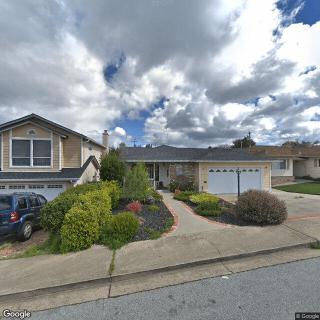
624 Cypress Avenue, Millbrae, CA 94030
For more information about senior living options: (866) 208-4318
Overall Review of Golden Age
Pros
 They take excellent care of him.
- He is very happy there.
- Golden Age is a private home.
- There are two caregivers at all times.
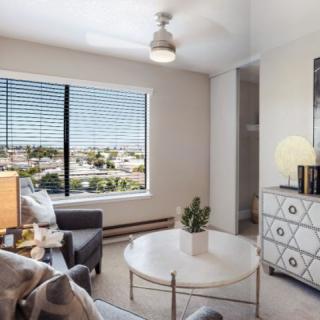
- There are five bedrooms, and each resident has their own bedroom.
- They have TVs, books, and all sorts of amenities.
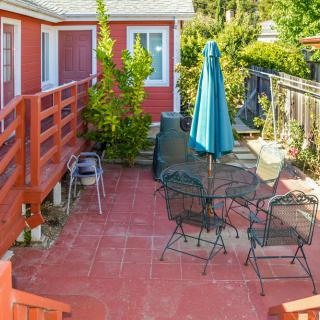
- They can go outside in the backyard and on the patio when it’s nice outside.
Cons
 They can't do any activities.
- Most of the folks there are bedridden, so it is hard for them to do activities.
- The residents are elderly and disabled.
Review
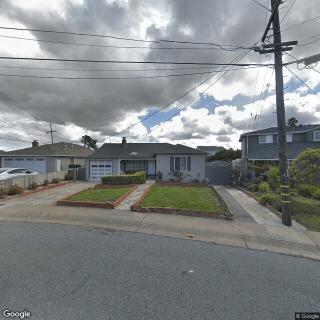
Golden Age in Millbrae is best suited for families seeking a small, home-like elder-care option where residents live in private bedrooms and care comes from a predictable, stable team. The setting is a private home with five bedrooms, and each resident has their own space. Two caregivers are on site at all times, creating a quiet, intimate atmosphere where staff can form real relationships with residents. For families prioritizing individualized attention, continuity, and easy family visits in a calm, familiar environment, this community delivers what a traditional, crowded facility often cannot. It feels less like a managed institution and more like placing a loved one in the care of trusted, consistent caregivers within a private residence.
Those who may want alternatives are clear. If a senior requires robust daily programming, frequent social opportunities, or access to on-site therapies, this option may feel too quiet or limited. For residents who are more mobile, active, or who rely on a wide range of activities to stay engaged, a larger assisted-living community or a dedicated memory-care setting with structured programs could be a better match. Families should also consider options with more expansive clinical support or on-site medical staff if medical complexity rises beyond what a small private home typically accommodates.
The strongest advantages are the intimate, home-like setting and the predictable caregiver presence. With five bedrooms and private spaces, residents enjoy a level of privacy and autonomy not always possible in bigger communities. The two on-site caregivers at all times mean responses can be swift, routines are stable, and staff can tailor care to individual needs without the churn that comes with larger staffs and rotating aides. The longevity of the operation, over two decades, also signals stability, familiarity, and a settled routine that helps families feel confident in ongoing care. Outdoor access to the backyard and patio adds a welcome touch of sunshine and fresh air, which matters for mood and general well-being.
Yet, the main drawbacks are real and meaningful for decision-making. Activities and engagement can be sparse when most residents are in their 90s or disabled to the point of limited participation. The setting emphasizes comfort and safety over a full slate of social programming, which can lead to boredom or isolation for residents who crave variety. The private-home format, while calming, can limit the breadth of services, structured fitness or cognitive-stimulation options, and contiguous continuum-of-care resources that larger campuses sometimes provide. In short, this environment trades breadth of programming for depth of personalized attention.
These pros offset the cons to the extent that residents benefit from personal attention, predictable routines, and a serene living space that resembles a well-loved home. For families prioritizing close caregiver-resident relationships, low staff turnover, and a quiet, private environment where staff know every resident by name, the positives substantially counterbalance the narrower activity slate. The combination of private bedrooms, sizable room interiors, and the sense of permanence in staff fosters safety, comfort, and continuity, factors that can be decisive when choosing care for a parent who values dignity, predictability, and a strong sense of belonging.
In practical terms, Golden Age is a strong fit for a resident who values privacy, stable, on-site caregiving, and the comfort of a private home, with the caveat that social programming and medicalized services will be modest by design. Families should visit with questions about caregiver ratio during night shifts, availability of therapies or activities on slower days, and how family involvement is welcomed and facilitated. If a senior’s needs include frequent social programming, robust on-site clinical services, or a broad array of structured activities, alternatives with larger staff and more diverse programming should be explored. For the right resident, one who thrives in a quiet, homey setting with trusted caregivers, Golden Age represents a practical, solid choice that emphasizes dignity, continuity, and personal attention over volume of offerings.
 6 resident community capacity
 1-bedroom apartments
 Assisted Living
 Board and Care Home
 Cable or satellite TV
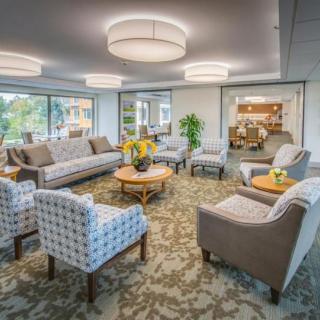
 Dining room
 Fully furnished
 Garden
 Housekeeping services
 Move-in coordination
 Outdoor space
 Telephone
 Wi-Fi/high-speed internet available
 San Francisco International (2 miles away)
 24-hour supervision
 Activities of daily living assistance
 Assistance with bathing
 Assistance with dressing
 Assistance with transfers
 Diabetes diet
 Meal preparation and service
 Medication management
 Special dietary restrictions
 Transportation arrangement (medical)
 Transportation to doctors appointments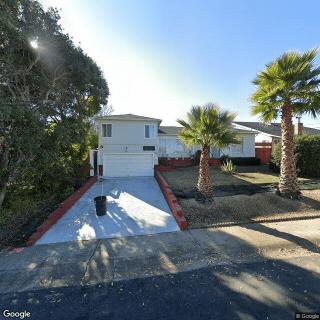


 Beyond the Bingo Hall: 50+ Enriching Activities for Seniors in Assisted Living
 Understanding the Distinctions: Assisted Living and Memory Care Explained
 Guiding Elderly Parents Who Refuse Assisted Living: 6 Practical Steps