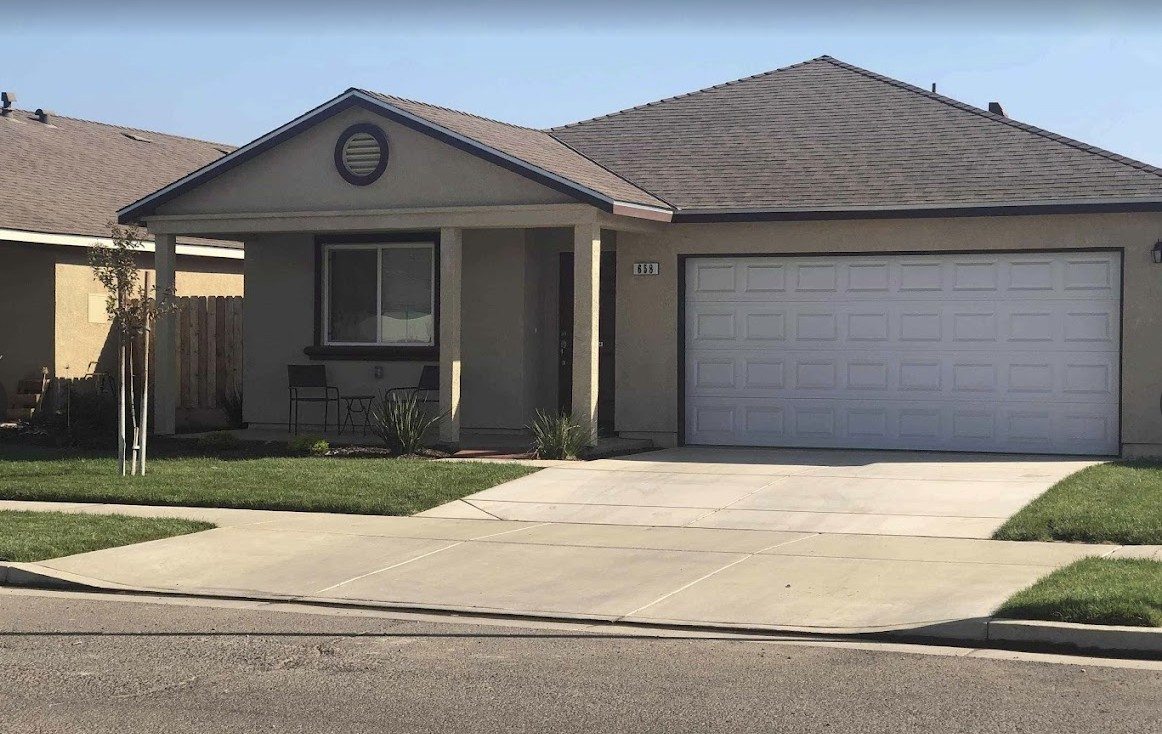
658 Lim Street, Merced, CA 95341
For more information about senior living options: (866) 208-4318
Overall Review of Helping Hands Care Home
Pros
 Sheen and Isaiah are compassionate caregivers who earn high praise for their treatment of loved ones.
- The staff at Helping Hands Care Home are generous, kind, and attentive to residents' needs.
- The facility is immaculate, and the team consistently goes the extra mile.
- The environment is family-friendly and supportive for loved ones with memory challenges.
- Residents are treated with dignity, with staff ensuring they have enough to eat and drink.
- The care team is professional, knowledgeable, and easy to talk to.
- The home is described as the best care home in Merced County.
Cons
 The brother, who is the landlord, allegedly held the mother against her will.
 - The mother reportedly cried that she wanted to leave, yet staff would not let her.
- The police were called on the family, and the caregivers allegedly denied access to the mother.
- The care home is accused of helping to hide the mother from the family so they could sell her house.
- The coordinator, Sheen, is alleged to have lied to restrict access and to have ignored the mother's wishes.
- The reviewer describes the situation as extremely upsetting.
Review
Helping Hands Care Home in Merced is best suited for families seeking a small, home-style residential option for seniors who need around-the-clock care but prosper in an intimate, caregiver-first environment. The community prioritizes personal attention, with staff who treat residents like family and routines that feel far less institutional than a typical assisted-living campus. Testimonials emphasize an immaculate, comfortable setting and a culture of warmth, where caregivers know each resident well, anticipate needs, and provide steady daily oversight. A practical staffing ratio, two caregivers for roughly six residents, means quicker responses, clearer updates, and more consistent reassurance for relatives counting on regular communication and dependable care.
That closeness, however, carries trade-offs. For seniors needing hospital-grade medical oversight, highly structured programs, or intensive dementia-management protocols, larger facilities with broader medical teams may be a better fit. There is a troubling report alleging access restrictions tied to family dynamics. While not definitive, this claim underscores the necessity of transparent policies, written visitation rules, and clear governance documentation prior to commitment. Families with ongoing custody disputes or concerns about access should scrutinize protections and consider alternatives where governance is more formal and predictable.
On the positive side, the caregiving core earns strong marks. Staff are described as generous, patient, and genuinely invested, going the extra mile and keeping families informed when in-person visits aren’t possible. The home environment is praised as immaculate and family-friendly, with meaningful daily routines, reliable meals, and timely help. Memory-support is highlighted as a particular strength, aligning with needs where calm presence and steady reminders matter most. Leadership and direct care, the team around Sheen and Isaiah, are consistently cited as trustworthy and skilled, delivering continuity that many families demand in a smaller, non-institutional setting.
Yet the scale can constrain. A smaller home may offer fewer on-site amenities and less formal programming than larger campuses. For residents with evolving medical complexity, questions about medication management, escalation of care, and access to specialized services deserve precise answers. The one critical report also invites careful review of governance and access controls, prospective residents should verify licensing, care plans, and the exact policies governing family involvement before committing.
Decision shopping should be practical and direct. Schedule in-person visits, meet the caregivers, and observe daytime interactions. Request current care plans, staffing schedules, and demonstrations of how memory challenges are addressed. Inquire about medical coordination, medication handling, and emergency procedures. Confirm communication practices, frequency, channels, and who receives updates, and obtain a transparent contract with clear cost structures, included services, visitation rules, and discharge or transfer terms if needs change.
When care priorities center on a warm, intimate environment with highly attentive staff, Helping Hands Care Home delivers. The combination of a homelike setting, dependable staff engagement, and consistently positive family feedback makes it a strong option for seniors who benefit from small-scale, relationship-driven care. If governance protections, formal oversight, or access guarantees are non-negotiable, or if a resident’s medical needs require a larger, more medically integrated campus, alternatives should be weighed carefully. The bottom line is decisive: match the choice to the desired level of family involvement, the expected intensity of care, and the comfort with a small-house model.
 6 resident community capacity
 Assisted Living
 Cable or satellite TV
 Dining room
 Fully furnished
 Garden
 Housekeeping services
 Move-in coordination
 Outdoor space
 Telephone
 Wi-Fi/high-speed internet available
 24-hour supervision
 Activities of daily living assistance
 Assistance with bathing
 Assistance with dressing
 Assistance with transfers
 Diabetes diet
 Meal preparation and service
 Medication management
 Special dietary restrictions
 Transportation arrangement (medical)
 Transportation to doctors appointments







 Understanding Medicaid Coverage for Assisted Living: A Comprehensive Guide
 How and When Medicaid May Cover Assisted Living Costs
 A Detailed Exploration of Assisted Living Medicaid Waivers Across the United States