
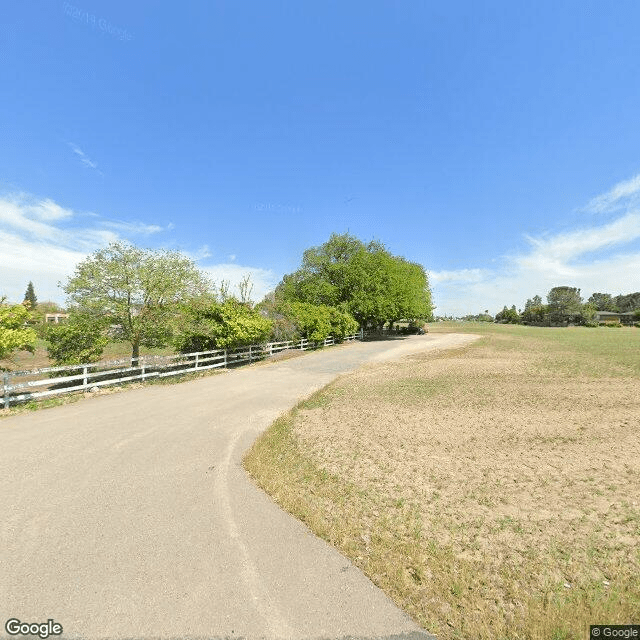
360 Button Avenue, Manteca, CA 95336
For more information about senior living options: (866) 208-4318
Remolona Family Guest Home Costs & Pricing
The Remolona Family Guest Home offers a cost-effective alternative for individuals seeking semi-private and private room accommodations compared to the broader market rates in San Joaquin County and California as a whole. With monthly fees set at $1,300 for a semi-private room and $2,500 for a private room, the Guest Home significantly undercuts local averages that stand at approximately $3,074 and $3,364 respectively for these same types of housing. This competitive pricing not only reflects the Guest Home's commitment to affordability but also positions it as an appealing option for families considering long-term care solutions without sacrificing quality or comfort.
| Floor plans | Remolona Family Guest Home | San Joaquin County | California |
|---|---|---|---|
| Semi-Private | $1,300 | $3,074 | $3,333 |
| Private | $2,500 | $3,364 | $3,939 |
Assisted Living communities with a similar price nearby
-
from +$200 / mo

Optimum Senior Care Home
$1,500 to $2,500 / month23.6 miles away -
from +$100 / mo
Modesto Guest Home
$1,400 to $2,800 / month15.3 miles away -
from -$100 / mo
Plymouth Square Retirement Center
$1,200 to $1,600 / month12.7 miles away -
from +$200 / mo
Christine's Care Home
$1,500 to $3,000 / month16.5 miles away -
from +$200 / mo
Bianchi Manor
$1,500 to $2,500 / month18.2 miles away
Overall Review of Remolona Family Guest Home
Pros
 The staff are very nice and very caring.
- Remolona Family Guest Home is very nice and warm, with residents well taken care of.
- The home is smaller, allowing more individualized attention to residents.
- It offers regular activities, including bingo on Wednesdays, communion, and programs on Tuesdays and Thursdays.
Cons
 They would give zero stars if possible.
- They would not bring their loved ones here.
Review
Remolona Family Guest Home in Manteca is best suited for families seeking a compact, home-like residential option where residents receive highly personalized attention from a small, close-knit staff. The setting works particularly well for a senior who values a warm, familial atmosphere over institutional size and who benefits from steady supervision and daily interaction rather than a broad array of amenities. It appears to serve residents who respond well to a familiar routine and hands-on care that feels more like a private home than a care facility. The place shines for those who want structured social activities and a faith-informed cadence to the week, regular bingo, communion, and predictable programming that fosters a sense of community.
Those weighing Remolona should consider alternatives if medical complexity drives the decision. For residents needing higher medical oversight, advanced nursing support, memory care, or a wider menu of rehabilitative services, a larger or more medically oriented community may be a better fit. The small, private nature, while a strength for tailored attention, can limit access to around-the-clock medical coverage, specialty therapies, and expansive activity options. Families looking for heavy programming, frequent staffing rotations, and more extensive on-site amenities may find this option does not meet those expectations.
Key pros clearly align with a specific resident profile. The staff’s warmth and genuine care create a trustworthy atmosphere, and the intimate setting allows caregivers to know residents well and personalize presence and support. The home-like vibe reduces the clinical feel that often accompanies larger facilities, helping residents feel seen and valued. While activities occur on a limited schedule, the offerings, bingo, social gatherings, and regular religious observances, provide meaningful engagement and routine that many families prioritize for continuity and comfort.
Still, the standout negative voice in the mix cannot be ignored. A single strongly negative review signals that experiences can diverge, and that concerns around consistency, oversight, or responsiveness may arise for some families. The private-home model, while advantageous for personalization, can translate into fewer formal safeguards if staffing fluctuates or if a resident’s needs escalate beyond what the routine can support. Limited activity breadth and potentially constrained medical capabilities may leave certain residents feeling under-occupied or underserved if expectations aren’t aligned at the outset.
The interplay between pros and cons hinges on fit. For a resident who thrives in a small, caregiver-centered environment with predictable routines and close staff attention, the positives largely offset the risk of a lean structure. The intimate setting can deliver a level of responsiveness and dignity that bigger communities struggle to match, provided care planning is proactive and transparent. The main caveat remains: verify the capacity to handle evolving needs, clarify staffing stability, and confirm how emergencies are managed, because a mismatch here can quickly tilt the balance from comfort to concern.
Bottom line: Remolona Family Guest Home represents a compelling option for families prioritizing warmth, individualized attention, and a home-like atmosphere in Manteca. It excels for residents who want consistent companionship, religiously oriented programming, and a small-scale environment where staff can form real relationships. It is not the obvious choice for those requiring robust medical oversight, memory care, or a broad, dynamic activity slate. Prospective families should schedule a thorough tour, insist on meeting direct caregivers, review current care plans and licensing, and ask for recent references to understand consistency and responsiveness. When compared with other small homes or larger assisted living communities in the area, Remolona’s strength remains its intimate culture; the risk lies in potential variability and the need for careful alignment between resident needs and what a private, small setting can reliably provide.
 15 resident community capacity
 Assisted Living
 Board and Care Home
 Respite Care
 Cable or satellite TV
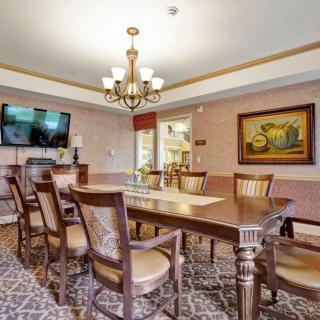
 Dining room
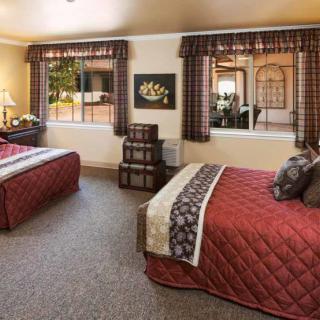
 Fully furnished
 Garden
 Housekeeping services
 Move-in coordination
 Outdoor space
 Private
 Telephone
 Wi-Fi/high-speed internet available
 Modesto City-County-Harry Sham (18 miles away)
 24-hour supervision
 Activities of daily living assistance
 Assistance with bathing
 Assistance with dressing
 Assistance with transfers
 Diabetes diet
 Meal preparation and service
 Medication management
 Special dietary restrictions
 Transportation arrangement (medical)
 Transportation to doctors appointments

 Understanding the True Cost of Assisted Living in 2025: A Comprehensive Guide
 Understanding Medicaid Coverage for Assisted Living: A Comprehensive Guide
 How and When Medicaid May Cover Assisted Living Costs