
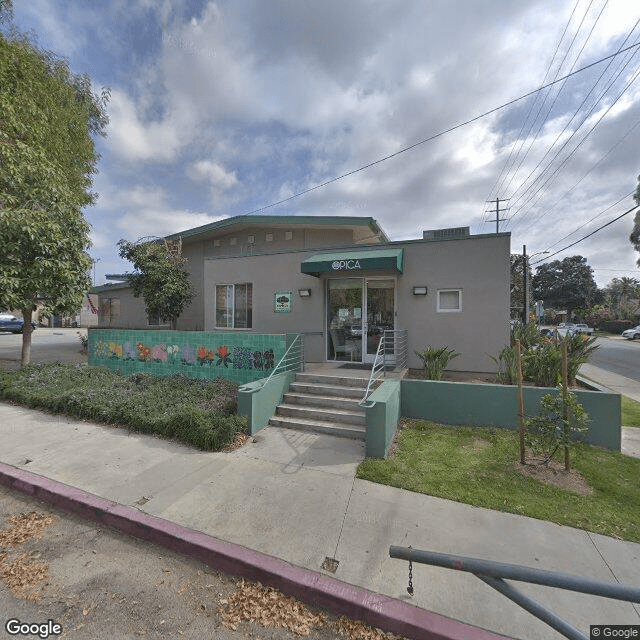
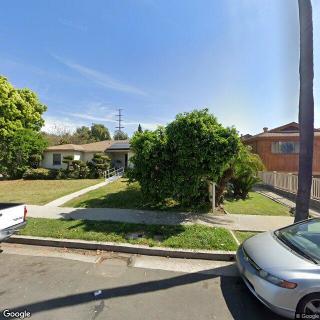
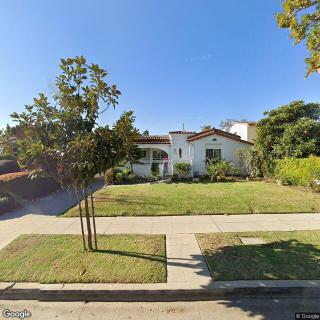
11759 Missouri Avenue, Los Angeles, CA 90025
To contact a resident: (310) 478-0226
For more information about senior living options: (866) 208-4318
Overall Review of OPICA
Pros
 Tremendously educational; a must-visit for anyone with elderly parents.
- An absolutely wonderful and positive day center for seniors.
- The staff and volunteers work hard to communicate with everyone and to get everyone involved in some way.
- There are many stimulating activities, and bands perform daily.
- Opica is a wonderful daycare facility for the memory impaired.
- The staff is friendly and engaging, and the care is top notch with professional specialists, UCLA and USC interns, providing very personalized care and lots of individual attention.
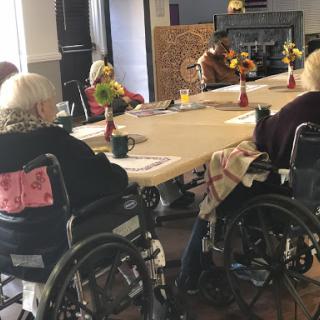
- There is an engaging program every day, including music, lunch, a snack, afternoon sing-alongs to show tunes, and lots of smiles.
Review
OPICA in Los Angeles is best suited for families seeking a high-energy, memory-focused daytime program that provides structured social engagement, supervision, and meaningful activity for seniors with Alzheimer’s disease or related cognitive impairment. The center operates as a daytime day-care rather than a residence, making it ideal for caregivers who work or need reliable daytime coverage while ensuring the loved one remains in professionally supervised care. The program’s vibe is lively, music-friendly, and content-rich, emphasizing stimulation over passive oversight. Its location near Stoner Park offers convenient access for West LA families who want predictable daytime sessions in a pleasant environment.
Key strengths center on staff engagement and program variety. The director, Louise, is consistently described as welcoming, with clear communication about the day’s plan. The daily calendar blends live music, dancing, art, and show-tune programs, with rotating bands that keep participants energized and mentally engaged. Staff and volunteers actively foster participation through conversation, gentle stretching, and individualized attention, creating a sense of liveliness, warmth, and inclusion. The combination of professional oversight, supported by UCLA and USC interns, and a dedicated team yields high-quality, personalized attention, ensuring participants feel seen, valued, and connected to meaningful moments.
These benefits offset the primary trade-off by delivering enrichment that caregivers often struggle to achieve with sporadic visits. The program is portrayed as more than a social club; it provides a structured routine where memory-impaired seniors encounter familiarity, cognitive-stimulating activities, and regular social interaction every day. Daily meals, snacks, and afternoon sing-alongs reinforce continuity and mood stability, translating into noticeable improvements in mood and day-to-day engagement. While OPICA does not appear to offer overnight care or intensive medical management, the steady presence of trained staff and interns supplies a level of supervision and clinical engagement that outperforms passive care options. In essence, the live programming, professional involvement, and predictable structure justify the time and cost for families needing reliable daytime management.
However, the community is not the right fit for every situation. For families requiring around-the-clock supervision, complex medical oversight, or a traditional residential setting, alternatives will be more appropriate. OPICA’s core strength, daytime engagement for memory impairment, may not align with loved ones who do not have memory-related needs or who require non-memory-specific care. Transportation and distance can also influence fit, given the Los Angeles location. For those needing extended hours, more clinical oversight, or facilities that offer overnight accommodations, exploring other models that provide continuous monitoring and broader medical staffing is prudent.
From a programmatic perspective, OPICA’s culture stands out as genuinely warm and optimistic. The atmosphere feels senior-friendly and purpose-driven, with activities designed to maximize social connection and personal expression. Staff consistently demonstrate an ability to engage participants through music, art, and conversation, producing smiles and meaningful moments even for those with advanced memory challenges. The daily rhythm, active mornings, social lunches, and afternoon sing-alongs, creates predictable expectations that reduce anxiety and enhance well-being. The involvement of university interns suggests a robust, tiered care approach that blends empathy with clinical attention, delivering reassurance to families that the loved one is cared for with dignity and ongoing cognitive stimulation.
Bottom line: OPICA stands out as a premier option for memory-impaired seniors seeking daytime enrichment, caregiver relief, and a supportive, vibrant community. It is a strong choice for families who need reliable daytime coverage and a program that treats engagement as therapeutic, not merely social. Those weighing alternatives should consider whether 24/7 supervision, residential comfort, or non-memory-specific care is essential. Prospective families are encouraged to visit, speak with staff, and assess fit; a tour with Louise will illuminate how the daily mix of live music, art, and personalized attention aligns with the loved one’s goals and preferences.
 Day Program
 Los Angeles International (7 miles away)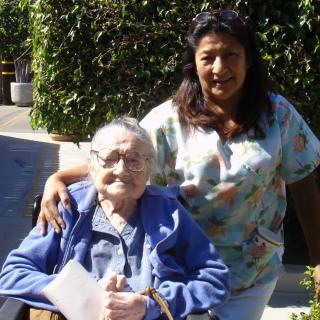





 Understanding the Sandwich Generation: Stress and Responsibilities for Multigenerational Caregivers
 8 Essential Assistive Devices for Older Adults
 Navigating the Financial Road to Nursing Home Care: In-Depth Guidance and Resources