At Garden of Palms, the costs for monthly accommodations reflect a premium that aligns with its unique offerings and quality of care. For a semi-private room, residents can expect to invest $4,000, which is notably higher than both the Los Angeles County average of $3,349 and the broader California average of $3,333. The pricing for studio apartments stands at $5,000 - again above local and state averages of $4,172 and $4,145 respectively. For those seeking more space in a one-bedroom unit, the cost is set at $6,000, surpassing Los Angeles County's average of $4,603 and California's average of $4,340. This positioning suggests that while Garden of Palms may be on the higher end of the spectrum compared to regional competitors, it likely offers enhanced services or amenities that justify this price differential.
Floor plans
Garden Of Palms
Los Angeles County
California
Semi-Private
$4,000
$3,349
$3,333
Studio
$5,000
$4,172
$4,145
1 Bedroom
$6,000
$4,603
$4,340
Memory care communities with a similar price nearby
Staff are described as warm, attentive, and responsive.
Multiple reviews describe staff members as kind, friendly, and invested in residents’ well-being. Families also mention strong communication and helpful follow-through, including support around appointments and day-to-day needs. One reviewer described a serious communication breakdown during a medical emergency, which is the main negative thread here.
common18 reviews mention this
Clean, bright, home-like spaces
The community is repeatedly described as clean and well kept.
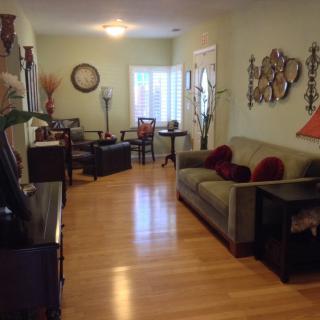
Residents and visitors frequently comment on cleanliness, tidy common areas, and a bright, welcoming look inside. Several reviews also describe a home-like feel, with updates to rooms and shared spaces helping it feel comfortable rather than institutional. A few notes mention tradeoffs like a busy street or noise outside, but the inside impressions stay consistently positive.
differentiator14 reviews mention this
Kosher dining and Jewish focus
Kosher dining is a central reason families choose this community.
Food is one of the most consistent positives, with multiple reviews praising kosher meals and the quality of the dining experience. Some families specifically chose the community because it supports kosher dietary needs, and others highlight Jewish activities as part of daily life. There are also a couple of concerns about the community’s religious focus and whether residents would have access to holidays outside that tradition.
common12 reviews mention this
Planned activities keep residents engaged
Activities and social options are a regular part of life here.
Many reviews mention engaging scheduled activities, along with resident entertainment and ongoing opportunities to stay busy. Families describe residents as happier and more involved after moving in, and some note music, games, and day-to-day programming that helps break up the day. There is also one caution about staffing affecting how many residents can participate, based on a small-care-team concern described in a review.
differentiator10 reviews mention this
Care support for changing needs
Residents receive care support that families say adapts over time.
Several reviews describe hands-on help with bathing, dressing, escorting residents to activities, and medication or care routines. Families also mention ongoing monitoring and support as needs change, including memory care experiences for relatives with Alzheimer’s or dementia. At the same time, at least one review raises concerns about staffing ratios and availability of full-time caregivers.
caveat4 reviews mention this
Pricing feels inconsistent to visitors
Pricing and move-in costs are a recurring concern for some families.
While some reviewers call the rate fair, others say the price was not right for them or that the community’s overall cost didn’t match their expectations. One review also notes a deposit and price tied to bathing and medication support, suggesting costs may vary depending on services needed. Overall, the reviews don’t agree, so it’s worth confirming what’s included for the level of care your loved one needs.
How we summarize
Counts show how many written reviews mention each theme; a review can touch several themes, and only frequently mentioned themes are displayed.
Features
Housing
130 resident community capacity
1-bedroom apartments
2-bedroom apartments
Types of Care
Assisted Living
Independent Living
Memory Care
Respite Care
Amenities
Activities off-site
Activities on-site
Air-conditioning
Bath tubs
Beautician on-site
Beauty salon
Cable or satellite TV
Cafe
Computer center
Devotional services off-site
Devotional services on-site
Dining room
Fitness room
Fully furnished
Gaming room
Garden
Guasts at mealtime
Guest parking
Handicap accessible
Home sale assistance
Housekeeping services
Indoor common areas
Kitchenette
Laundry
Move-in coordination
Outdoor common areas
Outdoor space
Party space
Private bathrooms
Private cleaning services
Resident parking
Respite or short term stays offered
Restaurant-style dining
Security gate
Small library
TV room
Telephone
VA Benefits Consultation
Wellness center
Wheelchair accessible showers
Wi-Fi/high-speed internet available
Transportation
Burbank-Glendale-Pasadena (8 miles away)
Los Angeles International (10 miles away)
Long Beach (Daugherty) (22 miles away)
Community operated transportation
Transportation & parking
Transportation arrangement
Transportation arrangement (non-medical)
Transportation to doctors appointments
Care Services
12-16 hour nursing
24-hour call system
24-hour supervision
Activities of daily living assistance
Ambulatory care
Assistance with bathing
Assistance with dressing
Assistance with transfers
Diabetes diet
Diabetic care
Hospice care
Incontinence care
Meal preparation and service
Medication management
Mental wellness program
Mild cognitive impairment
Physical therapy
Special dietary restrictions
Specialized memory care programming
Dining
Diabetes diet
Gluten-free
Guest meals
International cuisine
Kosher
Low / no sodium
Meals provided
No Sugar
Professional chef
Restaurant style dining
Room service
Special dietary restrictions
Special dining programs
Vegan
Vegetarian
Activities
Activities off-site
Art classes
Arts and crafts
Book club
Community-sponsored activities
Concierge services
Cooking classes
Day trips and outings
Devotional activities offsite
Devotional activities on-site
Educational speakers / life long learning
Fitness programs
Games
Gardening club
Happy hour
Jewish services
Karaoke
Live Musical Performa
Live musical performances
Live well programs
Planned day trips
Religious services
Resident-run activities
Scheduled daily activities
Stories
Tai Chi
Visiting Rabbi
Wine tasting
Yoga / chair yoga
Nearby Places of Interest
Located in West Hollywood, this neighborhood is a vibrant and bustling area with a mix of trendy restaurants, convenient pharmacies, beautiful parks, cozy cafes, and entertainment options such as theaters. The proximity to popular dining spots like Ysabel and Laurel Hardware offers a variety of culinary experiences. Additionally, the area provides easy access to essential services like MedMen and CVS Pharmacy for health care needs. With parks like Plummer Park and Pan Pacific Park nearby, residents can enjoy outdoor activities and relaxation. Seniors looking to live in this area will have access to transportation options like the Universal City Metro Station for convenient travel. Furthermore, healthcare services are available at Kaiser Permanente West Los Angeles Medical Center just a few miles away. Places of worship such as St Michael & All Angels provide spiritual support within the community. Overall, this neighborhood offers a dynamic and diverse environment perfect for senior living.
Restaurants
Ysabel West Hollywood (0.1 miles)
Laurel Hardware (0.2 miles)
McDonald's (1 miles)
Urth Caffé- Melrose (1.1 miles)
Monsieur Marcel Gourmet Market (1.2 miles)
Trunks (1.2 miles)
In-N-Out Burger (1.3 miles)
Pharmacies
MedMen (0.3 miles)
Rite Aid (0.6 miles)
CVS Pharmacy (0.6 miles)
CVS Pharmacy (0.8 miles)
Hollywood High Grade (1.1 miles)
CVS Pharmacy (1.3 miles)
CVS Pharmacy (1.3 miles)
Parks
Plummer Park (0.7 miles)
Pan Pacific Park (1 miles)
Runyon Canyon Park (1.3 miles)
Hollywood Bowl Overlook (2.2 miles)
Nancy Hoover Pohl Overlook (2.6 miles)
Beverly Gardens Park (2.6 miles)
Lake Hollywood Park (3.3 miles)
Cafes
Alfred Coffee & Kitchen (0.8 miles)
The Butcher, The Baker, The Cappuccino Maker (1.1 miles)
Verve Coffee Roasters (1.2 miles)
Joan's on Third (1.3 miles)
Verve Coffee Roasters (1.6 miles)
Alfred Coffee Beverly Hills (2.7 miles)
Blue Bottle Coffee (2.7 miles)
Theaters
AMC The Grove 14 (1.2 miles)
TCL Chinese Theatre (1.5 miles)
Universal Cinema AMC at CityWalk Hollywood (3.3 miles)
AMC Century City 15 (3.9 miles)
Transportation
Universal City Metro Station (3.4 miles)
Hospitals
Kaiser Permanente West Los Angeles Medical Center (3.6 miles)
At Garden of Palms, the costs for monthly accommodations reflect a premium that aligns with its unique offerings and quality of care. For a semi-private room, residents can expect to invest $4,000, which is notably higher than both the Los Angeles County average of $3,349 and the broader California average of $3,333. The pricing for studio apartments stands at $5,000 - again above local and state averages of $4,172 and $4,145 respectively. For those seeking more space in a one-bedroom unit, the cost is set at $6,000, surpassing Los Angeles County's average of $4,603 and California's average of $4,340. This positioning suggests that while Garden of Palms may be on the higher end of the spectrum compared to regional competitors, it likely offers enhanced services or amenities that justify this price differential.
Garden Of Palms offers a comprehensive array of features designed to support both the physical and cognitive needs of residents with dementia or Alzheimer's disease. The 24-hour supervision ensures a safe environment, while personalized assistance with activities of daily living--such as bathing, dressing, and transfers--promotes dignity and independence. Incontinence care is discreetly provided, reducing anxiety for residents and families alike. Nutritious meal preparation and service cater to dietary needs, fostering health while encouraging social interaction during mealtimes. Medication management helps prevent complications from missed or incorrect dosages, vital for those with cognitive impairments. The mental wellness program targets cognitive function through engaging activities tailored to varying levels of memory loss. Physical therapy aids in maintaining mobility and strength, allowing residents to partake in specialized memory care programming that focuses on stimulating brain activity through structured tasks designed specifically for those experiencing mild cognitive impairment or advanced stages of dementia. Together, these features create a supportive community that enhances quality of life while prioritizing safety and well-being.
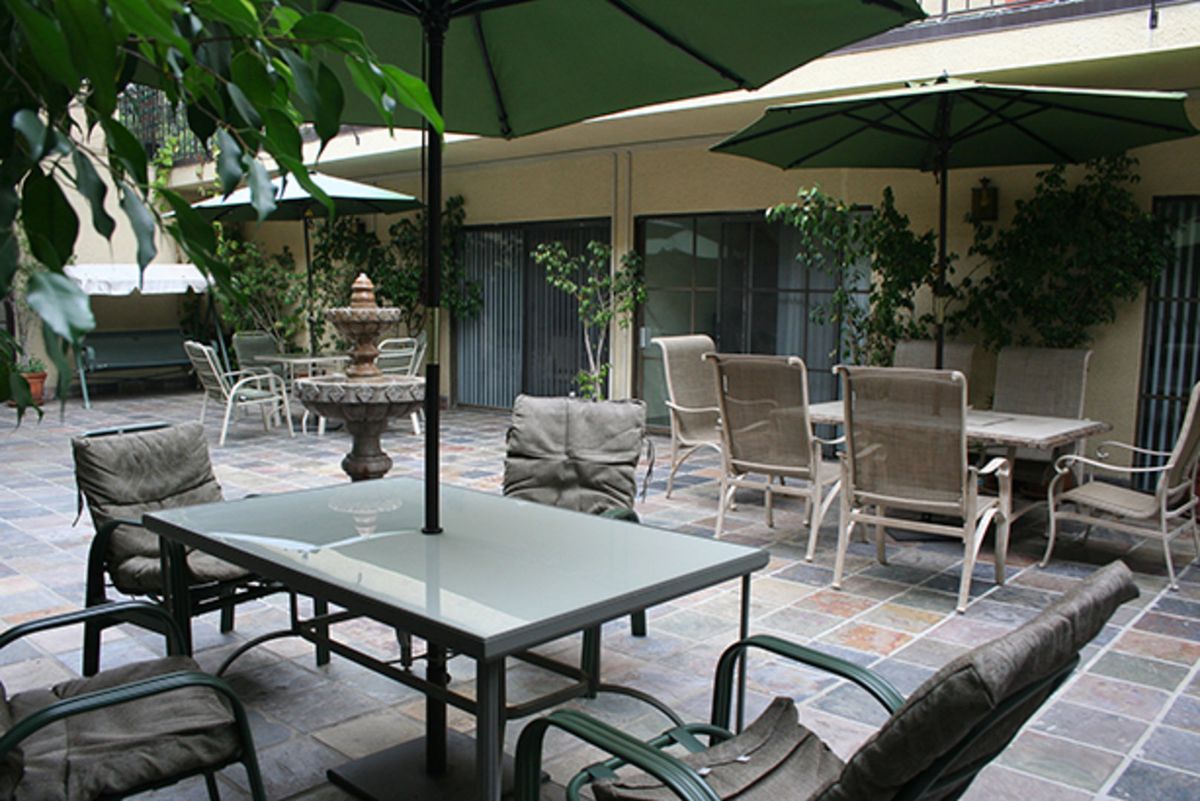
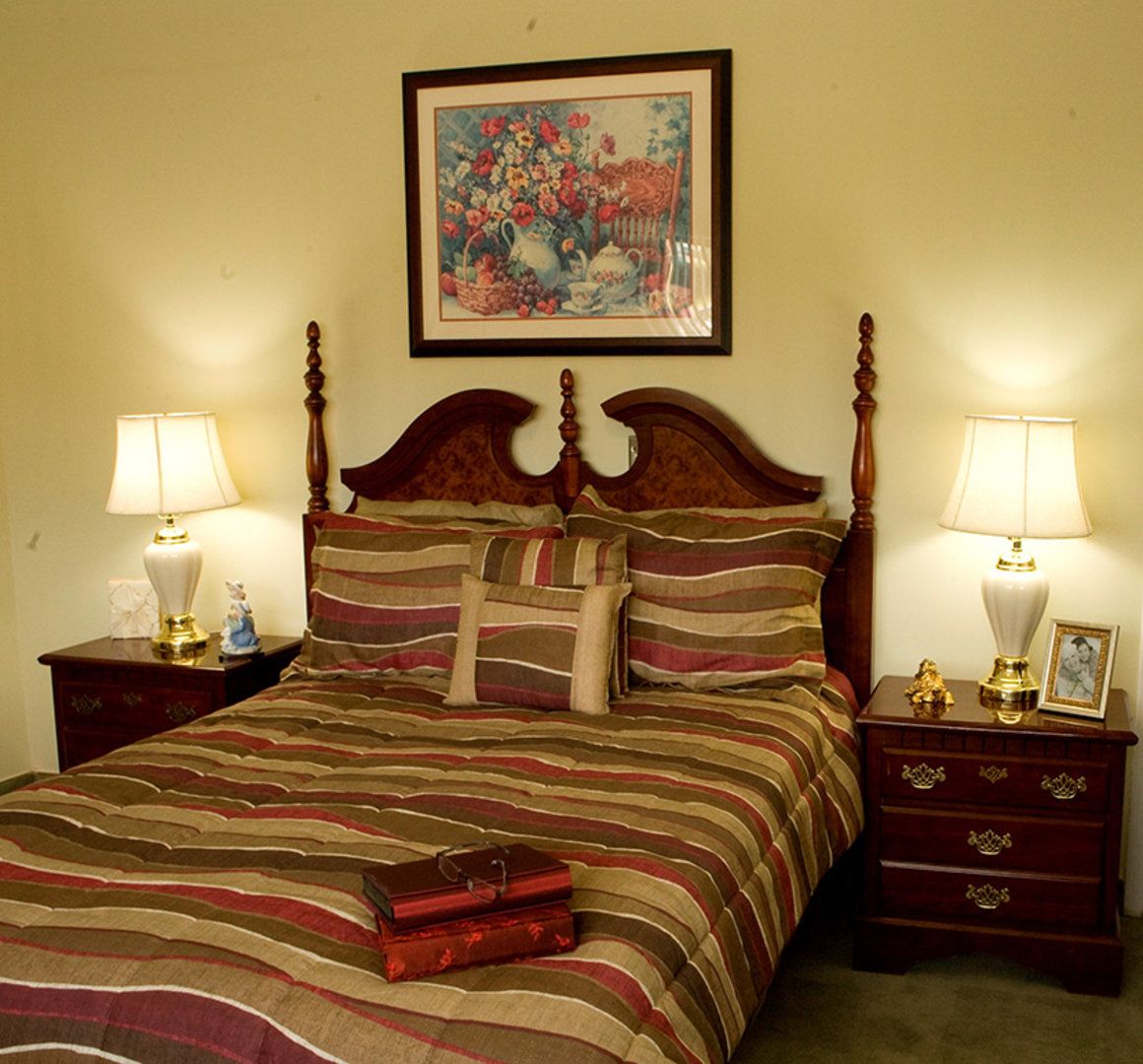
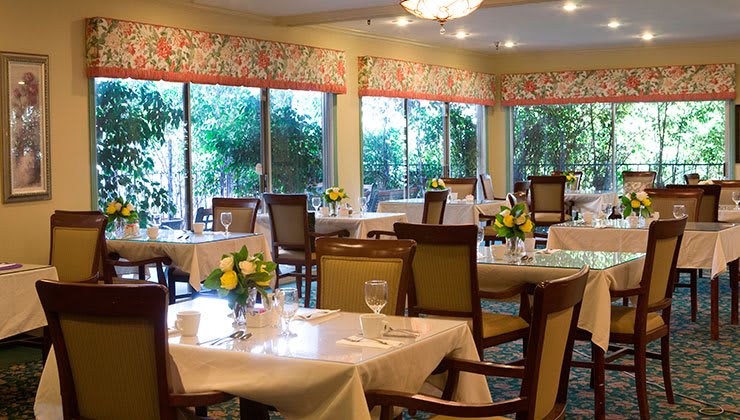
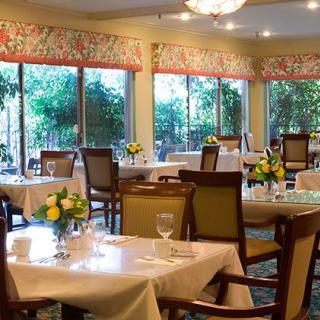
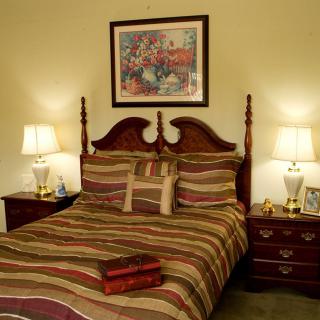
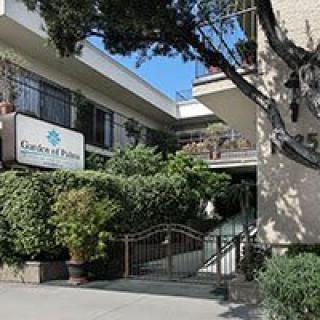
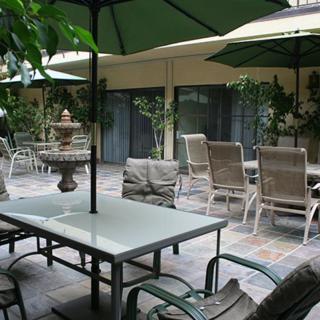
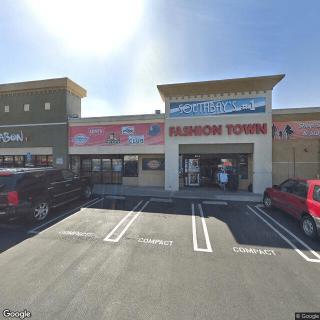
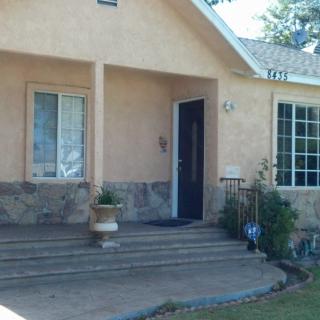
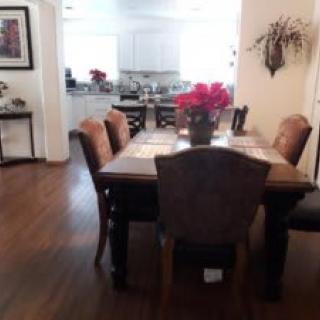
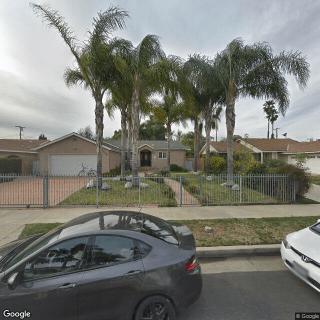
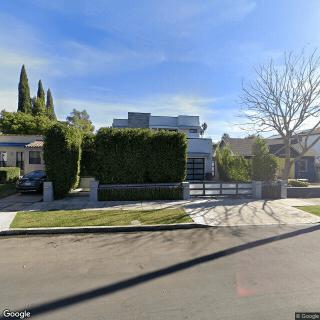
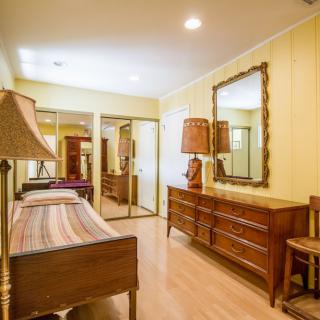
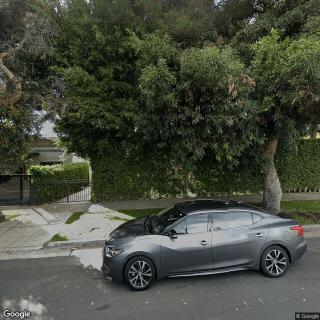
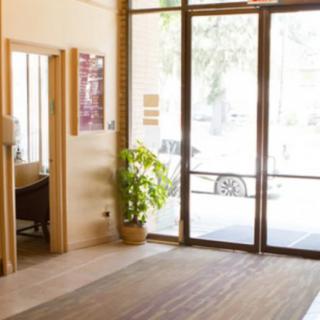
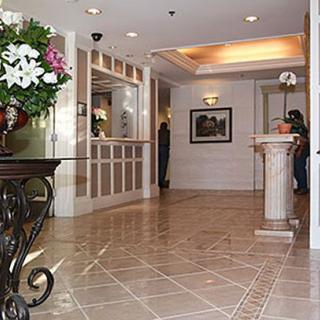
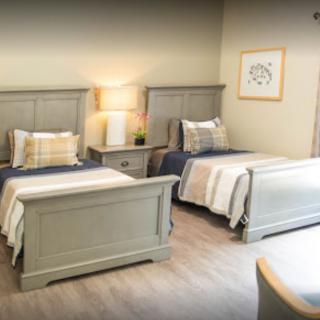
Garden Of Palms on seniors.fyi includes 7 photos including images showing bedroom, decor, outdoor, dining, windows, gardening, outdoors, painting, and more.
Nearby Communities
Country Villa Wilshire Convalescent Center
Los Angeles, CA
4.4 from 97 reviews
Caring staff, clean facility, and engaging activities.
Fairfax Tower
Los Angeles, CA
4.9 from 8 reviews
$5,000 to $6,000 / month
Premium amenities with convenient access to cafes, parks, restaurants, theaters, and healthcare in a vibrant LA area.
Sierra Bonita Board and Care for the Elderly
Los Angeles, CA
5 from 3 reviews
$3,000 to $3,500 / month
Friendly, knowledgeable staff in a warm, home-like setting.
Mom's Home Care
West Hollywood, CA
5 from 5 reviews
Nurturing, community-focused assisted living with easy access to local amenities.
Crescent Villa Los Angeles
Los Angeles, CA
Small, personalized care (6 residents) in a well-maintained, amenity-rich setting.
Crescent Villa
Los Angeles, CA
5 from 2 reviews
$3,500 to $5,000 / month
Strong amenities and comprehensive medical care in a comfortable, well?appointed setting.
Kennedy Post Acute Care Center
Los Angeles, CA
4 from 92 reviews
Comprehensive amenities and care services (restaurant-style dining, beauty salon, fitness room, transportation, outdoor space)
Melrose Gardens
Los Angeles, CA
4.5 from 64 reviews
$3,195 to $3,995 / month
Caring staff with personalized memory care in a clean, engaging community; competitive pricing.
Melrose Villas
Los Angeles, CA
4.8 from 6 reviews
$4,500 to $6,500 / month
Specialized memory care with 24-hour supervision, comprehensive daily living support, and dementia-friendly services, plus extensive on-site amenities and activities.
Dementia often results in disrupted sleep patterns, leading to excessive daytime sleeping due to factors like brain damage affecting circadian rhythms, medication side effects, and lack of structure in daily activities. Caregivers must monitor these changes closely, as oversleeping can increase risks such as malnutrition or dehydration, and provide necessary support and routines to enhance patient engagement and well-being.
The transition from assisted living to skilled nursing care is often prompted by complex medical needs that assisted living cannot meet, with key indicators including frequent health declines, increased falls, severe memory issues, and caregiver burnout. Families should recognize these signs early to discuss options with healthcare providers and prepare for the emotional and logistical aspects of moving to a facility that offers comprehensive medical support.
Dementia is characterized by cognitive decline, with nutrition playing a vital role in brain health; while no specific diet can prevent or reverse it, a nutrient-dense diet rich in antioxidants and healthy fats may support cognitive function. The MIND diet, which emphasizes beneficial foods and limits processed items, along with proper hydration and individualized meal strategies, can enhance the well-being of dementia patients.
Get PricingAsk A QuestionSchedule A TourContact Senior Advisor
By clicking submit, you agree to our Partner's Terms of Use. You
also consent to receive calls and texts, which may be autodialed, from our Partner. Your consent is not a condition to
using our Partner's service. Please visit our Partner's Privacy Policy for information about their privacy practices.




 130 resident community capacity
 1-bedroom apartments
 Assisted Living
 Independent Living
 Memory Care
 Respite Care
 Activities off-site
 Air-conditioning
 Bath tubs
 Beautician on-site
 Cable or satellite TV
 Cafe
Cafe Computer center
 Devotional services off-site
 Dining room
 Fitness room
 Fully furnished
 Gaming room
 Garden
 Guest parking
 Handicap accessible
 Home sale assistance
 Housekeeping services
 Indoor common areas
 Kitchenette
 Laundry
 Move-in coordination
 Outdoor common areas
 Party space
 Private bathrooms
 Restaurant-style dining
 Security gate
 Small library
 Telephone
 Wellness center
 Wheelchair accessible showers
 Wi-Fi/high-speed internet available
 Burbank-Glendale-Pasadena (8 miles away)
 Community operated transportation
 12-16 hour nursing
 24-hour call system
 Ambulatory care
 Assistance with bathing
 Assistance with dressing
 Assistance with transfers
 Diabetes diet
 Diabetic care
 Hospice care
 Incontinence care
 Medication management
 Mental wellness program
 Physical therapy
 Special dietary restrictions
 Art classes
 Book club
 Concierge services
 Cooking classes
 Day trips and outings
 Educational speakers / life long learning
 Games
Games Happy hour
 Jewish services
 Karaoke
 Live musical performances
 Wine tasting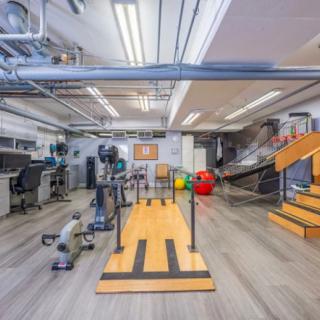
 Caring staff, clean facility, and engaging activities.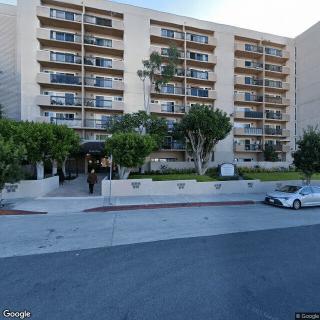

 Why Do Dementia Patients Sleep So Much? Understanding Oversleeping, Stages, and Care Approaches
 8 Key Indicators That Suggest It May Be Time to Transition from Assisted Living to Skilled Nursing Care
 Nourishing the Mind: Essential Dietary Approaches for Dementia