
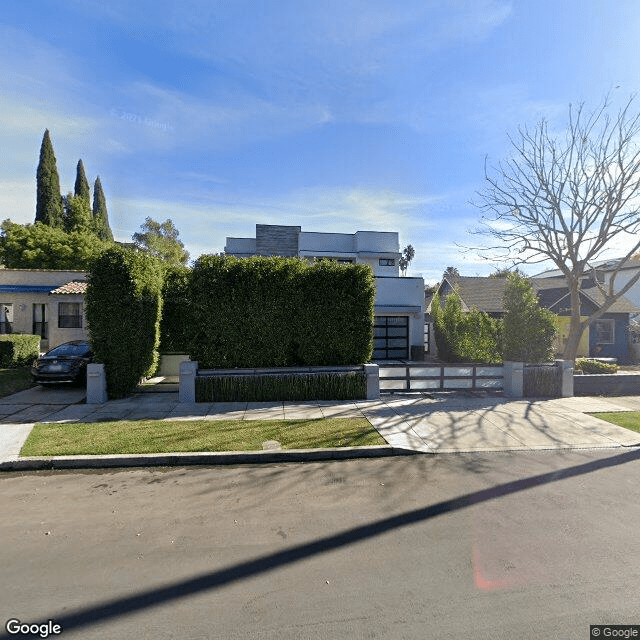
822 N Laurel Ave., Los Angeles, CA 90046
To contact a resident: (323) 658-8722
For more information about senior living options: (866) 208-4318
Sierra Bonita Board and Care for the Elderly Costs & Pricing
Sierra Bonita Board and Care for the Elderly offers competitive monthly rates for its residents, with semi-private rooms priced at $3,000 and private rooms at $3,500. These costs are notably lower than the average rates in Los Angeles County, where semi-private accommodations typically run about $3,349 and private rooms reach approximately $4,197. When compared to the broader California market, Sierra Bonita remains an appealing option; while state averages for semi-private and private rooms stand at around $3,333 and $3,939 respectively, Sierra Bonita provides a more economical alternative without compromising on quality care. This makes it an attractive choice for families seeking affordable yet supportive living arrangements for their elderly loved ones in a nurturing environment.
| Floor plans | Sierra Bonita Board and Care for the Elderly | Los Angeles County | California |
|---|---|---|---|
| Semi-Private | $3,000 | $3,349 | $3,333 |
| Private | $3,500 | $4,197 | $3,939 |
Senior living communities with a similar price nearby
-
from +$500 / mo
Kind Heart Home Care VI
$3,500 to $5,000 / month18.3 miles away -
from +$300 / mo

Bella Manor II
$3,300 to $4,290 / month24.5 miles away -
from +$500 / mo
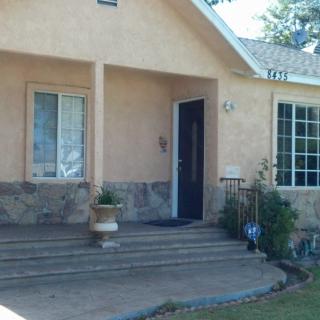
Paradise Senior Living 1
$3,500 to $4,500 / month14.5 miles away -
from -$250 / mo
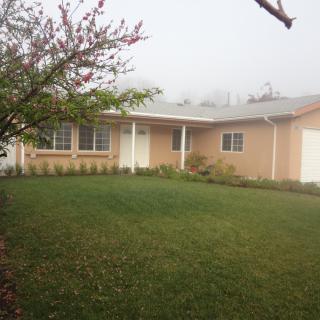
Dignity Care Home 1
$2,750 to $4,150 / month12.2 miles away -
from -$500 / mo
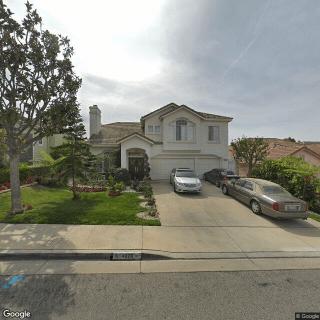
Eleanor's Residential Home
$2,500 to $6,000 / month6.2 miles away
Overall Review of Sierra Bonita Board and Care for the Elderly
Pros
 Sierra Bonita has a very upbeat and friendly staff.
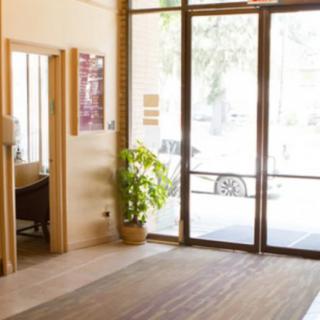
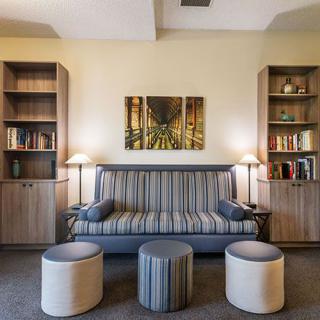
- The house-like environment makes for a homey feel.
- Sabina and Guila are both very friendly and knowledgeable.
- The care has greatly improved the mother's life.
Review
Sierra Bonita Board and Care for the Elderly is best suited for families seeking a compact, home-like setting where seniors receive hands-on, personable care and where daily interactions with attentive staff translate into tangible comfort. The community’s house-like ambiance creates a familiar, non-institutional feel that helps residents settle in without the clinical edge that often accompanies larger facilities. An upbeat, friendly staff permeates daily life, and the care approach appears to be highly relationship-driven, which matters when emotional well-being and consistent daily support are priorities.
Those weighing alternatives should consider whether needs extend beyond companionship and routine assistance. For seniors with significant medical complexity, frequent changes in health status, or a requirement for on-site nursing oversight, a larger assisted-living community or a facility with dedicated memory-care resources may deliver more comprehensive medical and programmatic support. Families seeking a broad activity calendar, extensive transportation options, or programs designed to systematically address progressive conditions may find more structure and variety in a bigger setting. In short, the appeal of a cozy, home-like environment can come with trade-offs for residents who require more intensive clinical care or diverse amenities.
The strongest pros here are the staff’s approachable demeanor and knowledge, coupled with the home-like environment that reduces friction and anxiety for residents. The impressions emphasize that Sabina and Guila are not just friendly but genuinely capable and attentive, contributing to a daily experience where care feels competent and personalized. When a care team communicates with warmth and clarity, it promotes trust, reduces confusion for families, and often leads to improvements in day-to-day functioning because residents respond better to a routine that feels predictable and caring. That human-alignment, caregivers who know residents well and respond quickly, helps to offset the potential limitations of a smaller operation by delivering dependable, observable benefits in quality of life.
A further strength is the tangible outcome described: care has greatly improved a loved one’s life. While no one option is perfect, the ability to translate attentiveness into measurable daily gains, more engagement, steadier routines, and reduced agitation or withdrawal, points to a core advantage of this model. For families, that translates into peace of mind: a setting where staff interactions are not rushed, where questions are answered with confidence, and where the resident’s preferences shape everyday decisions. In practice, this means visits tend to reveal a caregiving team that prioritizes warmth, responsiveness, and a sense of home rather than a rigid, impersonal schedule.
Yet the small, board-and-care footprint naturally carries potential limitations. The scale can constrain the range of medical resources, specialized programming, and high-acuity support found in larger facilities. While the staff appears capable and engaged, families should verify how care plans are managed as needs evolve, and whether there is ready access to nursing supervision, medication management, and emergency protocols. Budget considerations and location logistics also come into play; families should compare monthly costs, inclusions, and potential for price increases over time, as well as proximity to family and familiar services in Los Angeles.
In sum, Sierra Bonita offers a practical, emotionally intelligent option for seniors who thrive on personal attention, a warm, home-like daily rhythm, and a staff that can be trusted to translate care into meaningful life improvements. It stands out for those valuing close-knit relationships, visible caregiver investment, and a setting that feels like a welcoming home rather than a facility. For families prioritizing clinical breadth, specialized dementia programming, or a wider array of amenities, alternatives in the same market will likely deliver greater breadth of services. The prudent path is to visit, observe caregiver interactions firsthand, ask pointed questions about staffing levels, and confirm how care plans adapt as needs change, ensuring the choice aligns with both current requirements and anticipated health trajectories.
 Board and Care Home
 Private
 Burbank-Glendale-Pasadena (8 miles away)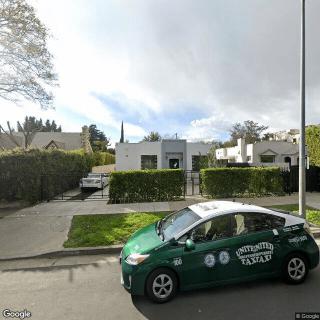
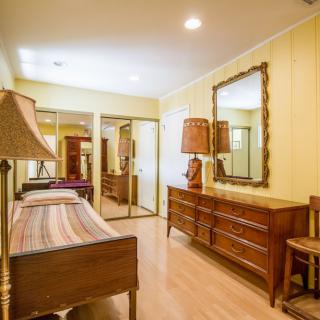


 9 Stimulating Memory Activities for Seniors: Puzzles, Cards, and Much More
 Managing Nursing Home Expenses After Medicare Coverage Ends
 Is a Geriatric Care Manager the Right Choice for Your Family?