
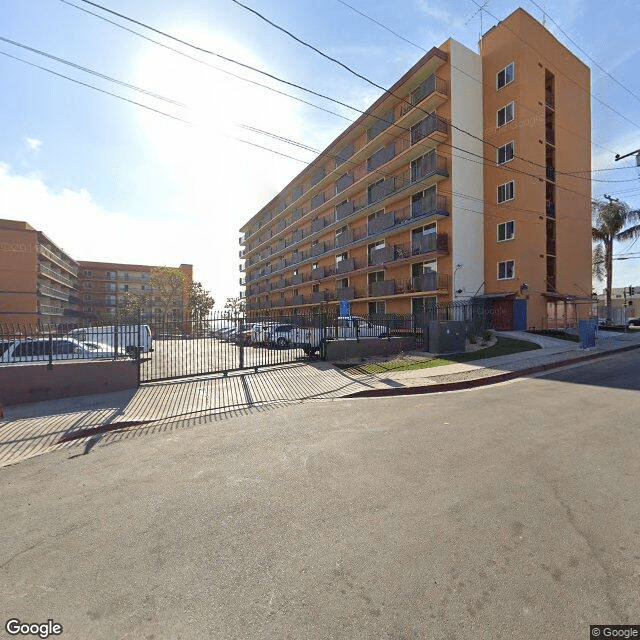
4000 Fairmount St, Los Angeles, CA 90063
To contact a resident: (323) 268-8474
For more information about senior living options: (866) 208-4318
Overall Review of Fairmount Terrace
Pros
 She has found it clean, peaceful, and relaxing for many years.
- She loves it.
- It is clean, peaceful, and relaxing.
Cons
 Beeping is heard from the building.
- A homeless man harasses everyone in the neighborhood, and staff walk by without addressing the problem.
Review
Fairmount Terrace in Los Angeles is best suited for seniors who want a quiet, home‑like setting where daily routines stay steady and living remains low‑key. The most persuasive takeaway from residents who stay long term is a clean, peaceful environment that feels comfortable and predictable. For families seeking a place that functions more like a traditional home than a bustling care campus, this community can deliver stability, familiar social rhythms, and straightforward housekeeping and meals. It is a setting where residents can stay within a known neighborhood and enjoy a sense of continuity, rather than chase active programming or rapid medical oversight. That combination, quiet pace, routine, and a homey vibe, defines where Fairmount Terrace earns its value.
Those who should consider alternatives are families with higher care needs or strict expectations around safety and responsiveness. If daily living requires substantial assistance with activities of daily living, complex medication management, or memory‑care supports, this option may fall short. Reports of beeping noises and a homeless individual in the surrounding area, coupled with perceptions that staff do not intervene promptly, raise legitimate concerns about safety, nuisance control, and escalation procedures. Prospective residents who demand visible security, rapid incident response, or comprehensive on‑site programming should look at communities that publicly prioritize those features. In short, Fairmount Terrace works best when the resident’s needs are moderate and the priority is a calm, familiar home environment rather than intensive supervision.
On the upside, cleanliness and calm are major strengths. One family notes that a loved one has lived there for years and describes the place as clean, peaceful, and relaxing, underscoring a daily life that can feel almost carefree for residents who value stability. The long‑term occupancy helps preserve a sense of community and continuity, reducing the stress of adapting to new surroundings. For residents who prize routine over novelty, the predictable schedule and straightforward services, housekeeping, meals, and a familiar social fabric, can translate into real peace of mind. When stability matters more than high‑energy activity or specialized care, these attributes become meaningful advantages that make the day‑to‑day experience easier to manage.
Yet the downsides are not trivial. The beeping issue and the inability or unwillingness to address a disruptive external presence present real irritants and potential safety concerns. Even anecdotal reports of a homeless person on the premises’ lawn, combined with a perception of staff letting problems slide, cast a shadow over overall security and resident comfort. For families evaluating risk, these signals can influence decisions about whether the environment feels reliably safe for a parent or spouse, especially when visitors and anxieties spike during disturbances. The impact on mood, sense of security, and willingness to invite family members to visit cannot be dismissed, and these factors deserve careful probing during tours and conversations with management.
The practical calculus comes down to fit. For a resident who can largely manage day‑to‑day needs, appreciates routine, and values a stable, home‑like atmosphere, Fairmount Terrace can be a pragmatic choice that delivers genuine comfort without forcing a lifestyle overhaul. The key is to verify that the resident strength, consistency, quiet living, and simple services, will remain sufficient as needs evolve. Families should demand clear policies and documentation on incident response, nuisance mitigation, and security protocols. Tour experiences should include candid conversations with staff about how disturbances are handled, and current residents should be consulted about real‑world daily life. If the answers demonstrate dependable oversight and a workable plan for the types of disturbances reported, the pros can substantially offset the cons.
For families weighing options, Fairmount Terrace represents a legitimate option when serenity and routine trump intensive care requirements. It can fulfill a role as a steady, long‑term home for seniors who don’t demand aggressive programming or 24/7 supervision, and who are comfortable managing occasional external disturbances within a forgiving, low‑key framework. However, for those seeking robust safety measures, rapid problem resolution, or formal memory‑care services, alternative communities should be prioritized. The bottom line: this community delivers peace of mind for the right resident, one who values a familiar, quiet lifestyle and can tolerate, with a practical plan, the occasional safety and nuisance concerns that have surfaced. It is not a one‑size‑fits‑all solution, but it can be the correct match for the right elder, aligned with a family’s tolerance for external challenges and a shared commitment to steady, uncomplicated living.
 Burbank-Glendale-Pasadena (15 miles away)




 Comprehensive Guide to Medicare Coverage for Hospice Care
 Caring for Those Who Care: Recognizing, Understanding, and Overcoming Caregiver Burnout
 Caregiver Exhaustion: Recognizing the Signs and Restoring Your Well-Being