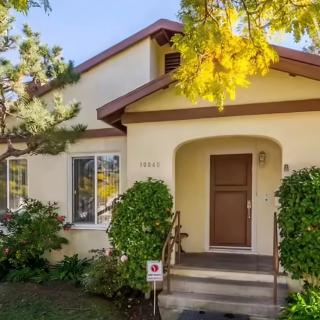
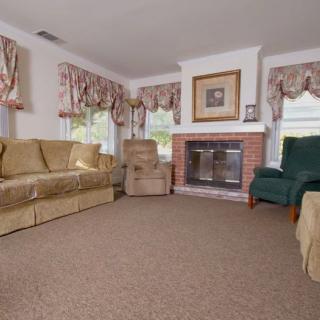
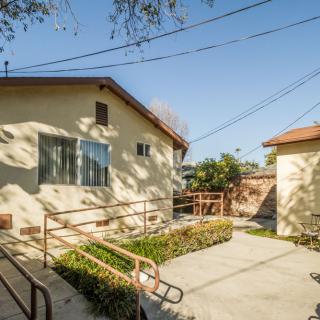
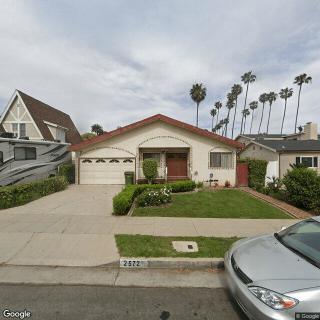
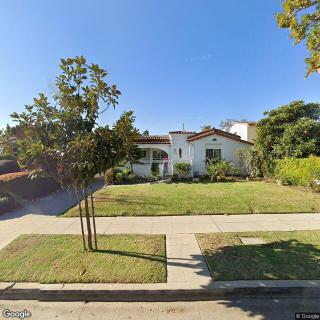
10940 Ayres Avenue, Los Angeles, CA 90064
To contact a resident: (310) 475-6484
For more information about senior living options: (866) 208-4318
Ayres Residential Care Home Costs & Pricing
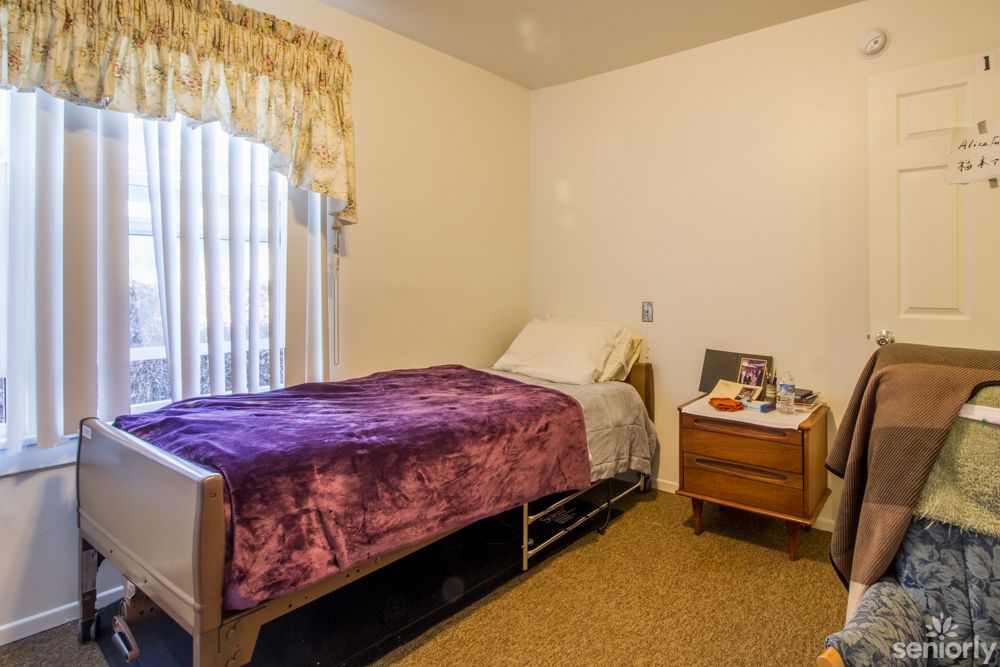
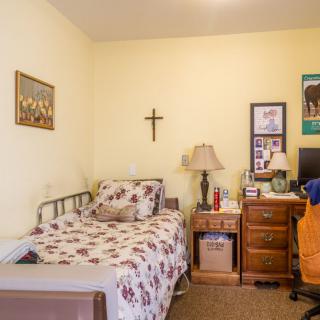
Ayres Residential Care Home offers private room accommodations at a monthly rate of $6,500, which is notably higher than the average costs for similar facilities in Los Angeles County and across California. In Los Angeles County, the average cost for a private room is approximately $4,197, while the state average stands at about $3,939. This pricing reflects Ayres Residential Care Home's commitment to providing an elevated standard of care and personalized services that may not be available in more budget-friendly options. While it positions itself in the premium segment of residential care facilities, potential residents and their families should consider the value added through enhanced amenities and individualized support that Ayres aims to deliver.
| Floor plans | Ayres Residential Care Home | Los Angeles County | California |
|---|---|---|---|
| Private | $6,500 | $4,197 | $3,939 |
Overall Review of Ayres Residential Care Home
Pros
 Elysium is highly regarded for its quality.
- The facility is very clean.
- The staff are nice.
- They provide prompt feedback when problems arise.
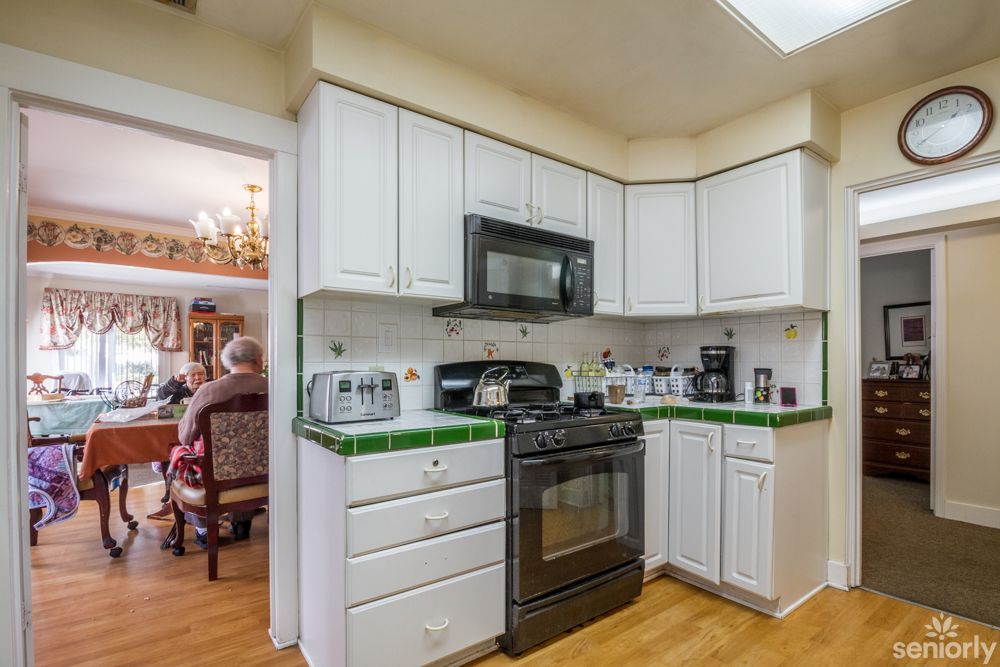
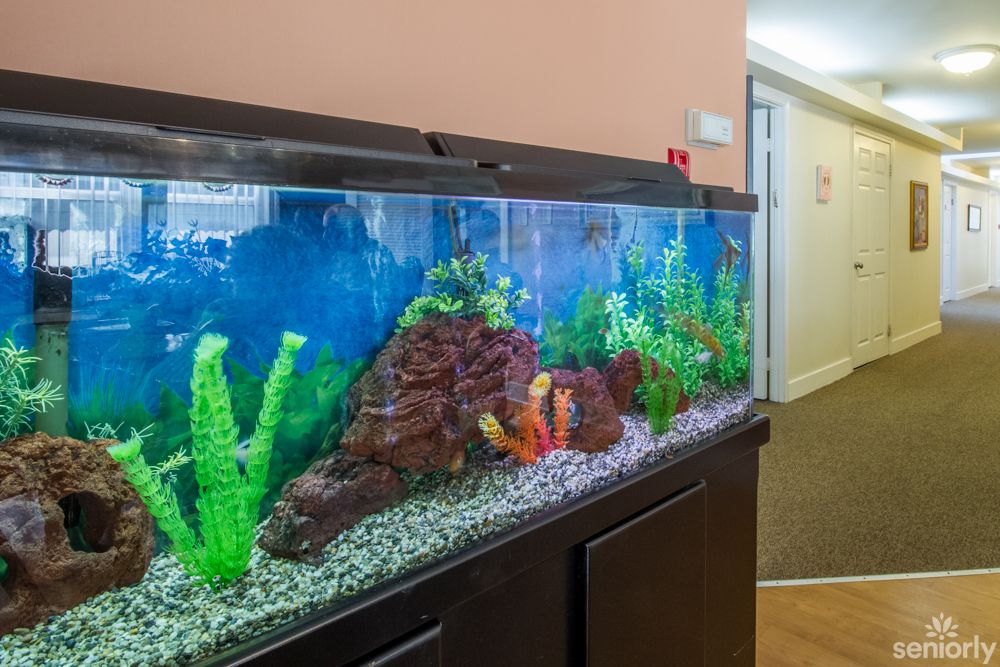
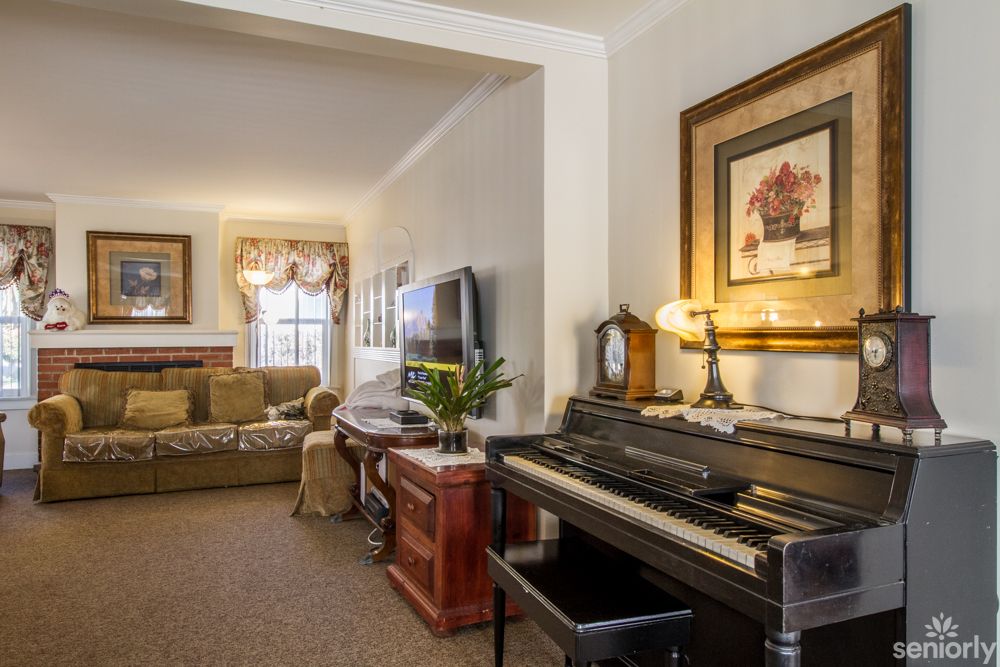
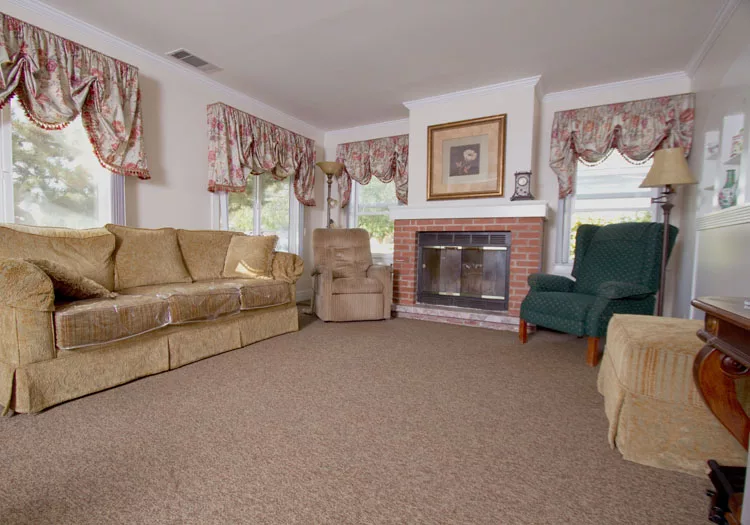
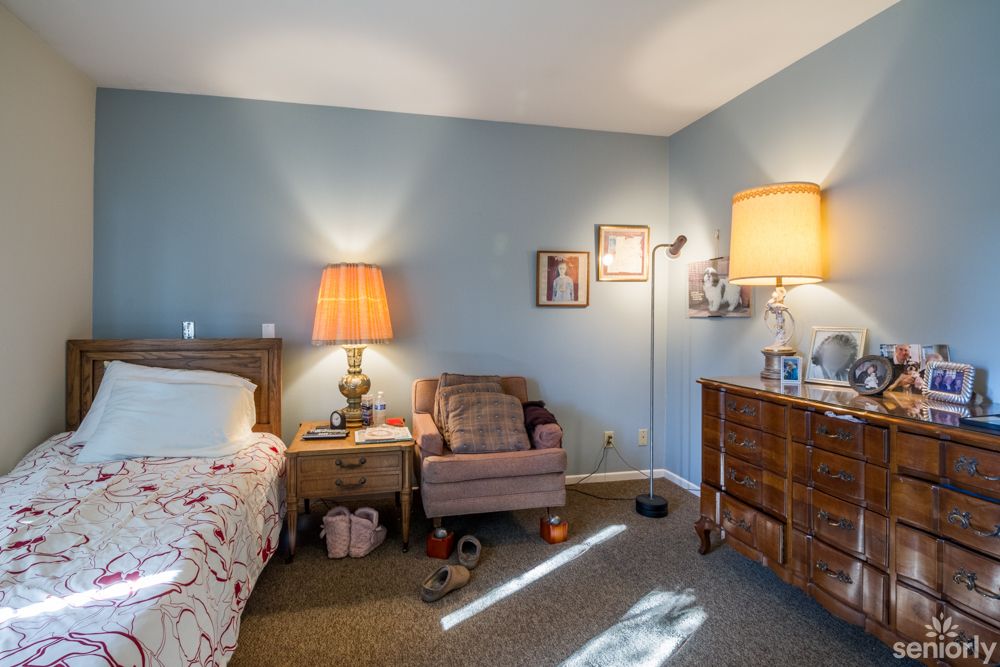
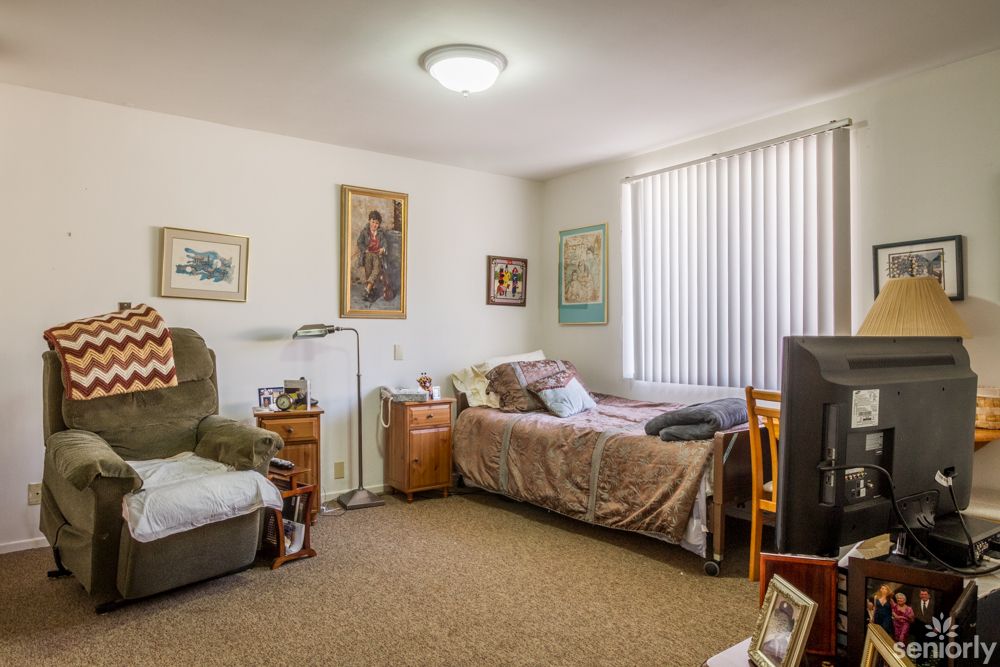
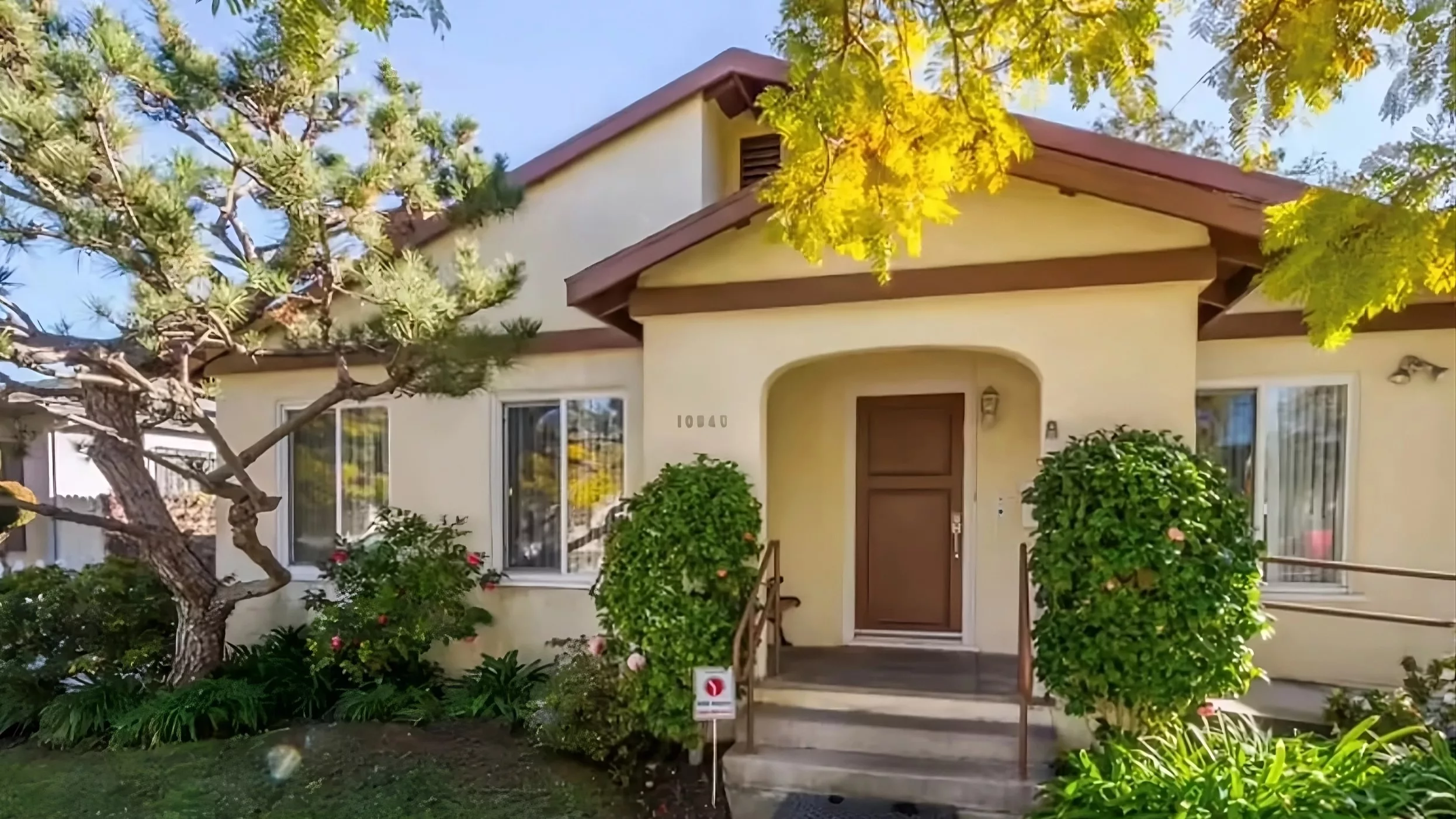
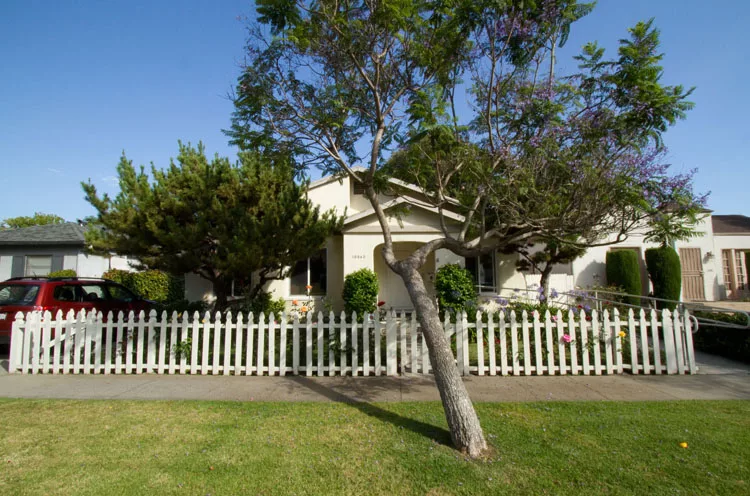
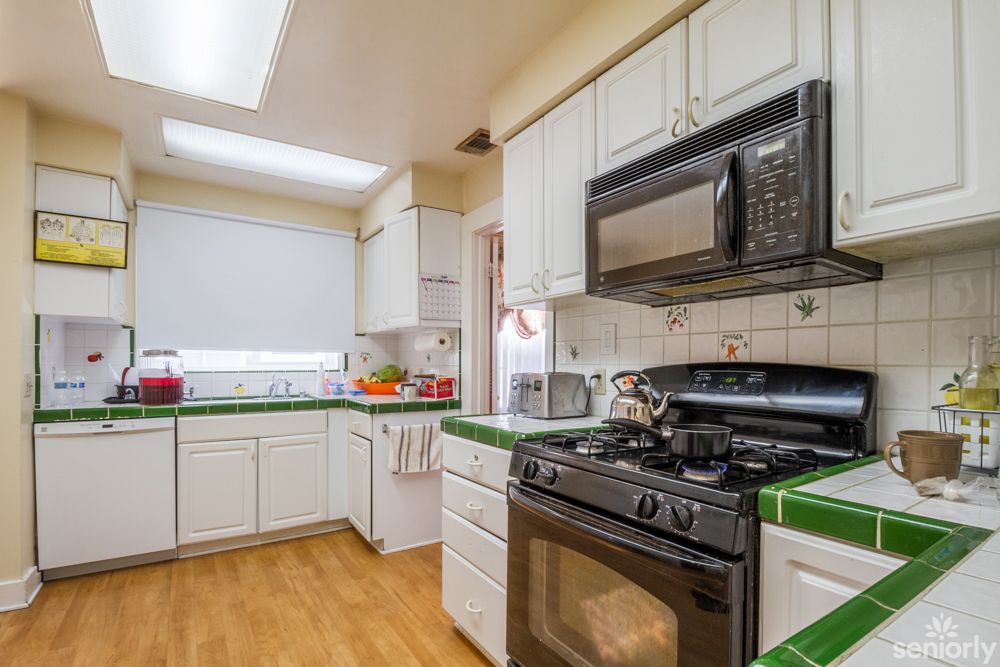
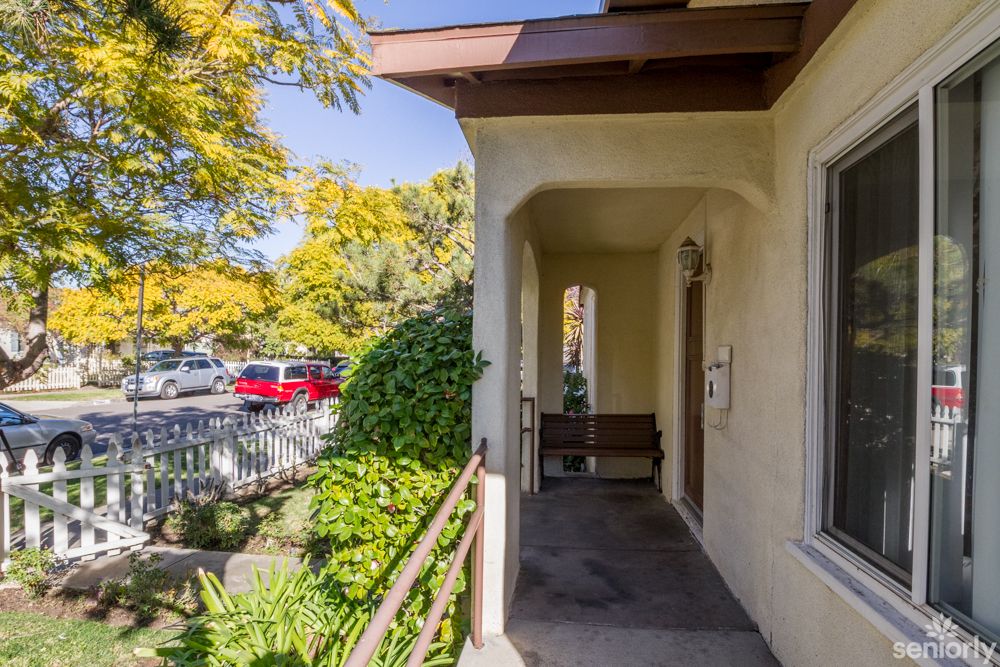
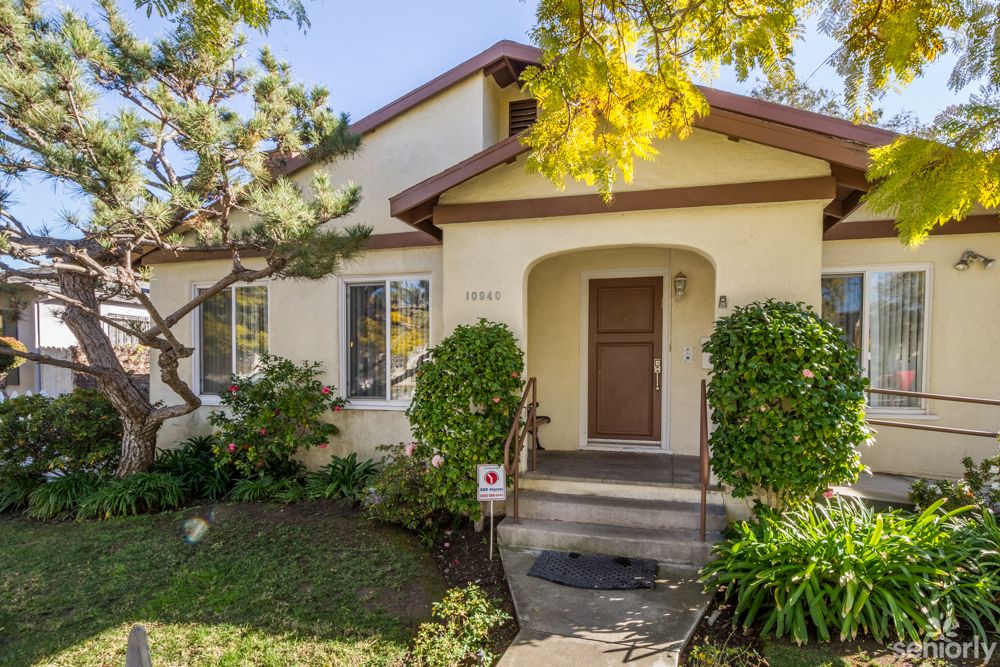
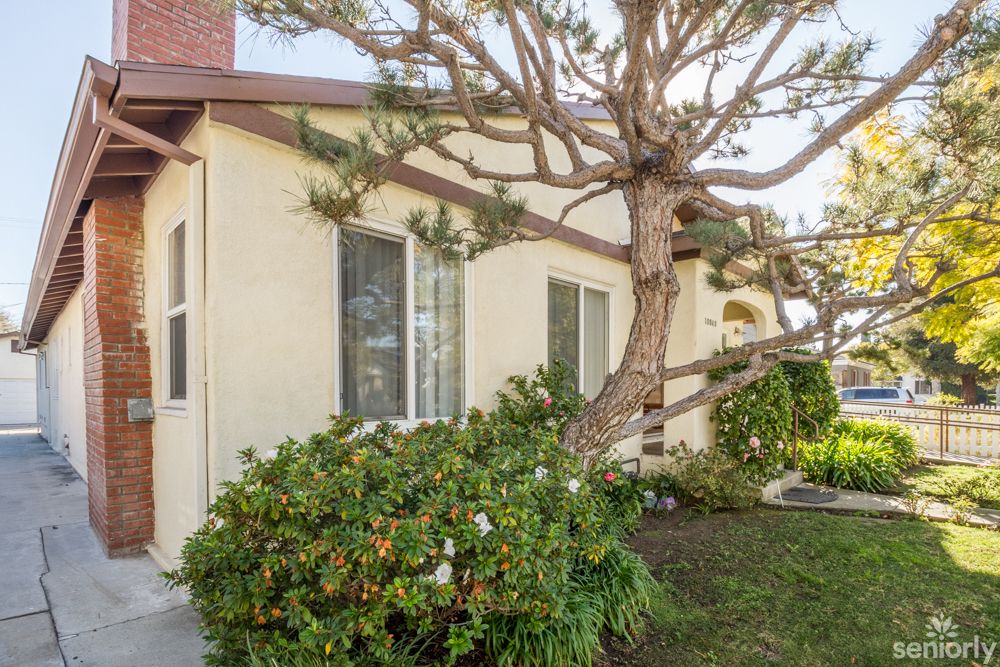
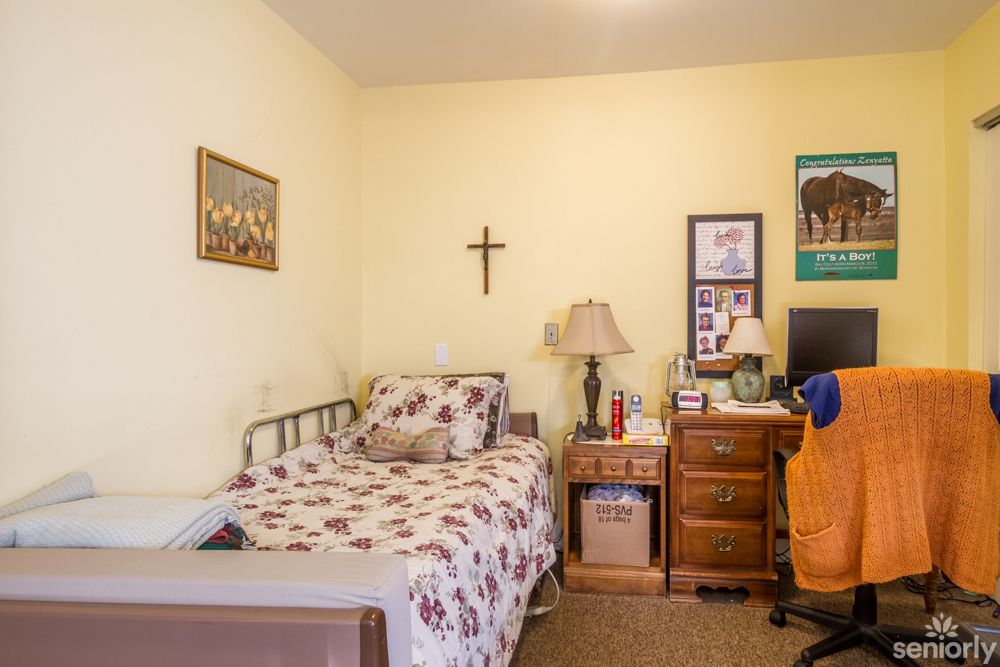
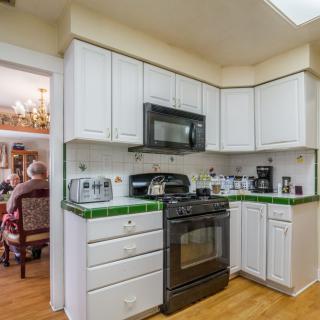
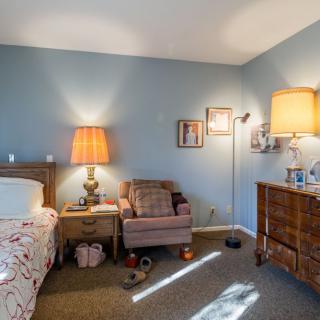
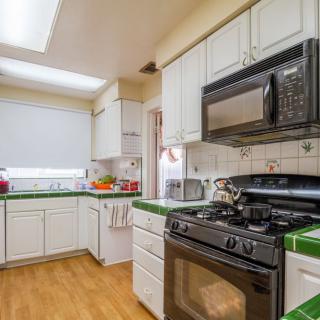
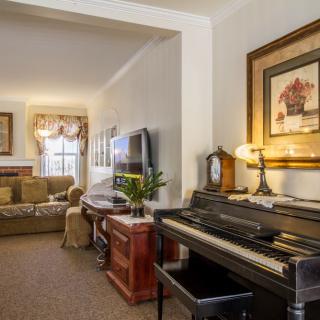
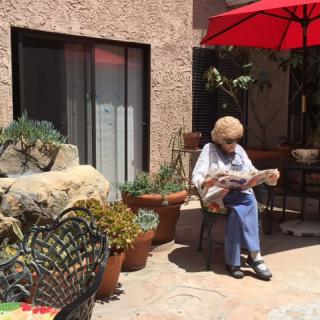
- The environment feels homey and has been recently renovated.
- Meals are delivered to residents' rooms.
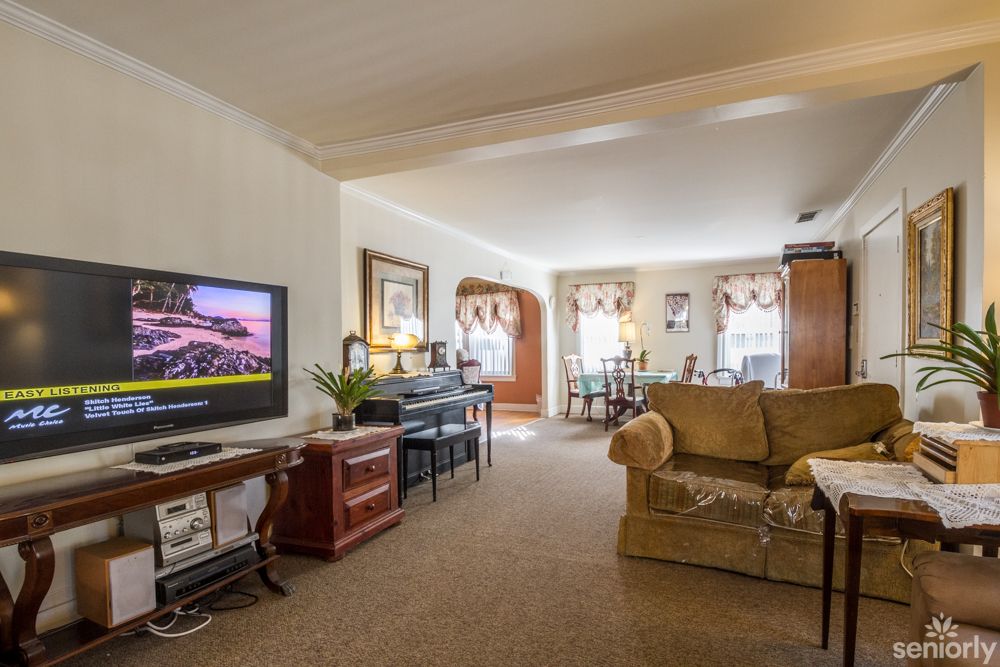
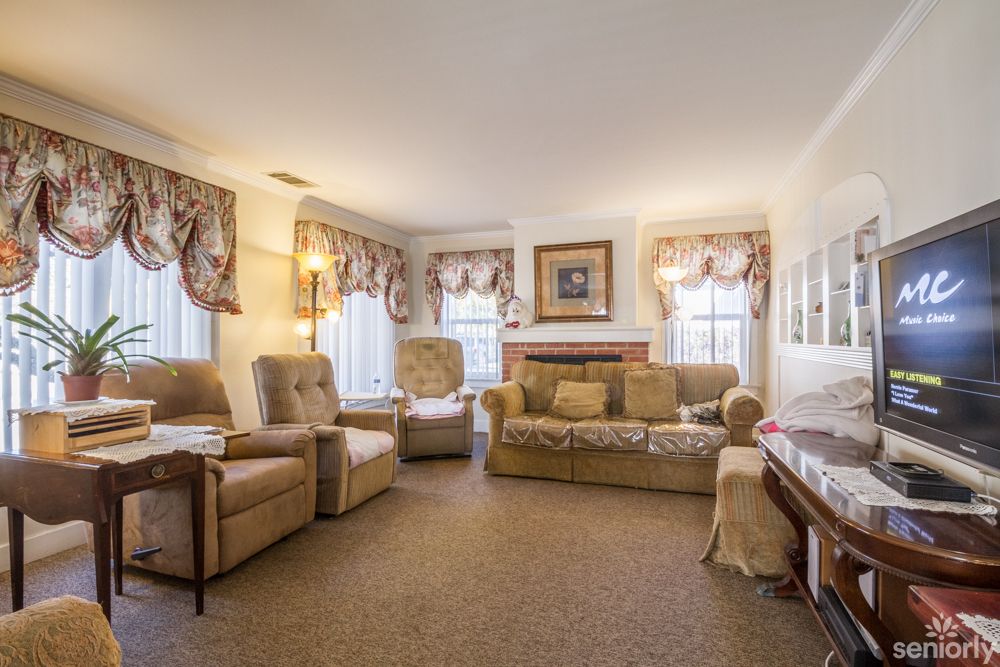
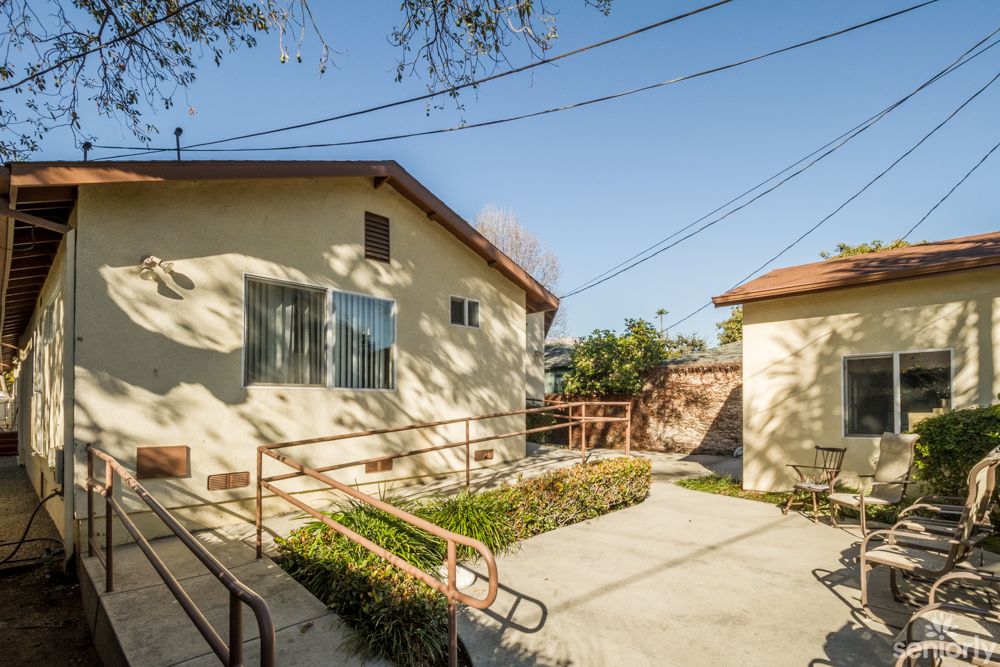
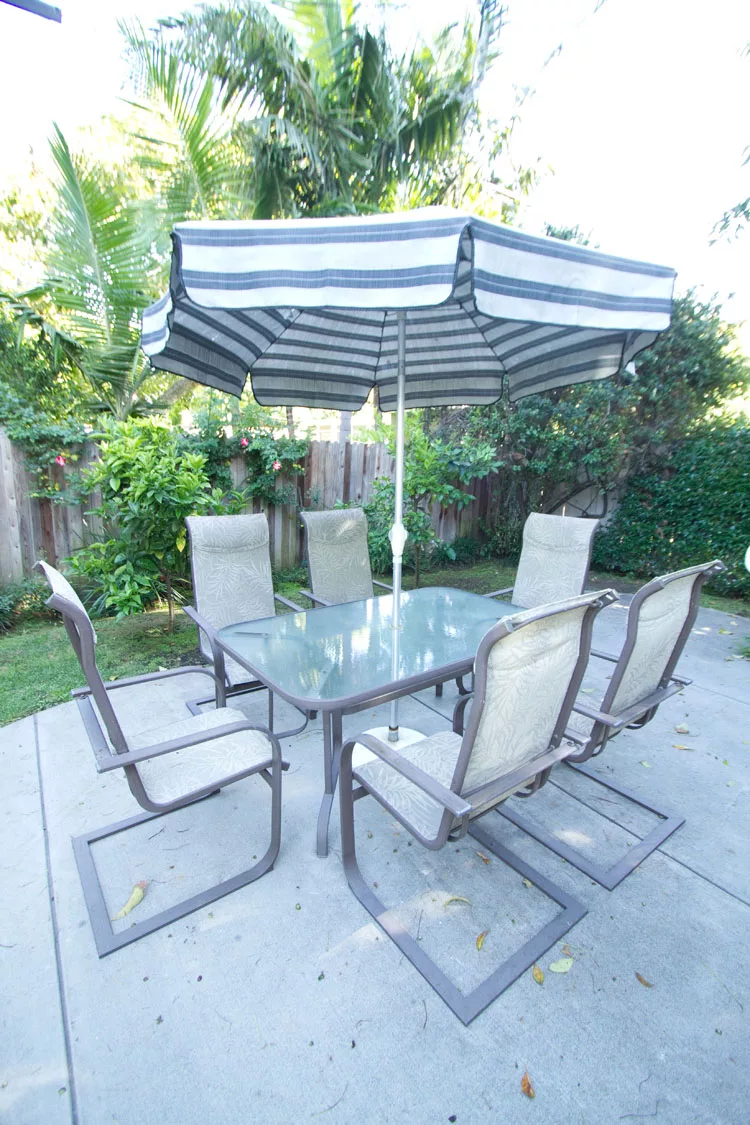
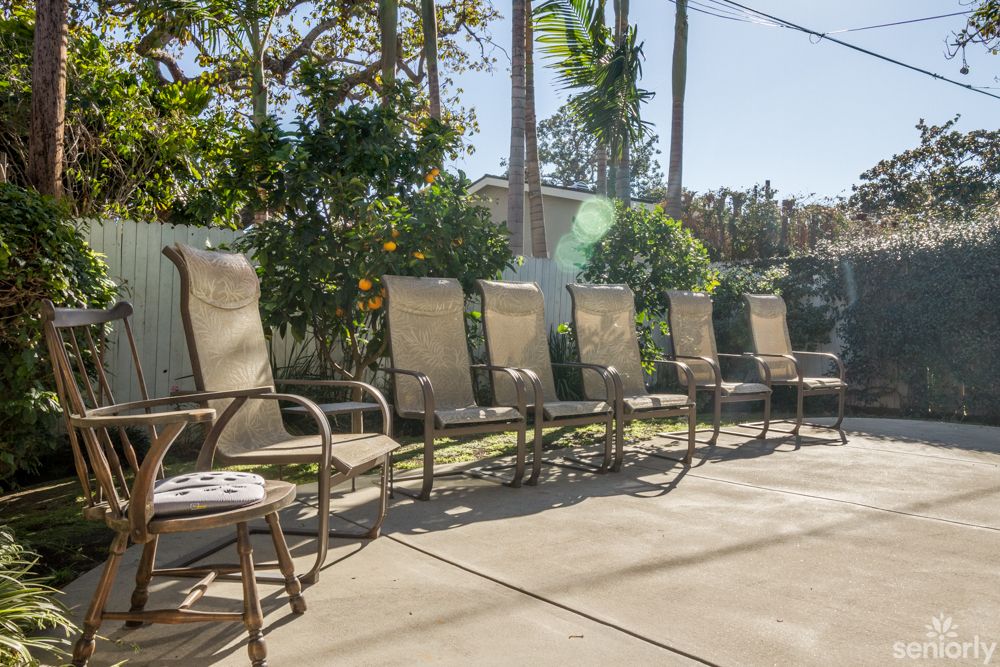
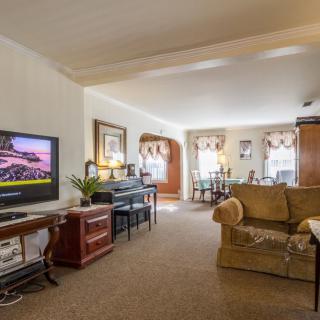
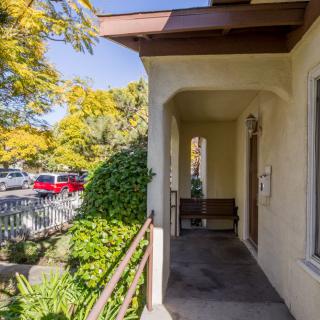
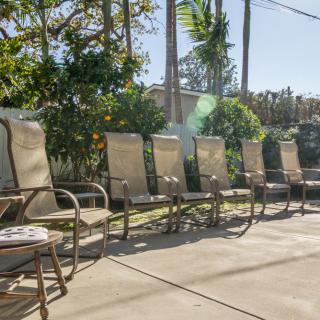
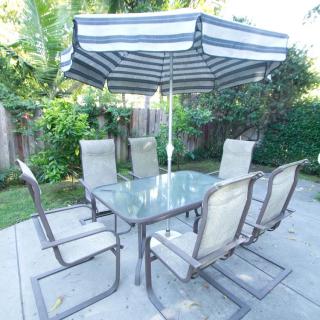
- There is a TV room and an outdoor sitting room available.
- The setting is small and intimate, with six beds and two caregivers.
- Families are kept up to date with residents’ status and communication is good.
- Residents are very happy there.
Cons
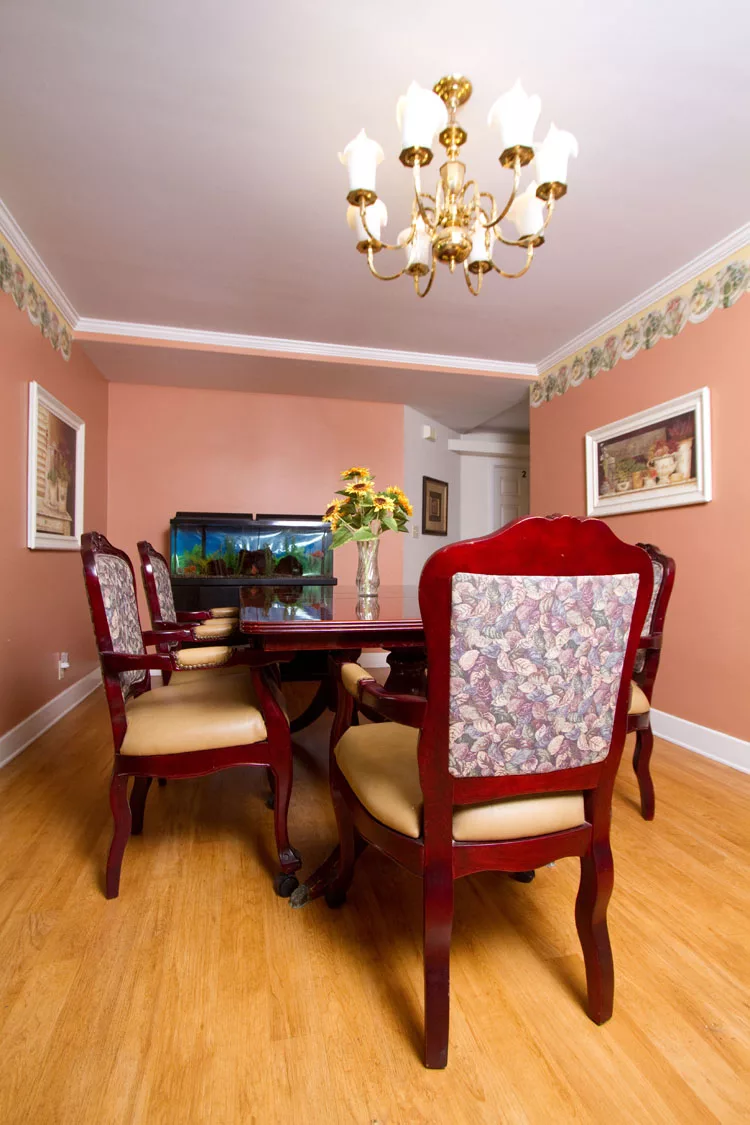
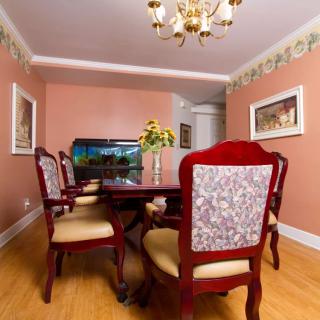
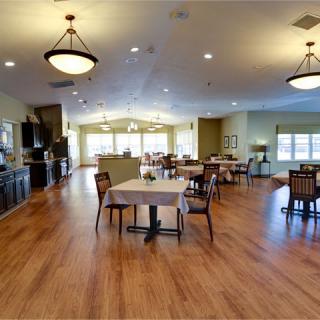
 The dining area was rarely used.
- The father did not like participating in activities.
- The facility was too small and too dark.
- The reviewers were not as keen as the author's mother.
- The reviewers concluded that the facility was not for them.
Review
Ayres Residential Care Home in Los Angeles is best suited for families seeking a truly intimate, high-touch care experience delivered in a home-like setting. With only a handful of beds and a small, closely connected staff, this community excels when seniors require consistent supervision, clear communication, and makes-me-feel-at-home comfort. The reviews underscore a responsive operation led by an RN, strong cleanliness, and a rhythm of updates that keeps families in the loop. For those who want to feel they are visiting a residence that behaves like a private home rather than a large institution, Ayres delivers.
Those considering alternatives should weigh the desire for a more expansive social calendar and brighter public spaces. Several reviews point to concerns about space and ambiance, some residents’ families felt the setting was too small or too dark for their taste, and a larger, busier dining or activity scene was preferred. If a resident values frequent group activities, club-like programs, or a dining area where meals are enjoyed communally, a larger facility with more robust programming may be a better fit. In particular, families drawing a link to other nearby options, such as Michael’s other home near Century City, might find those environments better aligned with a livelier pace and more visible common areas.
On the upside, the key advantages are substantial. The home is described as sparkling clean, newly renovated, and undeniably homey, with a level of intimate attention that comes from a six-bed setup. The small scale fosters genuine caregiver-resident relationships, and the staff are consistently portrayed as kind and attentive. Direct and frequent family communication stands out, families report reliable updates on their loved ones and easy access to speak with caregivers or the person running the home. The presence of a hospice nurse and ongoing medical oversight by an RN further strengthens the sense of security for families navigating complex care needs.
Yet the main drawbacks center on scale and social options. The limited number of beds naturally constrains social activity and public spaces, which some residents and families may find limiting. A few reviews mention that the dining area isn’t actively used, with meals delivered to rooms, which can feel less communal for residents who value shared dining experiences. For others, the intimate environment is exactly what helps seniors feel safe and cared for; for some, it can feel isolating or insufficiently stimulating. Any expectation of a bustling atmosphere should be recalibrated to reflect the residence’s deliberately small footprint.
Nevertheless, the favorable elements offset the drawbacks for certain priorities. When safety, consistency, and tight family communication are paramount, Ayres shines: the RN-led leadership, the two caregivers for six residents, and the ongoing availability of a hospice nurse create a level of continuity that is rare in larger settings. The refreshed, clean, and comfortable atmosphere reinforces a feeling of dignity and respect for residents, while the direct access to updates provides real reassurance for families managing ongoing care decisions. This combination makes Ayres a strong match for those who value continuity and a true home environment over breadth of activity.
For families evaluating Ayres, practical next steps are essential. Schedule a thorough tour and ask pointed questions: what is the exact caregiver-to-resident ratio across shifts, how are updates communicated (daily calls, weekly summaries, or both), and what is the typical daily schedule for activities, outings, and social dining? Inquire about dining options, whether meals can be enjoyed in a shared dining space if desired, and how often residents participate in planned activities, and discuss how end-of-life and hospice support integrates with routine care. The verdict is clear: Ayres Residential Care Home stands out for those prioritizing intimate, attentive, and well-coordinated care in a quiet, home-like setting. For families seeking a more expansive social milieu, or brighter, larger common areas and dining experiences, exploring larger LA options would be prudent.
 6 resident community capacity
 Studio apartments
 Assisted Living
 Board and Care Home
 Memory Care
 Dogs allowed
 Activities off-site
 Beautician on-site
 Cable or satellite TV
 Devotional services on-site
 Dining room
 Fully furnished
 Garden
 Housekeeping services
 Indoor common areas
 Move-in coordination
 Outdoor common areas
 Private
 Private bathrooms
 Respite or short term stays offered
 Small library
 Telephone
 Wheelchair accessible showers
 Los Angeles International (7 miles away)
 24-hour supervision
 Ambulatory care
 Assistance with bathing
 Assistance with dressing
 Assistance with transfers
 Diabetes diet
 Diabetic care
 High acuity care
 Incontinence care
 Meal preparation and service
 Medication management
 Mental wellness program
 Special dietary restrictions
 Adventist services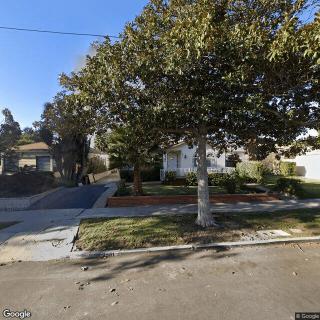



 Understanding Dementia Behaviors: Practical Insights and Strategies for Caregivers
 When Dementia Sparks Anger and Aggression: Understanding the Connection and Ways to Cope
 Dementia Behaviors: In-Depth Understanding and Effective Coping Strategies