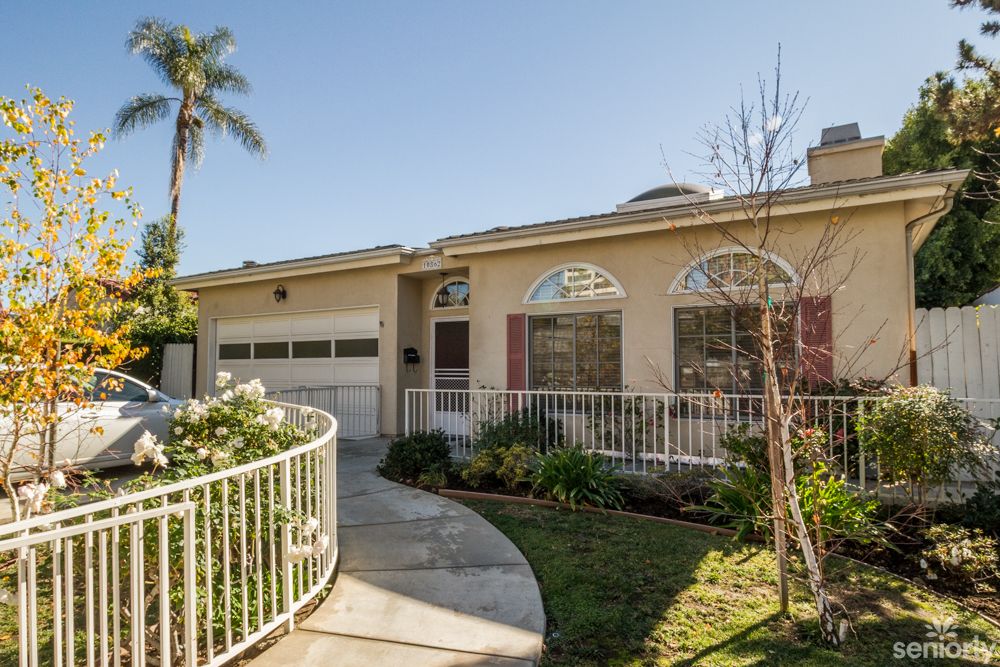
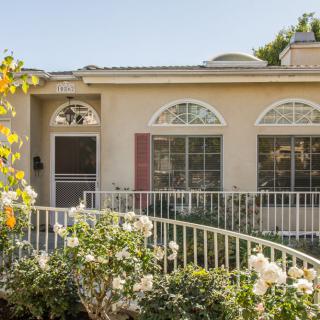
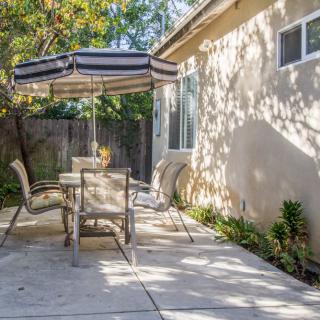
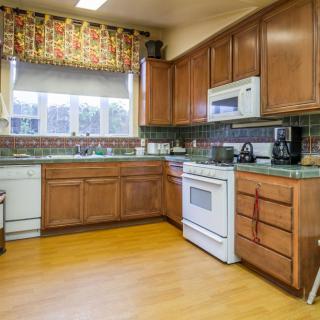
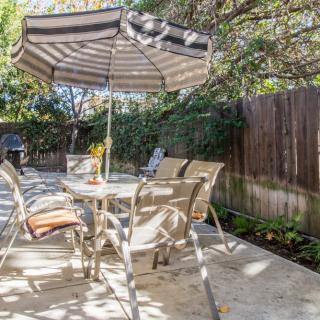
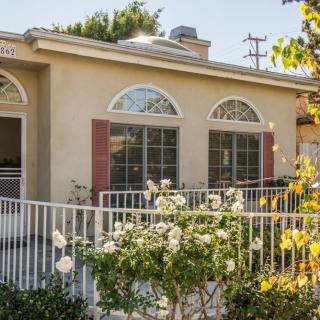
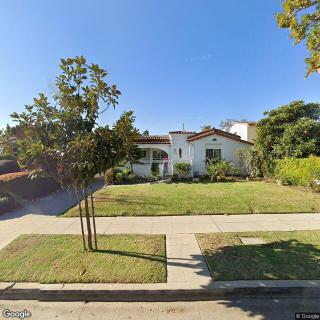
10862 Wellworth Avenue, Los Angeles, CA 90024
To contact a resident: (310) 475-6484
For more information about senior living options: (866) 208-4318
Ayres Residential Care Home Costs & Pricing
Ayres Residential Care Home presents a premium option for residents, with a monthly rate of $7,500 for private rooms. This cost significantly exceeds the average rates in Los Angeles County, which stands at approximately $4,197, and is notably higher than the statewide average of $3,939. While Ayres may be positioned at the higher end of the market, potential residents and their families might consider this investment as reflective of enhanced services, amenities, or specialized care that contributes to an overall exceptional living experience. Such rates often encompass not only accommodation but also personalized support tailored to individual needs, thus offering value that may justify the difference in cost when compared to more typical facilities.
| Floor plans | Ayres Residential Care Home | Los Angeles County | California |
|---|---|---|---|
| Private | $7,500 | $4,197 | $3,939 |
Overall Review of Ayres Residential Care Home
Pros
 The owner was very helpful to her and to the family.
- He fell in love with the mother and was very supportive to them.
- The mother was in the right place to spend her last days.
- The friend received excellent care there, with the staff delivering high-quality care.
- Michael Gabai’s concern and care for the residents is stellar.
Cons
 The family found the adjustment very hard.
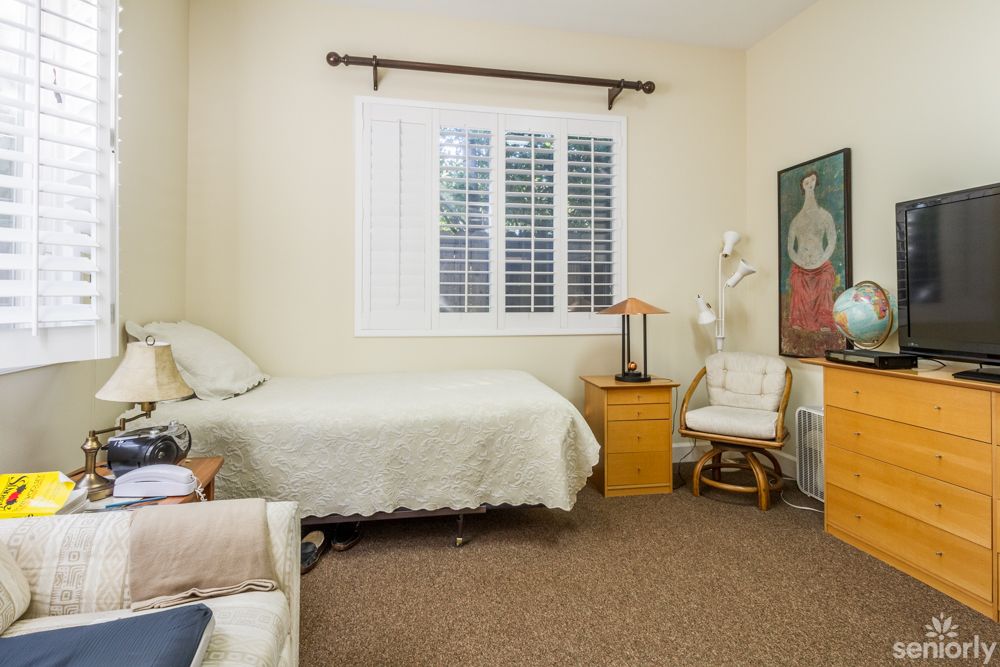
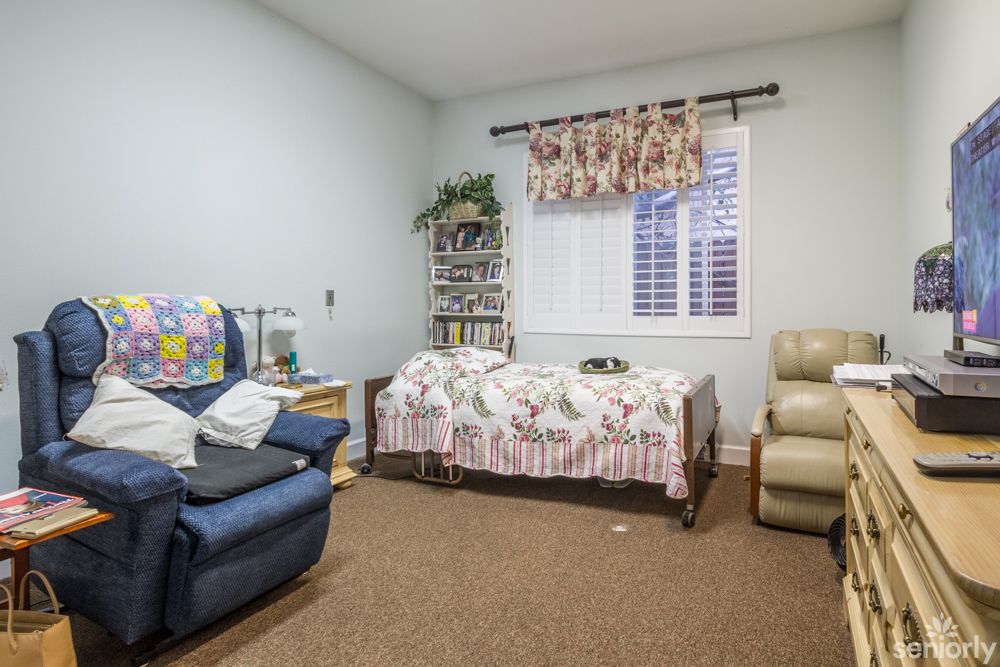
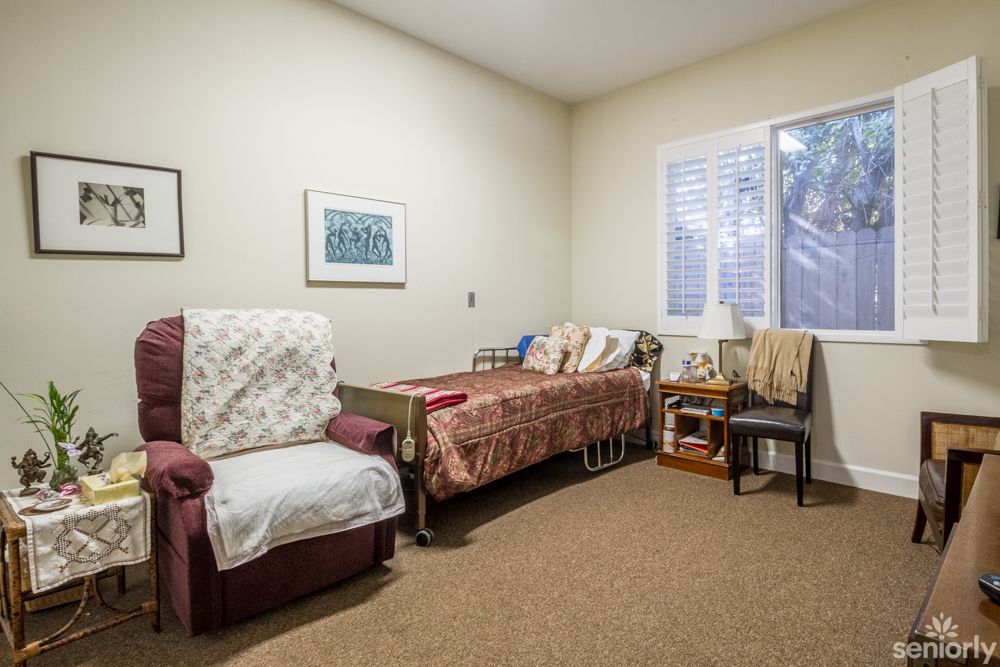
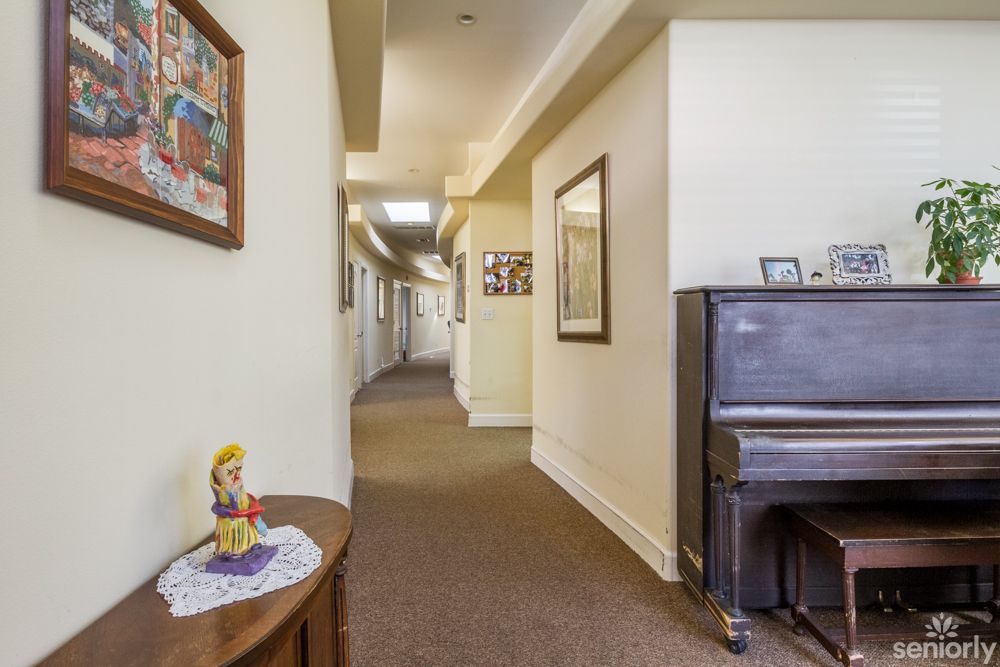
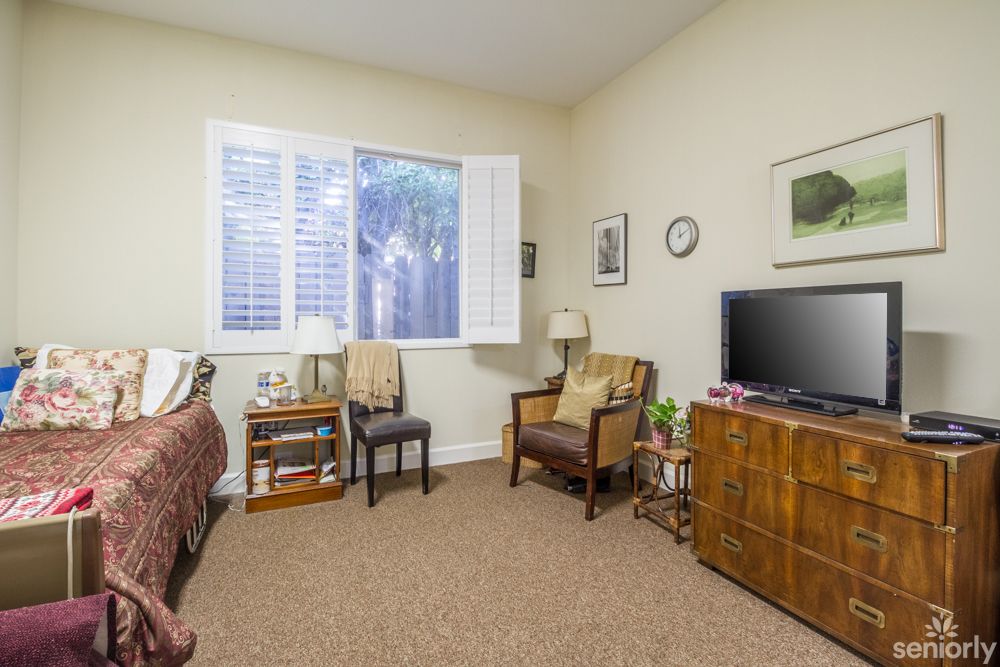
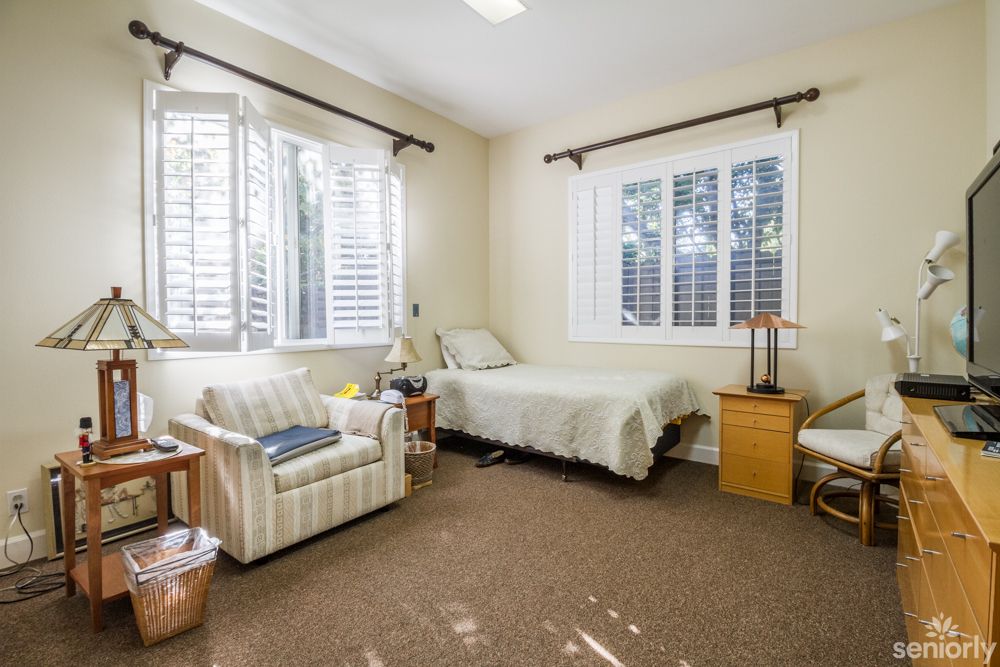
- The home could be freshened up a little, as it was beginning to look a little tired.
Review
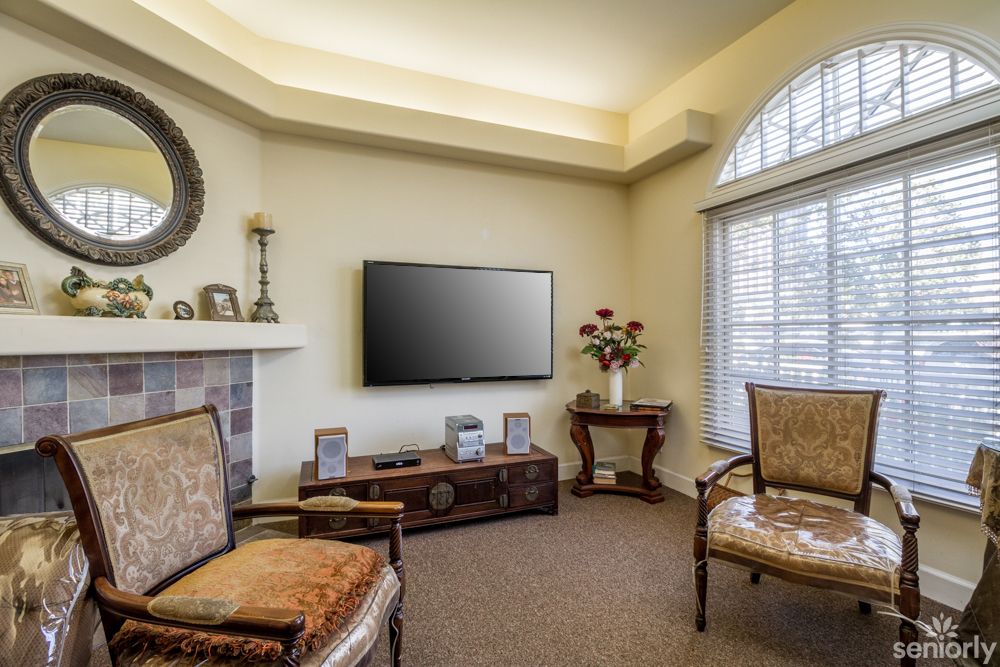
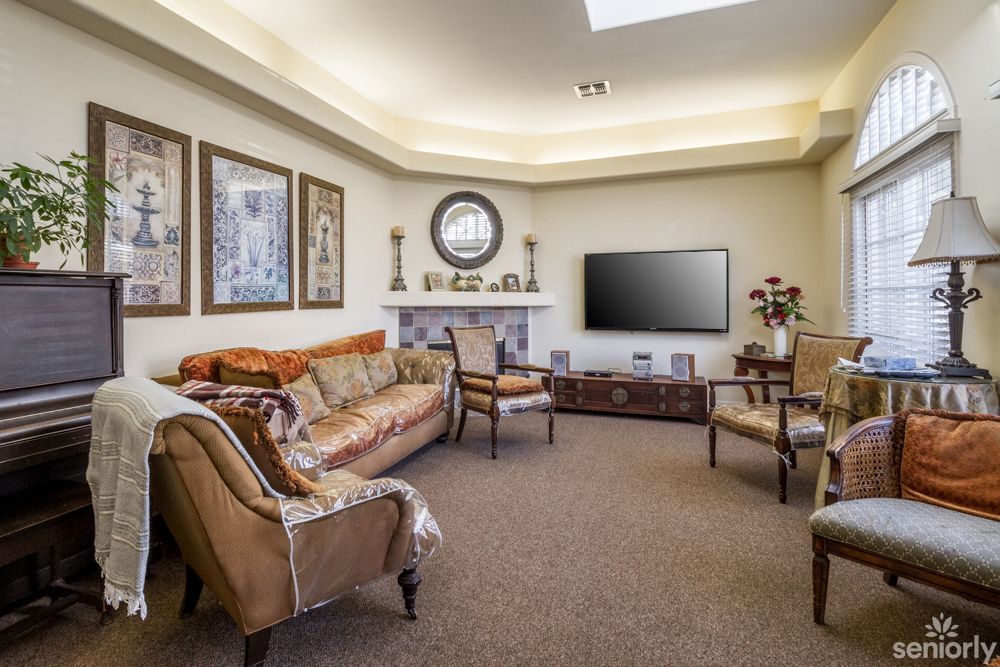
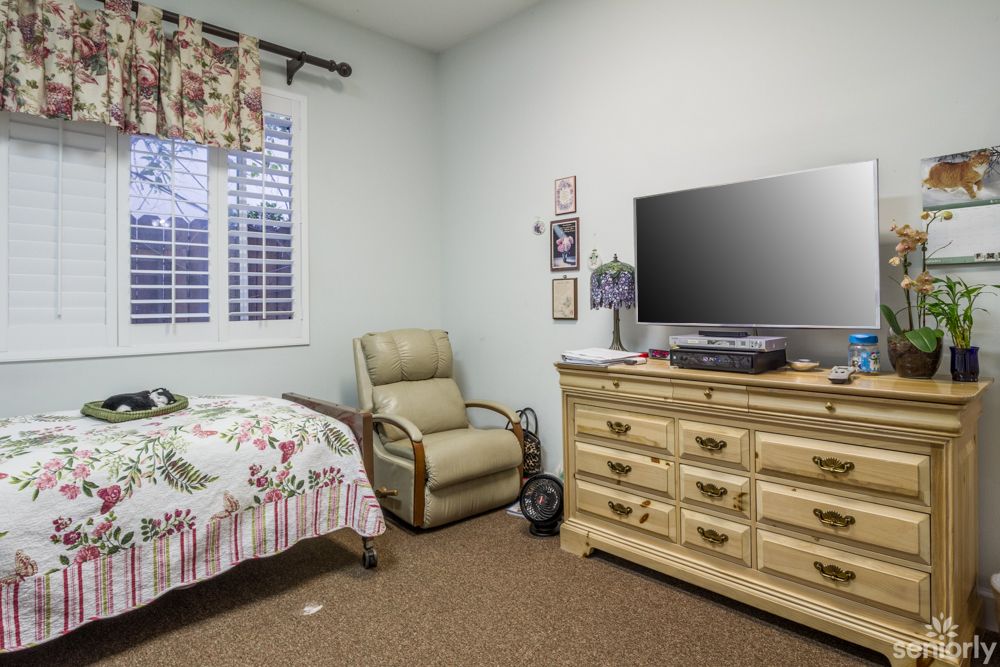
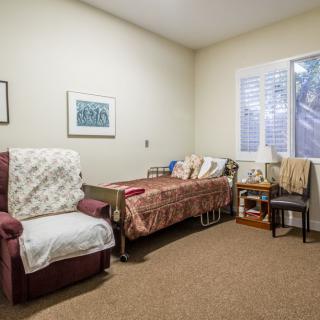
Ayres Residential Care Home in Los Angeles is best suited for families seeking a tightly knit, owner-driven care experience where the caregiver presence is highly personal and the setting feels like a home rather than a facility. This community works best for seniors who thrive on intimate, hands-on attention and rapid, responsive support from a small team led by a deeply invested owner. It is particularly well matched to parents nearing the end of life or needing a steady, compassionate transition from hospital or acute care, where emotional warmth and a steady routine can ease the adjustment for everyone involved.
Those who may want to consider alternatives are residents with moderately to highly complex medical needs or cognitive impairments requiring robust, 24/7 skilled nursing, memory care specialization, or more structured programming. A larger community with formal memory care tracks, more extensive on-site medical resources, and brighter, more modern amenities may be preferable for families prioritizing high-acuity oversight, diversified activities, or a turnkey environment with fewer variables tied to a single person’s availability. While this home offers excellent day-to-day support, the footprint and model are best suited to steady, moderate care rather than advanced clinical needs.
The strongest pros center on the owner-operator model and the palpable commitment to residents. The owner’s hands-on involvement translates into remarkably attentive care, with families describing a level of concern and dedication that feels deeper than what is typical in larger settings. Reviews consistently highlight stellar care from staff and a culture of genuine warmth, where residents appear to be treated with affection and individualized consideration. The fact that the owner operates multiple homes in West Los Angeles signals steadiness, reliability, and an ability to draw on a broader network of caregivers when needed, which can be a meaningful advantage for continuity of care.
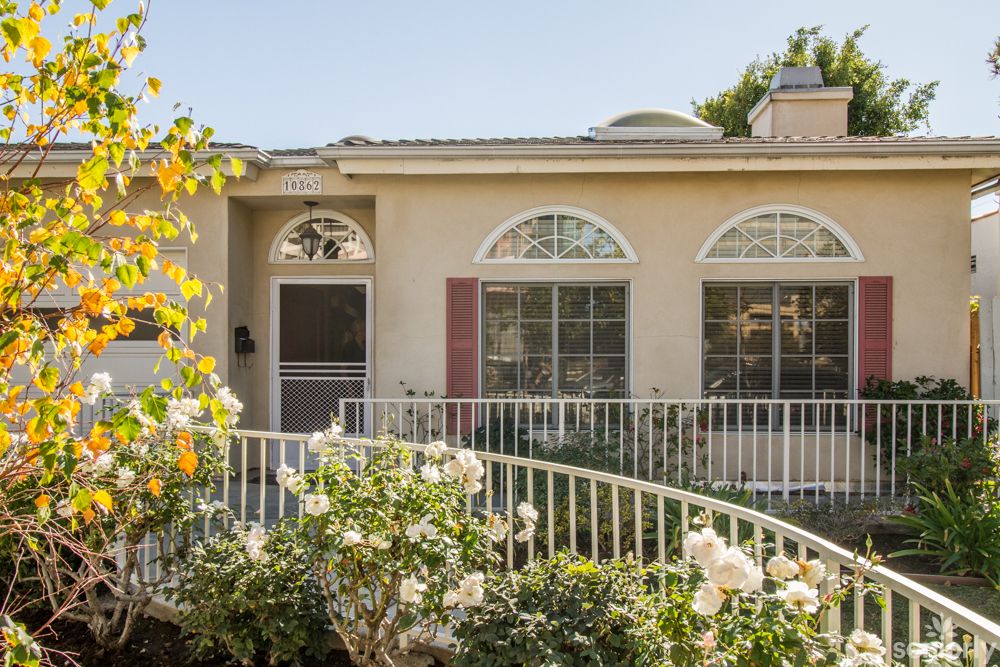
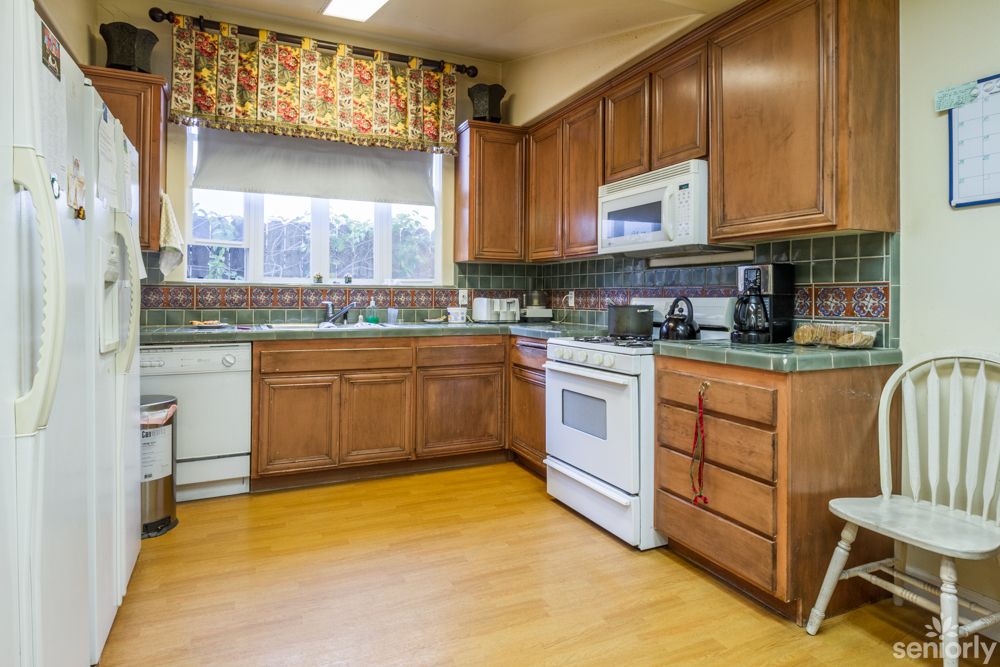
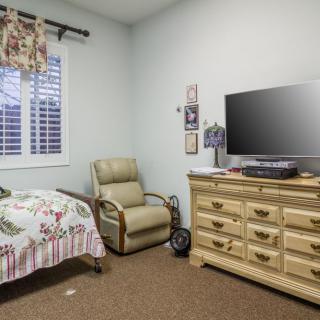
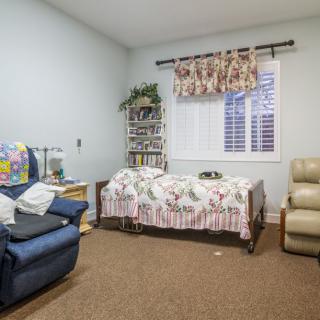
Yet the most meaningful con for this community shows up in the need to balance intimacy with practical resource limits. Several reviews note that the facility could benefit from a refresh, signaling that the physical environment may feel a touch tired to some families accustomed to newer interiors. More importantly, one account indicates that a resident’s rising needs eventually required moving to another setting. That suggests a boundary condition: while the care standards are high, escalating medical or cognitive requirements may not be fully supported within the same home, making this option less suitable for residents who may transition quickly to higher levels of care.
From a decision-making standpoint, prospective families should inquire about how crises or shifts in care needs are managed, and how transitions to higher levels of support would occur without disruption. Ask about staff-to-resident ratios, the specific medical oversight arrangement, and whether on-site nursing or coordination with external providers is available. Explore the frequency and type of resident activities to gauge whether the social environment aligns with personal preferences, and request a tour that includes a candid discussion about renovations and maintenance plans. Cost transparency, visitation policies, and clarity on how flexible the care plan will be as needs evolve are equally critical.
In the end, Ayres Residential Care Home offers a compelling, practical option for families prioritizing heartfelt, individualized care within a small, home-like setting. When emotional warmth, hands-on leadership, and consistent attention from a trusted owner are the top criteria, this community delivers with confidence. However, for families facing higher medical complexity, memory care requirements, or a preference for a more modern aesthetic and a larger pool of on-site resources, it is prudent to compare alternatives that can provide more extensive clinical supports and a broader programming slate. The right fit hinges on balancing the value of intimate, owner-led care against the necessity for advanced care capacity.
 6 resident community capacity
 Studio apartments
 Assisted Living
 Board and Care Home
 Memory Care
 Respite Care
 Activities off-site
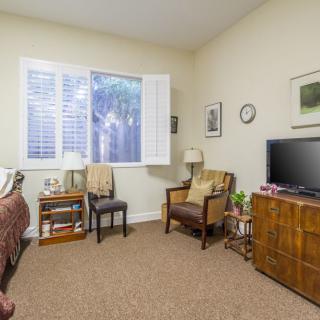
 Cable or satellite TV
 Dining room
 Fully furnished
 Garden
 Housekeeping services
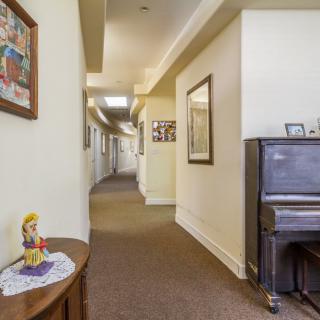
 Indoor common areas
 Move-in coordination
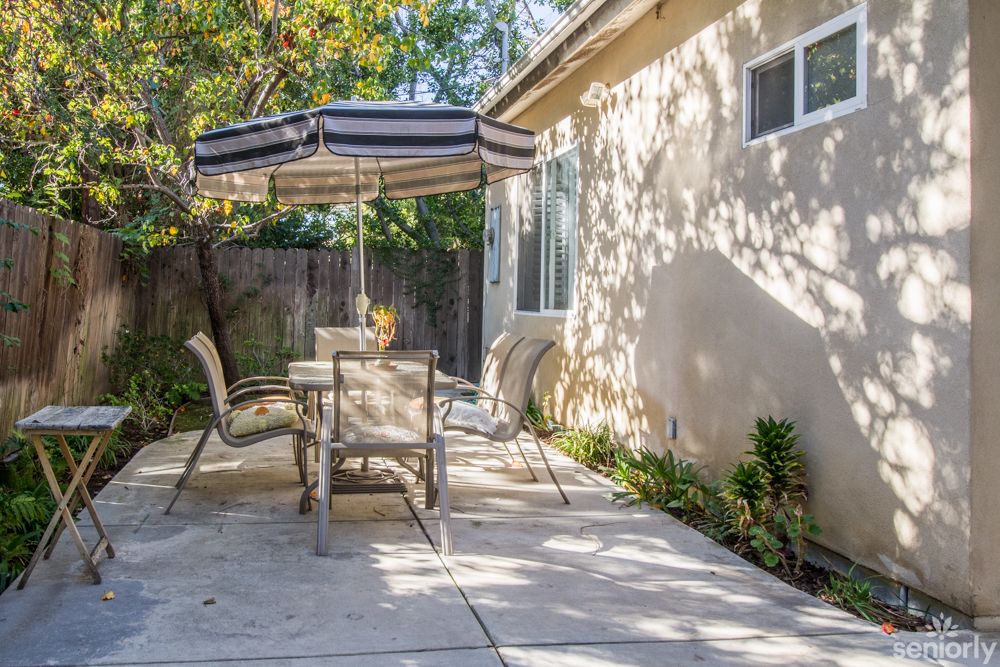
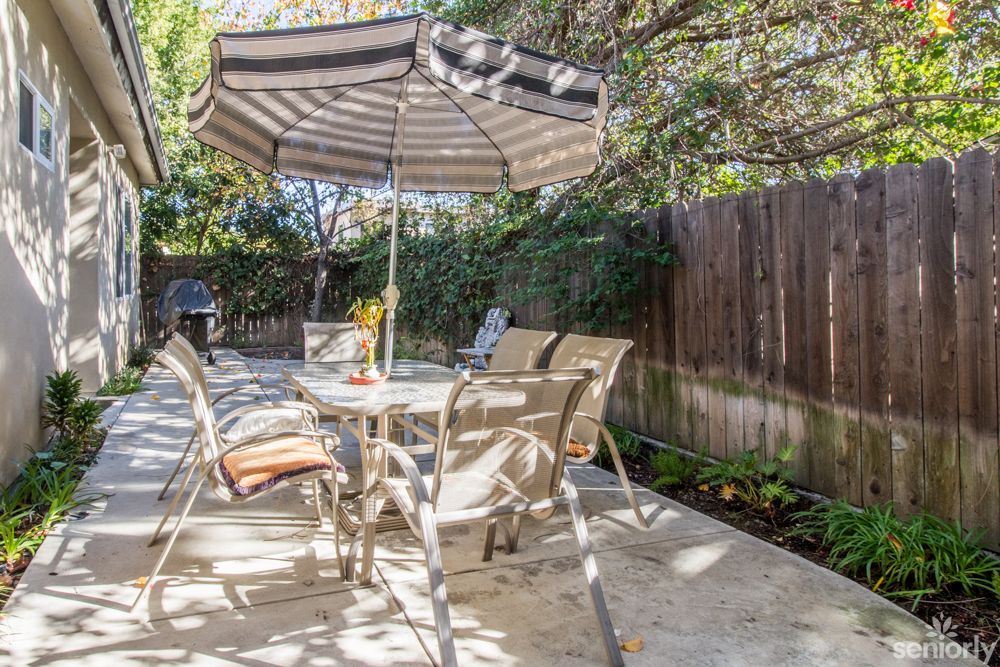
 Outdoor common areas
 Private
 Private bathrooms
 Small library
 Telephone
 Wheelchair accessible showers
 Los Angeles International (8 miles away)
 24-hour supervision
 Ambulatory care
 Assistance with bathing
 Assistance with dressing
 Assistance with transfers
 Diabetes diet
 Diabetic care
 High acuity care
 Incontinence care
 Meal preparation and service
 Medication management
 Mental wellness program
 Special dietary restrictions
 Adventist services
 Buddhist services

 Delirium and Dementia: Unraveling the Key Differences
 Are Dementia and Alzheimer's Disease Lethal? A Comprehensive Exploration
 Exploring the Power of Reminiscence Therapy for Individuals With Dementia