
6310 Wooster Avenue, Los Angeles, CA 90056
For more information about senior living options: (866) 208-4318
Overall Review of Ataraxis Homes I
Pros
 The staff provided wonderful care around the clock.
- Pacific Pines was wonderful to her.
- The family was grateful for such a wonderful place for her to be.
- She passed away with a smile on her face.
Review
Ataraxis Homes I in Los Angeles is best suited for families confronting advanced care needs where round‑the‑clock supervision is non‑negotiable. The lone testimonial describes a loved one who was totally paralyzed, required bed repositioning every two hours, and depended on staff for feeding. In that context, the community’s strength is clear: continuous, attentive care delivered by a dedicated caregiving team, 24/7. For residents who require constant monitoring, reliable assistance with daily tasks, and a consistently compassionate bedside routine, this is the environment that makes safety, dignity, and a steady daily rhythm achievable.
Those considering alternatives should focus on two realities: the level of independence desired and the cost envelope. If a family’s goal is greater autonomy, lighter medical oversight, or a setting with more standalone living options, other communities or home-based arrangements may better align with expectations. Likewise, if medical complexity remains at a level where more clinical staffing, on‑site physicians, or regulated care programs are priorities, such as rehab‑oriented or memory‑care focused environments, exploring options beyond a high‑touch, residential care model is prudent. This is not a critique of the model so much as a call to match the care spine to the resident’s trajectory and family resources.
The most persuasive pro, the consistent, around‑the‑clock caregiving, reads as a direct answer to the risk points families fear with high‑needs loved ones. The ability to reposition a dependent resident, provide meals, and supervise care day and night reduces safety risks, prevents pressure injuries, and minimizes distress for both resident and family. The emotional payoff in the testimonial, care that kept the resident comfortable and ultimately left her with a smile, speaks to a level of attentiveness and routine that can translate into real peace of mind for kin. When a resident’s days and nights hinge on reliable staff presence, such a pro can overwhelm concerns about cost or loss of independence.
That said, the review landscape for Ataraxis Homes I is markedly thin. The available testimonial appears to reference another community name, which introduces a caveat: the data point about 24/7 care is compelling, but it comes from a single perspective with potential sourcing ambiguity. In practical terms, this means prospective families must drill down on critical, order‑of‑operations details that the review cannot illuminate. Questions to prioritize include staffing ratios by shift, the exact scope of daily living assistance, the availability of medical oversight, how care plans are created and updated, and what specialized supports (wound care, feeding assistance nuances, mobility equipment) are actually provided on site. Without those specifics, the optimistic read remains incomplete.
Cost transparency also deserves emphasis. High‑touch care drives higher monthly fees, and seniors’ services vary widely in what is bundled versus charged à la carte. Families should request a detailed breakdown, what is included in base care, what constitutes additional services, any upfront entrance fees, and recurring deposits for medical or equipment needs. Beyond finances, verify contract terms around notice periods, care plan revisions, and the exit process. Another practical lens is the community’s physical environment: private rooms or shared spaces, accessibility features, safety systems, and opportunities for meaningful activity, areas that determine day‑to‑day quality and long‑term satisfaction but are not addressed in the single testimonial.
In decision terms, Ataraxis Homes I represents a strong candidate for families facing urgent, intensive caregiving needs where safety, devoted staffing, and a compassionate bedside presence are the top priorities. The chief advantage, around‑the‑clock, attentive care, can effectively offset the major trade‑offs typically associated with high‑level residential care, namely reduced resident independence and higher cost. Yet the decision should hinge on verifiable, resident‑specific factors: consistent staff availability, a transparent care plan process, and a clear financial structure. The risk of basing a choice on a solitary, ambiguously sourced review underscores the necessity of in‑person evaluations, direct conversations with caregiving teams, and a thorough tour of the facility to confirm that the daily reality matches the promise.
 6 resident community capacity
 Assisted Living
 Cable or satellite TV
 Dining room
 Fully furnished
 Garden
 Housekeeping services
 Move-in coordination
 Outdoor space
 Telephone
 Wi-Fi/high-speed internet available
 Los Angeles International (3 miles away)
 24-hour supervision
 Activities of daily living assistance
 Assistance with bathing
 Assistance with dressing
 Assistance with transfers
 Diabetes diet
 Meal preparation and service
 Medication management
 Special dietary restrictions
 Transportation arrangement (medical)
 Transportation to doctors appointments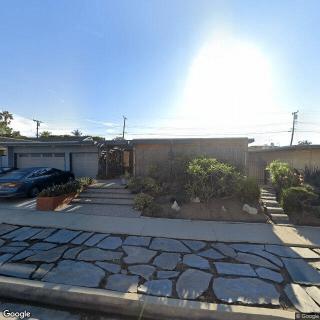







 Vibrant Senior Living: A Comprehensive Guide for Active Older Adults
 When to Transition from Assisted Living to Memory Care: Key Indicators, Steps, and Finding the Right Community
 Assisted Living and Memory Care: Understanding Their Core Differences