

1823 Curtis Street, Loma Linda, CA 92354
To contact a resident: (909) 799-0933
For more information about senior living options: (866) 208-4318
Maria Victoria Home Care B Costs & Pricing
Maria Victoria Home Care B offers competitive pricing for its services, particularly when compared to both the county and state averages. For a semi-private room, residents can expect to pay $1,800 per month, significantly lower than the San Bernardino County average of $2,958 and the California average of $3,333. Similarly, in terms of private rooms, Maria Victoria Home Care B's rate of $2,700 is more affordable than the county's average of $3,561 and the state's higher average of $3,939. These cost advantages make Maria Victoria Home Care B an attractive option for families seeking quality care at a more accessible price point.
| Floor plans | Maria Victoria Home Care B | San Bernardino County | California |
|---|---|---|---|
| Semi-Private | $1,800 | $2,958 | $3,333 |
| Private | $2,700 | $3,561 | $3,939 |
Senior living communities with a similar price nearby
-
from +$200 / mo

Milam Manor
$2,000 to $3,600 / month3.6 miles away -
About the same

IMS Home Inc
$1,800 to $3,000 / month22.4 miles away -
from +$200 / mo

For His Glory Premium Senior Care Home
$2,000 to $2,800 / month14.6 miles away -
from +$200 / mo
Angel Guardian Family
$2,000 to $2,400 / month24.5 miles away -
About the same

Delizo's Guest Home
$1,800 to $2,500 / month21.5 miles away
Overall Review of Maria Victoria Home Care B
Pros
 They were very accommodating in working around schedules and rescheduling.
- They were very friendly and helpful.
- The house is beautiful.
- The owner is a very nice person.
- The residents looked happy and clean.
- The worker looked very kind.
Cons
 They found the single room available to be too expensive for them.
- They wished the price hadn't been so high.
Review
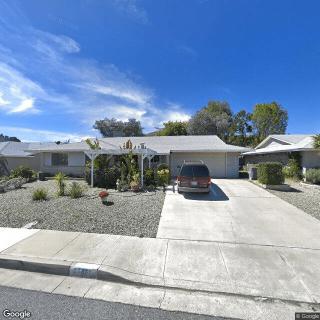
Maria Victoria Home Care B in Loma Linda is best suited for families seeking a warm, home-like assisted living option where personal attention, flexibility, and a small-house feel take precedence over glossy institutional polish. This community is ideal for residents who want to be known by name, enjoy easy communication with the owner and caregivers, and appreciate a setting that looks and feels like a well-kept residence rather than a large facility. The emphasis on a friendly, personable approach translates into responsive scheduling, openness to changes, and care that is clearly rooted in everyday comfort rather than rigid routines.
Those who may want to consider alternatives include families working within tighter budgets or those needing more than a single-room configuration. The reviews note a single room was the only option and that it carried a cost level that proved prohibitive for the inquiring family. For households needing multiple rooms, co-residence for a spouse or a second resident, or more predictably affordable pricing, a larger community or a different home with varied room types would likely be a better fit. Likewise, families prioritizing a broader slate of structured activities, formal programming, or on-site medical oversight should look at options with more expansive scales.
On the upside, the largest strengths are immediately evident in the human touch and the home environment. The staff is described as accommodating, friendly, and easy to work with, with responsive scheduling that makes rescheduling and last-minute changes workable. The house itself earns praise for its beauty and the sense that residents are happy and well cared for, with caregivers who appear kind and attentive. These attributes translate into tangible daily experiences: a resident feels recognized, meals and routines can adapt to family busy periods, and the atmosphere stays personal rather than impersonal. In practice, those factors often make the day-to-day senior living experience less stressful for families navigating frequent visits and care decisions.
Still, the most significant drawback centers on space and price. The fact that only a single room was available, and at a cost that exceeded what some families are willing to pay, creates a real hurdle for anyone who anticipates needing more space, a second occupant, or longer-term affordability. In a market where families increasingly balance care quality against ongoing expense, the premium for a home-like, highly personalized setting becomes the decisive factor. Pros fighting to offset this con: the intimate hours of access to caregivers and the evident happiness of residents, but con remains that value is highly contingent on budget and room availability.
Considering both sides, the pros can offset the cons for a narrow but significant cohort: those who prize warmth, flexible scheduling, and a personal connection with a small, attentive team will accept higher price points as the cost of a livable, low-stress living arrangement. The con, limited room options and elevated cost for the available space, will not be as easily dismissed for families seeking predictable budgeting or the option of shared accommodations. The bottom line is pragmatic: if the priority is a genuinely home-like atmosphere with responsive staff and a resident-centered routine, Maria Victoria Home Care B delivers advantages that can justify the premium. If affordability and scalability matter more, explore alternatives.
For a practical decision, arrange an in-person visit focused on pricing clarity, what services are included with the single room, and whether any alternative room configurations exist. Talk directly with the owner and caregivers about care needs, daily routines, and how changes are managed when health requirements evolve. Compare this option against a small number of other Loma Linda communities that offer multi-room configurations and clearer price ladders. In the end, the right choice hinges on whether the family values intimate, flexible care and can absorb the cost for a single-room setting, or whether a more expansive, budget-conscious solution is the priority.
 Board and Care Home
 Private
 Ontario International (20 miles away)
 Diabetic care


 A Detailed Exploration of Living Wills and Advance Directives
 Comprehensive Guide to Medicare Coverage for Hospice Care
 Caring for Those Who Care: Recognizing, Understanding, and Overcoming Caregiver Burnout