
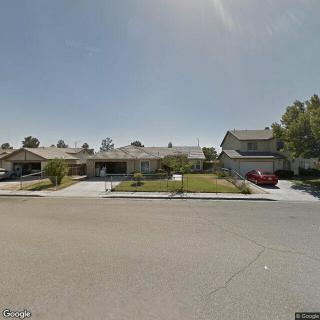
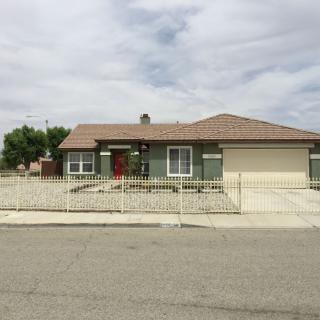
10252 East Avenue S, Littlerock, CA 93543
For more information about senior living options: (866) 208-4318
Overall Review of Westport Home
Pros
 The brother appreciated the housing.
- The brother appreciated the food he received.
Cons
 He died due to staff neglect and not receiving timely medical care.
- The licensing agency substantiated neglect and poor care at the facility.
Review
Westport Home in Littlerock is best suited for seniors who want inexpensive, straightforward accommodation with regular meals, and for families willing to accept substantial safety risk as a trade-off for lower costs. This is a setting where daily life centers on basic housing and nourishment rather than robust clinical oversight. Prospective residents should understand that the environment hinges on staff presence and timely care, which, in this instance, has proved unreliable. If safety nets such as immediate medical response or proactive health monitoring are non-negotiable, this community is not the right fit. In practice, the undeniable comfort of affordability comes at the expense of the medical responsiveness that matters most for older adults with chronic needs.
Explicitly, those who should consider alternatives include seniors with chronic conditions requiring prompt attention, or families seeking dependable oversight. Look for facilities with 24/7 licensed nursing on site, stronger staff-to-resident ratios, and a documented safety history. For households aiming to avoid a crisis or costly moves later, explore higher-rated assisted living communities, memory-care settings, or home-health supported living. These options typically offer clearer accountability, better emergency protocols, and a regulatory posture that reduces the likelihood of delayed care and neglect.
The most concrete pro at Westport Home, basic housing and meals, lands in the balance against a grave con: staff neglect and not receiving timely medical care. The two-year occupancy cited in one account hints at some continuity, but such stability does not compensate for the core risk. When a licensing agency substantiates neglect and delays in essential medical attention, the gravitas of that finding eclipses the comfort of a routine meal plan or a simple living space. In practical terms, comfort and routine cannot mask the absence of reliable medical responsiveness, which is non-negotiable for seniors with acute or evolving health needs.
Given these factors, the positives do not offset the main concerns. The satisfactory provision of housing and meals is meaningful in day-to-day life, yet it offers insufficient protection when safety hinges on timely care and vigilant supervision. Regulatory findings carry considerable weight, signaling systemic gaps in supervision, communication, and emergency escalation. In a decision framework, medical safety outranks convenience; neglect and delayed care introduce a risk profile that undermines overall well-being. The net impression is that the advantages fail to neutralize the likelihood of harm, making the setting a poor fit for anyone prioritizing health security.
Practical due diligence is essential before any commitment. Verify the most current licensing status and any corrective actions, press for a formal, written care plan with measurable response times, and request unfiltered conversations with front-line staff to gauge attentiveness. Compare with nearby facilities that maintain stronger regulatory records and higher ratings, and insist on a transparent staffing plan that demonstrates adequate coverage. If considering staying at Westport, develop a transition strategy that includes backup caregiving, financial planning for contingencies, and a clear medical emergency blueprint. For many families, alternatives, whether higher-quality assisted living or aging-in-place arrangements with home care, offer markedly safer paths.
In sum, this community presents a high-stakes choice. For families prioritizing safety, medical responsiveness, and dependable oversight, Westport Home represents a risk that calls for serious reconsideration. The basic comforts may appear attractive, but the central question is whether those comforts justify potential harm from neglected medical needs. If safety and timely care are non-negotiable, pursue options with verified safety records and robust on-site medical oversight. If proceeding with Westport, enter with explicit expectations, documented care plans, and a concrete exit strategy. The key decision should center on the acceptability of substantial risk in exchange for affordability; otherwise, steer toward options that align with a standard of care designed to prevent harm and protect health.
 20 resident community capacity
 Assisted Living
 Board and Care Home
 Beauty salon
 Cable or satellite TV
 Dining room
 Fully furnished
 Garden
 Housekeeping services
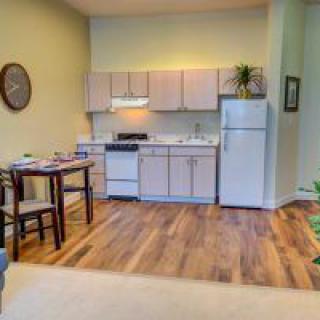
 Kitchenette
 Move-in coordination
 Outdoor space
 Telephone
 Wi-Fi/high-speed internet available
 24-hour call system
 Activities of daily living assistance
 Assistance with bathing
 Assistance with dressing
 Assistance with transfers
 Diabetes diet
 Meal preparation and service
 Medication management
 Mental wellness program
 Special dietary restrictions
 Transportation arrangement (medical)
 Transportation to doctors appointments




 8 Key Indicators That Suggest It May Be Time to Transition from Assisted Living to Skilled Nursing Care
 Vibrant Senior Living: A Comprehensive Guide for Active Older Adults
 When to Transition from Assisted Living to Memory Care: Key Indicators, Steps, and Finding the Right Community