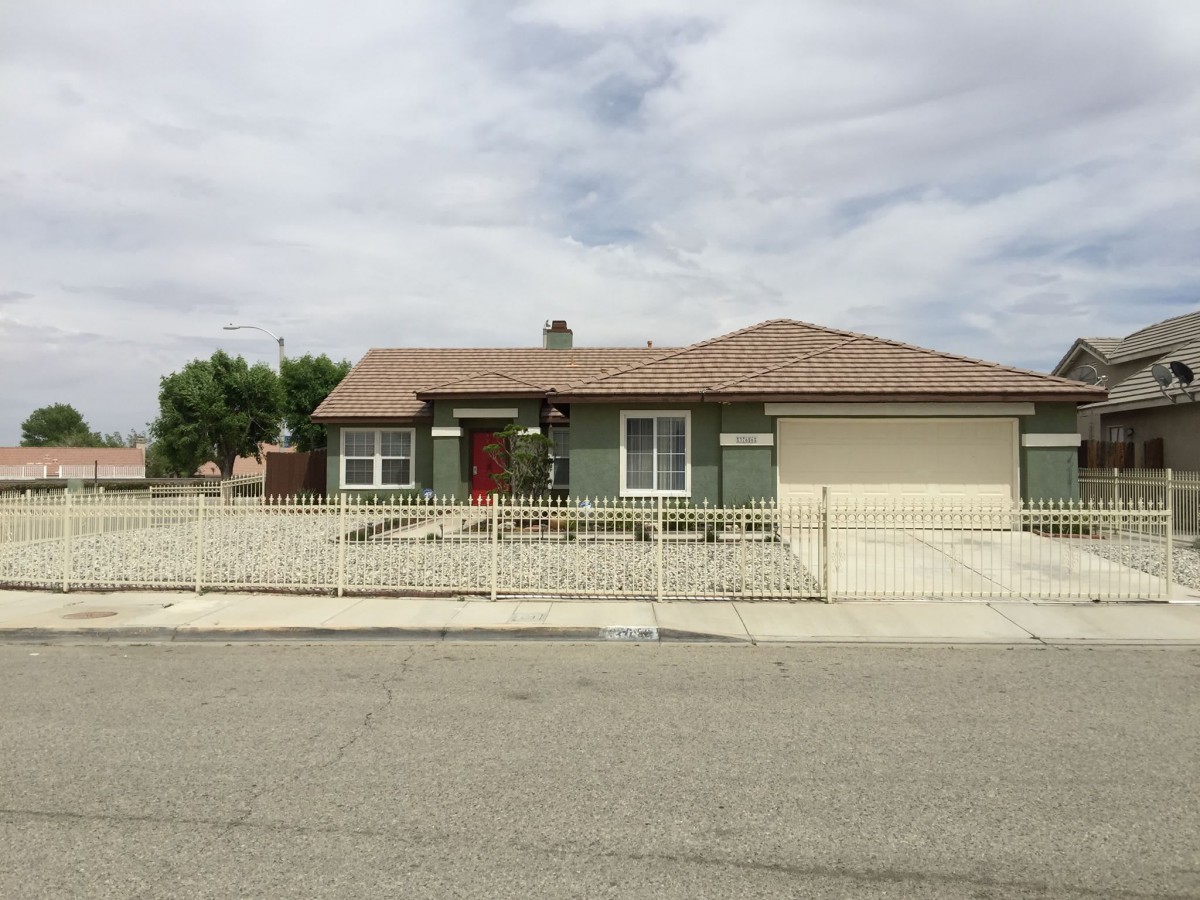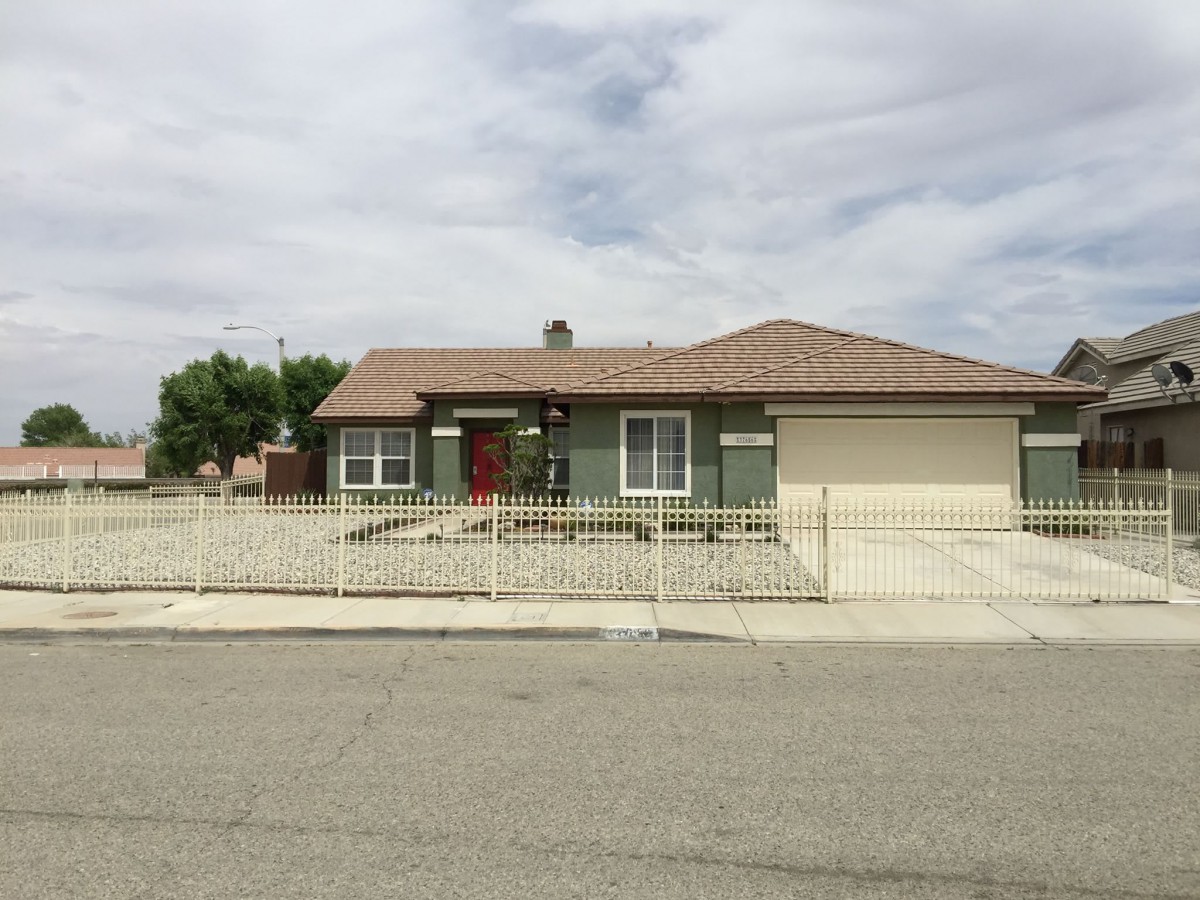
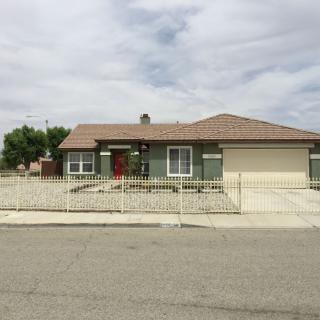
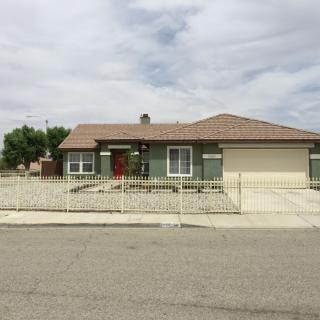
37656 Simi St., Palmdale, CA 93552
To contact a resident: (661) 526-4004
For more information about senior living options: (866) 208-4318
Palmdale Court Home Care Costs & Pricing
Palmdale Court Home Care offers competitive pricing for its residential services, particularly when compared to both Los Angeles County and the broader California market. For semi-private rooms, Palmdale Court charges $3,600 per month, which is slightly higher than the county average of $3,349 but remains reasonable in light of the state's average of $3,333. On the other hand, private room accommodations are priced at $4,000 monthly, positioning them just below Los Angeles County's average of $4,197 while still being higher than California's overall average of $3,939. This pricing structure reflects Palmdale Court's commitment to providing quality care while remaining mindful of regional trends in assisted living costs.
| Floor plans | Palmdale Court Home Care | Los Angeles County | California |
|---|---|---|---|
| Semi-Private | $3,600 | $3,349 | $3,333 |
| Private | $4,000 | $4,197 | $3,939 |
Senior living communities with a similar price nearby
-
from -$605 / mo
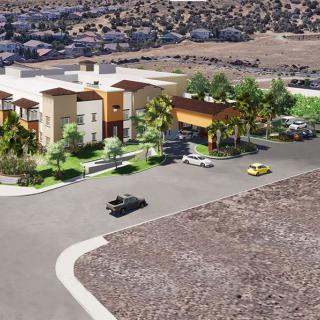
Palm Vista Senior Living
$2,995 to $4,095 / month10.3 miles away -
from -$607 / mo
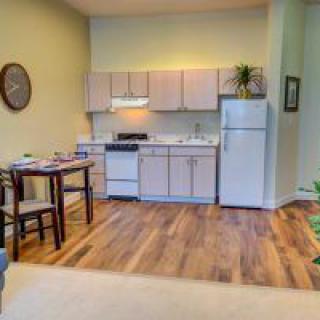
The Havens at Antelope Valley
$2,993 to $6,385 / month10.7 miles away -
from +$140 / mo

Prestige Assisted Living at Lancaster
$3,740 to $6,400 / month12.0 miles away -
About the same
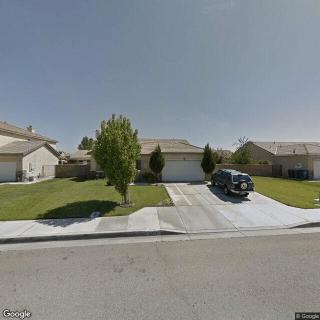
Westside Villa
$3,500 to $4,200 / month13.4 miles away -
from +$280 / mo
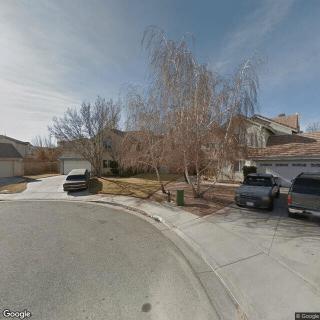
Ivan Banner Boarding Care
$3,880 to $5,044 / month9.3 miles away
Overall Review of Palmdale Court Home Care
Pros
 The family is very happy with the overall care their mother receives from Emma Aranda at Palmdale Court Care Home.
- Emma Aranda is a very friendly person who welcomes visits from the family to her mother and the other residents.
- The residents are kept clean, well fed, and well cared for.
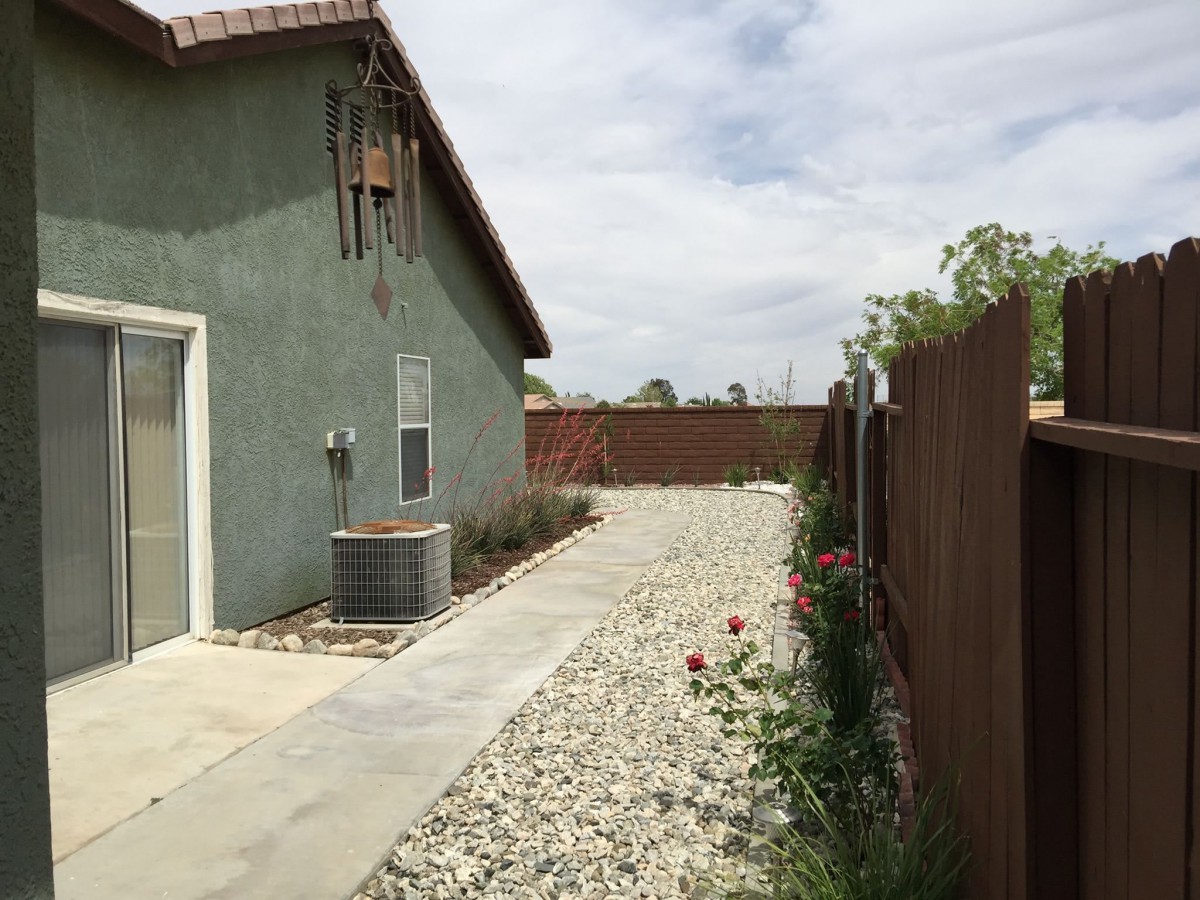
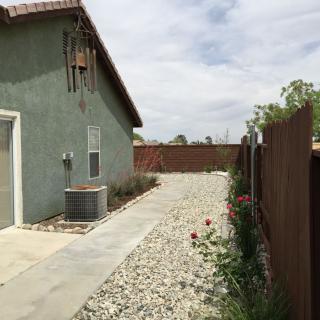
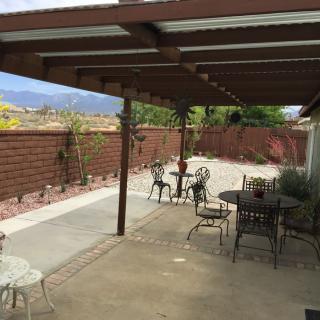
- The house itself is clean, safe, and well maintained.
- The family feels their mother is in a good place to live at this stage of life and is thankful for Emma.
Review
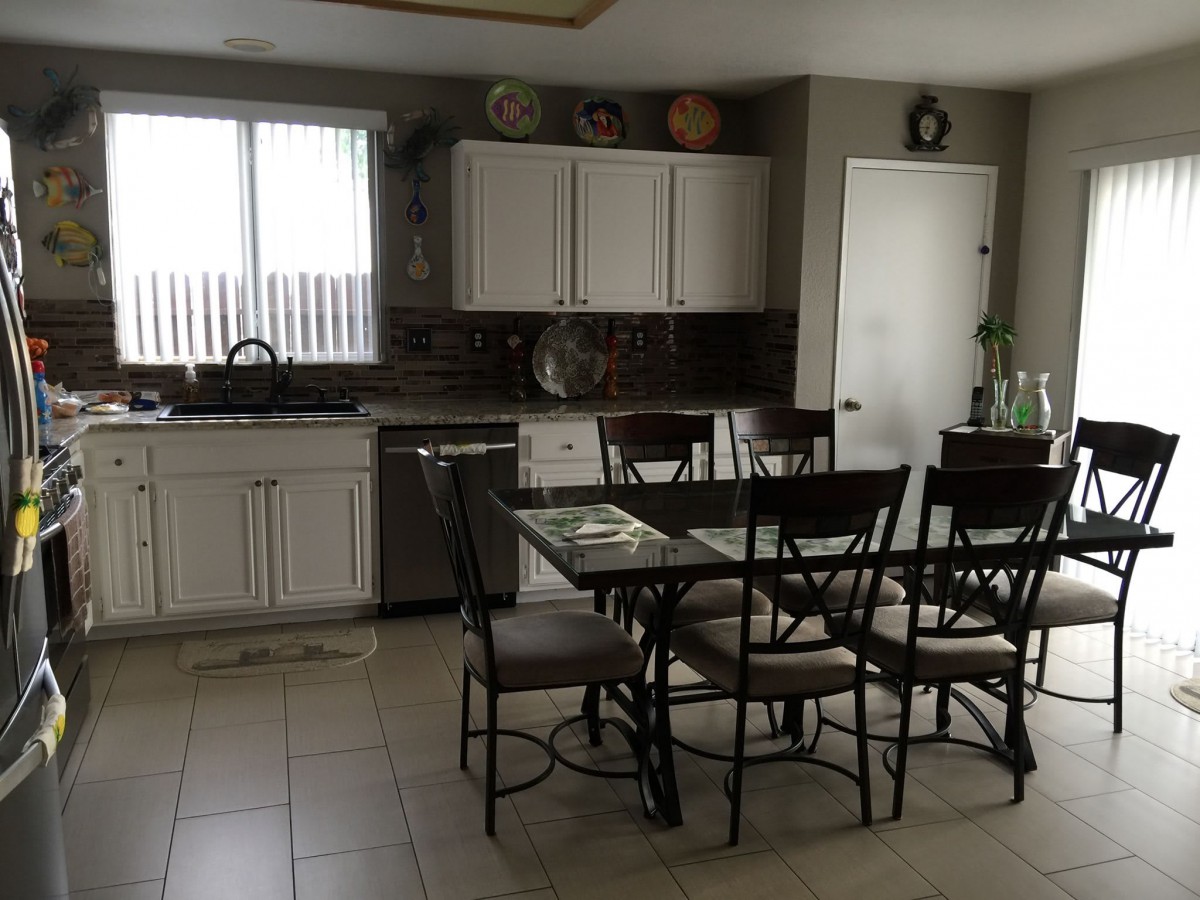
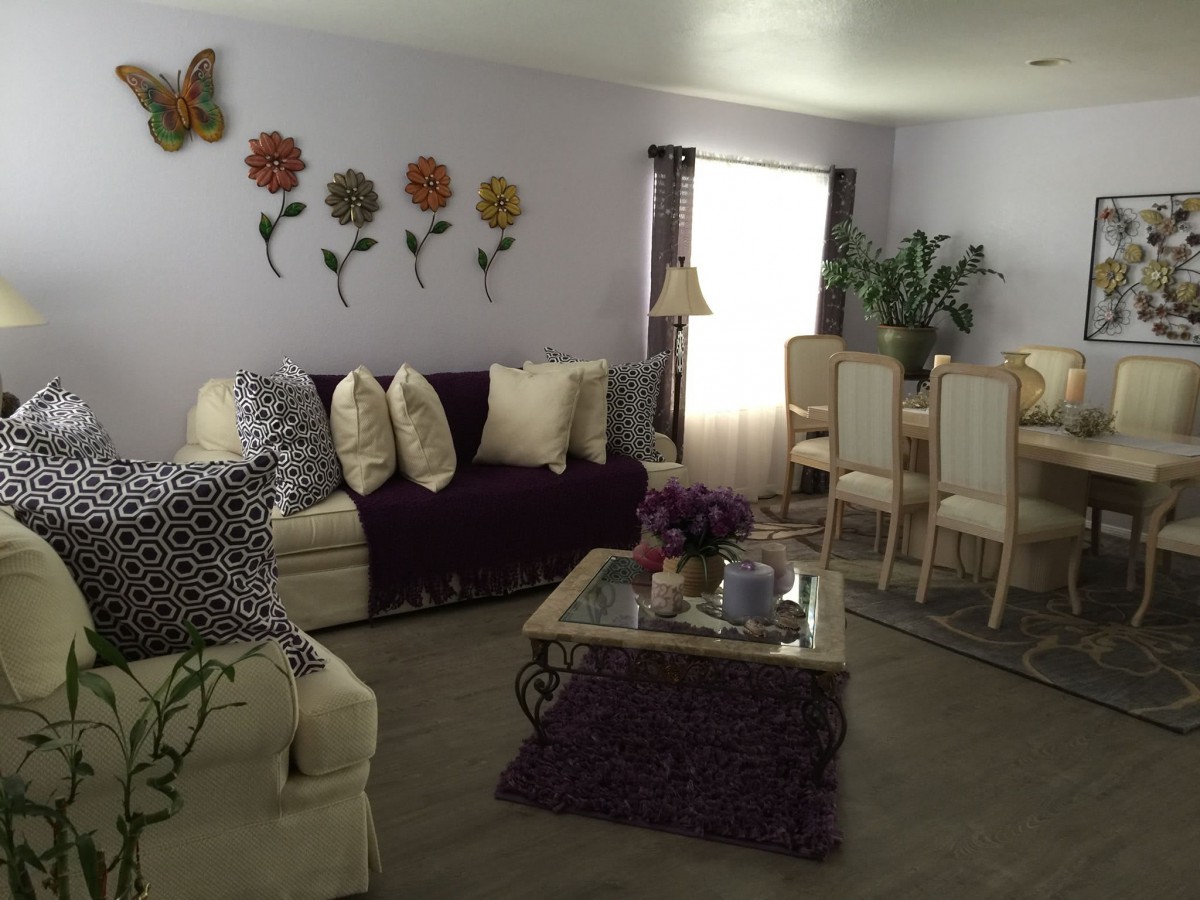
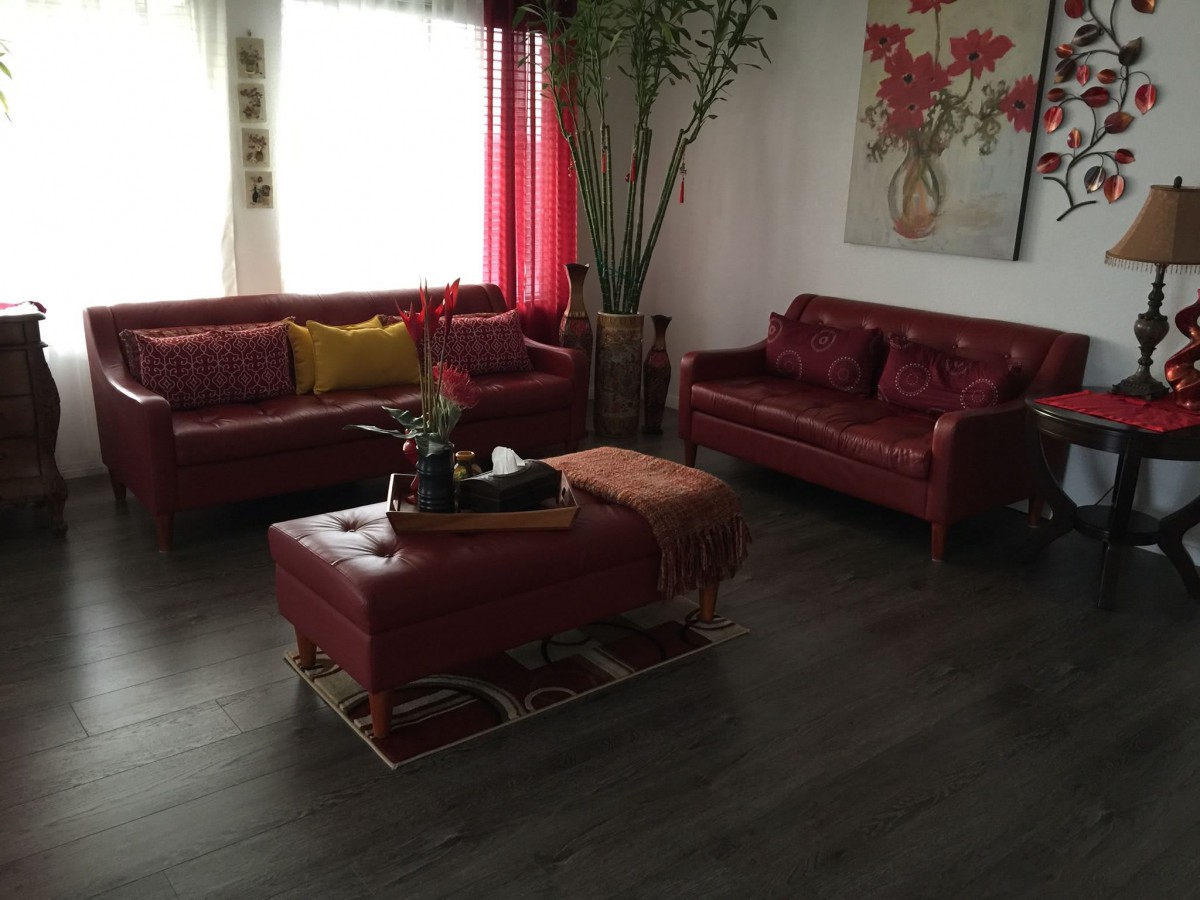
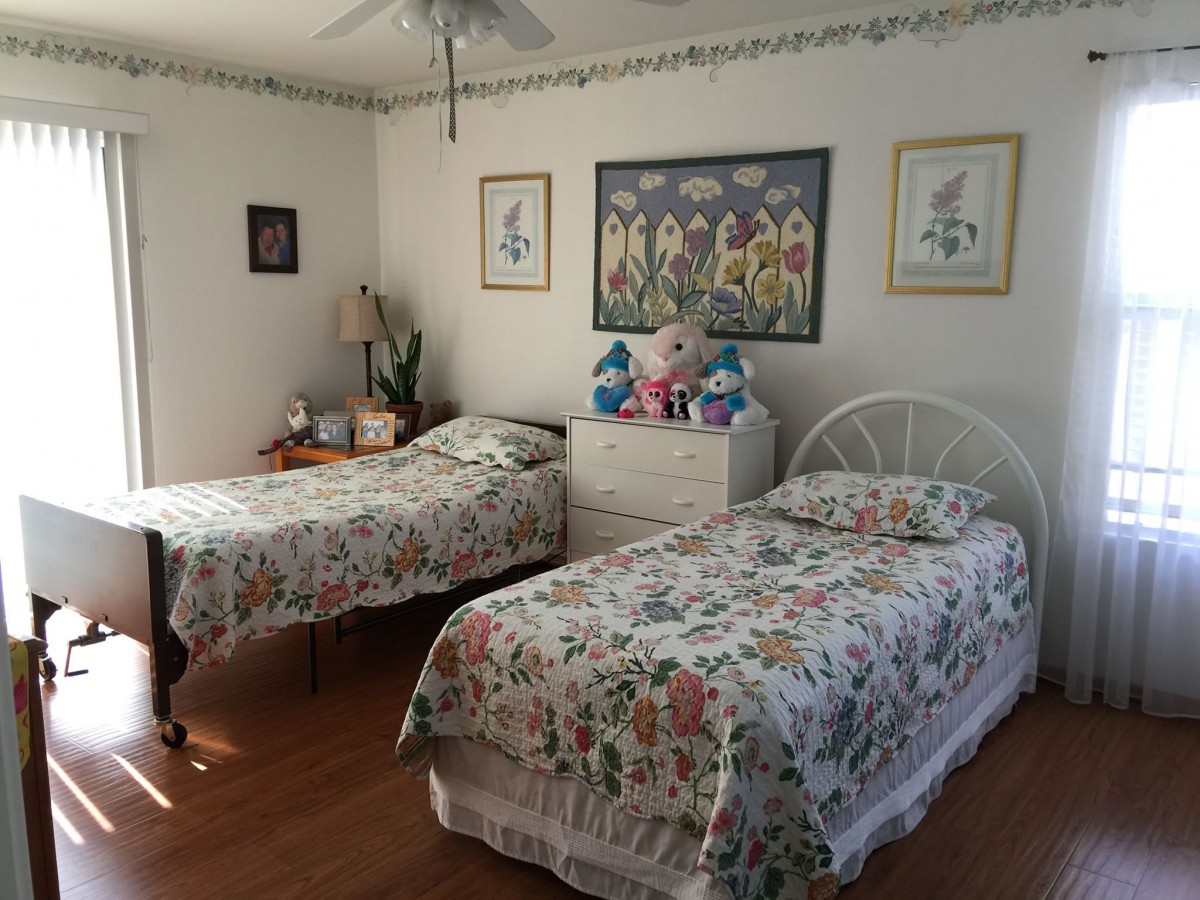
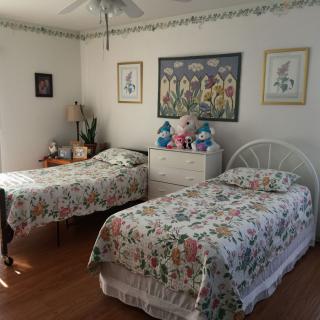
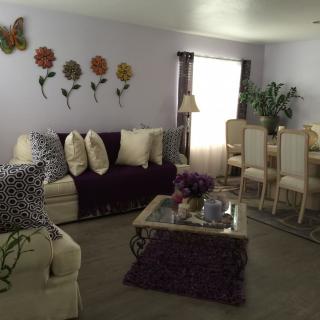
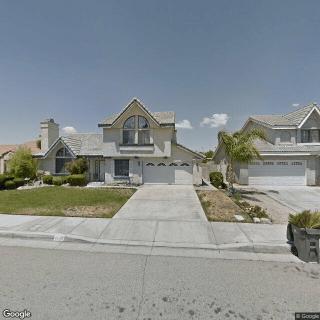
Palmdale Court Home Care is best suited for families seeking a small, home-like setting where an elder can receive very personalized attention, with a strong emphasis on warmth, safety, and everyday comfort. The standout factor is the caregiver relationship and the sense of familiarity fostered by a single, dedicated approach to care. The review highlights Emma Aranda as a personable, welcoming presence who makes frequent family visits feel natural and comfortable, and who ensures that Mom and the other residents appear well cared for. In this environment, the home itself reads as clean, safe, and well maintained, with meals described as adequate and the living space arranged to support a calm, predictable routine. For families prioritizing continuity, accessibility to a caregiver, and a family-friendly atmosphere, this community checks those boxes decisively.
Those who may want to consider alternatives are families prioritizing a more programmatic, hands-on medical model or a broader array of on-site services. If the elder requires substantial medical oversight, high-level nursing support, or a robust activity calendar designed to sustain more complex or specialized dementia care, a larger facility with clearly documented clinical staffing and memory-care programming may be a better fit. Similarly, families who want transparent, published pricing, longer-term financial planning, or a wider slate of amenities and scheduled events might prefer a setting with more formalized structure and more visible program breadth. The current signal from a single positive testimonial cannot substitute for broader firsthand experience and detailed terms.
The primary advantages in the available feedback are concrete and meaningful: a compassionate, accessible caregiver at the center of daily life, a home-like environment that invites family engagement, and consistently clean, safe surroundings with dependable meal service. These strengths translate into real peace of mind for relatives who want to know their loved one is being seen, spoken to, and touched by staff who remember preferences and routines. When a family can visit freely and observe direct engagement, the emotional and logistical burden of arranging care lightens considerably. In practice, that means less stress about transitions, more confidence during the day-to-day, and a sense that the elder is in a familiar, comfortable setting rather than a one-size-fits-all institution.
On the risk side, the most evident limitation is the lack of breadth in the public feedback. A single glowing review cannot fully establish the range of experiences, consistency across shifts, or how the home handles if needs intensify. Prospective families should pursue a structured due-diligence process: schedule an in-person tour, request multiple references, verify licensing and inspection records, and ask about staffing ratios, on-call physician access, medication management protocols, and what happens if an emergency arises after hours. Clarify whether there are specialists for memory care needs, what daily activities look like, and how much assistance is offered with bathing, dressing, and mobility. It is also prudent to obtain a detailed, written cost breakdown and to review the contract terms, including respite options and trial stays if offered.
In summary, Palmdale Court Home Care delivers a genuine home-centric option with a pronounced human touch. It is a compelling choice for families who value intimate caregiver continuity, a friendly, family-visit-friendly environment, superior cleanliness and safety, and meals that meet basic expectations while keeping daily life simple and predictable. Those whose care needs extend beyond routine assistance, especially where medical complexity or memory-care programming is a primary concern, should evaluate alternatives that provide deeper clinical support and a broader activity framework. For the right elder, and with due diligence, this community offers a reassuring, compassionate home that can meaningfully improve day-to-day quality of life.
 Board and Care Home
 Activities on-site
 Air-conditioning
 Bath tubs
 Cable or satellite TV
 Indoor common areas
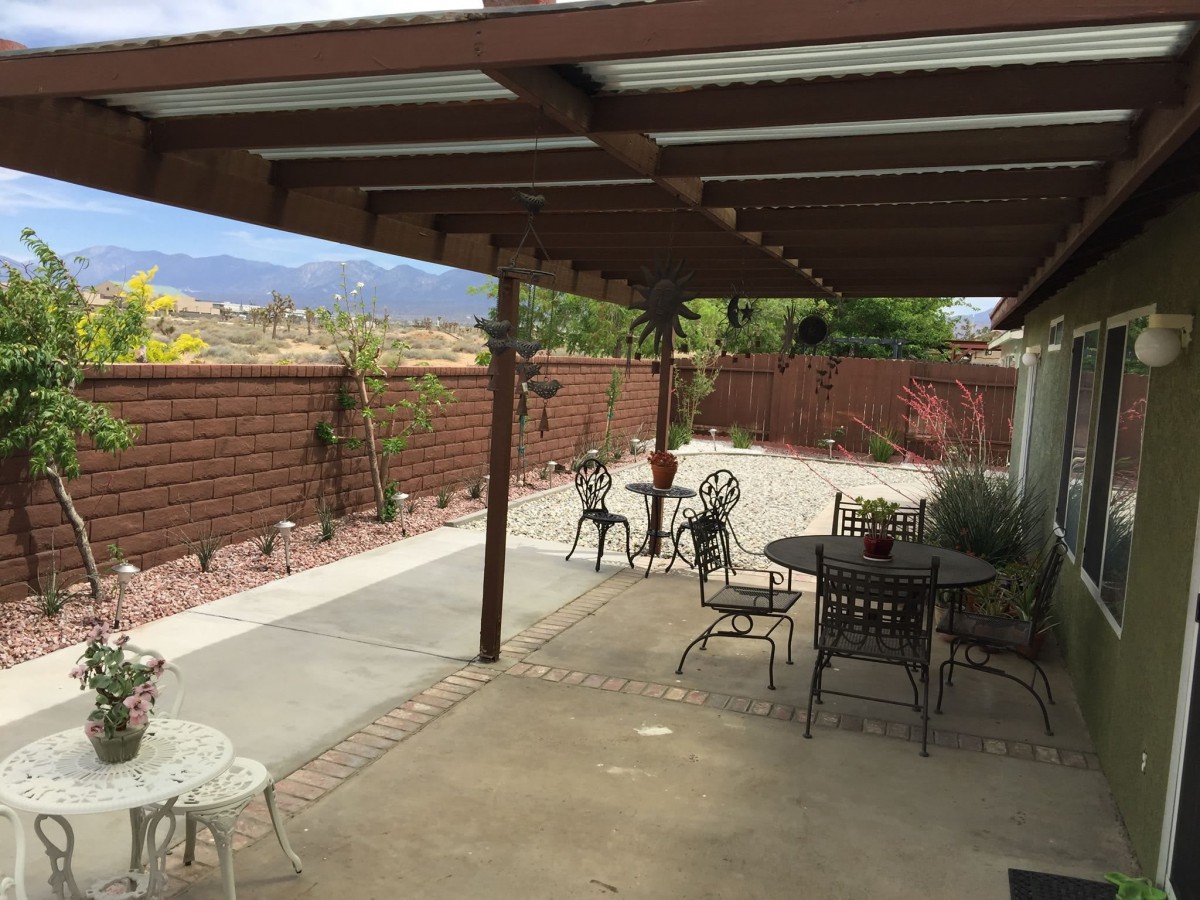
 Outdoor common areas
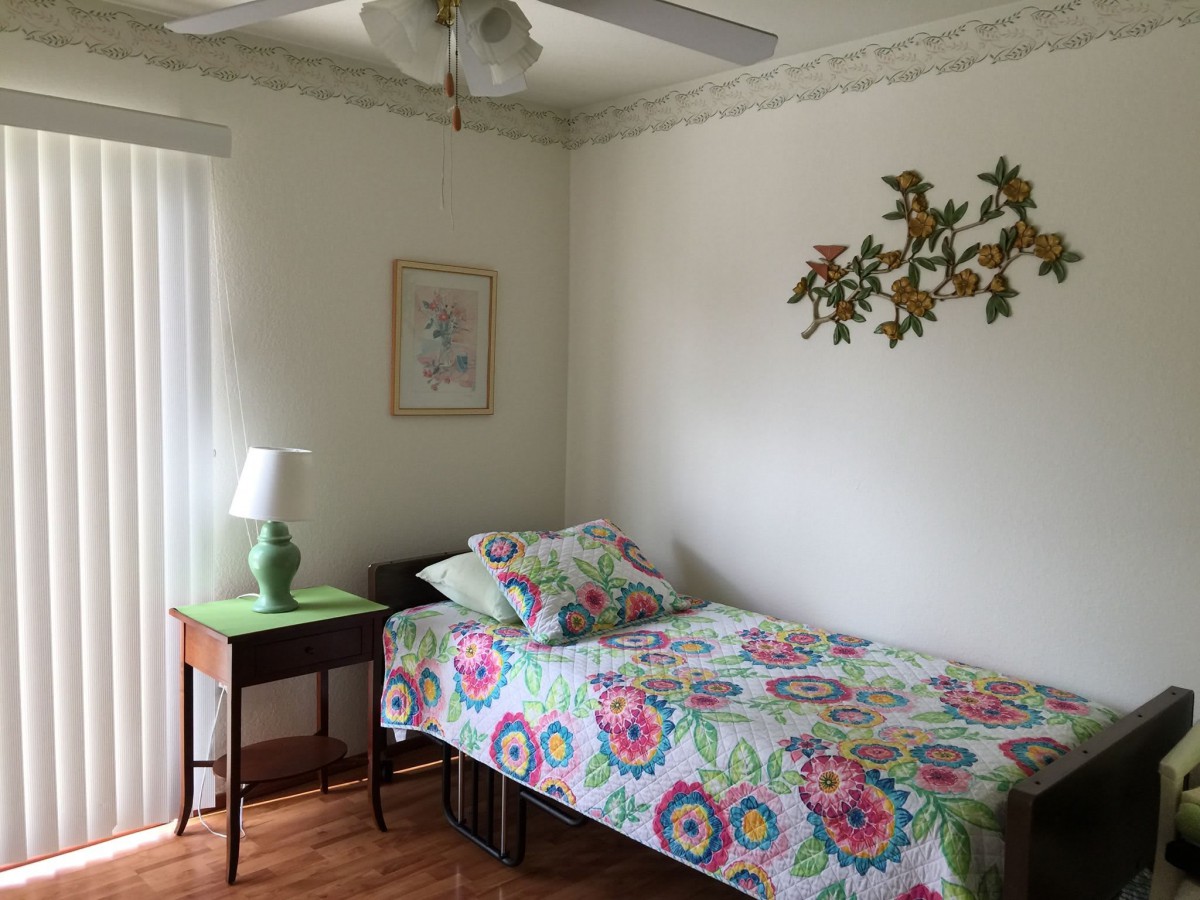
 Private
 Respite or short term stays offered
 Wheelchair accessible showers
 Wi-Fi/high-speed internet available
 Ambulatory care
 Diabetic care
 Incontinence care
 Medication management
 Low / no sodium
 Birthday parties
 Day trips and outings
 Stretching classes

 Comprehensive Exploration of Living Wills and Other Advance Directives
 A Detailed Exploration of Living Wills and Advance Directives
 Comprehensive Guide to Medicare Coverage for Hospice Care