
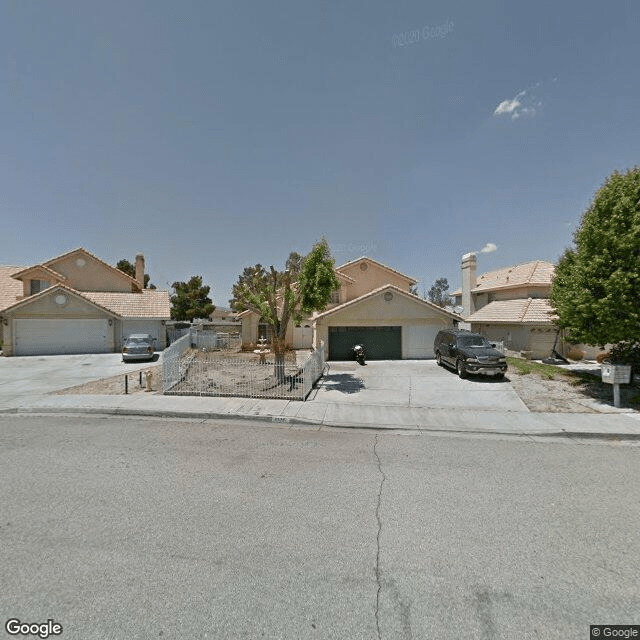
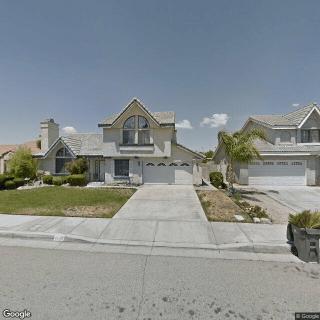
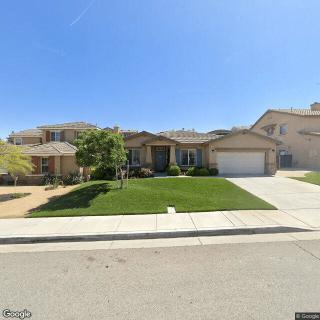
37221 Newbury Place, Palmdale, CA 93552
To contact a resident: (661) 285-1358
For more information about senior living options: (866) 208-4318
Dimel Palace Costs & Pricing
At Dimel Palace, the monthly costs for accommodations reflect a competitive pricing structure when compared to both Los Angeles County and the broader California state averages. For a semi-private room, residents are charged $2,000, significantly lower than the county average of $3,349 and even below the state average of $3,333. Similarly, for private rooms at Dimel Palace, the cost is set at $2,200, which again presents a more affordable option compared to Los Angeles County's average of $4,197 and California's average of $3,939. This positioning not only highlights Dimel Palace as an attractive choice for potential residents but also underscores its commitment to providing quality care at reasonable rates in a region where costs can often be prohibitively high.
| Floor plans | Dimel Palace | Los Angeles County | California |
|---|---|---|---|
| Semi-Private | $2,000 | $3,349 | $3,333 |
| Private | $2,200 | $4,197 | $3,939 |
Senior living communities with a similar price nearby
-
from +$295 / mo

Casa Amore West
$2,295 to $3,600 / month12.6 miles away -
About the same
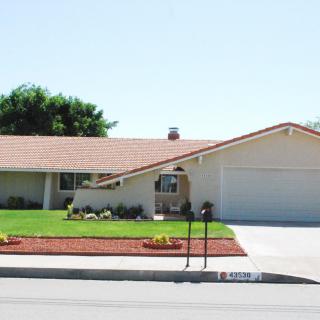
El Vista Residential Care
$2,000 to $3,000 / month9.4 miles away -
from -$200 / mo
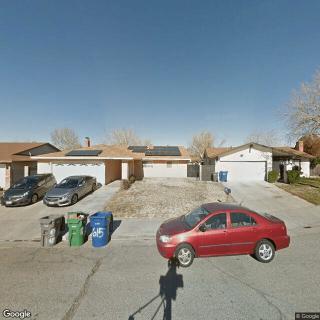
Joe-Sephine Residential Care Fac. For The Elderly
$1,800 to $2,500 / month10.0 miles away -
from -$200 / mo

Palmdale Senior Villa, LLC
$1,800 to $2,500 / month2.6 miles away -
About the same

Palmdale Dwelling Place
$2,000 to $2,500 / month5.1 miles away
Overall Review of Dimel Palace
Pros
 The owners are able to generally do a good job taking care of mom.
- Everything turned out okay in the end.
Cons
 There was an incident in which a care provider allegedly overdosed the reviewer’s mother, resulting in her hospitalization.
Review
Dimel Palace in Palmdale is best suited for families seeking a small, home-like assisted living arrangement where residents receive attentive, hands-on care from owner-operators who stay actively involved. It works well for elders who value personal relationships, predictable routines, and daily oversight over clinical sophistication or expansive programming. The setting feels more like a private residence than a campus, which can translate into a calmer, less daunting transition for someone who dislikes hospital-like environments. For residents who favor direct access to the people delivering care and a sense that caretaking is a shared, intimate responsibility, this community provides a practical, neighborly path to aging in place with a familiar, low-key vibe.
Those considering other options should note who Dimel Palace may not be ideal for. Residents with high medical complexity or dementia-specific needs often require more formalized clinical oversight and on-site licensed nursing 24/7, along with robust therapy and activity programs. The small, privately run model can be vulnerable to staffing gaps and slower escalation of medical issues. Families prioritizing institutional-level safety nets, meticulous medication management, or highly structured, evidence-based programming may find larger assisted living communities or dedicated memory care more reliable. In short, this is less about a luxury experience and more about a dependable, intimate care environment with clear limits.
The principal advantages reside in the intimate, hands-on care delivered by the owners. Being actively involved allows for quick adjustments to daily routines, more attentive mood monitoring, and a sense that someone is truly watching over the resident. Communication with family tends to be straightforward, and decisions can be made without layers of bureaucracy. The small scale may foster steadier, more stable relationships with caregivers, reducing the churn that can disturb a senior’s sense of security. For families, that translates into practical reassurance: care feels personal, responsive, and coordinated, not transactional.
Yet a serious concern looms: a reported incident where a caregiver overdosed the resident, prompting hospitalization. While the outcome in that case was ultimately resolved, the episode underscores the risk inherent in a tiny operation with a limited pool of staff. The event points to potential gaps in medication management, supervision, and backup during off-hours. It also raises questions about how emergencies are detected, communicated, and escalated. The owners’ age and hands-on approach, though often a strength, can amplify vulnerability if staffing becomes inconsistent or if there is insufficient professional oversight to catch mistakes before they escalate.
To reconcile the positives with the risks, focus on concrete safeguards. The upside is a highly responsive, personalized presence that makes caregivers feel like a trusted part of the family’s plan. The intimate setting supports strong relationships and easier, direct oversight by the owners, who can tailor care as needs shift. On the risk side, demand transparent policies on medication administration, caregiver qualifications, supervision schedules, and incident reporting. Request to meet the current caregiving team, observe daily routines, and obtain a written contingency plan for off-hours coverage. A well-defined governance framework can convert warmth and flexibility into dependable safety.
In the end, Dimel Palace offers a credible, practical option for families prioritizing a modest, home-like atmosphere in Palmdale with engaged, owner-led care. It is well-suited for seniors who want close personal attention, a stable daily rhythm, and a setting that feels like a welcoming home rather than a clinical facility. For residents with substantial medical needs, complex ongoing nursing requirements, or dementia-focused programming, alternatives with stronger clinical infrastructure should be explored. Prospective families should visit, meet the owners, observe caregiver interactions, and insist on clear policies around dosing, incident handling, and backup coverage. When standards are transparent and expectations are aligned, Dimel Palace can be a solid, reliable choice.
 Board and Care Home
 Private



 Compassionate Conversations: How to Comfort Someone Who Is Grieving
 Home Health Care Aides: Understanding Their Role and Supporting Your Family
 Urinary Tract Infections in Older Adults: Comprehensive Insights on Symptoms, Treatment, and Prevention