
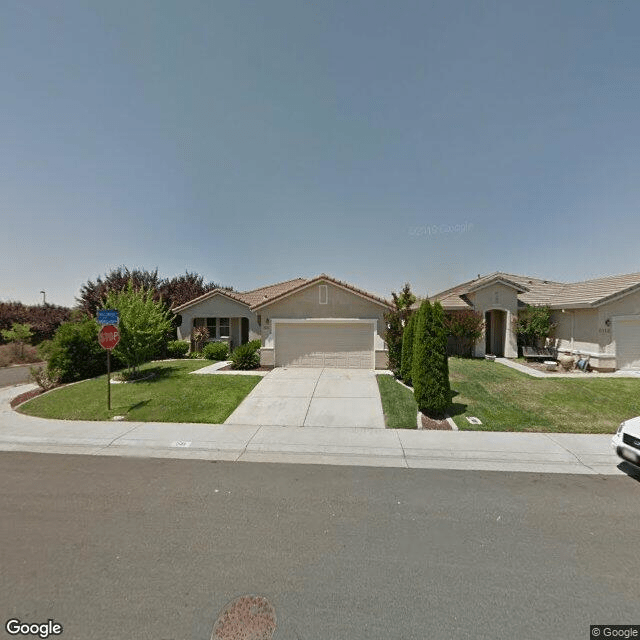
2135 Larkflower Way, Lincoln, CA 95648
For more information about senior living options: (866) 208-4318
Angels Sunrise Villa Costs & Pricing
Angels Sunrise Villa offers competitive pricing for its residents compared to the broader market in Placer County and California. With a monthly cost of $3,400 for a semi-private room, Angels Sunrise Villa is slightly below the county average of $3,489 and closely aligns with the state-wide average of $3,333. For those seeking private accommodations, the monthly fee is set at $3,500, which is notably more affordable than the average rate in Placer County of $4,026 and remains below California's average of $3,939. This positioning makes Angels Sunrise Villa an attractive option for individuals looking for quality care without compromising on value.
| Floor plans | Angels Sunrise Villa | Placer County | California |
|---|---|---|---|
| Semi-Private | $3,400 | $3,489 | $3,333 |
| Private | $3,500 | $4,026 | $3,939 |
Memory care communities with a similar price nearby
-
from +$600 / mo
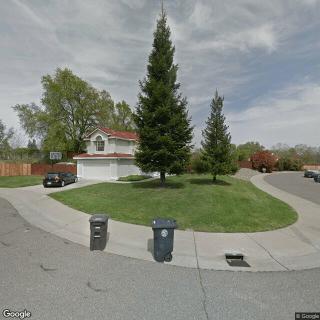
Sungarden Villa II
$4,000 / month14.9 miles away -
from -$400 / mo
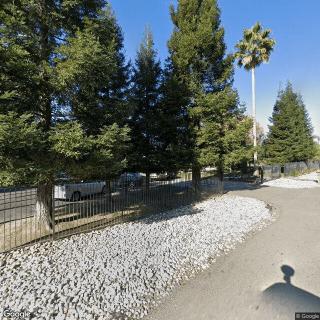
Love & Care for Elder
$3,000 to $4,500 / month13.4 miles away -
from +$600 / mo

Ashley Villa
$4,000 / month18.8 miles away -
from +$600 / mo
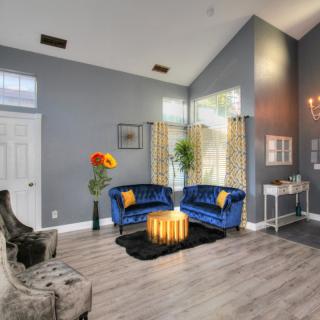
A Bright Future
$4,000 / month12.8 miles away -
About the same

Diamond Oaks Residential Care
$3,500 to $4,000 / month10.2 miles away
Overall Review of Angels Sunrise Villa
Pros
 Alpesh and his care facility are highly recommended by multiple agencies for managing complex dementia-related needs.
 - Alpesh and his staff are exceptional in accommodating residents' unique needs.
- The staff maintain a respectful relationship with the hospice team, reflecting strong collaboration.
- The home is clean, and the caregivers are compassionate and knowledgeable.
- The dad and his family were treated with the utmost kindness during the stay, and the family remains grateful for the help received.
- The residents of Angel's and Floradale Villas are very well cared for, with clean facilities, excellent skin care, and a calm, supportive memory-care atmosphere.
Review
Angels Sunrise Villa in Lincoln, California is best suited for families seeking an intimate, memory-care focused home where dementia and related conditions can be managed with highly personalized attention and a calm, supportive atmosphere. The community shines when the goal is hands-on care for Alzheimer’s disease, Parkinson’s involvement, and other complex memory issues, especially where coordination with hospice teams matters. It’s a practical fit for those who prefer a small, home-like setting over the pace and breadth of a large campus. It may not satisfy families looking for a broad medical campus, aggressive activity programming, or a wide continuum of services.
The strongest footprints are in the staff and the care philosophy. Reviews consistently point to Alpesh and the caregiving team delivering exceptional, individualized responses to tough behavioral and medical needs, paired with respectful engagement with hospice partners. The environment is described as clean and orderly, with caregivers who are compassionate and knowledgeable, creating a reassuring daily rhythm for residents and families during difficult transitions. Additional observations from a podiatry perspective highlight clean facilities, quality skin care, and a calm, supportive mood for Memory Care residents, reinforcing a picture of steady, attentive care.
Those appreciable strengths help offset several practical trade-offs inherent in a small, home-style setting. Personal attention in a smaller home often translates into more consistent routines, better safety oversight, and quicker responsiveness to sudden needs , benefits that matter deeply to families managing memory decline alongside Parkinson’s. The evident hospice collaboration adds a layer of continuity that can ease decision-making during end-of-life stages and reduce the sense of being handed off between providers. In sum, the pros deliver a high-touch, dignity-forward experience that can outperform larger facilities on the core metrics families value: stability, compassion, and tailored support.
Still, caution is warranted. The community earns a modest 3.7 overall rating from three reviews, including a one-star note, suggesting some experiences may diverge from the positives. For families whose priority is a broad menu of activities, extensive medical services, or a large network of specialists under one roof, alternatives with more comprehensive offerings may serve better. Those who want aggressive programming, high-energy social calendars, or a more expansive staff may find the scale limiting. The small footprint, while a strength for individualized care, is the same attribute that can constrain options for some residents.
To judge fit with confidence, practical due diligence is essential. Prospective families should probe staff-to-resident ratios and the depth of memory-care training across shifts, and specifically how care plans evolve with advancing dementia and Parkinson’s symptoms. Inquire about the formal processes used to align care with hospice goals, incident tracking, and how emergencies are managed overnight. Clarify what is included in monthly fees versus add-on services, and how ancillary care such as podiatry, transportation, or therapy is scheduled and billed. Given the noted skin-care emphasis, confirm accessibility to other essential services and the facility’s track record on maintaining resident comfort and mobility.
Bottom-line, Angels Sunrise Villa is a compelling option for families prioritizing an intimate, compassionate memory-care environment with strong hospice alignment and a calm, predictable daily routine. The care team’s demonstrated ability to adapt to challenging dementia and Parkinson’s needs in a small-home setting stands out as a practical advantage that larger campuses may struggle to replicate. Those who require extensive activity programs, broad medical support, or a wide continuum of care should explicitly compare with alternatives to ensure all needs will be met. With targeted questions, a candid tour, and careful consideration of what matters most for the resident’s trajectory and family peace of mind, this community can be a good, deliberate choice for the right memory-care profile.
 6 resident community capacity
 Assisted Living
 Board and Care Home
 Memory Care
 Activities on-site
 Cable or satellite TV
 Dining room
 Fully furnished
 Garden
 Housekeeping services
 Indoor common areas
 Move-in coordination
 Outdoor common areas
 Private
 Telephone
 Wheelchair accessible showers
 Wi-Fi/high-speed internet available
 Sacramento International (20 miles away)
 24-hour supervision
 Ambulatory care
 Assistance with bathing
 Assistance with dressing
 Assistance with transfers
 Diabetes diet
 High acuity care
 Meal preparation and service
 Medication management
 Special dietary restrictions
 Transportation arrangement (medical)
 Transportation to doctors appointments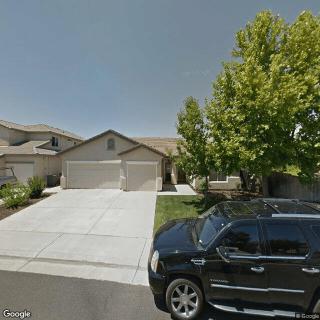
 Illuminating Insights About Alzheimer's Disease: Ten Crucial Realities
 A Thorough Discussion of Medications Potentially Linked to Dementia Risk
 Why Do Dementia Patients Sleep So Much? Understanding Oversleeping, Stages, and Care Approaches