
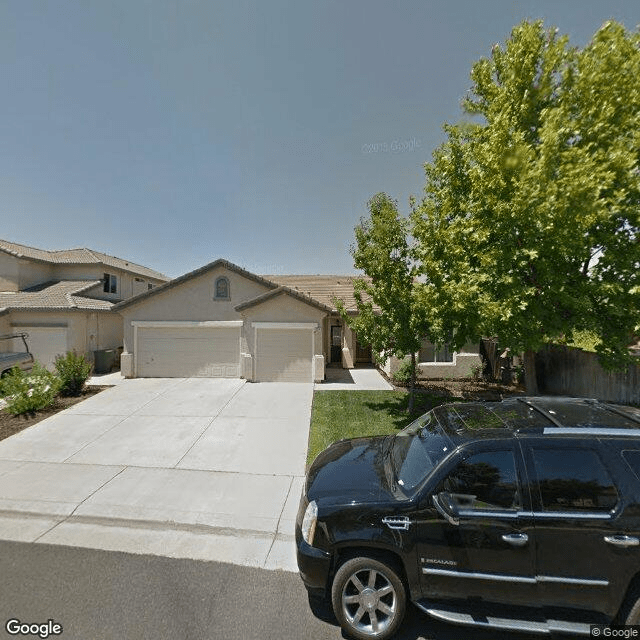
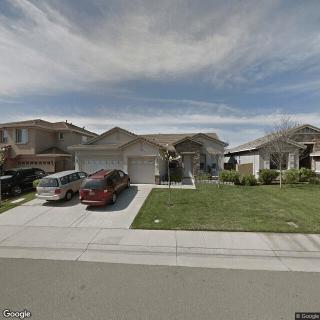
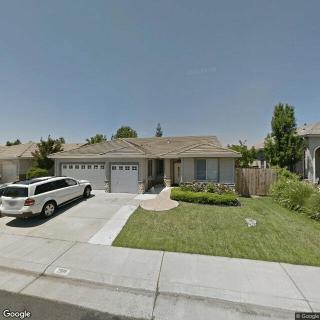
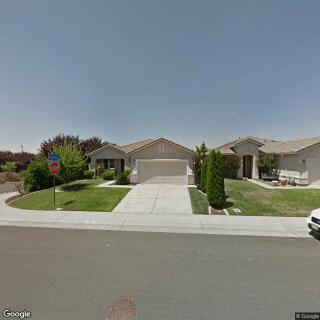
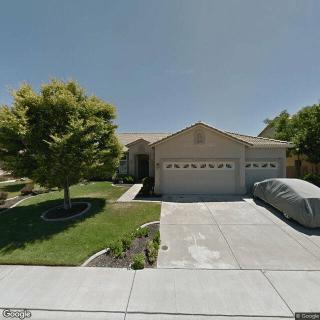
2544 Floradale Way, Lincoln, CA 95648
To contact a resident: (916) 847-0842
For more information about senior living options: (866) 208-4318
Lincoln Villa Costs & Pricing
Lincoln Villa offers competitive pricing for its residents, with monthly costs that are closely aligned with the broader market in Placer County and California. For a semi-private room, Lincoln Villa charges $3,400 per month, slightly lower than the county average of $3,489, making it an appealing option for those seeking affordability without compromising on quality. In contrast, their private rooms are priced at $3,500, which is notably more economical than the county average of $4,026 and aligns well with the state average of $3,939. This positioning not only highlights Lincoln Villa's commitment to providing value but also underscores its dedication to delivering quality care in a cost-effective manner.
| Floor plans | Lincoln Villa | Placer County | California |
|---|---|---|---|
| Semi-Private | $3,400 | $3,489 | $3,333 |
| Private | $3,500 | $4,026 | $3,939 |
Assisted Living communities with a similar price nearby
-
from -$400 / mo
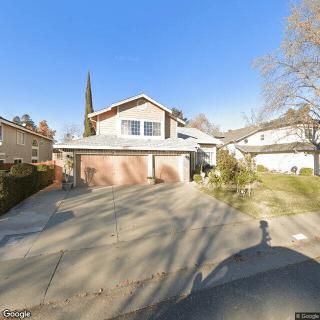
Afable Care Home
$3,000 to $3,500 / month12.4 miles away -
from -$400 / mo
Love & Care for Elder
$3,000 to $4,500 / month13.0 miles away -
from -$395 / mo

Hear Seniors
$3,005 to $3,870 / month18.7 miles away -
from +$600 / mo
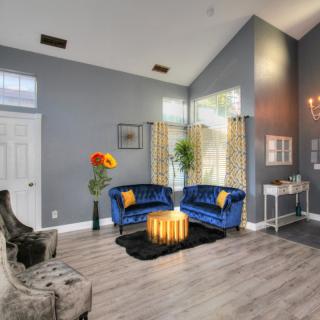
A Bright Future
$4,000 / month12.4 miles away -
from +$600 / mo
Elite Home Care
$4,000 / month22.3 miles away
Overall Review of Lincoln Villa
Pros
 The facility is wonderful.
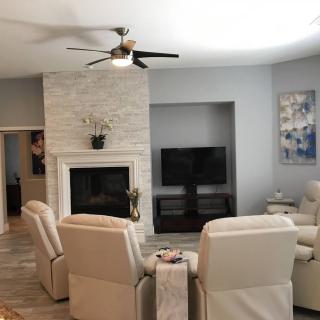
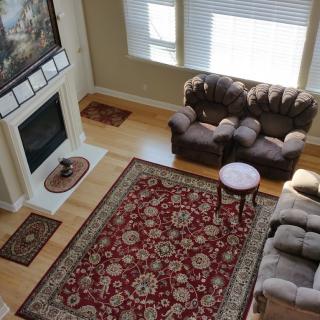
- The home is beautiful, clean, and well-appointed.
- The care given to the patients is incredible.
- The father had his dignity and was cared for by very patient and kind caregivers.
- Alpesh is a very fair and honest man.
- The facility is highly recommended for anyone’s loved one.
- It was truly an answer to a prayer.
Cons
 The father had very bad Alzheimer's.
- He was combative.
- No one would take him in their city.
Review
This community is best suited for families seeking a small, home‑like memory care environment where a loved one with dementia can receive dignified, patient care under attentive leadership. The single testimonial centers on an Alzheimer’s patient whose dignity was preserved and who was cared for by compassionate staff, with Alpesh, the administrator, described as fair and trustworthy. Lincoln Villa appears to thrive as a warm, well‑kept residence where residents are treated with respect and staff interactions emphasize patience and kindness. For families prioritizing a personal, intimate setting over institutional scale, this option offers a compelling fit.
Those considering alternatives should weigh the desire for a larger campus with more formal clinical programs or more robust medical staffing. If a loved one requires intensive, round‑the‑clock medical oversight, highly structured dementia programming, or extensive on‑site rehabilitation services, a bigger memory‑care focused facility could be more appropriate. The limited breadth of feedback makes it prudent to compare several communities to confirm that the level of care and responsiveness aligns with current and anticipated needs.
The strongest pros, as reflected in the review, offset potential concerns about scale or formality. The home’s beauty, cleanliness, and thoughtful, well‑appointed design contribute to a calm, familiar atmosphere that can ease agitation and cognitive distress in dementia care. The reported care quality, characterized as “incredible,” with residents treated with dignity by patient caregivers, speaks to daily practices that many families equate with safe, compassionate support. The administrator’s fairness and honesty serve as a trust anchor, signaling reliable leadership and transparent communication, which are critical when navigating dementia‑related decisions.
Given the lack of broader data, the main potential con is the sample size and the absence of detailed program specs. A single high‑praise narrative cannot fully establish consistency across all residents or capture variations in weekend coverage, staff turnover, or the availability of specialized therapies. Nonetheless, the documented strengths, dignified care, a respectful caregiver culture, and visible dedication from leadership, provide a meaningful offset to these uncertainties. Families should remain aware that experiences can differ by shift, by caregiver, and by the evolving needs of a memory‑care resident.
Prospective visitors should approach with a practical checklist, turning an initial impression into measurable due diligence. Schedule a visit with Alpesh to tour the home, observe interactions between staff and residents, and ask for a current care plan sample, including dementia‑specific activities, daily routines, and safety practices. Request details on staff‑to‑resident ratios, shift coverage, and how transitions (meal times, medications, or mood changes) are managed. Inquire about licensing, incident reporting, and whether the facility can provide references or tour current residents and families for candid feedback. Discuss cost, contract terms, and what is included versus add‑on, ensuring alignment with financial expectations and long‑term needs.
Overall, Lincoln Villa emerges as a highly credible option for families prioritizing a compassionate, dignity‑preserving memory‑care home led by a principled administrator. For those with dementia who value a warm, intimate setting and measured, respectful caregiving, this community warrants serious consideration. However, for families needing extensive clinical oversight, aggressive medical programming, or a larger, more conventional campus experience, exploring alternatives is sensible. The decisive step is an in‑person evaluation to confirm that the proven strengths in care quality and leadership translate into the specific, day‑to‑day realities required by a loved one.
 6 resident community capacity
 Assisted Living
 Board and Care Home
 Cable or satellite TV
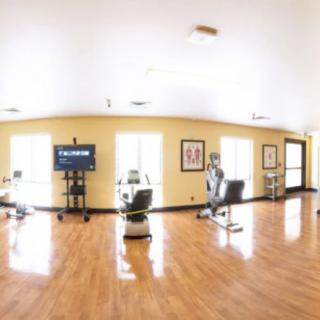
 Dining room
 Fully furnished
 Garden
 Housekeeping services
 Move-in coordination
 Outdoor space
 Private
 Private bathrooms
 Telephone
 Wi-Fi/high-speed internet available
 Sacramento International (20 miles away)
 24-hour supervision
 Activities of daily living assistance
 Assistance with bathing
 Assistance with dressing
 Assistance with transfers
 Diabetes diet
 High acuity care
 Meal preparation and service
 Medication management
 Special dietary restrictions
 Transportation arrangement (medical)
 Transportation to doctors appointments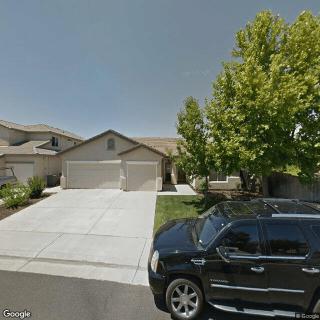
 Senior Transition Services: Understanding Their Role, Cost, and Importance
 Exploring the Path to Senior Living: A Comprehensive Look at Independent Living and Assisted Living
 Is Assisted Living Deductible on Your Taxes? Understanding the Complexities of Assisted Living Expenses and Deductions