
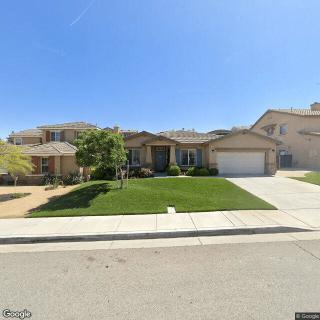
44161 11Th Street W, Lancaster, CA 93534
For more information about senior living options: (866) 208-4318
Overall Review of Compassionate Elderly Care Management Systems
Pros
 The facility in Lancaster, CA is neat and clean.
- The owners and staff are very caring and concerned.
- The staff take very good care of residents and keep them safe.
- The reviewers feel fortunate that their sister is treated well and is safe there.
- The staff, including Anna and Tina, along with the owners, are outstanding.
- The mother and grandmother are being well taken care of, with Cecilia and Rosa praised for their professionalism and compassionate care.
Review
Compassionate Elderly Care Management Systems in Lancaster, CA is best suited for families seeking an intimate, caregiver-driven setting where daily supervision and safety for seniors, especially those with dementia, are top priorities. The community appears ideal for residents who thrive in a small, home-like atmosphere rather than a large campus, and for families who want visible, hands-on attention from experienced staff. The emphasis on a neat, orderly environment helps reduce confusion and supports consistent routines, which matters greatly for memory-impaired residents.
The strongest pros are clear: the facility is described as neat and clean, with a staff and ownership group that genuinely care for residents. Several reviews highlight that a sister living there since 2019 has received attentive, protective care, and that the treatment of the reviewer’s family member reflects a tranquil, secure setting. Observations about the staff’s caring approach are reinforced by multiple mentions of individual caregivers who stand out for professionalism and warmth. Such factors, cleanliness, safety, and compassionate, consistent staff, form a compelling value proposition for families prioritizing trust and peace of mind.
In particular, named caregivers stand out as evidence of reliable, person-centered care. Anna and Tina are repeatedly praised for outstanding service, suggesting a strong continuity of care and a relationship-based approach rather than a transactional experience. Cecilia’s professionalism and Rosa’s compassionate attention in her grandmother’s final time together point to a facility where residents’ emotional and end-of-life needs are taken seriously. This level of personal connection can offset the worry that a smaller operation might lack formal resources, by delivering tangible, day-to-day reassurance to families.
A candid assessment must acknowledge what the reviews do not detail. There is little information about the depth of medical oversight, the breadth of activity programming, staffing ratios during peak hours, or the availability of specialized services beyond basic dementia care. Prospective residents or families should consider whether this setting can meet evolving medical needs, rehabilitation goals, or more extensive therapy programs. For those who require robust on-site medical management, more expansive memory-care campuses or facilities with integrated clinical teams may be preferable. Alternatives such as in-home care can also be attractive for families seeking greater flexibility and personalized scheduling.
Those evaluating options should weigh how the demonstrated strengths align with current and anticipated needs. The warmth, steady supervision, and long-standing, attentive staff provide a tangible offset to the lack of published details on programming and medical capacity. For families whose priority is a secure, nurturing home environment with reliably kind caregivers, the positives significantly reduce common anxieties about care quality. Yet for residents requiring higher-acuity medical attention, extensive social programming, or a wider continuum of care, it is prudent to explore other nearby facilities with clearer clinical resources and broader activity offerings.
In the final assessment, this Lancaster community excels for elders who need daily caregiving in a serene, well-maintained setting and for families that value personal connections with the care team. It is particularly well-suited for dementia care within a small, familial atmosphere where continuity of relationships matters. Families should consider alternatives if medical complexity, larger-scale programming, or greater clinical support are priorities. A visit to meet the owners and the care team will confirm whether this environment aligns with the resident’s specific needs and the family’s expectations for ongoing, proactive care.
 6 resident community capacity
 Assisted Living
 Board and Care Home
 Cable or satellite TV
 Dining room
 Fully furnished
 Garden
 Housekeeping services
 Move-in coordination
 Outdoor space
 Telephone
 Wi-Fi/high-speed internet available
 24-hour supervision
 Activities of daily living assistance
 Assistance with bathing
 Assistance with dressing
 Assistance with transfers
 Diabetes diet
 Meal preparation and service
 Medication management
 Special dietary restrictions
 Transportation arrangement (medical)
 Transportation to doctors appointments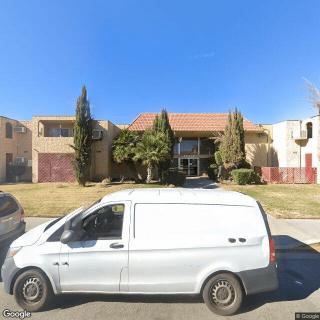

 When to Transition from Assisted Living to Memory Care: Key Indicators, Steps, and Finding the Right Community
 Assisted Living and Memory Care: Understanding Their Core Differences
 Beyond the Bingo Hall: 50+ Enriching Activities for Seniors in Assisted Living