
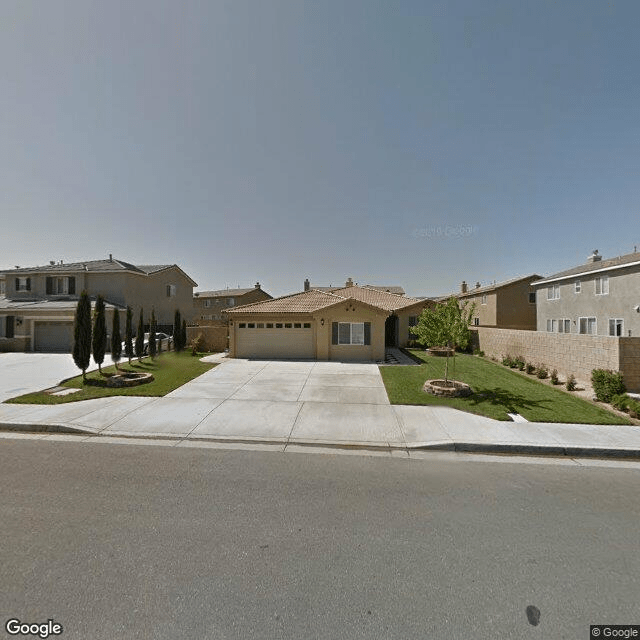
6218 West Avenue J-12, Lancaster, CA 93536
For more information about senior living options: (866) 208-4318
Annabelle's Cottage II Costs & Pricing
Annabelle's Cottage II offers competitive pricing for its accommodations compared to the broader market in Los Angeles County and California as a whole. For semi-private rooms, residents pay $2,600 per month, significantly lower than the county average of $3,349 and the state average of $3,333. Private rooms at Annabelle's Cottage II are also attractively priced at $3,000 per month, which is well below both the county's rate of $4,197 and the state's average of $3,939. Overall, Annabelle's Cottage II presents a cost-effective option for individuals seeking quality care without compromising on comfort or services within a challenging economic landscape.
| Floor plans | Annabelle's Cottage II | Los Angeles County | California |
|---|---|---|---|
| Semi-Private | $2,600 | $3,349 | $3,333 |
| Private | $3,000 | $4,197 | $3,939 |
Assisted Living communities with a similar price nearby
-
from +$400 / mo
Bridges Of Hope & Love 3
$3,000 to $3,500 / month22.8 miles away -
from -$305 / mo
Casa Amore West
$2,295 to $3,600 / month4.9 miles away -
from -$100 / mo
Admirable Home Care
$2,500 to $3,000 / month9.7 miles away -
from +$395 / mo

Palm Vista Senior Living
$2,995 to $4,095 / month6.1 miles away -
from +$393 / mo
The Havens at Antelope Valley
$2,993 to $6,385 / month4.8 miles away
Overall Review of Annabelle's Cottage II
Cons
 The place keeps several aggressive pit bulls and other dogs.
- The yard is full of dog waste.
- Dogs jump at the gate as people walk by.
- It is not a safe place for the elderly.
- There are so many pit bulls that their grandmother would not be safe there.
- Dogs were barking at visitors from the garage.
Review
Annabelle's Cottage II in Lancaster is not a good match for the typical senior who requires safety, predictable routines, and a clean, well-controlled living environment. If a decision must entertain this option, it would only be for a family with exceptional oversight capacity and a willingness to tolerate constant dog presence, and even then the risk remains unacceptably high. The core reality is that safety and calmness are not reliably assured here, and families should not assume that a pet-friendly setup automatically equates to a suitable elderly living arrangement. For most seniors, the balance tips decisively toward safer, better-regulated communities with clear boundaries between residents and animal activity.
Families evaluating options should explicitly consider alternatives that prioritize controlled dog policies, stronger environmental upkeep, and quiet, predictable surroundings. Look for facilities with strict pet-management rules, visible enforcement, and limited dog density so that wandering or loose dogs are not a regular hazard. Ground maintenance and cleanliness should be a baseline standard, with routine yard and exterior upkeep that prevents waste clutter from creating unsafe or unhealthy conditions. In short, seek communities where safety and cleanliness are non-negotiables, and where staff turnover and responsiveness support quick resolution of any concerns.
The most salient cons here center on a tangible safety risk and a sense of unpredictability that would understandably alarm families. Aggressive pit bulls and other dogs in close proximity to living areas raise legitimate fears about potential bite incidents, especially for residents who use walkers, have balance issues, or are prone to wandering. The immediate environment, yards loaded with dog waste, barking dogs at the gates, and dogs observed barking from the garage, adds another layer of distress, signaling a setting where supervision may be inconsistent or insufficient when emergencies arise. Those factors collectively erode the foundation of reassurance that families expect from an assisted living option.
There are no clearly documented pros in the available feedback that could meaningfully offset these substantial drawbacks. The absence of cited benefits leaves a blind spot where hoped-for advantages, such as companionship from pets, reduced isolation through lively common areas, or flexible policies that accommodate animal-loving residents, would otherwise balance risk. Without credible positives to counterbalance the dominant safety and cleanliness concerns, the verdict is straightforward: this community does not meet the essential criteria for a safe, dignified senior living experience.
For families moving toward decisive action, a practical checklist helps separate viable options from problematic ones. Prioritize facilities with transparent pet policies, fenced and secure outdoor spaces, and clear protocols for responding to animal-related incidents. Verify staff-to-resident ratios, emergency response times, and reporting mechanisms so that any issue, medical or behavioral, receives immediate attention. Tour competitors that emphasize controlled environments, seclusion of animal activity from resident living spaces, and consistently pristine grounds. Ask hard questions about how behavioral issues with animals are managed, how barking is mitigated, and what happens if a pet-related safety incident occurs.
In the end, the recommendation is firm: steer away from Annabelle's Cottage II for any elder requiring reliable safety, a calm atmosphere, and clean, well-maintained surroundings. The risks presented by the dog dynamics, combined with cleanliness concerns, outweigh any conceivable benefit. Families should redirect efforts toward communities with proven safety records, controlled pet access, and actively managed outdoor spaces. The goal is to protect dignity and well-being, and that goal is best achieved by choosing a setting where safety is visible, standards are high, and daily life remains consistently predictable.
 6 resident community capacity
 Assisted Living
 Board and Care Home
 Cable or satellite TV
 Dining room
 Fully furnished
 Garden
 Housekeeping services
 Move-in coordination
 Outdoor space
 Private
 Telephone
 Wi-Fi/high-speed internet available
 24-hour supervision
 Activities of daily living assistance
 Assistance with bathing
 Assistance with dressing
 Assistance with transfers
 Diabetes diet
 Diabetic care
 Meal preparation and service
 Medication management
 Special dietary restrictions
 Transportation arrangement (medical)
 Transportation to doctors appointments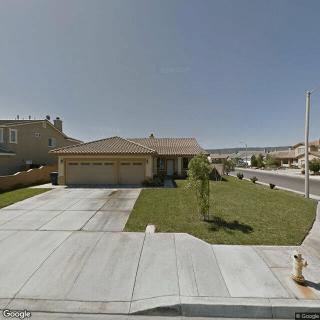
 Warm, family-like staff delivering personalized care with open communication and a clean, spacious setting.

 Senior Transition Services: Understanding Their Role, Cost, and Importance
 Exploring the Path to Senior Living: A Comprehensive Look at Independent Living and Assisted Living
 Is Assisted Living Deductible on Your Taxes? Understanding the Complexities of Assisted Living Expenses and Deductions