
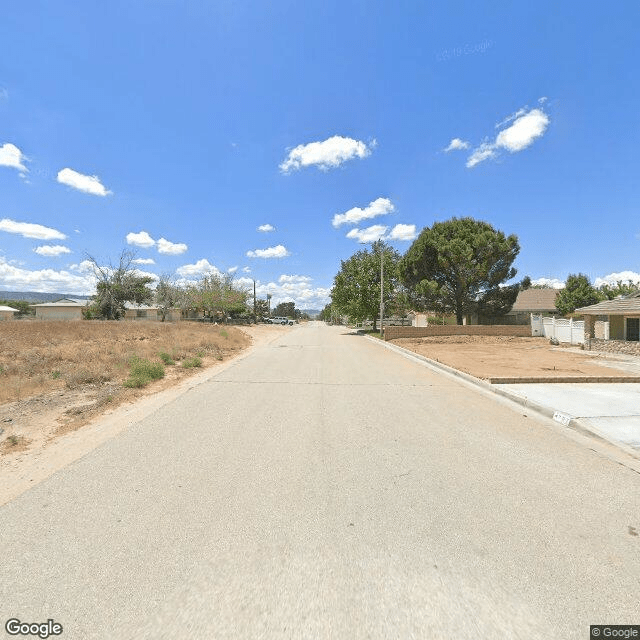
4707 West Avenue K-8, Lancaster, CA 93536
To contact a resident: (661) 418-0639
For more information about senior living options: (866) 208-4318
We Care Residential Home for the Elderly Costs & Pricing
We Care Residential Home for the Elderly offers competitive pricing for its accommodations, especially when compared to the averages for both Los Angeles County and California as a whole. With monthly costs of $2,500 for a semi-private room, residents benefit from significant savings compared to the county's average of $3,349 and the statewide average of $3,333. Similarly, private rooms at We Care are priced at $3,000, well below the county's average of $4,197 and slightly less than California's average of $3,939. For those seeking one-bedroom options, We Care again proves cost-effective at $3,000 versus Los Angeles County's substantial average of $4,603 and California's mean of $4,340. This positioning highlights We Care's dedication to providing affordable care without compromising on quality in an increasingly expensive market.
| Floor plans | We Care Residential Home for the Elderly | Los Angeles County | California |
|---|---|---|---|
| Semi-Private | $2,500 | $3,349 | $3,333 |
| Private | $3,000 | $4,197 | $3,939 |
| 1 Bedroom | $3,000 | $4,603 | $4,340 |
Memory care communities with a similar price nearby
-
from -$205 / mo
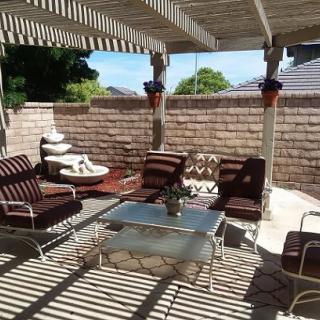
Casa Amore West
$2,295 to $3,600 / month4.0 miles away -
from +$495 / mo
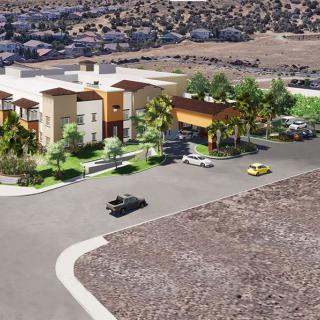
Palm Vista Senior Living
$2,995 to $4,095 / month4.8 miles away -
from +$493 / mo
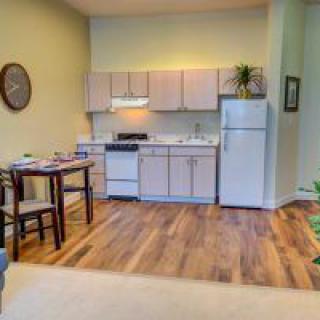
The Havens at Antelope Valley
$2,993 to $6,385 / month3.2 miles away -
from -$300 / mo
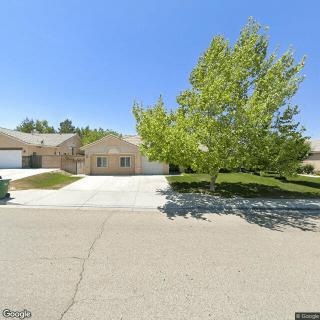
J.R. Retirement Home for Elderly
$2,200 to $3,500 / month2.7 miles away -
About the same
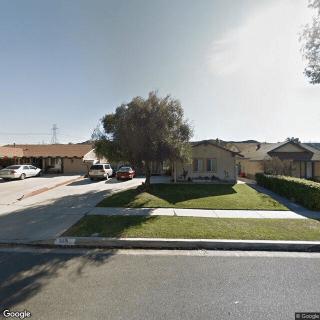
D' Elders R Us
$2,500 to $4,000 / month22.7 miles away
Overall Review of We Care Residential Home for the Elderly
Pros
 The Treasure Heritage owner is kind, caring, and supportive in meeting residents' needs.
- The Treasure Heritage would definitely receive an A+.
- The nurses at the five-star resort hotel have great bedside manners.
- The caregivers at We Care communicate well with residents.
- The food at We Care is good.
- We Care keeps the home clean.
- We Care offers activities such as puzzles.
- The We Care care home is located close to the family.
Cons
 The care home is a little expensive.
Review
We Care Residential Home for the Elderly in Lancaster is best suited for families seeking a small, home-like setting where the owner actively leads care and residents receive consistent, attentive oversight. This community shines for elders who thrive on personal connection, predictable routines, and nearby family involvement. It works well for someone who can be comfortable in a compact environment rather than a large, bustling campus and who does not require frequent, high-acuity medical interventions. The location near relatives is a practical plus, reducing transport time and enabling more frequent visits, which can make daily life feel more secure and personal. In short, this is a fit for families valuing warmth, steady communication, and a sense of being cared for by the owner-operator.
Key positives include an owner described as kind, caring, and genuinely supportive in meeting individual needs, which translates into a hands-on, accountable approach to daily care. Caregivers are noted to be fine, with good communication lines between staff and families, and overall quality you can rely on day-to-day. The environment is kept clean and the dining experience is solid, with meals described as good, which matters for comfort and nutrition. The residence also offers some structured activities, puzzles among them, that give residents reasons to engage without feeling overwhelmed by a rigid schedule. The proximity to family is another concrete benefit, easing visits and oversight, and contributing to peace of mind that quality care is within reach.
On the staffing front, there is a sense that the nursing and direct-care teams perform well, with a nod to bedside manner that resembles a higher-tier experience. That combination, attentive staff, respectful communication, and a clean setting, helps families feel confident their loved one is being looked after with dignity. Yet the program footprint is not expansive; activities beyond basic cognitive games aren’t extensively documented in the feedback. For some seniors who crave a wider array of social outings, fitness classes, or memory-care–focused programming, this may feel limited. The price tag sits a notch above some competing options, which means affordability needs to be part of the purchase decision rather than an afterthought.
The strength of this community lies in its intimate, owner-led model. The hands-on involvement of the owner tends to translate into quicker responsiveness and a stronger sense of stability for residents who want to know who is overseeing their daily life. When care needs are well within the scope of a small home, this setup can offset the higher cost by delivering a more consistent routine, clearer communication with families, and a warmer atmosphere than larger facilities. The clean, homelike environment plus dependable meals creates a reliable baseline of daily life that many families value highly. In this sense, the tangible benefits of ownership and proximity can effectively balance the financial premium if the elder’s needs align with what a small home offers.
For families navigating a choice, the key decision hinges on acuity and activity expectations. If the elder requires complex medical oversight, specialized memory support, or a broader social calendar, alternatives, such as larger communities with dedicated programming or facilities with more robust clinical staff, should be explored. Prospective residents should probe specifics: staffing ratios around the clock, the nature of nursing support, availability of memory-care programming, evening and weekend activities, and how relocation would be handled if needs change. Also assess how the home handles emergencies, medication management, and transitions to higher levels of care; these practicalities can tip the balance when costs are comparable between options.
Overall, this Lancaster home presents a compelling case for families who prize a warm, family-like atmosphere, responsive ownership, clean surroundings, and dependable day-to-day care nearby. The combination of a kind owner, attentive caregivers, good meals, and a tidy, comfortable living space makes it a strong contender for many seniors with moderate care needs who value connection and predictability. However, for those who must stretch the budget or demand a richer activity calendar or advanced clinical support, it pays to compare with other communities. The right choice hinges on aligning care needs, social expectations, and financial realities with what this intimate residence can consistently deliver.
 Board and Care Home
 Memory Care
 Bath tubs
 Indoor common areas
 Outdoor common areas
 Private
 Respite or short term stays offered
 Swimming pool / hot tub
 Wheelchair accessible showers
 Ambulatory care
 Incontinence care
 Kosher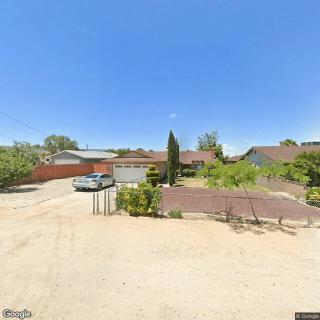


 Understanding Dementia Through Its Seven Stages: A Comprehensive Look at Progression and Expectations
 Safeguarding Your Memory Through the Golden Years: Eight Ways to Preserve Cognitive Health
 Comprehensive Insights into Activities of Daily Living (ADLs) and Their Assessment