
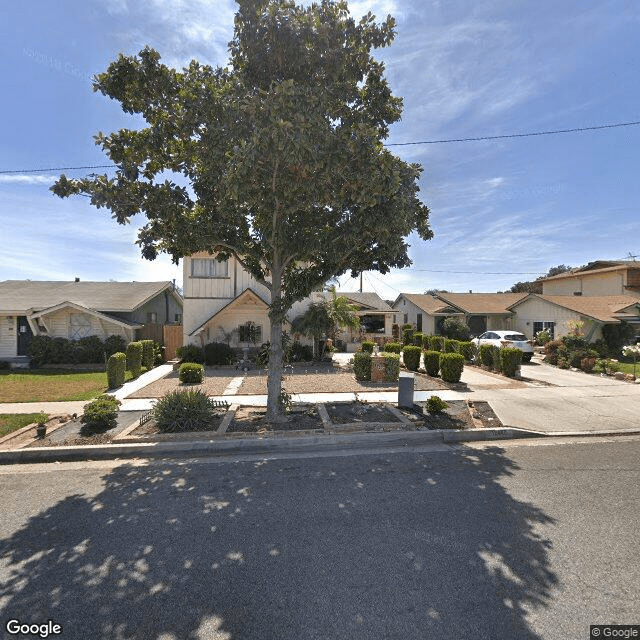
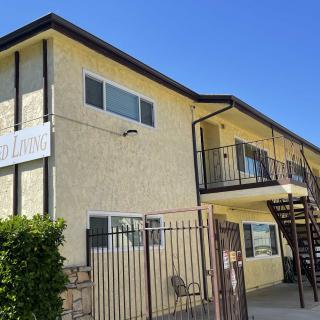
12440 E 207th Street, Lakewood, CA 90715
To contact a resident: (310) 706-5015
For more information about senior living options: (866) 208-4318
Lakewood Palace Costs & Pricing
At Lakewood Palace, the monthly costs for accommodation reflect both the quality of care and the amenities provided. For a semi-private room, residents can expect to pay $3,500, which surpasses the average rates in Los Angeles County ($3,349) and across California ($3,333). For those seeking more privacy, a private room at Lakewood Palace is priced at $5,000, positioning it above the county's average of $4,197 and the state average of $3,939. While these rates are on the higher end compared to regional benchmarks, they are indicative of Lakewood Palace's commitment to providing exceptional services and a supportive living environment tailored to meet the needs of its residents.
| Floor plans | Lakewood Palace | Los Angeles County | California |
|---|---|---|---|
| Semi-Private | $3,500 | $3,349 | $3,333 |
| Private | $5,000 | $4,197 | $3,939 |
Senior living communities with a similar price nearby
-
from +$495 / mo
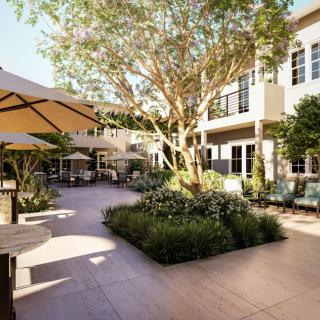
Cadence Brea
$3,995 to $5,500 / month11.3 miles away -
About the same
Kind Heart Home Care VI
$3,500 to $5,000 / month13.9 miles away -
About the same
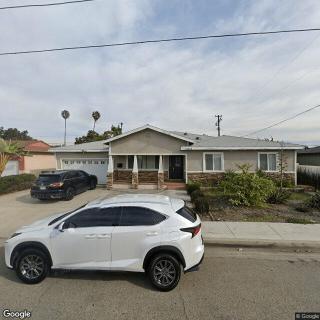
Loving Home Care
$3,500 to $4,500 / month6.5 miles away -
from -$200 / mo

Bella Manor II
$3,300 to $4,290 / month1.6 miles away -
from +$500 / mo
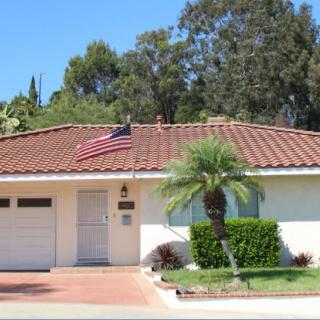
Palomino Residential Care
$4,000 to $6,000 / month14.6 miles away
Overall Review of Lakewood Palace
Cons
 The loved one's experience at this facility could have been much better.
- The loved one experienced bed sores.
- The facility seemed unorganized in the way it was run.
- The loved one was not thrilled with the food they received, since it was not something they were used to.
Review
Lakewood Palace in Lakewood, CA is best suited for seniors who want an affordable, low-friction entry into assisted living and whose families can provide hands-on oversight. The setting is practical for residents with relatively modest care needs and for households that can monitor daily routines, meals, and safety issues without relying on a highly structured, medically intensive model. In short, it serves as a budget-conscious option where independence and family involvement are expected, not outsourced to a highly coordinated care team.
Those who should seriously consider alternatives are seniors with skin integrity problems, a high risk of pressure injuries, or medical conditions requiring consistent, professional wound care and meticulous organizational systems. The standout concern in the experience shared is bed sores, which signals a gap in preventive skin care and responsive treatment. Additionally, the parent facility appears to struggle with organization, which translates into questions about how reliably daily schedules, staffing assignments, and care plans are executed. For anyone seeking predictable, evidence-backed wound management and a consistently tight operations backbone, other options are likely more suitable.
On the upside, the limited positive dynamics one might infer from a budget-friendly option include potential cost savings and proximity to family in the Lakewood area. Those savings can be meaningful when paired with a straightforward service package that covers basic assistance with mobility, medications, and daily living tasks. Yet these small advantages are eclipsed by the primary downsides: safety and quality of care are not adequately assured, and dietary satisfaction appears uncertain, with residents not always receiving meals aligned to tastes or expectations. In a decision framework, affordability cannot compensate for the risk of preventable complications and a perception of disorganization.
Families evaluating Lakewood Palace should demand concrete, current assurances before placing a loved one there. Key questions must center on wound care protocols, skin assessments, and how bed sores are prevented and treated; request to review recent incident reports, nurse coverage hours, and staff-to-resident ratios across shifts. Tours should include observation of meal service and a tasting of typical offerings or access to a recent week’s menu, with attention to how dietary preferences are accommodated. Transparency around staff training, turnover, and how family updates are communicated will be critical indicators of whether the facility can deliver reliable, attentive care despite its low-cost positioning.
When comparing alternatives, prioritize facilities that demonstrate stronger wound-care programs, consistent daily schedules, and clearly documented care plans. Look for on-site nursing leadership, a registered dietitian or solid dietician oversight, and evidence of responsive, well-documented incident handling. Families should also weigh resident satisfaction indicators, such as regular family updates, transparent billing practices, and visible quality improvement efforts. A sound choice will balance affordability with a robust care framework, ensuring skin integrity, nutrition, and safety are not compromised by organizational gaps.
Bottom line: Lakewood Palace may appeal to budget-conscious families prepared to supervise care actively, but the combination of wound-care risk, organizational gaps, and limited meal satisfaction makes it a high-stakes choice for anyone facing evolving health needs. For residents who require reliable wound management, consistent operational discipline, and meals tuned to individual preferences, alternatives with stronger clinical oversight and proven care processes represent the safer, more dependable path. A decisive step is to compare multiple communities side by side, focusing on wound-care protocols, staffing stability, and transparent communication; only then can a placement decision align with both safety priorities and the practical realities of daily living.
 Board and Care Home
 Dogs allowed
 Activities off-site
 Air-conditioning
 Bath tubs
 Cable or satellite TV
 Devotional services off-site
 Handicap accessible
 Indoor common areas
 Outdoor common areas
 Private
 Private bathrooms
 Respite or short term stays offered
 Wheelchair accessible showers
 Wi-Fi/high-speed internet available
 Long Beach (Daugherty) (5 miles away)
 High acuity care
 Incontinence care
 Medication management
 Low / no sodium
 BBQs or picnics
 Birthday parties
 Christian services
 Small, home-like board-and-care with personalized care and comprehensive ADL support.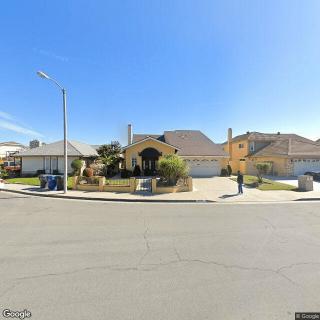
 Top Cars for Senior Drivers and Essential Safety Innovations
 A Closer Look at Private Pay Home Care
 Comprehensive Approaches for Arthritis: A Detailed Guide to Symptoms, Causes, and Care