
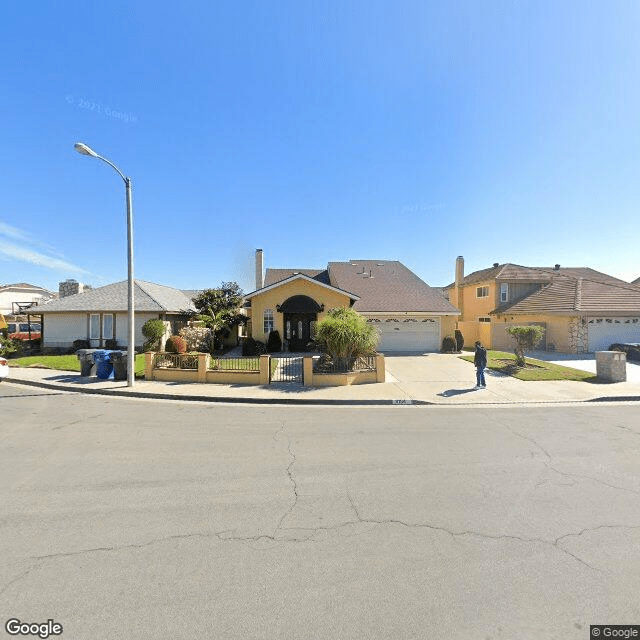
8184 Carob Street 714 624 6245cell, Cypress, CA 90630
To contact a resident: (714) 821-4084
For more information about senior living options: (866) 208-4318
Espiritu Guest House #3 Costs & Pricing
Espiritu Guest House #3 offers a semi-private room at a competitive rate of $2,000 per month. When compared to the average costs in Orange County, which stand at approximately $3,431, and the broader California state average of $3,333, Espiritu Guest House #3 presents a significant savings opportunity for residents. This pricing not only underscores the value of living in this facility but also reflects an understanding of the financial considerations facing potential residents in both local and state contexts. Overall, Espiritu Guest House #3 positions itself as an attractive option for those seeking quality accommodations without the burden of exorbitant costs.
| Floor plans | Espiritu Guest House #3 | Orange County | California |
|---|---|---|---|
| Semi-Private | $2,000 | $3,431 | $3,333 |
Senior living communities with a similar price nearby
-
About the same
John Villa's Home Care
$2,000 to $3,000 / month14.9 miles away -
About the same
Angel's Care Guest Home
$2,000 to $3,000 / month7.9 miles away -
About the same
Tess Loving Home
$2,000 to $2,500 / month10.6 miles away -
from +$300 / mo
Bronwyn Residential Care
$2,300 to $3,500 / month4.2 miles away -
About the same
Select Senior Care, LLC
$1,950 to $6,200 / month15.9 miles away
Overall Review of Espiritu Guest House #3
Pros
 Healing Steps Guest House is described as a wonderful gem to find.
- The owners and staff are awesome, attentive, and nice.
- The home is clean and the food smells good.
- They take such good care of residents.
- John and Mae are the kindest people who take care of their patients well.
- The facility feels very homey and conducive to elderly living.
- John and Mae provide tender loving care and the skills to look after the elderly.
- Healing Steps is one of the few facilities that meets high standards.
- The staff, especially John and Mae, keep families informed of nurses visits and important health information.
- Healing Steps has been a life saver for families seeking a home for a loved one.
Review
Espiritu Guest House #3 in Cypress is best suited for families seeking a small, home-like setting where an elderly loved one can receive highly personalized, hands-on care from owners-operators who treat residents as family. The feedback centers on a warm, intimate environment rather than a sprawling campus, with caregivers who are consistently described as attentive, kind, and genuinely invested in each resident’s wellbeing. This is not a facility built on corridors and clubs, but a domestic-style home where care feels like a trusted extension of the family. Those who want a high-touch, relationship-forward caregiving experience will find this community aligns with their priorities.
The strongest selling point is the human connection. Reviewers repeatedly praise the staff for being caring and attentive, with operators John and Mae at the forefront delivering what families call “tender loving care” and skilled assistance. The setting is depicted as clean and welcoming, with residents receiving meticulous monitoring and daily support. The consistency of warmth, along with the operators’ willingness to stay closely involved, creates a sense of security when navigating difficult health moments. For families seeking reassurance that a loved one will be cared for with respect, patience, and practical competence, this model delivers in spades.
Beyond individual bedside care, the environment itself reinforces the care story. The homes are described as very “homey,” conducive to relaxed daily living, and grounded in a setting that supports frequent family involvement. Family members are welcome at meals, gatherings, and visits, with an emphasis on open communication about health visits and important medical information. The property features a pleasant patio and gardens, providing a calming backdrop for respite and socialization. This combination, tight-knit caregiving plus a welcoming, lived-in space, helps residents settle in quickly and reduces the emotional burden on families during challenging times.
In weighing cons, the reviews imply tradeoffs that prospective residents should weigh against the strengths. The intimate, home-based model naturally means fewer on-site medical resources and a smaller scale than larger assisted living communities or skilled-nursing facilities. While the staff manage daily health needs with care and communicate clearly with families, residents with high-acuity medical requirements or the need for around-the-clock nursing supervision may outgrow what a guest-house format can safely provide. The upside is that staff transparency and regular health updates offset some concerns, but the lack of a broader medical infrastructure is an important consideration for the highest-need cases.
For families who must decide between alternatives, this community is a compelling fit for those prioritizing relational care, a sense of belonging, and frequent family participation in daily life. If the loved one requires substantial clinical oversight, structured programming common to larger campuses, or extensive rehabilitation services, it makes sense to explore traditional skilled-nursing facilities or larger assisted living communities. Those seeking a programmatic breadth, therapy, vigorous activities, or guaranteed 24/7 medical staffing, should look elsewhere. However, for residents who thrive on personal attention, a calm home atmosphere, and transparent, hands-on care, this option offers unmatched reassurance.
The bottom line is practical and clear: for families who value a warm, family-like caregiving environment delivered with clear communication and proximity to loved ones, Espiritu Guest House #3 presents a high-confidence choice. Pros, tender care, clean and homey surroundings, active family involvement, and direct access to the operators, substantially offset the absence of a large-scale medical campus. The decision rests on whether the priority is a deeply personal, daily care experience or a facility with broader medical capabilities. Prospective families should visit, meet John and Mae, observe the daily routines, and probe how care plans are updated, how medical information is shared, and how emergencies would be handled. If those factors align with expectations, this community stands out as a thoughtful, well-run home for a loved one who values connection as part of daily care.
 Board and Care Home
 Long Beach (Daugherty) (6 miles away)





 Financing Long-Term Nursing Home Care Through Social Security: A Thorough Exploration
 Essential Knowledge on Pneumonia in Older Adults
 Exploring Palliative Care in the Home: A Comprehensive Overview