
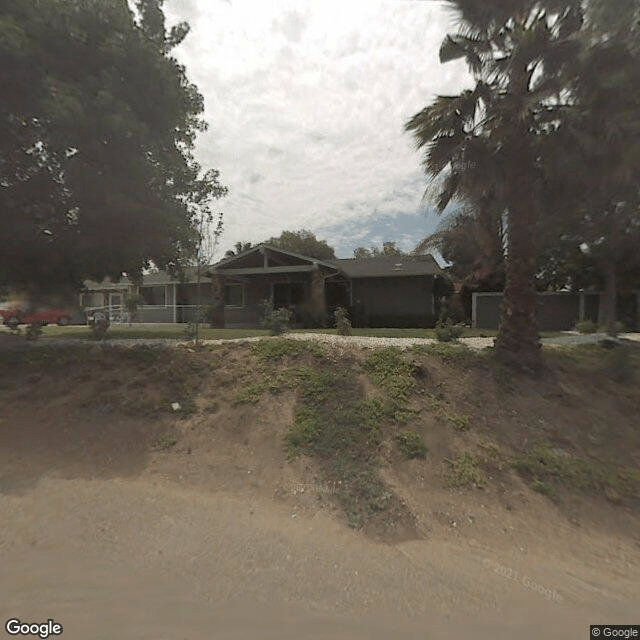
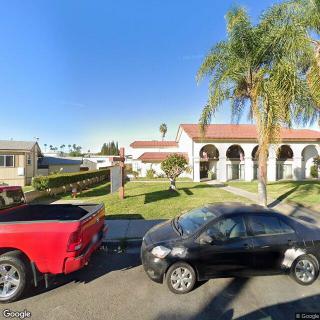
13653 Cuesta Del Sol, Lakeside, CA 92040
For more information about senior living options: (866) 208-4318
Overall Review of Chaparral Rose II
Pros
 The owner is described as a Godsend.
- It feels like visiting mom at home, not a large facility.
- The food is cooked from scratch.
- The staff are professional, friendly, and caring.
- The care extended her life to 14 months and helped her look and feel better.
- She passed peacefully in her sleep.
Review
Chaparral Rose II in Lakeside is best suited for families seeking a small, home-like setting where caregiving feels intensely personal and the day-to-day atmosphere mirrors a family home more than an institution. The most telling example from the experience shared is that the place “feels like visiting your mom at home” rather than entering a large facility. The owner is highlighted as a linchpin, a true lifeline who provides steady leadership and quick, compassionate responses. Food is prepared from scratch, a detail that translates into nourishment as well as comfort. Staff are described as professional, friendly, and genuinely caring, cultivating a relaxed, reassuring environment. Taken together, these elements create a setting where quality of life can be elevated even in the context of serious illness, and where a resident can experience dignity, peace, and consistent attention.
Those who may want to consider alternatives are families prioritizing more formal medical oversight or a larger, more resource-rich operation. If a senior requires high-acuity medical management, extensive on-site nursing, or a structured program with a wide array of scheduled activities, Chaparral Rose II could feel undersized by comparison. Similarly, families seeking robust memory-care specialization, transportation logistics, or a broad activity calendar with ongoing therapeutic offerings might be better served by larger communities that can promise greater scale. In short, Chaparral Rose II excels in intimate, individualized care but may fall short for those who equate quality of care with volume, breadth of services, or formal medical infrastructure.
The strongest pros, home-like ambiance, the owner’s hands-on leadership, and a consistently warm staff, are not mere niceties; they address core emotional and everyday needs. The personal touch translates into quicker problem-solving, less stress for residents and families, and a climate in which caregivers anticipate needs rather than merely respond to crises. The scratch-made meals contribute to nourishment and satisfaction, often a meaningful determinant of appetite, energy, and mood, especially in serious illness. A relaxed, non-institutional vibe reduces agitation and anxiety, helping residents sleep more soundly and experience steadier days. When these benefits are weighted against the potential limits of small-scale operations, the advantages appear to tilt decisively toward meaningful quality of life and dignity.
Still, the potential drawbacks deserve careful weighing. The intimate, owner-led model may imply variability in the breadth of services based on staffing and leadership availability. There is no explicit detail about on-site medical oversight, emergency protocols, or access to specialized therapies, which means families should confirm how such needs would be managed if a health crisis arises. The size and structure of Chaparral Rose II may also limit access to transportation, expansive activity programming, or memory-care-specific environments. For families with residents who require continuous clinical monitoring, highly structured daily routines, or extensive rehabilitation supports, these gaps could pose real trade-offs.
These pros offset the possible drawbacks in compelling, resident-centered ways. The same personal attention that makes the owner’s leadership feel decisive also translates into more responsive caregiving, fewer miscommunications, and a sense of safety that larger campuses sometimes struggle to convey. Home-style meals and a relaxed atmosphere counterbalance the lack of corporate-scale programming with daily warmth, personalization, and a dignified pace that supports comfort and morale. In situations where the priority is preserving autonomy, emotional well-being, and a peaceful passing, the strengths of Chaparral Rose II often align with what families most want for their loved ones.
The bottom-line recommendation is clear: Chaparral Rose II is an excellent fit for families seeking an intimate, home-like setting where personalized, compassionate care and high-quality, scratch-cooked meals can meaningfully improve daily life for a resident facing serious illness or end-of-life considerations. It is particularly well-suited for those who value the owner’s direct involvement and a relaxed, non-institutional environment. Alternatives should be strongly considered for families prioritizing robust medical oversight, extensive on-site clinical services, or memory-care-specific programming. In decision-making terms, Chaparral Rose II earns its keep by delivering warmth, dignity, and everyday comfort in a setting that feels intimate and human, with clear trade-offs that matter in choosing the right fit.
 6 resident community capacity
 Assisted Living
 Board and Care Home
 Respite Care
 Cable or satellite TV
 Dining room
 Fully furnished
 Garden
 Housekeeping services
 Move-in coordination
 Outdoor space
 Telephone
 Wi-Fi/high-speed internet available
 San Diego International-Lindbergh (19 miles away)
 24-hour supervision
 Activities of daily living assistance
 Assistance with bathing
 Assistance with dressing
 Assistance with transfers
 Diabetes diet
 Meal preparation and service
 Medication management
 Special dietary restrictions
 Transportation arrangement (medical)
 Transportation to doctors appointments

 Assisted Living Expenses and Long-Term Care Insurance: A Comprehensive Exploration
 Securing Financial Support for Assisted Living: A Comprehensive Overview
 Social Security Benefits and Assisted Living: Navigating Options Across the U.S.