
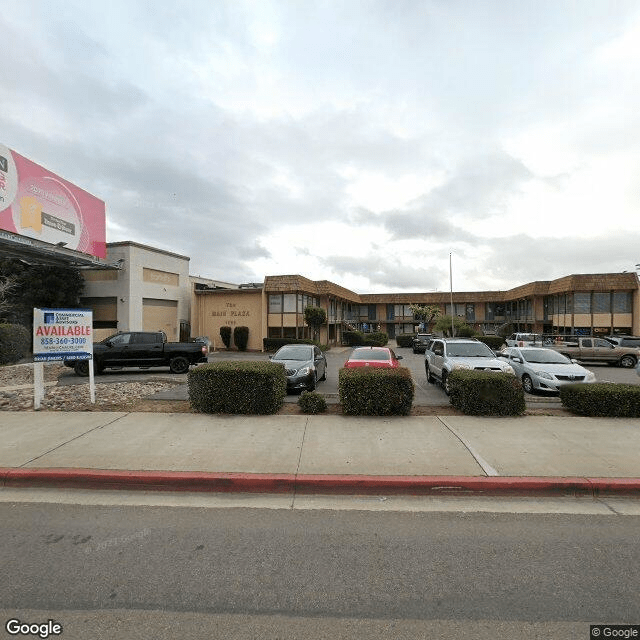
1283 E. Main Street Suite 201, El Cajon, CA 92021
To contact a resident: (858) 240-9620
For more information about senior living options: (866) 208-4318
Overall Review of Absalom Home Health Agency
Pros
 Eunice and Jeanne provided great home care.
- They changed dressings and adjusted their schedule to better suit the client’s needs.
- The nurse is now more responsive and delivers supplies in a timely manner.
- The nurse is nice.
Cons
 The agency is described as the worst home health agency in San Diego and is not recommended.
- They failed to respond promptly to urgent calls, sometimes taking hours to return messages.
- They did not consistently change dressings or manage the PICC line, leading to ER visits.
- They supplied insufficient or defective items (and possibly expired supplies) and did not call back.
- They were unprofessional and showed a lack of compassion toward patients.
- They canceled staff visits due to personal problems, causing care interruptions.
Review
Absalom Home Health Agency in El Cajon is best suited for families that can partner closely with a nurse-led care team and prioritize personalized wound care when a flexible schedule matters. The strongest upside appears when a dedicated nurse, like Eunice or Jeanne in one account, delivers dressings and adjusts timing to fit a patient’s needs. This pattern shows real, hands-on nursing competence and the ability to tailor care around someone’s medical routine. For households that can actively coordinate with the agency, and that value the capacity to rearrange visits to accommodate changing conditions, Absalom can be a workable option.
However, serious caveats emerge from the broader experience. Several reviews describe a pattern of delayed communication, inconsistent on-call responsiveness, and missed opportunities to address urgent concerns. When a patient depends on timely intervention, such as managing a PICC line, changing dressings, or ensuring continuity of care, the cited lapses become meaningful safety risks. The most alarming anecdotes involve multi-day delays, repeated ER visits, and the perception that calls and follow-ups are not treated with appropriate urgency. These gaps cast a long shadow over what otherwise could be excellent clinical care.
Another critical weakness centers on supply management and administrative responsiveness. In one account, essential supplies for a pleurex catheter were not delivered in a timely fashion, and a nurse openly acknowledged being tied to a “bad company” arrangement. The impression of rude staff, expired or unusable supplies, and a failing logistics chain is hard to ignore. Even when some improvements occur, such as later staff becoming more communicative and timely, the reliability problem remains a core concern. For families relying on a steady stream of equipment and dressings, this inconsistency is not a minor annoyance but a potential danger.
The pros, when they materialize, do not fully offset the cons for patients with higher acuity or more complex home-care needs. The ability to adjust schedules and have competent wound care is valuable, but it cannot compensate for recurrent communication lapses or supply delays that threaten safety. The positives suggest a campus of capable clinicians who can deliver excellent care on the right days with the right assignments. Yet the negative experiences indicate a system-level instability that can compromise outcomes, especially for those who require continuous monitoring or rapid escalation.
Practical guidance for families considering Absalom is clear. If selecting this agency, secure a highly specific care plan that designates a primary nurse and a dependable back-up, with explicit expectations for response times and escalation procedures. Require written commitments on supply delivery timelines, and insist on proactive communication updates whenever an issue arises. Audit the agency’s performance by requesting current, verifiable references from families with similar medical needs. Consider a contingency plan, whether backup home-health options or a hospital/community partner, should a supply delay or a response lag occur.
In the end, Absalom works best for households that can harness the strengths of a skilled nurse and manage logistics with discipline. For families seeking unwavering reliability, immediate responsiveness, and consistently timely supply fulfillment, alternatives are worth stronger consideration. The agency’s potential is evident, but the execution must be dependable, and that is where the decision hinges.
 San Diego International-Lindbergh (18 miles away)







 Understanding the Nuances of Palliative Care and Hospice: A Comprehensive Exploration
 Is In-Home Healthcare Tax Deductible? Your Comprehensive Guide
 Nurturing Well-Being Through Gardening: A Detailed Guide for Senior Enthusiasts