
12436 Royal Road, El Cajon, CA 92021
For more information about senior living options: (866) 208-4318
Overall Review of The Royal Home
Cons
 The facility is very bad.
- The staff are indistinguishable from the patients.
- It feels like a prison.
- Everyone is serving a life sentence.
- They can check out anytime they want, but they will never leave.
Review
The Royal Home in El Cajon is best suited for seniors who want a clearly structured, closely supervised living environment with reliable day-to-day caregiving and regular social engagement. The community suits families in the East San Diego region seeking transparent oversight and predictable routines, where staff involvement is visible and residents have convenient access to assistance. For residents who value companionship, safety, and a contained, campus-like feel, this setting can deliver steady care without the burdens of managing a home independently. The location in El Cajon places it within reach for nearby caregivers, making visits feasible and frequent. This is not a luxury retreat; it is a practical, workhorse option for ongoing support.
The overall picture is solidly positive, anchored by a pattern of favorable ratings. The community earns a strong score from four reviews, with the majority awarding five stars and a single review at the low end. That spread signals that many families feel The Royal Home meets core expectations around care, reliability, and daily life routines. What stands out in the favorable reports is a sense of structure and a steady, accessible level of assistance that helps residents stay engaged without feeling neglected. In practical terms, the consensus is that the community provides dependable support and a clear, communal rhythm that eases transitions from independent living to needing more help.
Yet a single, sharply negative voice introduces a compelling caution. The one-star review frames the atmosphere as prison-like, describing staff as indistinguishable from residents and portraying daily life as overly controlled. The vivid language, residents “doing life” with check-out options that feel illusory, highlights a perceived loss of autonomy and a culture where boundaries blur in unappealing ways. While this critique is not the majority view, it is a meaningful red flag for families who place a premium on independence, personal space, and a warm, homelike vibe. The stark contrast between this perspective and the broader praise cannot be ignored when weighing long-term fit.
When the pros are weighed against the cons, the picture becomes practical and actionable. The dependable routine, elevated sense of safety, and access to assistance when needed are strong counterweights to the risk of an overly rigid atmosphere. For families prioritizing predictability and consistent caregiving, these factors translate into tangible value: fewer gaps in care, more reliable medication management, and reduced anxiety about a loved one’s day-to-day wellbeing. The effectiveness of these benefits, however, hinges on the culture in practice. Prospective residents should test-drive the atmosphere during tours, observe how staff interact with residents, and inquire about the degree of personal choice preserved within daily schedules.
Alternatives warrant consideration for those who prize autonomy, privacy, or a more relaxed, less institutional vibe. If independence and a homey, low-pressure environment are non-negotiable, other local options may better align with these preferences. Families should compare staff-to-resident ratios, the extent to which residents can influence daily routines, and the responsiveness of care without feeling surveilled. A candid discussion about how resident and family feedback shapes policies can reveal the true day-to-day climate. The Royal Home makes practical sense for those prioritizing safety, steady caregiving, and a clearly defined social community; for others, the search should continue until a setting emerges with a lighter touch and a more intimate, less regimented atmosphere.
Bottom line: The Royal Home serves as a prudent, well-staffed option for families seeking structure, safety, and dependable caregiving. The favorable ratings carry weight, suggesting many residents thrive within its framework. The notable caveat is a perception, voiced in at least one review, of an atmosphere that can feel confining and overly controlling. Decision-makers should visit with a critical eye, listening for how residents influence daily life, how genuine the staff-resident relationships feel, and whether the culture matches the loved one’s personality. If personal autonomy and a warmer, less regimented environment are non-negotiable, this signal point favors exploring alternatives rather than committing to this option.
 19 resident community capacity
 Skilled Nursing Facility
 Cable or satellite TV
 Dining room
 Fully furnished
 Garden
 Housekeeping services
 Move-in coordination
 Outdoor space
 Telephone
 Wi-Fi/high-speed internet available
 San Diego International-Lindbergh (17 miles away)
 24-hour supervision
 Activities of daily living assistance
 Assistance with bathing
 Assistance with dressing
 Assistance with transfers
 Diabetes diet
 Meal preparation and service
 Medication management
 Special dietary restrictions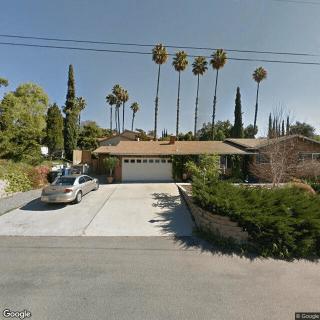
 Private, fully furnished rooms with 24/7 supervision, ADL support, and daily activities.




 Nurturing Our Loved Ones: A Daughter's Journey in Caring for Her Mother
 Nurturing Our Elders: Linda's Journey of Supporting Her Mother
 A Comprehensive Exploration of Common Misunderstandings about Powers of Attorney