
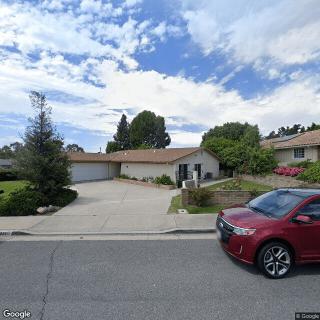
24332 Twig Street, Lake Forest, CA 92630
For more information about senior living options: (866) 208-4318
Overall Review of Meison La Paz Elderly Care Home
Pros
 The staff was great, quite attentive.
Cons
 There are no activities for clients other than TV.
- The director is curt, sometimes rude, and unreasonable to work with.
- Language barriers with Spanish-speaking staff made it difficult for the resident.
- The reviewer would look for a different location for their loved one.
Review
Meison La Paz Elderly Care Home in Lake Forest is best suited for families that prize steady, attentive caregiver presence and are comfortable navigating a predominantly Spanish-speaking staff. The available feedback highlights caregivers who are consistently attentive and quick to respond to daily needs, translating into reliable supervision for residents who require hands-on support. The downside is clear: the environment offers little beyond television for meaningful activities, and communication can be strained for residents who do not speak Spanish or who rely on family mediation. For these conditions, Meison La Paz can deliver dependable daily care, but it delivers limited social engagement and a challenging cultural-linguistic fit.
Those who should actively consider alternatives are families seeking robust social programming and a management team easy to collaborate with. The reviews describe a director who can be curt and difficult to work with, which compounds the challenge of coordinating care when needs shift or new arrangements are required. For a resident who benefits from clear, respectful leadership and proactive problem-solving, this facility may fall short. In addition, residents who rely on activity-based stimulation or who thrive on a varied routine will feel the most pronounced gap. In such cases, exploring other communities with stronger programming and more consistently cooperative leadership is prudent.
On the positive side, the strongest visible pro is the level of attentiveness from staff, which reduces neglect risk and helps address basic needs promptly. Attentive caregivers provide comfort and monitoring that is invaluable for a resident requiring close supervision. However, these benefits are offset by two principal drawbacks: language and engagement. The staff’s Spanish-speaking orientation creates a barrier for residents who do not share that language, limiting the ability to convey preferences, medical changes, or subtle concerns without intermediaries. The absence of meaningful activities means cognitive and social stimulation is lacking, and over time that can erode quality of life and independence.
The management dynamic matters greatly in daily experience. A director described as curt or rude introduces uncertainty and can undermine trust between families and the facility. When leadership appears unsupportive or frustrated, coordination with family members becomes more labor-intensive, and requests for changes may be met with reluctance or resistance. This style can slow response to individualized care plans, hinder customization of routines, and create the impression that resident voices are not heard. For families balancing safety, dignity, and evolving medical needs, this management reality can tilt the decision away from staying here despite solid caregiver engagement.
Before choosing, families should verify several practical points. Clarify the language mix and whether bilingual coordination is available to reduce miscommunication; inquire about daily activity options, social programs, outings, or in-house enrichment beyond television; confirm caregiver-to-resident ratios, shift coverage, and whether there is 24/7 supervision; review how emergencies and medication changes are communicated; request a walk-through of meal plans, safety features, and environmental enrichment; and discuss the process for addressing concerns with leadership, including escalation paths if the director’s responsiveness falters. Given the limited activity slate and leadership concerns in the available feedback, verifying these elements is essential to avoid a mismatch with a resident’s expectations.
Overall, Meison La Paz is a practical choice only for families that place the highest premium on straightforward, attentive care and are comfortable managing language barriers and a minimal activity calendar. For residents who require stronger social engagement, a richer activity calendar, or leadership that routinely prioritizes collaboration with families, alternatives should be pursued. The Lake Forest/Mission Viejo area offers options with more robust programming and warmer administrative support, and those seeking long-term satisfaction will likely find better alignment there. The decision should hinge on linguistic fit, tolerance for a quiet activity landscape, and the importance placed on collaborative, respectful leadership.
 6 resident community capacity
 Assisted Living
 Board and Care Home
 Cable or satellite TV
 Dining room
 Fully furnished
 Garden
 Housekeeping services
 Move-in coordination
 Outdoor space
 Telephone
 Wi-Fi/high-speed internet available
 John Wayne Orange Co (11 miles away)
 24-hour supervision
 Activities of daily living assistance
 Assistance with bathing
 Assistance with dressing
 Assistance with transfers
 Diabetes diet
 Meal preparation and service
 Medication management
 Special dietary restrictions
 Transportation arrangement (medical)
 Transportation to doctors appointments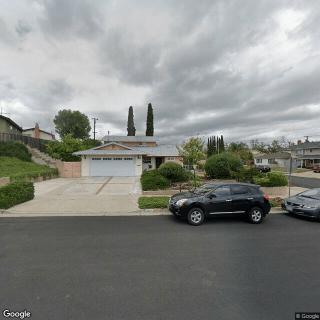


 An Extensive Exploration of the VA Aid and Attendance Benefit
 Senior Transition Services: Understanding Their Role, Cost, and Importance
 Exploring the Path to Senior Living: A Comprehensive Look at Independent Living and Assisted Living