
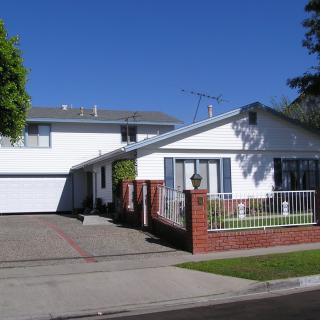
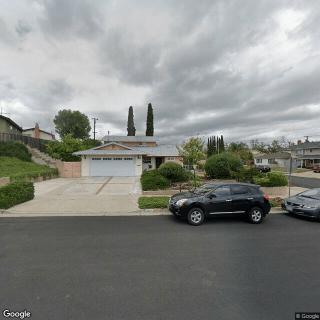
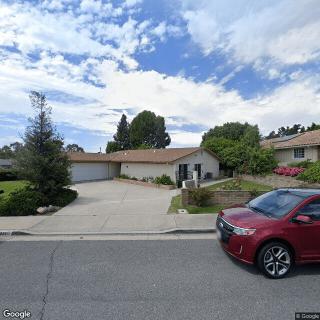
24322 Bark Street, Lake Forest, CA 92630
For more information about senior living options: (866) 208-4318
Overall Review of We Care Senior Living
Pros
 The owner gave them a tour of Leisure Lodge III, reflecting friendly engagement.
- Leisure Lodge III offers four bedrooms with both private and shared options.
- There is a backyard, providing outdoor space for residents.
- The living room and dining room create common areas for residents.
Cons
 The doorways were too narrow to accommodate a wheelchair.
- The property was not in as good condition as expected.
- The residents were simply sitting there watching television, implying a lack of activity.
Review
Best suited for families pursuing a small, intimate, hands-on senior living option in Lake Forest, this community reads as a home-like setting where an owner personally conducts tours and appears involved in daily life. It fits residents who value personal attention and a quieter, less institutional atmosphere over sprawling campuses. The footprint suggested by the layout, a modest four-bedroom arrangement with limited common spaces, appears to suit couples or individuals who want to maintain privacy in a shared home-like environment. This is not a high-traffic program with constant activities, but rather a place where oversight and a calm, domestic rhythm can be a real asset for the right resident.
However, serious mobility needs or a requirement for barrier-free access will prompt families to look elsewhere. The tight doorways observed raise red flags for wheelchair navigation, door frames that impede passage, and potential safety challenges in emergencies. Alternatives with wider doors, zero-step entries, ADA-compliant bathrooms, and more open, navigable floorplans are worth comparing. Also consider whether a facility can offer meaningful social programming and residents' engagement beyond passive TV-watching, which may leave some families seeking a more active daily routine.
On the upside, the hands-on, owner-led element is a distinct pro. Direct access to a manager during tours often translates into quicker problem-solving, a clear point of accountability, and a sense that care decisions aren’t slipping into an anonymous corporate layer. The layout provides a tangible sense of hominess, the living room and dining room fulfill basic communal needs without sprawling corridors. The presence of a backyard adds value for fresh air, outdoor visits, and a modicum of privacy within a small group.
Yet the cons are concrete and weighty. In a setting where the doorway width limits mobility, daily life can hinge on a resident’s ability to adapt or a family’s willingness to fund renovations. The condition observation, not quite up to expectations, combined with a limited common area, reduces opportunities for meaningful interaction and activity, which many families look for as a barrier-free, stimulating daily rhythm. The shared-bedroom arrangement further complicates privacy, making it harder to tailor care around individual routines. Taken together, these factors push many families toward options with more generous space, more staff coverage, and more structured programming.
Families evaluating this option should insist on a practical assessment before deciding. Request specifics on door widths, hallway clearance, bathroom accessibility, and the availability of ramps or lifts. Ask about staffing levels, hours, and the process for escalating care needs. Probe the daily schedule to understand how residents spend time: what activities exist, who leads them, and how passive time is structured. Seek references from current residents or families and arrange a trial visit at different times of day to gauge activity levels, safety, and mood. These steps turn a vague sense of homeliness into a concrete judgment.
In the end, this community serves a narrow slice of seniors: those who prize a small, owner-operated environment and can tolerate limited mobility and activity options. For mobility-restricted residents or families prioritizing robust programming and barrier-free design, alternatives in Lake Forest or nearby towns are likely better fits. The right choice will align space, safety, and social engagement with the resident’s independence level and care needs, and while the personal touch is appealing, it cannot compensate for fundamental accessibility and programming gaps that shift the decision toward more purpose-built, professionally staffed options.
 6 resident community capacity
 Assisted Living
 Cable or satellite TV
 Dining room
 Fully furnished
 Garden
 Housekeeping services
 Move-in coordination
 Outdoor space
 Telephone
 Wi-Fi/high-speed internet available
 John Wayne Orange Co (11 miles away)
 24-hour supervision
 Activities of daily living assistance
 Assistance with bathing
 Assistance with dressing
 Assistance with transfers
 Diabetes diet
 Meal preparation and service
 Medication management
 Special dietary restrictions
 Transportation arrangement (medical)
 Transportation to doctors appointments
 A Detailed Exploration of Assisted Living Medicaid Waivers Across the United States
 Comprehensive Residential Support and Assisted Living Solutions for Individuals with Disabilities
 Comprehensive Supportive Living Arrangements for Adults with Disabilities