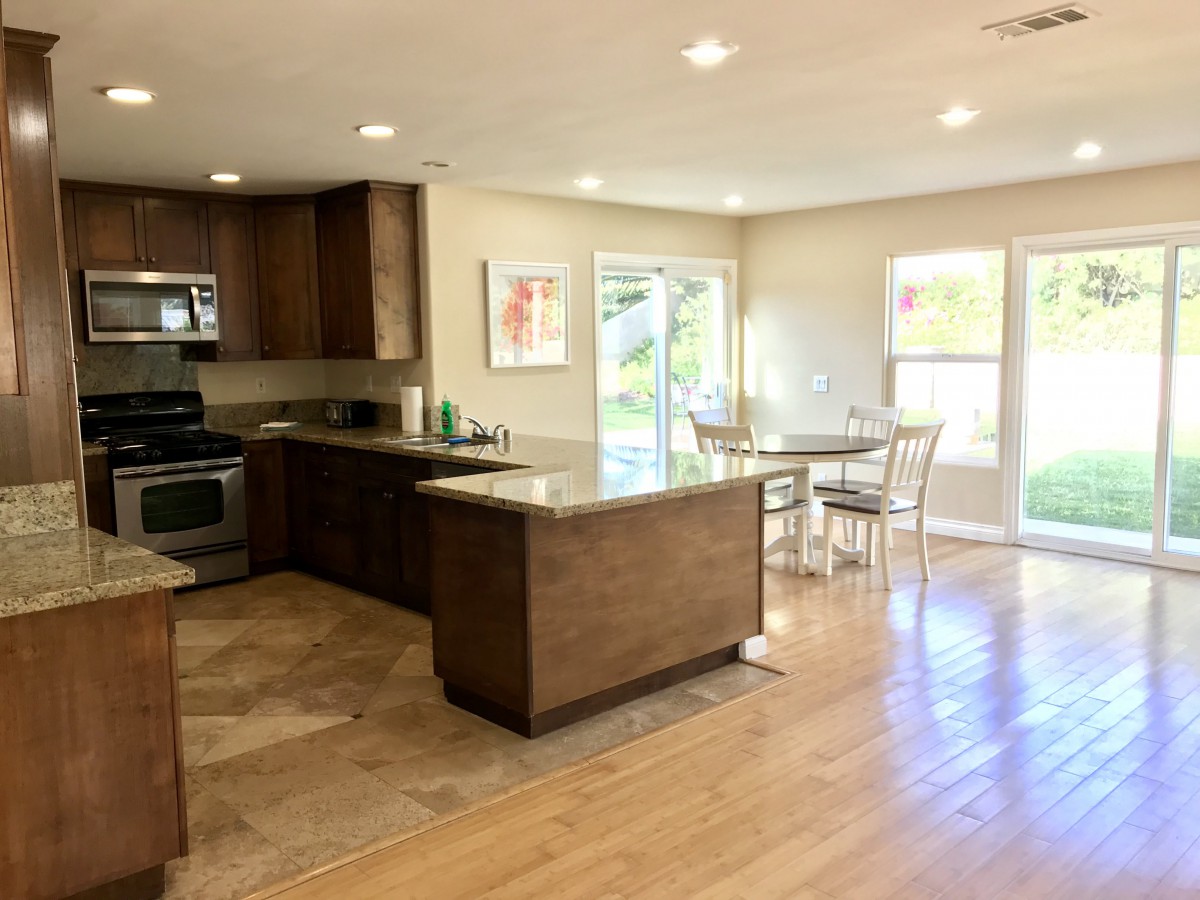
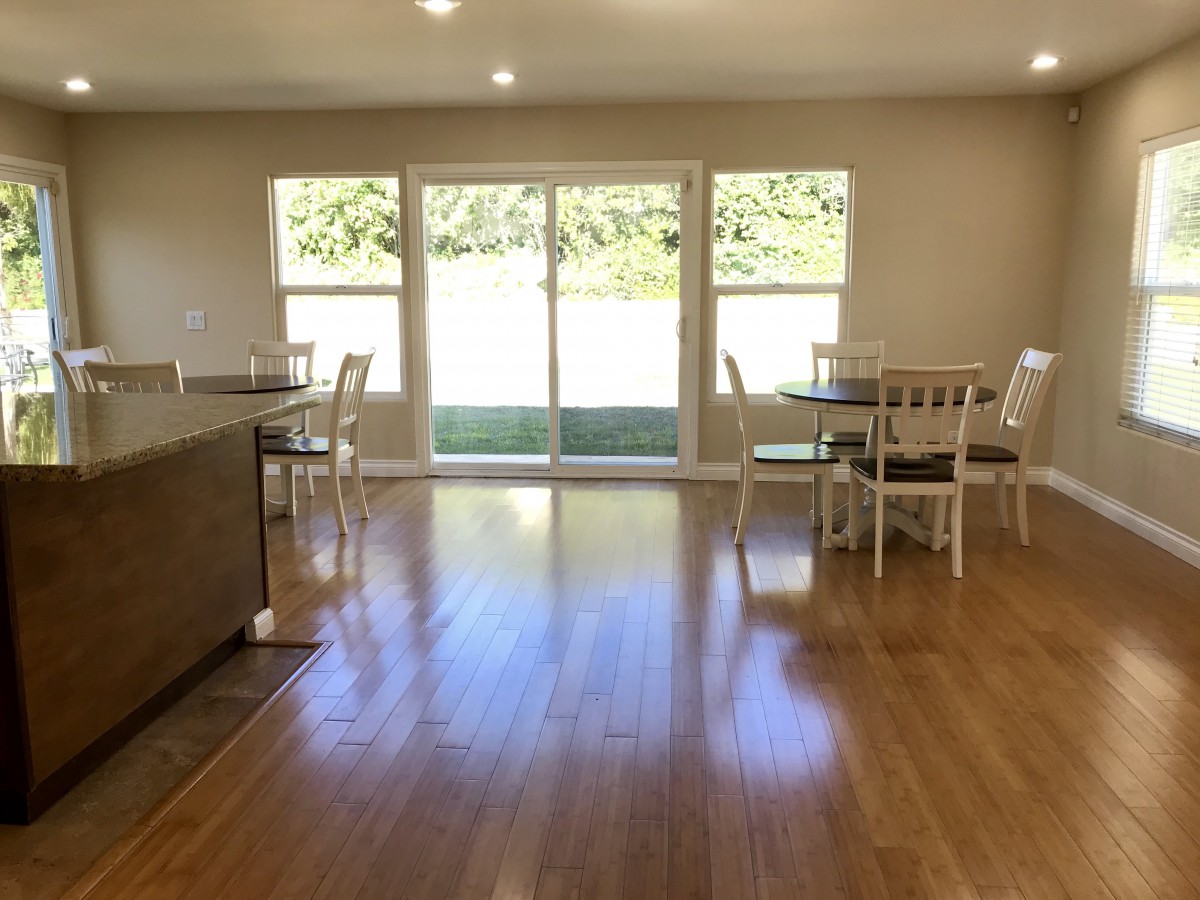
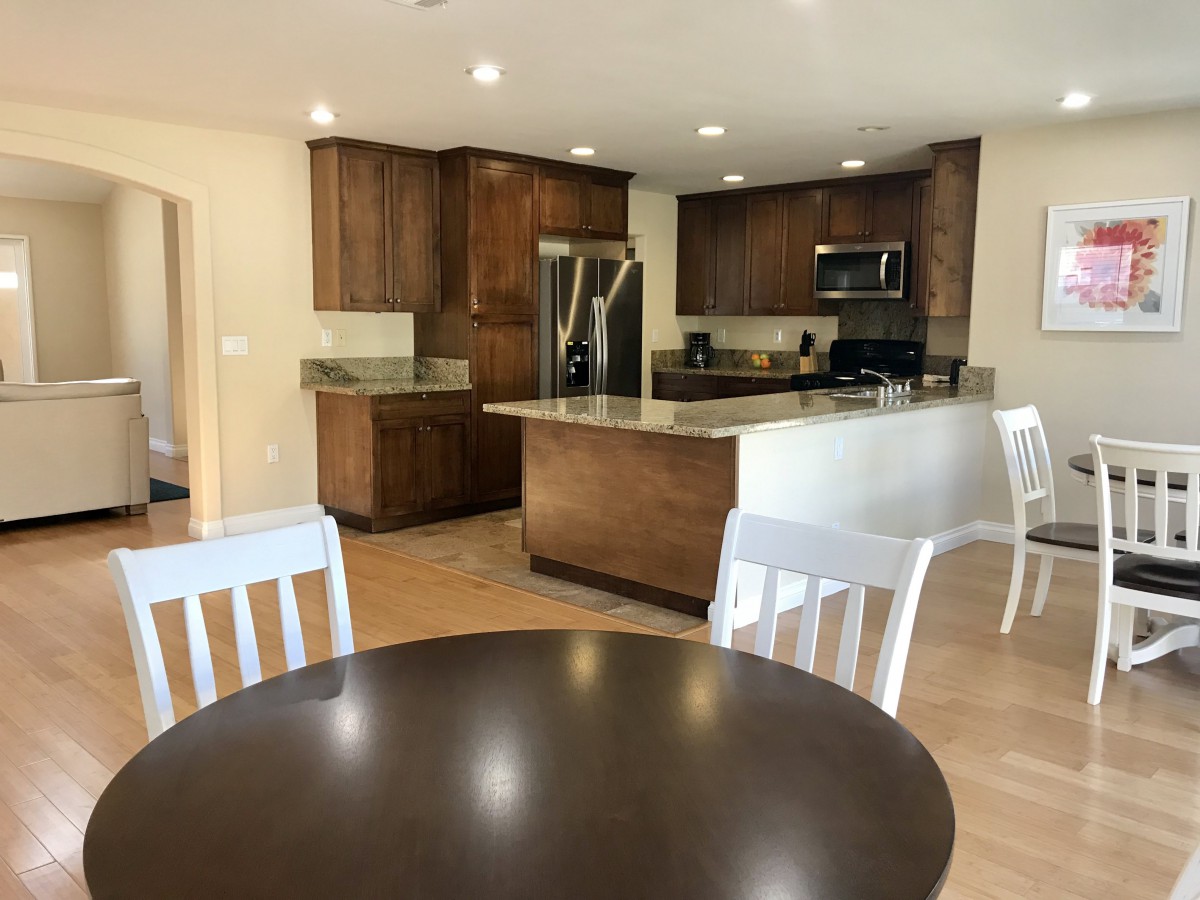
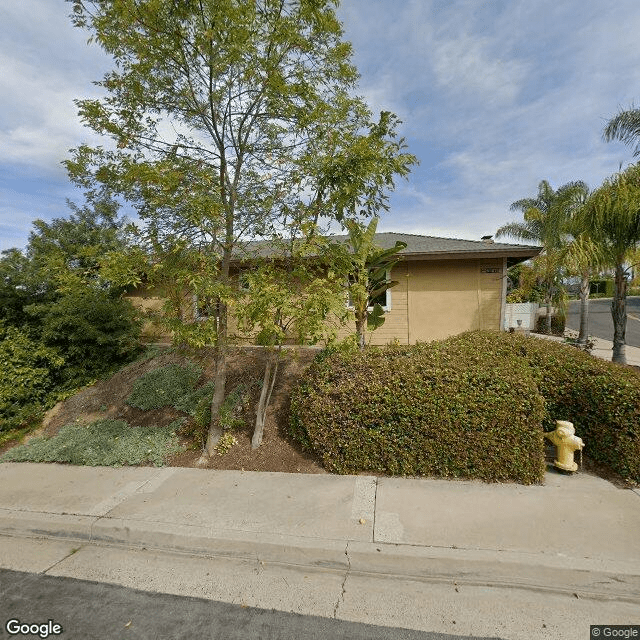
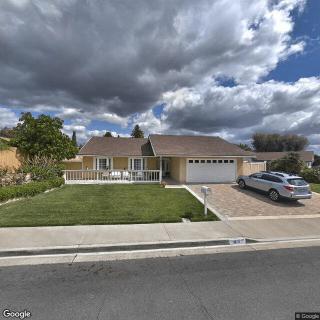
25131 Via Portola, Laguna Niguel, CA 92677
To contact a resident: (949) 584-0920
For more information about senior living options: (866) 208-4318
Vividus Senior Living Costs & Pricing
Vividus Senior Living offers competitive rates for its residents, particularly when compared to the broader market in both Orange County and California. For a semi-private room, Vividus charges $4,000 per month, which is higher than the county average of $3,431 and the state average of $3,333. Meanwhile, their private rooms are priced at $6,000 monthly - a figure that surpasses both Orange County's average of $4,104 and California's statewide average of $3,939. While Vividus may present a higher cost compared to regional benchmarks, this pricing reflects the quality of care and range of services provided, making it an appealing option for those seeking exceptional senior living experiences in a supportive community setting.
| Floor plans | Vividus Senior Living | Orange County | California |
|---|---|---|---|
| Semi-Private | $4,000 | $3,431 | $3,333 |
| Private | $6,000 | $4,104 | $3,939 |
Senior living communities with a similar price nearby
-
from -$500 / mo
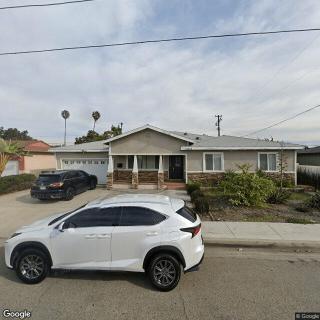
Loving Home Care
$3,500 to $4,500 / month24.1 miles away -
from -$500 / mo
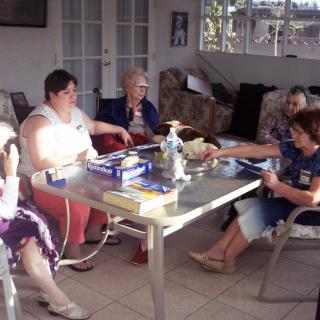
Golden Life Manor
$3,500 to $4,000 / month23.8 miles away -
from +$500 / mo
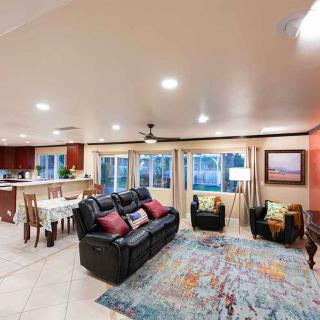
Casa Bella
$4,500 / month22.5 miles away -
About the same
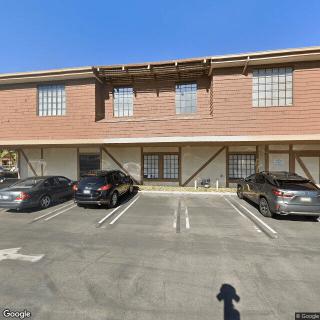
Comfort Keepers of Orange
$4,050 / month19.8 miles away -
About the same
Active Senior Home Care
$4,000 to $5,000 / month6.3 miles away
Overall Review of Vividus Senior Living
Pros
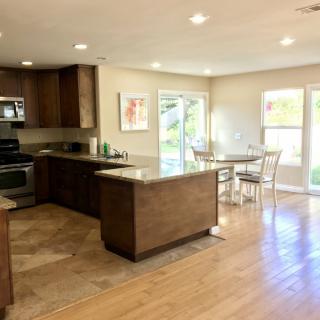
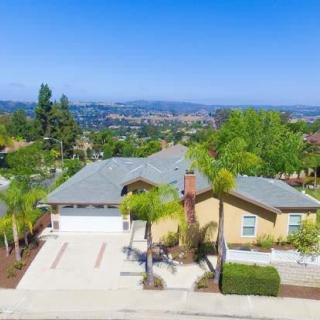
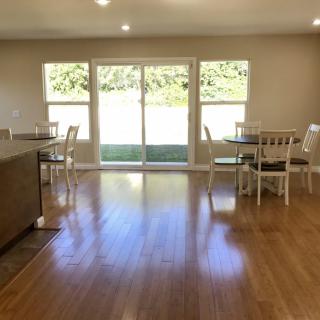
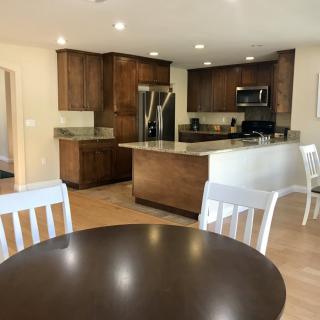
 The facility is wonderful, with a clean, new, and beautiful home.
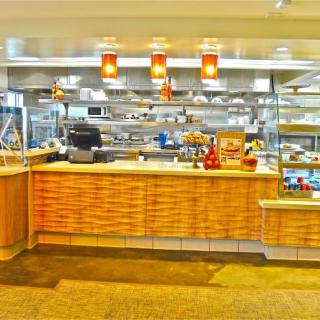
- The meals are prepared fresh daily and are enjoyed by residents.
- The caregivers are kind, caring, attentive, and very patient.
- The management team and owner are helpful, accessible, and provide good guidance.
- The setting is smaller and more personal, allowing for meaningful visits.
- The staff communicate regularly about residents' health and wellbeing.
- Activities are provided to keep residents engaged and occupied.
- Residents look better, eat better, and love their new home.
Cons
 The facility does not offer respite care or skilled nursing services.
- It does not accommodate dementia patients who may wander or have behavioral issues.
- It is not suitable for patients with moderate to advanced stages of dementia.
- Persian meals are not provided.
Review
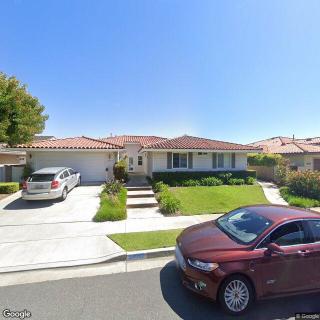
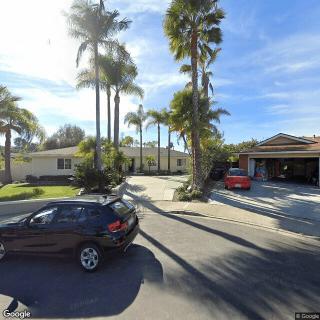
Vividus Senior Living in Laguna Niguel is best suited for families seeking a small, home-like environment where residents receive highly personalized attention, meals are prepared fresh daily, and staff establish genuine relationships. The property presents as clean, new, and aesthetically reassuring, with a clear emphasis on comfort and dignity. Families that want to be able to visit frequently without barriers will find the model appealing, and the team, including the manager and frontline caregivers, has earned praise for attentiveness, patience, and reliable communication about a resident’s wellbeing. This setting works especially well for seniors with early- to mid-stage needs who don’t require ongoing skilled nursing, yet still benefit from daily supports and meaningful engagement.
What makes Vividus work in practice is the combination of a tight-knit, well-trained staff and a focused residential atmosphere. The caregivers are repeatedly described as kind and capable, with a pace and approach that suits dementia or memory-related challenges without turning the community into a clinical environment. Families report a high level of involvement from leadership and stable operations, with clear, continuous updates on health and wellbeing. The food program stands out as a real strength, fresh, thoughtfully prepared meals sourced from accessible suppliers, supporting overall mood and appetite. The small scale also translates into easier, more authentic family visits, whether on the outdoor patio or through frequent updates from those on site, which in turn reduces the stress many families feel during transitions.
These strengths offset many of the potential downsides for residents who fit the profile. The intimate setting, strong daily assistance, and active social calendar help keep residents engaged and comfortable, mitigating the anxiety that sometimes accompanies a move to senior living. Families with a loved one who values consistent staffing, transparent care conversations, and a stable, home-like routine will often find the positives exceed the drawbacks. Importantly, the facility excels at avoiding the impersonal feel that can accompany larger campuses, making it easier for relatives to stay connected and to participate in care planning.
However, several important caveats merit serious consideration. Vividus is not a respite or skilled nursing facility, nor is it positioned as a memory-care campus designed for moderate to advanced dementia with wandering or behavior management challenges. For residents needing 24/7 nursing supervision, post-acute rehabilitation, or robust behavioral support, alternatives with on-site licensed nursing and memory-care programs will be more appropriate. Some reviewers also flag concerns about ownership structure and licensure details, noting questions about CNAs and the availability of culturally specific meals. Prospective families should verify current licensure status and ensure dietary offerings align with any cultural or medical requirements; this is not a facility built around high-level clinical care, and these questions should be resolved before a long-term commitment.
For families actively evaluating options, the key questions are straightforward. Confirm the level of medical oversight available on-site and whether respite or short-term stays are possible, should a caregiver need arise. Inquire about the memory-care capabilities, especially for wandering or more challenging behaviors, and understand how staffing ratios shift during evenings and weekends. Inspect the menu and dining routines for flexibility and dietary accommodations, and ask about cultural preferences and how they are integrated. Finally, discuss the owner-operator model, stability of leadership, and the facility’s policy on visits and family involvement to ensure alignment with ongoing care goals and expectations.
In sum, Vividus Senior Living is a compelling match for families seeking a warm, well-staffed, and affection-forward environment for seniors with manageable levels of daily living support. It delivers strong pros, cleanliness, fresh meals, attentive caregivers, and accessible visitation, that often outweigh the cons for residents without advanced dementia or heavy medical needs. For those whose loved one requires memory-care specialization, wandering management, or skilled nursing support, it remains prudent to explore alternatives designed to meet those higher-acuity requirements. The final judgment should center on the resident’s current and anticipated care trajectory, aligning the intimate, home-like strengths of Vividus with a clear plan for any future escalation in care.
 Board and Care Home
 Dogs allowed
 Activities off-site
 Air-conditioning
 Bath tubs
 Beautician on-site
 Cable or satellite TV
 Devotional services off-site
 Handicap accessible
 Indoor common areas
 Outdoor common areas
 Private
 Private bathrooms
 Respite or short term stays offered
 Wheelchair accessible showers
 Wi-Fi/high-speed internet available
 John Wayne Orange Co (14 miles away)
 Diabetic care
 High acuity care
 Incontinence care
 Medication management
 Anytime dining
 Art classes
 BBQs or picnics
 Forever fit
 Karaoke
 Live dance or theater performances
 Live musical performances
 Stretching classes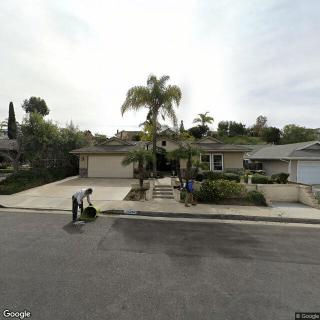


 Seniors and Modern Transportation: Exploring Uber, Lyft, and Other Ride-Hailing Options
 Comprehensive Guide to Qualifying for Home Health Care Services
 Powerful Realities of Elder Abuse and the Most Effective Ways to Report It