
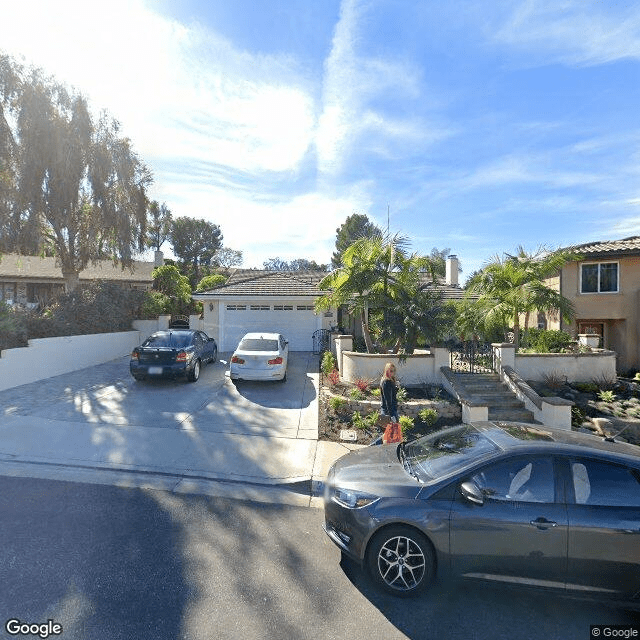
25126 La Estrada, Laguna Niguel, CA 92677
To contact a resident: (949) 933-1848
For more information about senior living options: (866) 208-4318
Six Seasons Costs & Pricing
At Six Seasons, the monthly costs for accommodations are competitively structured when compared to both Orange County and the broader California market. For semi-private rooms, residents can expect a cost of $3,000 per month, which is notably lower than the $3,431 average in Orange County and aligns closely with the state average of $3,333. Those opting for private rooms will find that Six Seasons charges $3,500 per month - again offering significant savings compared to Orange County's average of $4,104 and slightly above California's average of $3,939. This pricing strategy reflects Six Seasons' commitment to providing high-quality care while ensuring affordability within a competitive market landscape.
| Floor plans | Six Seasons | Orange County | California |
|---|---|---|---|
| Semi-Private | $3,000 | $3,431 | $3,333 |
| Private | $3,500 | $4,104 | $3,939 |
Senior living communities with a similar price nearby
-
from -$375 / mo

Berryman Health Inc
$2,625 to $3,050 / month22.6 miles away -
from +$500 / mo
Loving Home Care
$3,500 to $4,500 / month24.0 miles away -
from -$200 / mo
Candlewood Care Home III
$2,800 to $3,400 / month15.8 miles away -
from -$200 / mo
Leah Loving Elderly Care
$2,800 to $3,000 / month19.1 miles away -
from -$300 / mo
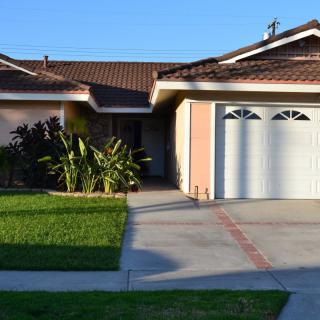
Loving Care Senior Home
$2,700 to $3,500 / month19.3 miles away
Overall Review of Six Seasons
Pros
 Six Seasons is a wonderful place.
- The staff were very responsive to her needs.
- The staff made her feel very welcome.
- The staff made the family feel comfortable with her well-being.
- The staff took her to her doctor appointments.
- The staff administered all of her medications.
- Six Seasons recommended a wonderful hospice service and saw her through to the end.
- Six Seasons always welcomed the whole family to visit at any time.
- The family was grateful to be with her at the time of her passing.
- Six Seasons treated them with the utmost hospitality.
Cons
 It was not a good match.
- It was not a good fit for them.
Review
Six Seasons in Laguna Niguel is best suited for families seeking a care environment with a strong emphasis on rehabilitation, medical coordination, and end-of-life support, where staff responsiveness and family inclusion are non-negotiable priorities. The standout feature here is a dedicated focus on physical therapy and recovery, paired with hands-on medication management and proactive coordination of physician visits. For residents emerging from surgery, a fall, or a period of decline that requires structured rehab, this community delivers the continuity and attentiveness that reduce caregiver stress and reassure families about daily care.
Those who may want to consider alternatives are precisely the families for whom social programming, consistent independence-focused living, or a more vibrant resident life take precedence over clinical recovery tracks. Two reviewers framed their experiences as not being a good match, signaling that Six Seasons may feel more medicalized or slower-paced than some seniors and families expect. In short, if a bustling social calendar, varied programming, or a living arrangement crafted around independent activity are top priorities, other nearby options may serve those goals more fully.
The primary positives, responsive staff, hands-on rehab, and seamless care transitions, offset several real caveats. The rehab orientation means residents receive consistent therapy and skilled oversight that often translates into tangible gains or steadier mobility, a relief to families prioritizing functional improvement. Medication management is described as reliable, and the facility’s willingness to accompany residents to medical appointments further reduces the burden on families. Hospice involvement, when needed, appears integrated and compassionate, providing continuity of care through difficult stages and allowing family presence to remain flexible and unstrained.
Equally important is the facility’s hospitality and openness to family involvement. Reviews highlight a culture of welcome, with a willingness to accommodate visits at any time, which can be a decisive factor for those navigating caregiving across long distances. This level of access not only supports emotional well-being but also strengthens trust between families and the care team, a factor that often correlates with fewer misunderstandings and smoother transitions during periods of health fluctuation.
However, the main drawbacks are not hidden. The same strengths that make Six Seasons a solid option for rehab and palliative pathways can feel misaligned for residents seeking social dynamism or independence-first living. The repeated sentiment that “not a good match” underscores a fit issue rather than a quality issue; it signals variability in resident preference and care needs. Prospective families should explicitly probe the social environment, daily activity cadence, and the degree of autonomy offered within assisted living to determine whether the setting supports a desired lifestyle and pace.
For decision-making purposes, Six Seasons should be weighed as a care-centric choice with high reliability for rehabilitation, medication oversight, and family-inclusive care planning. It is less clearly aligned with those prioritizing a bustling community life, abundant independent options, or a setting that emphasizes social enrichment over clinical recovery. Families with residents who require consistent therapy, structured daily routines, and ready access to medical coordination will find Six Seasons a favorable match. Those who prize a livelier resident culture or more autonomous living arrangements may wish to compare other Laguna Niguel options to ensure the chosen path aligns with long-term preferences and goals.
 Board and Care Home
 Cats allowed
 Dogs allowed
 Activities off-site
 Beautician on-site
 Devotional services off-site
 Indoor common areas
 Outdoor common areas
 Private
 Private bathrooms
 Respite or short term stays offered
 Swimming pool / hot tub
 Wheelchair accessible showers
 John Wayne Orange Co (14 miles away)
 Diabetic care
 High acuity care
 Incontinence care
 Medication management
 Kosher





 Comprehensive Guide to Medicare Coverage for Hospice Care
 Caring for Those Who Care: Recognizing, Understanding, and Overcoming Caregiver Burnout
 Caregiver Exhaustion: Recognizing the Signs and Restoring Your Well-Being