
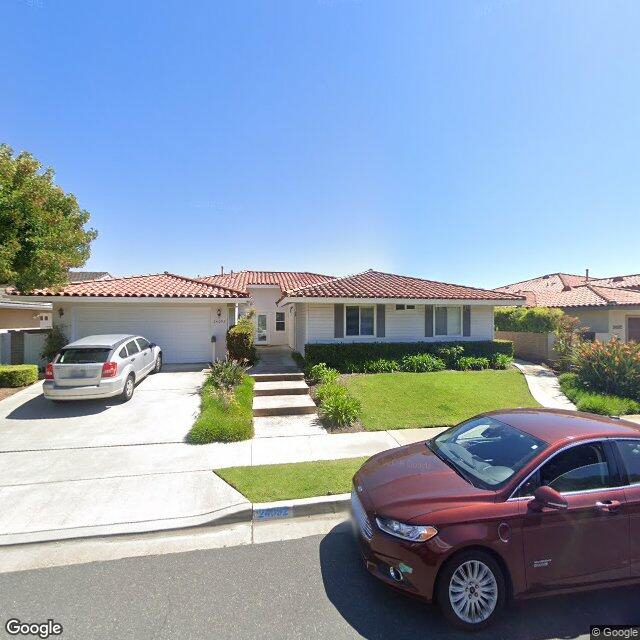
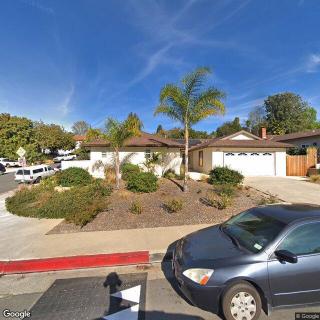
29391 Valerio Court, Laguna Niguel, CA 92677
For more information about senior living options: (866) 208-4318
Overall Review of Quality Life Homes
Pros
 The residents and staff create a homey environment with many ways to connect.
- The staff are amazing, helpful, and genuinely care about residents.
- Activities like Bingo, holiday celebrations, and brunches provide plenty of engagement.
- The staff deliver kind, individualized care and show sincere concern for residents.
- Residents feel safe, well cared for, and enjoy delicious, well-balanced meals.
- Families receive regular updates and easy communication through an activity-tracking app.
- Aegis Living Laguna Niguel is described as top-quality, with outstanding staff and facilities.
- The community feels like a stable, safe, and loving family atmosphere.
- Transitions to memory care or assisted living are well coordinated by management and staff.
- The facility hosts engaging events and music programs that keep residents happy.
Cons
 The meals ended too early for him.
- Clarence, the caregiver, was criticized for entering rooms without knocking and for a bossy attitude that seemed to imply she was in charge.
Review
This Laguna Niguel community is best suited for families seeking a warm, home-like setting where care feels personal and continuous. Residents benefit from staff who know them by name, create sincere relationships, and orchestrate a steady calendar of social activities, from bingo and holiday brunches to music nights, that keep seniors engaged without feeling institutional. For families, the strongest signal is trust: regular updates, easily accessible care teams, and an environment that feels more like a neighborhood than a clinical facility. It is especially well-matched for older adults who value daily peer connection and a care plan that adapts as needs evolve, including smooth transitions into memory care if the situation changes.
Those who may want to consider alternatives are families prioritizing a larger campus with a busier social calendar, broader dining options, or more flexible meal times. A few reviews note that meals can end earlier than some residents would prefer, highlighting the importance of verifying dining schedules and flexibility before committing. Additionally, a single caregiver behavioral concern serves as a cautionary reminder that oversight and ongoing staff training remain essential even in high-performing communities. For families who want a more clinical, hospital-like setting with extensive medical specialization, this may not be the first choice.
On balance, the strongest advantages, deep staff engagement, individualized care plans, and a genuinely welcoming atmosphere, greatly offset the potential drawbacks. Families repeatedly cite safe, clean facilities, competent and compassionate caregivers, and a culture of genuine concern for residentsā€™ well-being. The communication loop stands out: families receive regular updates and benefit from a transparent process that keeps them connected to daily life. The seamless transition from assisted living to memory care, supported by seasoned teams, further reinforces the sense that this is a place where ongoing needs are anticipated rather than reactive.
The program of activities is more than a roster; it is a defining strength. Residents are integrated into a lively, varied calendar that includes live music, birthday celebrations, festive holiday gatherings, and community events that foster real friendships. The environment supports social, cognitive, and emotional well-being in equal measure, with staff who routinely go the extra mile. Independent-minded families will appreciate the opportunity to engage with caregivers on a personal level, while volunteers bring additional depth to programming, evidenced by piano lessons, community performances, and other enrichment efforts that keep daily life vibrant.
While the overall picture is overwhelmingly positive, attention to a few outliers is prudent. A caregiver behavior concern underscores the need for clear role boundaries and respectful protocols within the care team. Another potential trade-off is the intimate size of the campus: for some families, a smaller community may feel limiting compared with larger campuses that promise broader social reaches and more dining variability. Yet the intimate setting is precisely what sustains the strong, family-like atmosphere that many families say is irreplaceable and uniquely reassuring.
Ultimately, decision-makers should approach with a practical checklist. Confirm who will serve as the primary care manager and how communication will occur, and request time to observe daily life, mealtimes, activities, and resident interactions, to see whether the pace and tone align with expectations. If memory care needs are likely, probe the specifics of the transition process, staff training, and availability of specialized services. For families prioritizing warmth, personalization, and a proven track record of meaningful engagement, this Laguna Niguel option stands out as a robust, trustworthy choice. If scale, dining flexibility, or a more clinical environment are non-negotiables, it is wise to compare alternative communities that emphasize those strengths.
 6 resident community capacity
 Assisted Living
 Board and Care Home
 Independent Living
 Cable or satellite TV
 Dining room
 Fully furnished
 Garden
 Housekeeping services
 Move-in coordination
 Outdoor space
 Telephone
 Wi-Fi/high-speed internet available
 John Wayne Orange Co (14 miles away)
 24-hour supervision
 Activities of daily living assistance
 Assistance with bathing
 Assistance with dressing
 Assistance with transfers
 Diabetes diet
 Meal preparation and service
 Medication management
 Special dietary restrictions
 Transportation arrangement (medical)
 Transportation to doctors appointments




 Comprehensive Supportive Living Arrangements for Adults with Disabilities
 Funding and Affording Assisted Living: A Thorough Overview
 Assisted Living Expenses and Long-Term Care Insurance: A Comprehensive Exploration