
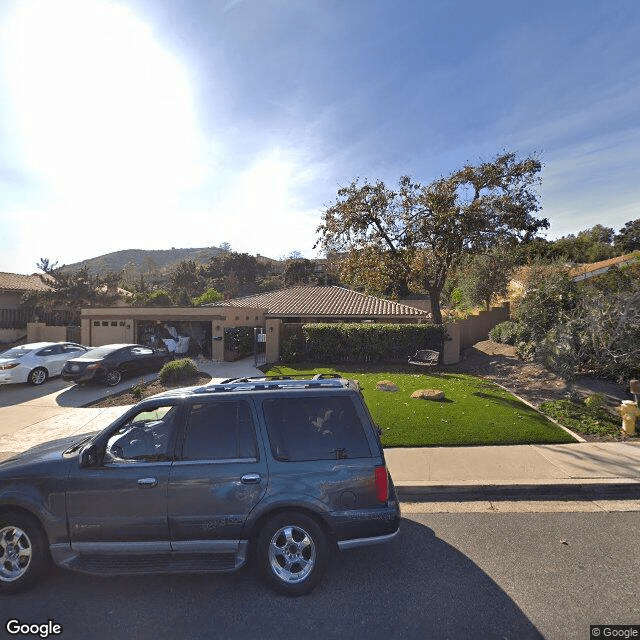
30741 Paseo Del Niguel, Laguna Niguel, CA 92677
For more information about senior living options: (866) 208-4318
Sunset Homes - Paseo Del Niguel Site Costs & Pricing
At Sunset Homes - Paseo Del Niguel Site, the monthly costs for various room types offer a competitive value when compared to both Orange County and broader California averages. For semi-private accommodations, residents can expect to pay $2,500, significantly lower than the county average of $3,431 and the state average of $3,333. Private rooms are priced at $3,300, again showcasing an advantage over the local and state rates of $4,104 and $3,939 respectively. Additionally, one-bedroom units are available for the same rate of $3,300, whereas the averages in Orange County and California stand higher at $4,380 and $4,340 respectively. These pricing structures indicate that Sunset Homes provides a more accessible option for those seeking quality senior living in a desirable location without compromising on comfort or care.
| Floor plans | Sunset Homes - Paseo Del Niguel Site | Orange County | California |
|---|---|---|---|
| Semi-Private | $2,500 | $3,431 | $3,333 |
| Private | $3,300 | $4,104 | $3,939 |
| 1 Bedroom | $3,300 | $4,380 | $4,340 |
Memory care communities with a similar price nearby
-
from +$300 / mo
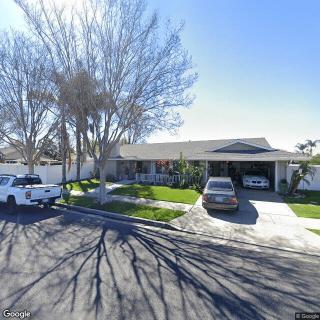
Candlewood Care Home III
$2,800 to $3,400 / month16.3 miles away -
from +$300 / mo
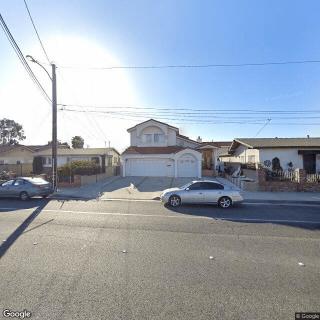
Leah Loving Elderly Care
$2,800 to $3,000 / month18.8 miles away -
from +$200 / mo
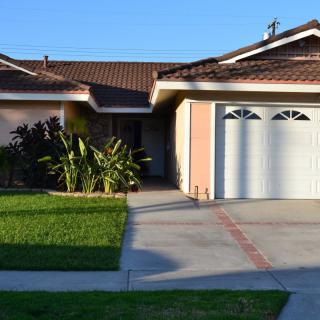
Loving Care Senior Home
$2,700 to $3,500 / month18.8 miles away -
from +$350 / mo
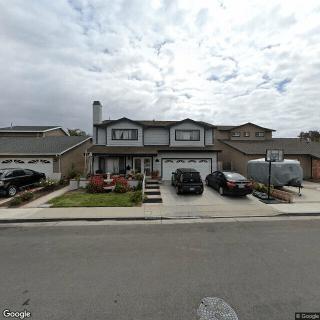
Alternative Senior Care - Freshwater
$2,850 to $3,250 / month21.2 miles away -
About the same
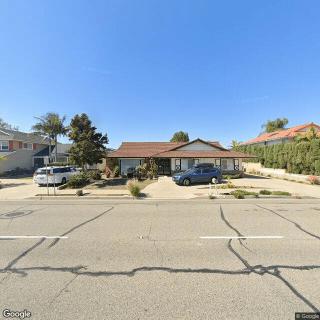
Madison Home Care 2
$2,500 to $2,800 / month19.0 miles away
Overall Review of Sunset Homes - Paseo Del Niguel Site
Pros
 Sunset Homes feels like a home and creates a welcoming, homelike environment.
- It is small and intimate, offering one-on-one personal care.
- The staff are very caring and provide good care to residents, including during Covid.
- The staff are quick to reach out to families and communicate about any issues.
- The facility is very clean and smells inviting.
- The reviewer regards Sunset Homes as a five and wishes they had found it sooner.
Cons
 The staff is elderly and unable to lift or help with lifting residents.
- The meals were not homemade and consisted of sandwiches or pizza from the facility's fast-food restaurant.
- The resident had a tooth infection for months that staff did not notice.
- The staff told the family to remove the resident and find a new home.
- The resident was bleeding and swollen in the mouth, and staff did not report it to the family or the on-call doctor.
- There was no notification to the family about the swollen mouth.
- After moving her out, a dentist confirmed an infection in the resident's mouth.
- The home looked good on the outside, but the care was very poor.
- Staff lied multiple times when questions were asked or checks were done.
- There were no activities; residents were simply kept in front of a TV.
Review
Sunset Homes – Paseo Del Niguel Site is best suited for seniors who want a small, intimate setting where care feels personal and family communication is straightforward. This community tends to work well for residents who are relatively self-sufficient, appreciate meals cooked on-site, and rely on clear, timely updates from staff when concerns arise. Families prioritizing a warm, home-like atmosphere over a large-campus feel will find the vibe appealing. Those with significant medical or mobility needs should proceed with caution, because the model leans on individualized attention rather than full-time nursing coverage. For loved ones requiring robust clinical oversight, 24/7 nursing, memory support, or a bustling activities calendar, alternatives may deliver more reliable coverage and specialized programming.
On the positive side, Sunset Homes earns trust through its small scale and the resulting sense of one-on-one care. Reported advantages include attentive staff who are accessible when concerns arise, and a communication culture that favors proactive updates to families, often by phone or text. The setting is described as genuinely home-like, clean, and welcoming, with remarks about a kitchen atmosphere and meals prepared on-site. For families seeking reassurance that a loved one is treated with warmth and respect in a familiar environment, these factors are meaningful and persuasive.
The strongest caution comes from a strongly negative account that highlights serious gaps in care. The reviewer portrays staff as elderly and unable to perform lifting or certain caregiving tasks, with frequent requests for changes and questions about food unanswered or inadequately addressed. Allegations of missed medical signs, the mouth infection that persisted for months and went unreported, are alarming, as are claims of deception when inquiries were made. In addition, the critique notes a lack of meaningful activities beyond television and an absence of proactive engagement to stimulate the resident. Taken together, these concerns signal potential neglect in a setting that relies on limited hands-on nursing and oversight.
The conflicting experiences matter for decision-making. In a small community where staff can offer personalized attention, strong communication and a calm, home-like daily rhythm can offset many routine concerns for residents who are largely independent. However, the documented lapses, especially around medical signs and nutrition, underscore a real risk if a resident’s needs evolve or if rapid escalation of problems becomes necessary. The credible positives about cleanliness, cooking, and caregiver warmth are compelling, but they must be weighed against the possibility that serious health issues could be missed or mishandled in this format.
Families should consider alternatives if the senior requires constant medical monitoring, robust memory-care programming, or sustained supervision during meals and activities. Larger assisted living facilities or campuses with dedicated nursing teams, structured activity directors, and memory-care wings typically offer higher staffing ratios and more consistent clinical oversight. If dental or medical issues are a recurring concern, or if a resident’s health could deteriorate quickly, a community with on-site clinicians and transparent escalation protocols becomes prudent. Sunset Homes may work well as a transitional, home-like option for some, but for ongoing high-acuity needs, exploring other options first is prudent.
Overall, Sunset Homes presents a mixed but navigable picture. For families prioritizing a warm, intimate setting with prompt communication and a kitchen-driven, home-like daily rhythm, the positives can align well with the resident’s preferences and daily routine. Yet the considerable red flags about medical vigilance, activity engagement, and consistency of care cannot be ignored. Prospective residents should scrutinize staffing patterns, request a current care plan, and seek firsthand observations of daily interactions. A candid trial period, if offered, paired with clearly defined expectations and a robust escalation protocol, can clarify fit more than any tour alone.
 6 resident community capacity
 Assisted Living
 Board and Care Home
 Memory Care
 Cats allowed
 Dogs allowed
 Cable or satellite TV
 Dining room
 Fully furnished
 Garden
 Housekeeping services
 Move-in coordination
 Outdoor space
 Private
 Telephone
 Wi-Fi/high-speed internet available
 John Wayne Orange Co (14 miles away)
 24-hour supervision
 Activities of daily living assistance
 Ambulatory care
 Assistance with bathing
 Assistance with dressing
 Assistance with transfers
 Diabetes diet
 Diabetic care
 High acuity care
 Meal preparation and service
 Medication management
 Special dietary restrictions
 Transportation arrangement (medical)
 Transportation to doctors appointments




 A Detailed Exploration of Assisted Living Medicaid Waivers Across the United States
 Exploring the Contrasts Between Assisted Living and Skilled Nursing
 Vibrant Senior Living: A Comprehensive Guide for Active Older Adults