
23962 Hillhurst Drive, Laguna Niguel, CA 92677
For more information about senior living options: (866) 208-4318
Overall Review of Quality Life Homes 2
Pros
 The staff create a warm, homey environment with many ways for residents to connect.
- Residents enjoy a variety of activities, including Bingo, holiday celebrations, and brunches.
- There are sincere relationships between residents and staff, and residents form friendships with other residents.
- Families feel welcome, and staff and residents know each other on a first-name basis.
- The care is individualized and attentive, with personalized care plans that make residents feel safe and well cared for.
- Communication with families is consistently clear and frequent, with regular updates about daily activities.
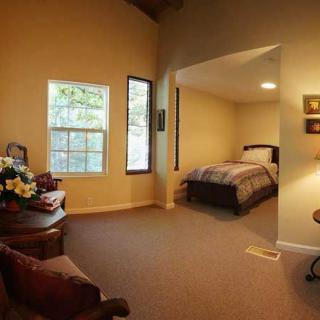
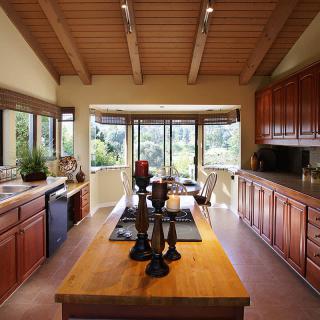
- The facility is clean, well-maintained, and feels like a stable, family-like home.
- The staff are friendly, dedicated, and consistently go above and beyond to deliver excellent service.
Cons
 He disliked that meal times ended too early.
 - They criticized a caregiver for not knocking before entering and for a bossy, controlling demeanor.
- They felt the caregiver rearranged furniture while the patient was present and asked questions about who opened or closed the door.
- They questioned the caregiver's qualifications, noting she was not a nurse and should stay within her scope of practice.
Review
This Laguna Niguel community is best suited for families that prize a home-like, relationship-driven atmosphere where staff know residents by name and residents can stay engaged through a robust calendar of social activities. The reviews consistently praise sincere connections between residents and caregivers, and a vibe that feels less like a facility and more like a family home. It is especially fitting for families navigating memory care or assisted living where ongoing warmth, steady supervision, and frequent family updates matter. For relatives seeking clear, approachable staff who remember birthdays, celebrate holidays, and foster everyday friendship, this setting delivers with noticeable consistency.
Those who may want to consider alternatives include families prioritizing a larger campus with broader clinical depth or more specialized medical resources. If the need is for a facility with expansive on-site medical staffing, more extensive therapy offerings, or highly formalized dining schedules across a larger population, weighing other options is prudent. Additionally, residents who require more varied dining experiences or flexible mealtimes that don’t end early may find some days rigid. Finally, if a very large community feel, with more anonymity and broader activity choices, is important, a smaller, intimate setting could feel restrictive.
The strongest positives here revolve around staff dedication, personalized care, and a sense of safety and belonging. Multiple reviews highlight individualized care plans and staff who genuinely invest in residents’ well-being, not just their routines. The homey environment and steady, familiar faces translate into genuine peace of mind for families. A well-maintained, clean facility with warm meals and meaningful daily activities further reinforces the feeling of a secure, engaging home. When a resident moves through transitions, especially into memory care, the continuity of care and proactive communication with families become decisive advantages that help offset the potential downsides of a smaller community.
Day-to-day life comes across as consistently positive: residents are kept socially and mentally active through music, games, holiday events, and regular interaction with staff who know their preferences. The capacity to update families via an app and regular, candid communication is repeatedly endorsed, reducing anxiety about loved ones’ daily experiences. The atmosphere often described as “top to bottom” solid, where management and frontline staff collaborate to maintain safety, cleanliness, and encouragement, plays a critical role in making elders feel valued and secure. Even respite stays are framed as beneficial, underscoring a flexibility that is not always present in every setting.
A practical decision-maker should verify a few specifics before committing. Confirm mealtime policies and whether dining schedules can accommodate particular preferences. Inquire about caregiver training, supervision, and boundaries to ensure staff operate within agreed roles. Explore how memory care transitions are handled, including staffing ratios and activities designed to preserve dignity and autonomy. Ask about respite availability, trial visits, and the means of ongoing family communication beyond apps. Finally, observe the pace and tone during a visit, note whether staff interactions feel genuine, and whether the environment supports both social engagement and quiet personal time for residents.
Overall, for families seeking a warm, engaged, and well-run community with strong family involvement and a clear emphasis on safety and connection, this Laguna Niguel option stands out. Its ability to deliver personalized attention, preserve resident dignity, and keep daily life vibrant is a compelling balance against the few limitations noted, meals that end early for some and the occasional caregiver boundary concern in a very small community. If those trade-offs align with the resident’s priorities, this setting is a highly sound choice, especially for memory care transitions and for families who value ongoing communication and a truly homelike feel.
 6 resident community capacity
 Assisted Living
 Board and Care Home
 Cable or satellite TV
 Dining room
 Fully furnished
 Garden
 Housekeeping services
 Move-in coordination
 Outdoor space
 Telephone
 Wi-Fi/high-speed internet available
 John Wayne Orange Co (14 miles away)
 24-hour supervision
 Activities of daily living assistance
 Assistance with bathing
 Assistance with dressing
 Assistance with transfers
 Diabetes diet
 Meal preparation and service
 Medication management
 Special dietary restrictions
 Transportation arrangement (medical)
 Transportation to doctors appointments



 Comprehensive Supportive Living Arrangements for Adults with Disabilities
 Funding and Affording Assisted Living: A Thorough Overview
 Assisted Living Expenses and Long-Term Care Insurance: A Comprehensive Exploration