
23952 Hillhurst Drive, Laguna Niguel, CA 92677
For more information about senior living options: (866) 208-4318
Overall Review of Quality Life Homes 1
Pros
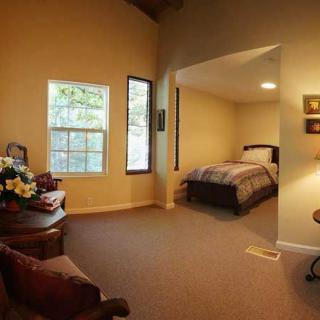
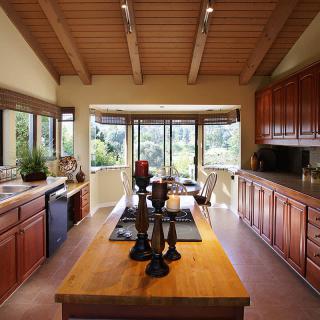
 The residents and staff create a homey environment with many ways to connect.
- Bingo is a favorite activity, and there are holiday celebrations and brunches.
- Sincere relationships form between residents and staff, and residents develop friendships with each other.
- The staff provide kindness, individualized care, and attentive concern for each resident.
- Aegis offers wonderful activities and personalized care plans that make residents feel safe, with great meals.
- The team is amazing—helpful, friendly, and genuinely caring toward all residents.
- The transition process is supported by excellent communication and regular updates for families.
- The environment feels stable, safe, and like a loving family home for loved ones.
- Management and front desk staff deliver outstanding service; the facility is top quality in every aspect.
Cons
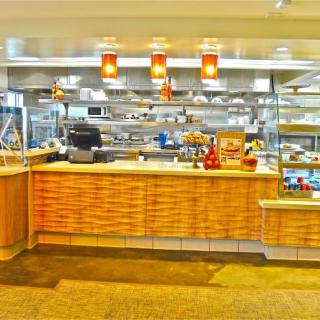
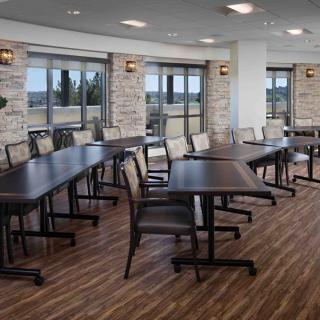
 The father disliked that mealtimes ended too early.
 - Clarence, a Filipina caregiver, was described as bossy and entering rooms without knocking, rearranging furniture, and acting in a way that bothered the family.
- The reviewer stated Clarence was not a nurse and should not make decisions outside her scope of practice.
- They expressed a need for better supervision and education to address the caregiver’s problematic behavior.
Review
Quality Life Homes 1 in Laguna Niguel (operating as Aegis Laguna Niguel in most family accounts) is best suited for seniors who want a warm, home-like setting with highly engaged staff and a robust social calendar. This community excels when residents value daily connection, personalized attention, and a sense of family living over a clinical or corporate feel. It works particularly well for those seeking memory-care support or a smooth transition from independent living through assisted living, with staff who know residents by name and treat family involvement as a core component of care. For families prioritizing intimate, neighborly atmosphere, predictable routines, and meaningful activities that promote belonging, this is a standout option.
But some families should consider alternatives. If a resident requires highly medicalized, around-the-clock clinical oversight, or if a larger campus with extensive on-site healthcare services is essential, other communities may better meet those needs. A few reviewers flagged logistics that can matter in daily life, meal times that end earlier than some residents prefer, and occasional concerns about staff boundaries or assertiveness in interactions. For households pursuing ultra-formal governance, stricter nurse-led decision-making, or cost structures that differ significantly, exploring other options can help ensure alignment with expectations around care delivery, dining schedules, and staff training.
On the positive side, the strongest pros align with a deeply social, resident-centered model. The environment feels homelike, with staff who establish real relationships with residents and families. The care plans tend to be individualized, and residents repeatedly report feeling safe, valued, and understood. Activities are plentiful, bingo, holiday celebrations, brunches, music, and community gatherings, that keep residents engaged and connected. The dining experience is consistently described as healthy and tasty, and the rhythm of daily life is built to foster companionship, not isolation. Family communication is a clear strength, with regular updates and accessible channels that help families stay connected to daily life and progress.
Those strengths offset most of the potential drawbacks, but they don’t erase them entirely. The best offset comes from genuine, ongoing staff dedication and a visible, thoughtful approach to daily routines. When concerns arise, such as a note about early mealtimes or a caregiver’s boundary-related misstep, responsive management and a culture that emphasizes respectful, patient-centered care tend to mitigate impact. The community’s demonstrated stability and low turnover contribute to consistent relationships, which in practice reduces friction during transitions or upswings in a resident’s needs. A family-forward mindset, where care partners are readily available to update and involve relatives, also softens the impact of minor scheduling quirks.
Memory care at this campus stands out for its seamless transitions and steady, compassionate oversight. Families repeatedly praise how well the transition from assisted living to memory care is managed, with clear communication, coordinated support, and staff who stay engaged with both residents and their loved ones. The facility itself supports a sense of continuity: a small, close-knit atmosphere where staff know residents’ histories, preferences, and routines, and where special events, like live music nights and festive celebrations, create meaningful moments for residents and families alike. One cautionary note is a single, singular critique of a caregiver’s conduct; while not representative, it underscores the importance of ongoing, proactive staff training and doorways-knocking etiquette as nonnegotiable basics of professional care.
In decision terms, this community is a compelling match for families who prize warmth, personalization, and a connected, family-centered culture. It delivers well on engagement, safety, and transparent communication, with a memory-care posture that many families prioritize when planning long-term care. Alternatives are worth considering for those who want more formal medical oversight, more rigid dining schedules, or a different scale of operation. Overall, for households that value living well together, consistent staff relationships, and a genuinely welcoming home environment, this Laguna Niguel option stands out as a principled, reliable choice.
 6 resident community capacity
 Assisted Living
 Board and Care Home
 Cable or satellite TV
 Dining room
 Fully furnished
 Garden
 Housekeeping services
 Move-in coordination
 Outdoor space
 Telephone
 Wi-Fi/high-speed internet available
 John Wayne Orange Co (14 miles away)
 24-hour supervision
 Activities of daily living assistance
 Assistance with bathing
 Assistance with dressing
 Assistance with transfers
 Diabetes diet
 Meal preparation and service
 Medication management
 Special dietary restrictions
 Transportation arrangement (medical)
 Transportation to doctors appointments

 Securing Financial Support for Assisted Living: A Comprehensive Overview
 Social Security Benefits and Assisted Living: Navigating Options Across the U.S.
 An Extensive Exploration of the VA Aid and Attendance Benefit