Tender Care II

Save
Tender Care II

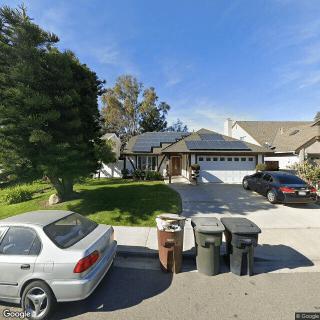
Tender Care II in Laguna Hills, CA

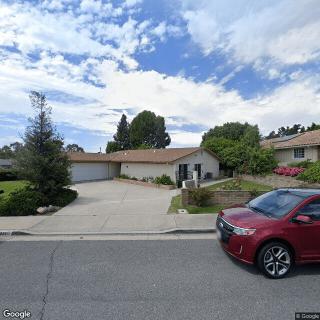
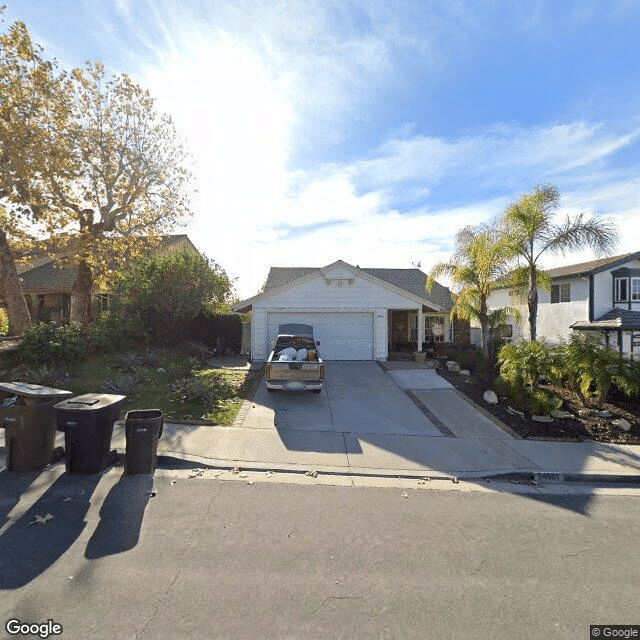
24661 Kim Circle, Laguna Hills, CA 92653

For more information about senior living options: (844) 490-3973

4 from 1 review
Assisted Living Board and Care Home

Tender Care II Costs & Pricing

Tender Care II offers competitive pricing for its services when compared to the broader market in Orange County and California. For a semi-private room, residents pay $2,500 per month, which is significantly lower than the county average of $3,431 and the state average of $3,333. Similarly, those seeking a private room will find Tender Care II's rate of $3,000 to be more affordable than both the local average of $4,104 and the state average of $3,939. This pricing strategy positions Tender Care II as an attractive option for families looking for quality care without straining their financial resources.

Floor plansTender Care IIOrange CountyCalifornia
Semi-Private$2,500$3,431$3,333
Private$3,000$4,104$3,939

Overall Review of Tender Care II

Pros

  • pro They were very welcoming.
  • pro They introduced the residents.
  • pro They gave a tour of the home and the master bedroom and bath.
  • pro They shared staffing information and costs.

Cons

  • pro detected.

Review

Tender Care II in Laguna Hills is best suited for seniors who value a warm, welcoming first impression and want clear visibility into staffing and costs as part of their decision process. This community appears to support a straightforward onboarding experience: a tour of the home and a master bedroom setup is followed by introductions to residents, which helps prospective residents picture daily life. For families prioritizing early social integration and transparency in pricing, Tender Care II provides a practical, no-nonsense entry point. It is especially fitting for those at the early stages of assisted living who do not yet require intensive medical oversight but want a comfortable, resident-centered environment.

Anyone weighing alternatives should consider options that offer stronger medical oversight, memory-care specialization, or more extensive programming. If a need for skilled nursing, dementia-focused care, or robust on-site activities is anticipated, other communities may deliver more comprehensive care structures or broader service menus. Larger campuses with broader transportation options, more varied dining and enrichment schedules, or different pricing models could also be worth evaluating. In short, Tender Care II functions well as a baseline choice for social, affordable, and transparent entry into assisted living, but it may fall short for families prioritizing advanced care capabilities or high-end amenities.

The most compelling pros center on experience and transparency. The facility's welcoming tone and the effort to introduce visitors to current residents signal an environment that prioritizes social engagement and comfort. Being shown through the home and its master-bedroom area provides a tangible sense of living space, rather than a staged impression, which matters when evaluating daily quality of life. Importantly, the explicit sharing of staffing information and costs removes ambiguity early in the process, enabling families to compare what is included in the base rate and what may be added. For decision-making, these factors substantially reduce guesswork and help align expectations with reality.

The main limitations stem from the paucity of detail in the available account. A single positive impression cannot establish consistent outcomes, and there is little information about care levels, activity programming, meals, or safety features. The review does not address staff-to-resident ratios, shift coverage, or how staffing scales with care needs, nor does it reveal whether medical coordination, transportation, or on-site therapies are robust. Without broader data on daily routines, specialty services, or long-term resident satisfaction, families must remain cautious about assuming the same experience across all rooms and all days.

Nevertheless, the identified strengths can offset these gaps when pursued with diligence. A transparent outline of staffing costs helps prevent sticker-shock and supports budgeting from the outset, while a warm, resident-focused welcome lowers the emotional risk of moving siblings or parents into care. The tour and resident introductions provide a practical window into social life, potential community fit, and the likelihood of forming meaningful peer connections. When these positives are paired with targeted follow-up questions, they create a workable framework for comparing Tender Care II against other options.

Practical next steps include requesting a detailed price breakdown and a written list of included services, as well as a copy of the current activity calendar, meal program, and safety features. Ask for the staff-to-resident ratio by shift and inquire about caregiver qualifications, on-site nursing, and availability of memory-care or higher-acuity options if needed. Schedule a second tour with a family member who can observe interactions and pose questions about daily routines. Finally, contact current residents or families for candid feedback, verify licensing status, and compare Tender Care II's offerings with a few other nearby communities to ensure the chosen path aligns with long-term care goals and financial planning.

Features

Housing

  • 6 resident community capacity 6 resident community capacity

Types of Care

  • Assisted Living Assisted LivingAssisted living facilities provide crucial support and care for seniors who may need help with daily tasks such as medication management, bathing, and meal preparation. These communities offer a safe and comfortable environment where seniors can maintain their independence while receiving the assistance they need to thrive in their golden years.
  • Board and Care Home Board and Care HomeBoard and care homes provide a smaller, more intimate setting for seniors who require assistance with daily tasks but do not need the level of care offered by a nursing home. They offer personalized care, meals, and social activities in a homelike environment, ensuring that seniors receive individualized attention and support in their golden years.

Amenities

  • Activities on-site Activities on-siteActivities on-site are important for seniors because they provide opportunities for socialization, mental stimulation, physical activity, and overall well-being. Engaging in activities can help seniors stay active, maintain their independence, and improve their quality of life.
  • Cable or satellite TV Cable or satellite TVCable or satellite TV is important for seniors because it provides entertainment, news, and companionship, helping to combat loneliness and boredom. It also offers a wide range of programming options tailored to different interests and preferences.
  • Dining room Dining roomDining rooms are important for seniors as they provide a space for socialization, connection, and nutritious meals. They offer opportunities for residents to bond over shared meals, foster a sense of community, and promote healthy eating habits. Dining rooms also ensure that seniors have access to well-balanced meals tailored to their dietary needs and preferences.
  • Fully furnished Fully furnishedFully furnished senior living communities are important for seniors because they provide convenience, comfort, and a hassle-free moving experience. Seniors can easily settle into their new living space without the stress of having to buy and move furniture. This allows them to focus on enjoying their new home and community.
  • Garden GardenGardens are important for seniors as they provide a peaceful and therapeutic environment for relaxation, physical activity, and socialization. Being in nature has been shown to reduce stress, improve mood, and promote overall well-being. Gardens also offer opportunities for seniors to engage in gardening activities, which can improve mobility, flexibility, and cognitive function. Additionally, gardens create a sense of community and connection with others who share a passion for plants and outdoor spaces.
  • Housekeeping services Housekeeping servicesHousekeeping services are important for seniors because they help maintain a clean and safe living environment, promote independence, and reduce the risk of accidents or illnesses. Additionally, having assistance with household chores can alleviate physical strain and allow seniors to focus on other aspects of their well-being.
  • Indoor common areas Indoor common areasIndoor common areas are crucial for seniors as they provide a space for socialization, recreation, and community engagement, promoting overall well-being and reducing feelings of isolation and loneliness.
  • Move-in coordination Move-in coordinationMove-in coordination is important for seniors because it helps ease the transition into their new living environment. It ensures that all logistics, such as packing, organizing movers, and setting up utilities are taken care of, allowing seniors to focus on settling in and adjusting to their new home. Having a smooth move-in process can alleviate stress and anxiety, making the transition smoother and more enjoyable for seniors.
  • Outdoor common areas Outdoor common areasOutdoor common areas are important for seniors as they provide a space for socialization, physical activity, and relaxation. Being outside in nature can improve mood and overall well-being, while also encouraging movement and engagement with others. These spaces can help combat feelings of isolation and promote a sense of community among residents.
  • Outdoor space Outdoor spaceOutdoor spaces are important for seniors as they provide opportunities for physical activity, social interaction, exposure to natural light and fresh air, and a sense of connection to nature. Having access to outdoor spaces can improve overall well-being and quality of life for older adults living in senior communities.
  • Private PrivatePrivacy is important for seniors as it allows them to maintain their independence, dignity, and sense of control over their own lives. It also gives them the space and freedom to relax, reflect, and engage in activities that bring them joy and fulfillment. Creating private spaces within senior living facilities is crucial for promoting overall well-being and quality of life.
  • Telephone TelephoneTelephones are important for seniors as they provide a lifeline for communication with loved ones, emergency services, and healthcare providers. They offer a sense of security and independence, enabling seniors to stay connected and access assistance when needed.
  • Wheelchair accessible showers Wheelchair accessible showersWheelchair accessible showers are crucial for seniors as they provide a safe and independent bathing option for those with mobility challenges. These showers help prevent falls and allow seniors to maintain their dignity and autonomy while ensuring they can bathe comfortably.
  • Wi-Fi/high-speed internet available Wi-Fi/high-speed internet availableWi-Fi/high-speed internet is important for seniors to stay connected with loved ones, access online resources, and participate in virtual activities to combat feelings of loneliness and isolation. It also allows them to easily manage healthcare needs, access entertainment, and engage in lifelong learning opportunities.

Transportation

  • John Wayne Orange Co (11 miles away) John Wayne Orange Co (11 miles away)

Care Services

  • 24-hour supervision 24-hour supervision24-hour supervision is important for seniors to ensure their safety, well-being, and access to immediate assistance in case of emergencies or health issues. This constant support provides peace of mind for both seniors and their loved ones, allowing them to age in place with dignity and security.
  • Activities of daily living assistance Activities of daily living assistanceActivities of daily living assistance are important for seniors because they provide essential support with tasks such as eating, bathing, dressing, and mobility. This assistance helps seniors maintain their independence, dignity, and overall quality of life as they age.
  • Assistance with bathing Assistance with bathingAssistance with bathing is crucial for seniors as it helps maintain personal hygiene, prevents infections, and ensures their overall well-being and comfort. It also provides a sense of dignity and independence for seniors who may struggle with this task on their own.
  • Assistance with dressing Assistance with dressingAssistance with dressing is important for seniors because it helps maintain their independence, promotes personal hygiene, prevents accidents and injuries, and improves overall quality of life. This service ensures that seniors can continue to dress comfortably and confidently, despite any physical limitations they may have.
  • Assistance with transfers Assistance with transfersAssistance with transfers is crucial for seniors as it helps prevent falls and injuries, maintains their independence, and ensures they can safely navigate their living environment. It also provides peace of mind for both seniors and their loved ones.
  • Coordination with health care providers Coordination with health care providersCoordination with health care providers is crucial for seniors to ensure proper medical care, medication management, and overall well-being. This collaboration helps prevent overlapping treatments, track progress more effectively, and provide comprehensive support tailored to individual needs.
  • Diabetes diet Diabetes dietA diabetes diet is crucial for seniors as it helps manage blood sugar levels, reduce risks of complications, and improve overall health and well-being. By following a balanced and nutritious diet tailored to their specific needs, seniors can better control their diabetes and enhance their quality of life.
  • High acuity care High acuity careHigh acuity care is important for seniors because it provides specialized medical attention and support for individuals with complex medical needs. This level of care ensures that seniors receive the appropriate treatment and assistance to maintain their health and quality of life as they age.
  • Incontinence care Incontinence careIncontinence care is essential for seniors to maintain their dignity, hygiene, and overall quality of life. By addressing incontinence issues promptly and effectively, seniors can enjoy a sense of independence and comfort in their daily activities.
  • Meal preparation and service Meal preparation and serviceMeal preparation and service are crucial for seniors as they may have limited mobility or energy to cook nutritious meals. Having access to healthy and convenient food options can ensure they are getting the proper nutrition needed to maintain their overall health and well-being.
  • Medication management Medication managementMedication management is crucial for seniors to ensure they are taking the right medications at the correct dosages and times. This helps prevent adverse drug interactions, reduces the risk of medication errors, and promotes overall health and well-being. Proactive management also allows for adjustments as needed based on changing health conditions or new prescriptions.
  • Special dietary restrictions Special dietary restrictionsSpecial dietary restrictions are important for seniors because age-related changes in metabolism and health conditions can make it difficult for their bodies to process certain foods. By following a diet tailored to their specific needs, seniors can maintain their overall health and well-being, manage chronic conditions, and reduce the risk of complications such as malnutrition or food interactions with medications.
  • Transportation arrangement (medical) Transportation arrangement (medical)Transportation arrangements for medical purposes are essential for seniors as they may have difficulty driving themselves to appointments or accessing public transportation. Having reliable and safe transportation options ensures that seniors can receive timely medical care and maintain their health and well-being.
  • Transportation to doctors appointments Transportation to doctors appointmentsTransportation to doctors' appointments is crucial for seniors as it ensures they have access to necessary medical care and support for their health needs. Without reliable transportation, seniors may struggle to attend important appointments, leading to potential delays in treatment and health complications. Providing transportation services helps seniors maintain their overall well-being and quality of life.
Dining

  • Diabetes diet Diabetes dietA diabetes diet is crucial for seniors as it helps manage blood sugar levels, reduce risks of complications, and improve overall health and well-being. By following a balanced and nutritious diet tailored to their specific needs, seniors can better control their diabetes and enhance their quality of life.
  • Meals provided Meals provided"Meals provided" are crucial for seniors in assisted living communities as it ensures they have access to nutritious, balanced meals without the stress of meal planning and preparation. This can help promote overall health and well-being for seniors who may have limited mobility or cognitive abilities.
  • Special dietary restrictions Special dietary restrictionsSpecial dietary restrictions are important for seniors because age-related changes in metabolism and health conditions can make it difficult for their bodies to process certain foods. By following a diet tailored to their specific needs, seniors can maintain their overall health and well-being, manage chronic conditions, and reduce the risk of complications such as malnutrition or food interactions with medications.

Activities

  • Activities on-site Activities on-siteActivities on-site are important for seniors because they provide opportunities for socialization, mental stimulation, physical activity, and overall well-being. Engaging in activities can help seniors stay active, maintain their independence, and improve their quality of life.
  • Community-sponsored activities Community-sponsored activitiesCommunity-sponsored activities are important for seniors as they provide opportunities for social interaction, mental stimulation, and physical activity. These activities can help improve overall well-being, combat loneliness and isolation, and promote a sense of belonging and purpose among older adults.
  • Scheduled daily activities Scheduled daily activitiesScheduled daily activities are important for seniors because they provide structure, socialization, mental stimulation, and physical activity. Engaging in regular activities can improve overall well-being and quality of life for seniors living in a community setting.

Description

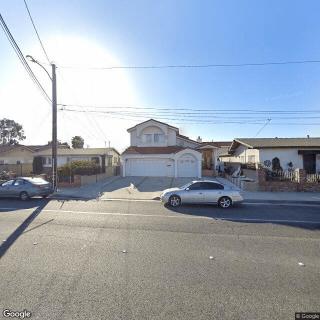
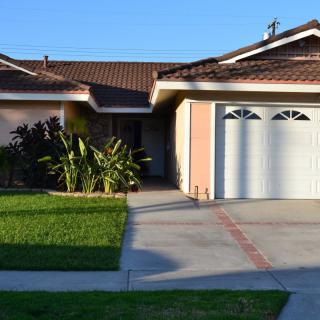
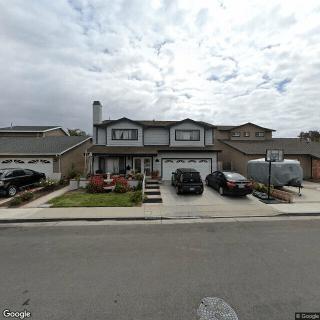
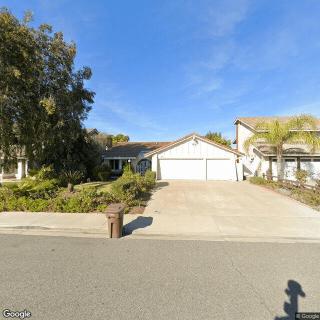
Tender Care II is an exceptional board and care home located in the beautiful city of Laguna Hills, CA. This warm and inviting community offers a range of amenities and care services to ensure the comfort and well-being of its residents.

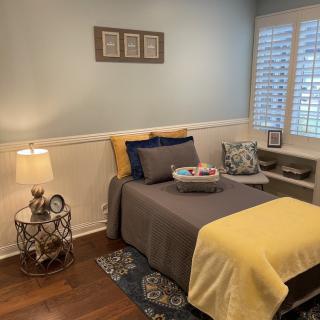
The fully furnished rooms are equipped with cable or satellite TV, providing entertainment options for residents to enjoy in their private living spaces. The communal dining room allows residents to socialize while enjoying delicious meals that cater to special dietary restrictions. Housekeeping services are provided to maintain a clean and tidy living environment.

Residents have access to indoor and outdoor common areas, including a serene garden where they can relax and soak in the fresh air. The community is also wheelchair accessible, with wheelchair accessible showers ensuring convenience for those with mobility challenges. Wi-Fi/high-speed internet is available throughout the premises, enabling residents to stay connected with their loved ones.

At Tender Care II, professional caregivers are readily available to provide assistance with activities of daily living, such as bathing, dressing, and transfers. The dedicated staff coordinates with health care providers for seamless healthcare management. Those requiring special attention receive high acuity care and incontinence care as needed.

Meal preparation and service are provided by the staff who carefully adhere to diabetic diets and accommodate special dietary restrictions. Medication management ensures that residents receive their prescribed medications on time. Transportation arrangement for medical purposes as well as transportation to doctors' appointments are available for added convenience.

The community offers scheduled daily activities and community-sponsored events that encourage social engagement among residents. With numerous cafes, parks, pharmacies, physicians' offices, restaurants, places of worship, theaters, and hospitals nearby, residents have ample opportunities for exploration and enjoyment.

Tender Care II provides a comfortable home-like environment where seniors can receive compassionate care tailored to their individual needs while enjoying a fulfilling lifestyle enriched by engaging activities and convenient access to amenities in the surrounding area.

Nearby Places of Interest

This part of Laguna Hills, California offers a variety of amenities and services that cater to seniors looking for a convenient and comfortable living environment. With a selection of restaurants nearby, including Natraj Cuisine of India and In-N-Out Burger, residents have plenty of dining options to choose from. The proximity to hospitals like Palm Terrace and CHOC Children's at Mission Hospital ensures access to quality healthcare when needed. Additionally, there are several pharmacies in the area such as CVS and Walgreens for easy prescription refills. The abundance of parks like Sheep Hills Park and Cabot Park provides opportunities for outdoor recreation and relaxation. For spiritual needs, there are places of worship like Harvest Community Church of Irvine and Corpus Christi Catholic Church nearby. The Regal Edwards Aliso Viejo & IMAX theater offers entertainment options, while transportation is easily accessible with the Amtrak and Metrolink Irvine Station just a few miles away. Overall, this part of Laguna Hills is a vibrant and convenient location for seniors looking to enjoy a fulfilling retirement lifestyle.

Restaurants

  • Natraj Cuisine of India (0.3 miles)
  • In-N-Out Burger (0.9 miles)
  • Raising Cane's Chicken Fingers (1 miles)
  • Chick-Fil-A (1 miles)
  • Farmer Boys (1 miles)
  • The Village Hookah Lounge (1.1 miles)
  • 19 Restaurant And Lounge (1.9 miles)

Hospitals

  • Palm Terrace (0.6 miles)
  • Head & Neck Associates Of Oc (3.4 miles)
  • South Coast Medical Center For New Medecine (3.5 miles)
  • CHOC Children's at Mission Hospital (3.5 miles)
  • Kaiser Permanente Hospital (5.8 miles)

Physicians

  • Saddleback Medical Group (0.8 miles)
  • South County Orthopedic Specialists (1.9 miles)
  • Mission Pain & Spine (2.6 miles)
  • Advanced Eye Medical Group (3.4 miles)
  • Leon Joseph Baginski (3.4 miles)
  • Mission Hospital Mission Viejo (3.5 miles)
  • Community Orthopedic Medical Group (3.5 miles)

Pharmacies

  • CVS Pharmacy (0.9 miles)
  • CVS Pharmacy (1.1 miles)
  • Rite Aid (1.8 miles)
  • Walgreens (2.3 miles)
  • Walgreens (2.4 miles)
  • CVS Pharmacy (2.4 miles)
  • CVS Pharmacy (2.5 miles)

Parks

  • Sheep Hills Park (1.2 miles)
  • Cabot Park (2.9 miles)
  • Laguna Niguel Regional Park (3.6 miles)
  • Vintage Park (4.1 miles)
  • Giardino Altura (4.5 miles)
  • Baker Ranch Community Park (5 miles)
  • Founders Park (5.1 miles)

Cafes

  • Kona Loa Coffe (1.4 miles)
  • Starbucks (4 miles)
  • The Alley (4.3 miles)
  • Starbucks (4.5 miles)

Theaters

  • Regal Edwards Aliso Viejo & IMAX (2.5 miles)
  • Regal Irvine Spectrum Screenx, 4Dx, Imax, RPX & Vip (4.3 miles)
  • Regal Foothill Towne Center (5.3 miles)

Places of Worship

  • Harvest Community Church of Irvine (3.2 miles)
  • Corpus Christi Catholic Church (3.2 miles)
  • Saddleback Church (5 miles)

Transportation

  • Amtrak and Metrolink Irvine Station (4.2 miles)

Frequently Asked Questions

How much does it cost to live at Tender Care II in Laguna Hills, CA?
Where is Tender Care II?

Nearby Communities

  • Rainbow Cottage II

    Rainbow Cottage II

    Laguna Hills, CA

    3.3 from 4 reviews
    $3,200 to $3,700 / month

    pro Pleasant ambiance with attentive caregiving and tasty meals.

  • Adelanto Covenant Care #2

    Adelanto Covenant Care #2

    Laguna Hills, CA

     
    $3,800 to $4,000 / month

    pro Memory care-focused community with private rooms, medication management, and vegetarian dining in a supportive setting.

  • Adelanto Covenant Care 2

    Adelanto Covenant Care 2

    Laguna Hills, CA


    pro Homelike board-and-care with 24/7 supervision, ADL assistance, meals, housekeeping, and transport to appointments.

  • Joyful Home II

    Joyful Home II

    Laguna Hills, CA

     
    $4,000 to $4,500 / month

    pro Small, intimate 6-resident community with private rooms, private bathrooms, and memory care.

  • Delightful Living Too

    Delightful Living Too

    Laguna Hills, CA


    pro Warm, inviting board-and-care with personalized care, meals, meds, and activities.

  • Loving Elderly Care Home

    Loving Elderly Care Home

    Laguna Hills, CA

    4.6 from 5 reviews
    $2,700 to $3,500 / month

    pro Loving, attentive caregivers in a warm, home-like setting with affordable pricing.

  • Adriana Elderly Care Home IV

    Adriana Elderly Care Home IV

    Mission Viejo, CA

     
    $3,000 to $4,000 / month

    pro Specialized memory and high-acuity care with private rooms and medication management.

  • The Ivy At Wellington

    The Ivy At Wellington

    Laguna Woods, CA

    4.2 from 48 reviews
     

    pro Reasonably priced for the area with friendly staff, updated amenities, and a welcoming social environment.

  • Freedom Village

    Freedom Village

    Lake Forest, CA

    4.5 from 98 reviews
     

    pro Friendly staff, good dining, and a wide range of amenities.

Related Resources

  • activities of daily livingComprehensive Insights into Activities of Daily Living (ADLs) and Their Assessment

    Activities of Daily Living (ADLs) are fundamental tasks vital for an individual's independence, particularly in older adults over 85, and include functions like bathing and dressing; assessing ADLs alongside Instrumental Activities of Daily Living (IADLs) helps determine the level of required assistance due to age-related health challenges. Tailored support plans, involving family and community resources, are essential for maintaining dignity and autonomy in assisted living environments.

  • does medicare pay for assisted livingMedicare Coverage for Assisted Living: An In-Depth Exploration

    Medicare does not cover assisted living costs, as it focuses on acute medical needs and short-term care, with exceptions for certain medically necessary services like physical therapy. Individuals must explore other options such as Medicaid, veterans' benefits, or long-term care insurance to manage these expenses effectively.

  • assisted living vs nursing homeChoosing the Right Senior Care: A Detailed Exploration of Assisted Living and Nursing Homes

    Choosing between assisted living and nursing homes involves evaluating emotional and financial factors, with assisted living offering independence and support for daily activities at a lower cost, while nursing homes provide intensive medical care for individuals with significant health needs. The decision is influenced by personal preferences, health status, cognitive function, and varying Medicaid coverage across states.