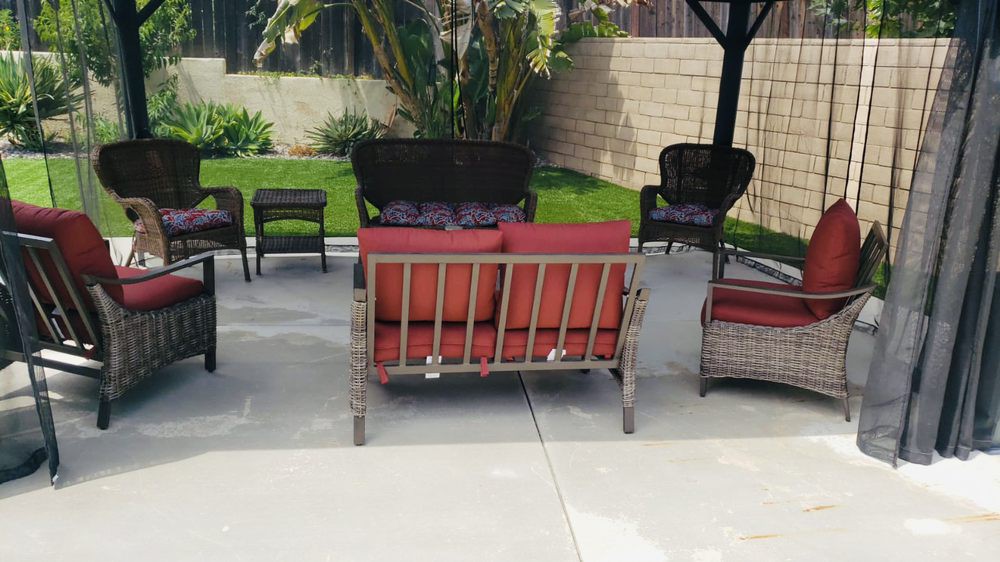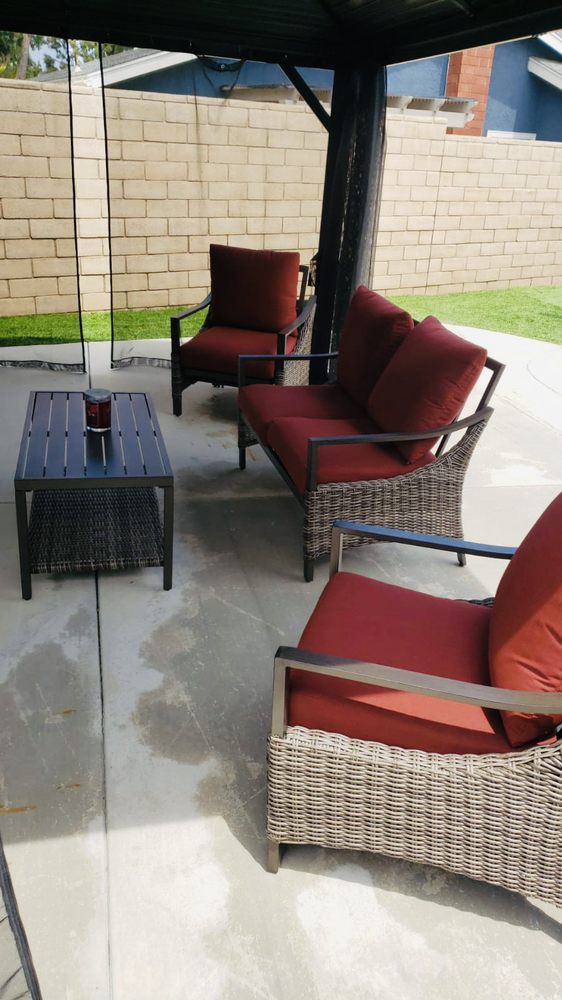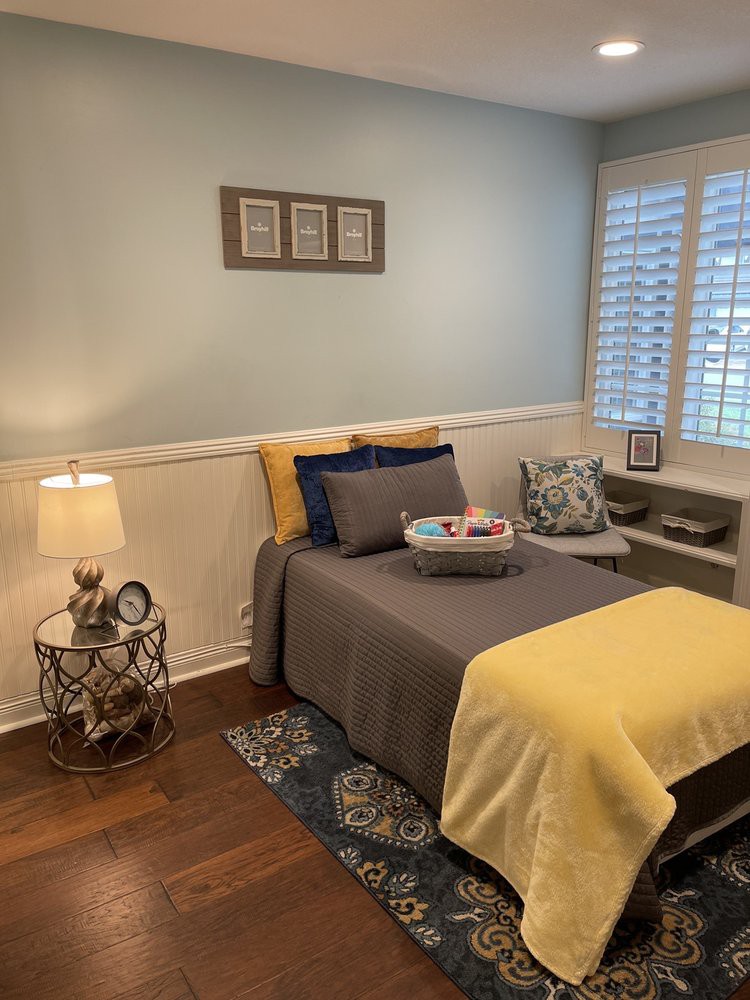
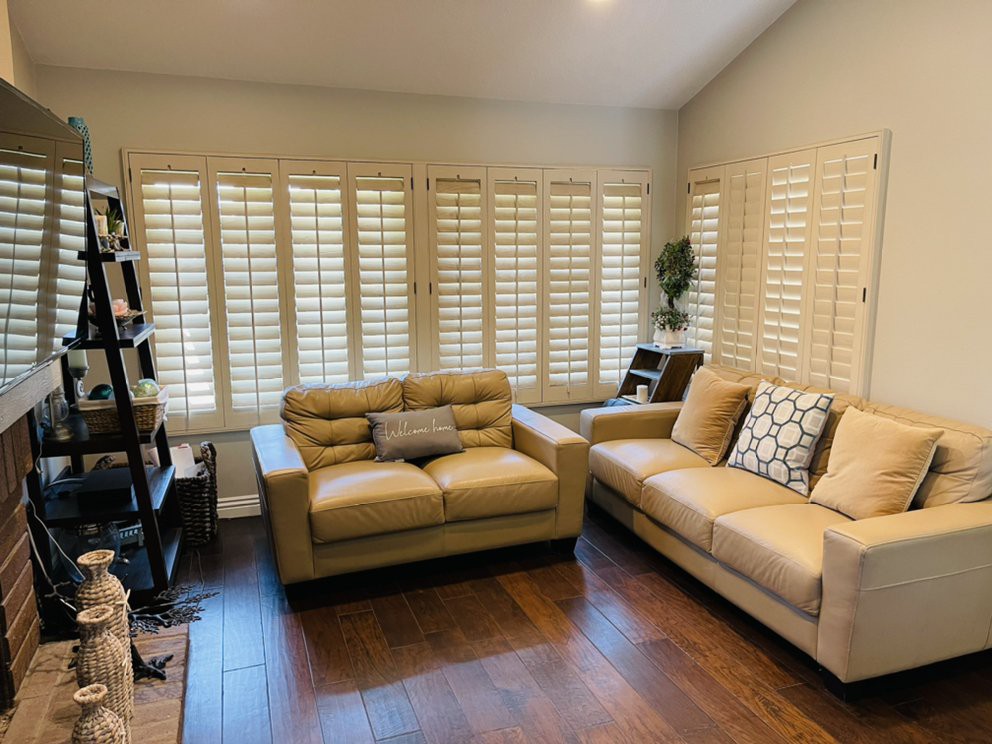




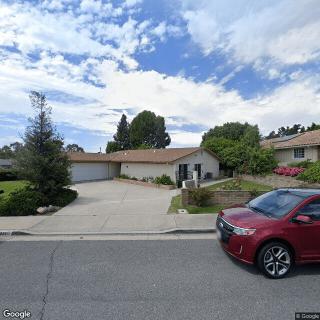
24971 Camberwell Street, Laguna Hills, CA 92653
For more information about senior living options: (866) 208-4318
Overall Review of Delightful Living Too
Pros
 Rebekah and her caregivers provide exceptional care.
- Delightful Living offers care, love, good food, activities, and attentive staff.
- The staff are passionate about their work and create a pleasant environment.
- Rebekah cares about the well-being of each resident and goes the extra mile to keep them happy and comfortable.
- The resident formed a strong bond with Rebekah, Jackie, and Hector.
- Delightful Living is better run than other care homes.
- The care home treats residents as if they were family.
- Families can confidently entrust their loved ones to Rebekah at Delightful Living.
Cons
 Her mother was abused by Rebekah's ex-husband and required medical help from a hospice nurse.
- The meals consisted of instant powdered soup, pizza, and sandwiches made with deli meat so thin you could see through them.
- She removed her mother when Rebekah left for Paris, and there was only one temporary employee to care for five residents.
- She did not recommend the home.
Review
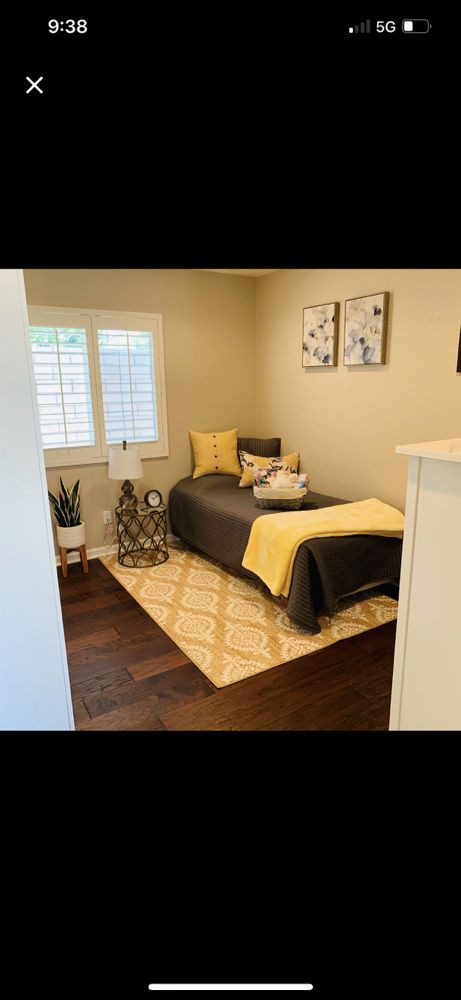
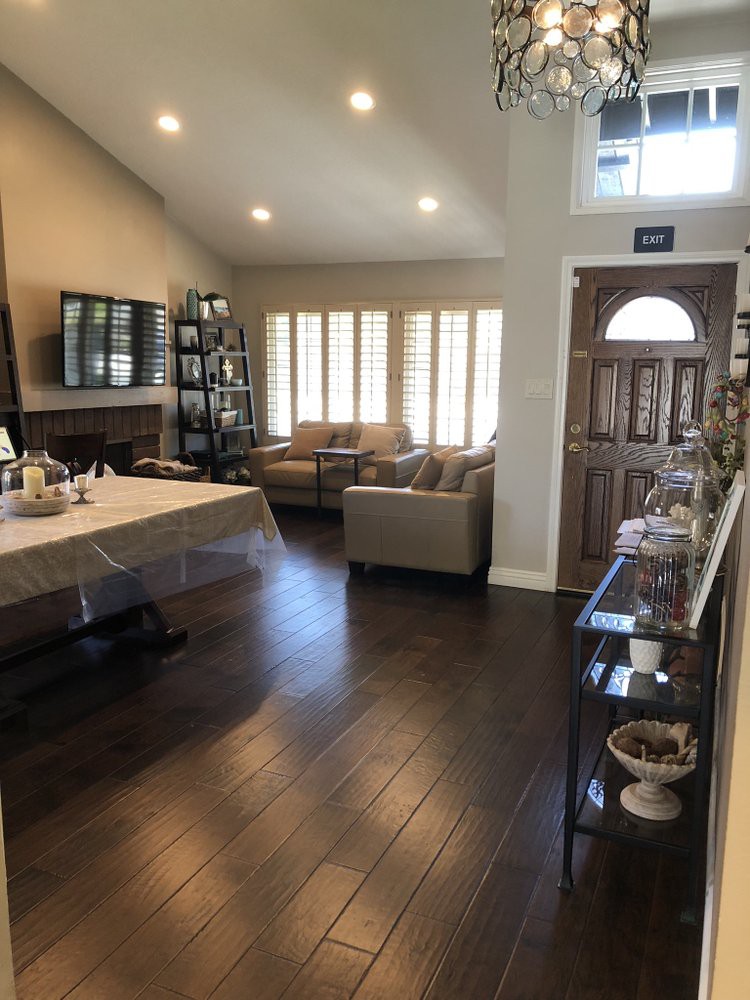
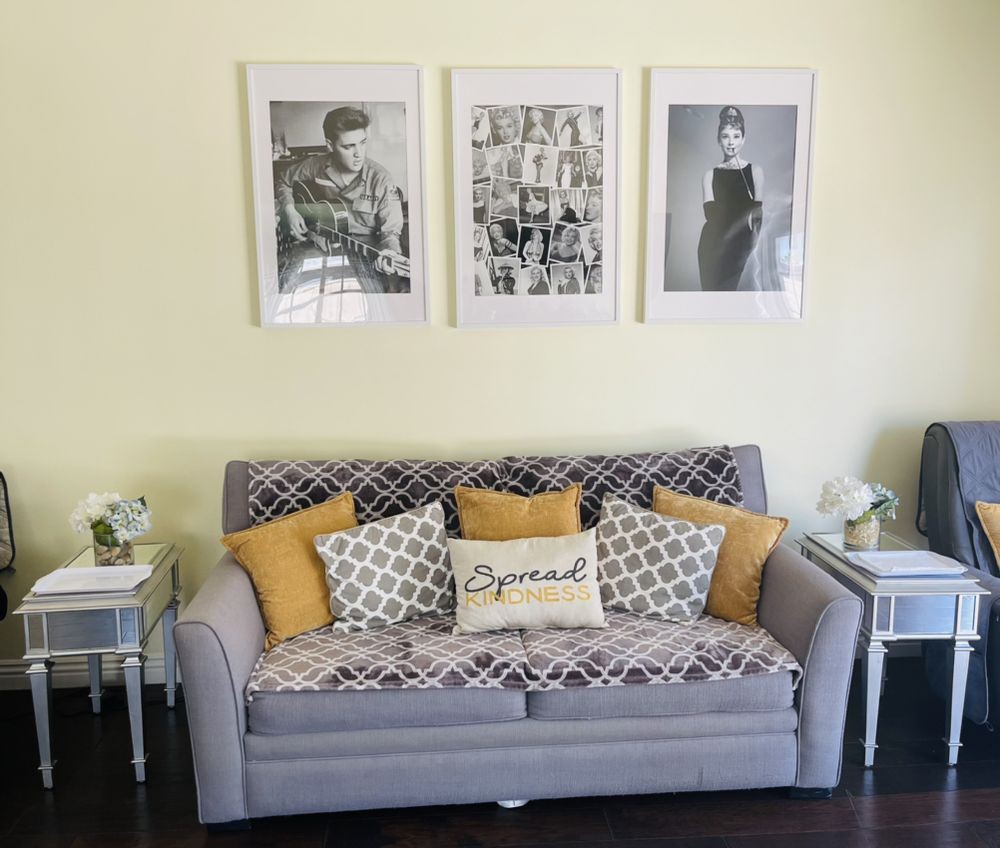
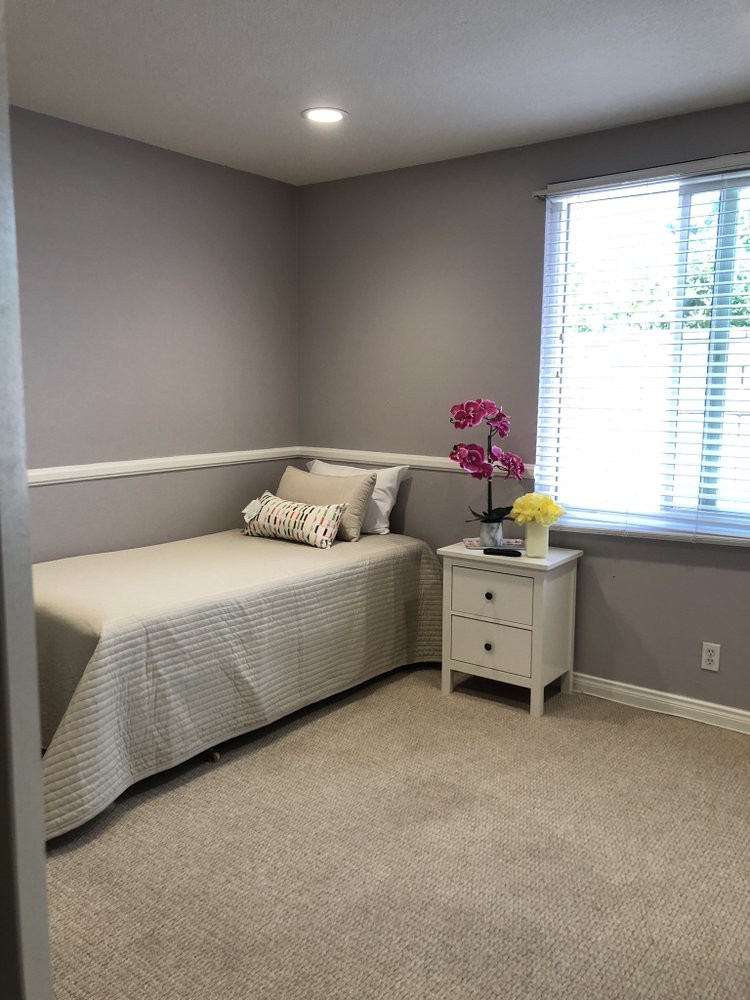
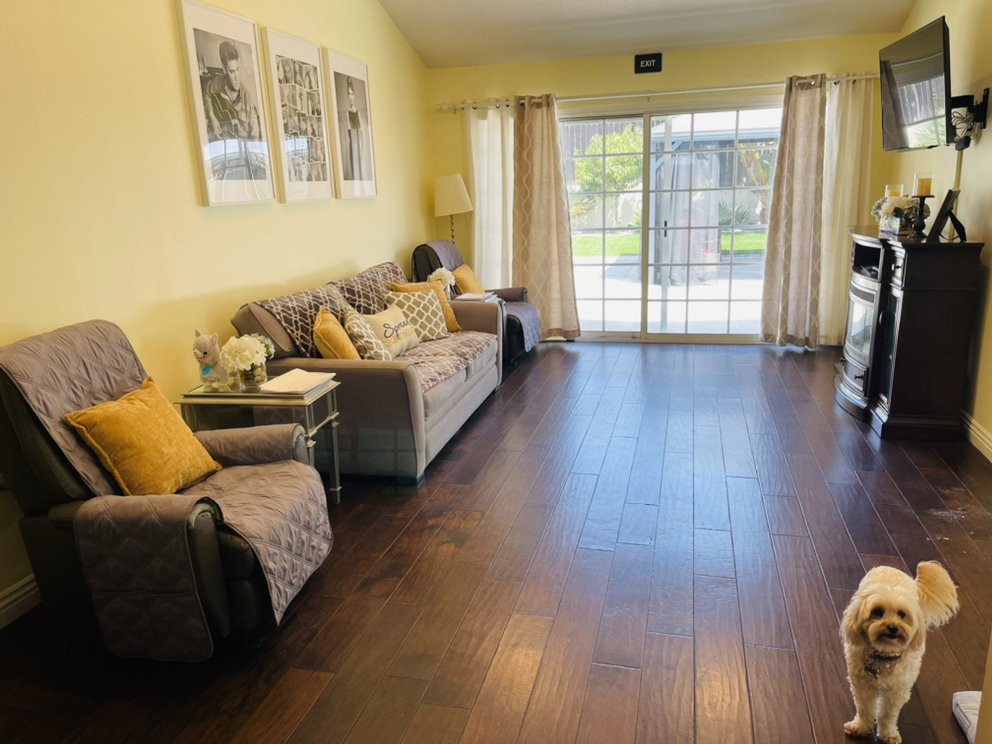
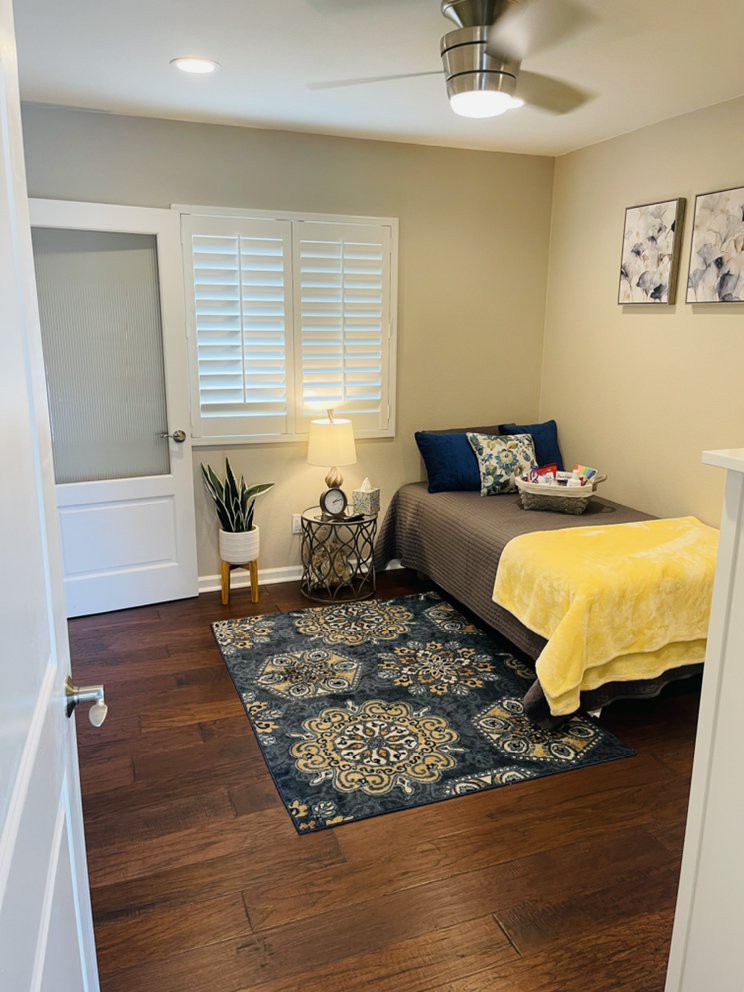
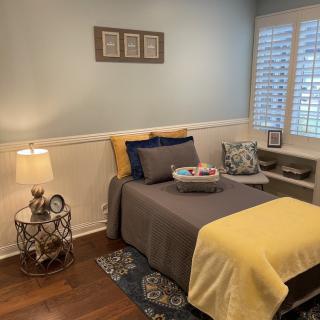
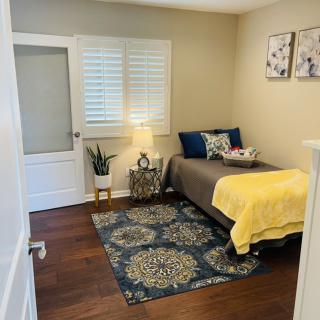
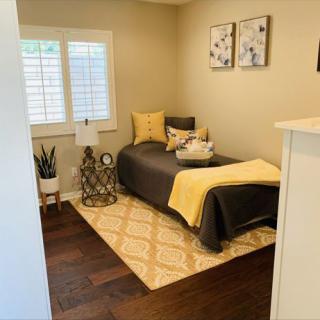
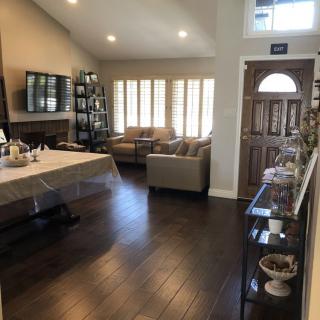
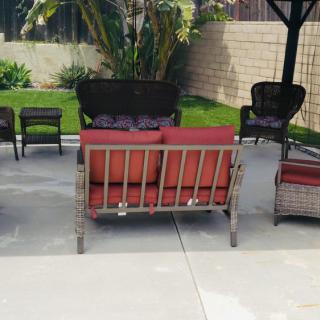
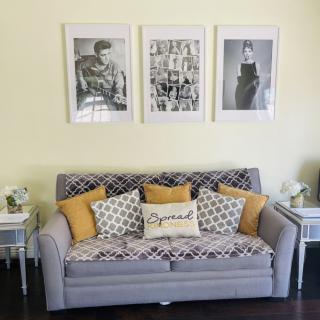
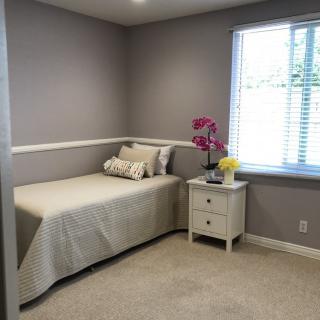
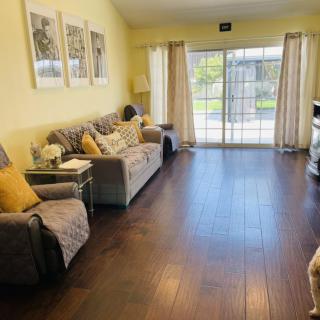
Delightful Living Too in Laguna Hills is best suited for seniors who want a genuinely intimate, home-like setting where care feels personalized and emotionally attentive. This community shines when ownership and a small cadre of caregivers create daily life that resembles a supportive extended family rather than a distant, institutional routine. Private rooms, a resident-friendly dog, and home-cooked meals set the tone for a comfortable, low-stress environment. Activities are designed to foster engagement and smiles, with staff who are visibly invested in keeping residents connected to familiar routines. For families that prize warmth, transparency, and a sense of belonging, this option often lands at the top of the short list.
Families should also recognize who may want to consider alternatives. Those needing robust medical oversight, frequent clinical interventions, or specialized memory-care programming will likely outgrow this model. The home setting relies on a small team, and a couple of reviews raise questions about staffing continuity during transitions or caregiver shortages. For elders requiring intensive skilled nursing, 24/7 on-site clinical support, or formalized systems that scale with higher care needs, a larger, more structured facility will generally deliver greater guarantees of coverage and supervision. A thoroughly vetted choice in such cases remains essential.
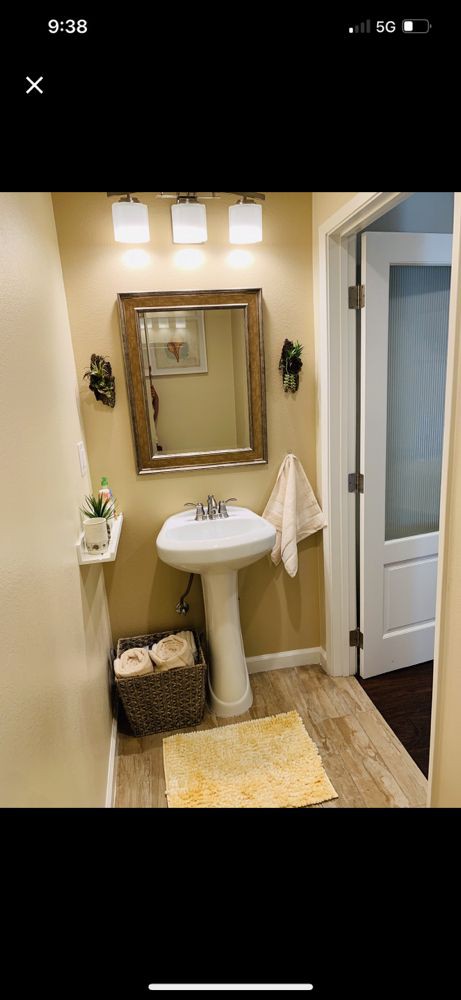
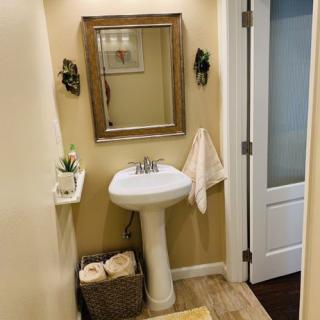
The strongest pros here, owner involvement, a cohesive caregiving team, and a genuinely homelike atmosphere, often offset the main drawbacks. Rebekah’s hands-on leadership, paired with caregivers who are described as devoted and attentive, translates into consistent companionship, quick responsiveness, and a level of warmth that’s hard to reproduce in larger settings. The meals, when described positively, feel like true home cooking, and the environment frequently earns praise for cleanliness and a welcoming vibe. Being able to accompany a loved one to medical appointments and to coordinate medications directly with the caregiver team adds a layer of continuity that families value highly. These factors collectively counterbalance the predictable risks inherent in a small, owner-operated home.
Yet the conundrum remains: a small operation can bend more easily when key people are unavailable. The negative review highlighting a period with limited staff and questions about care quality during that time cannot be dismissed as mere noise. In a setting this intimate, even brief staffing gaps can have outsized effects on daily routines, safety checks, and a sense of stability for residents. Coupled with a separate claim about meal quality, those concerns underscore the reality that continuity and consistency depend on a tight, well-documented system of care, something that may need additional assurances if medical complexity grows or if turnover rises.
For decision-makers, the practical path is clear. If the priority is a warm, family-scale home where the resident experiences daily kindness, personalized attention, and a high degree of social interaction, Delightful Living Too delivers on that promise with impressive sincerity. If the elder’s needs include advanced medical management, structured memory-care protocols, or a formal, nurse-led oversight framework, it is prudent to compare with alternatives that offer broader clinical staffing and standardized escalation procedures. A deliberate visit, meet the owner, observe the team in action, review a weekly schedule, and request current references, will illuminate whether the promises align with daily reality.
In the end, this community is a strong fit for families seeking a highly individualized, compassionate home for a loved one who thrives on personal connections, predictable routines, and a cozy, small-house ambiance. It is less compatible for families facing complex medical needs or requiring rock-solid staffing guarantees on every shift. The prudent buyer will prioritize getting clear answers about staffing coverage, the care plan process, and how emergencies are managed, while also validating the quality of meals, cleanliness, and the consistency of social programming. Scheduling a thoughtful tour now and asking pointed questions will determine whether Delightful Living Too truly matches the elder’s goals or if a bigger, more clinical setting is the wiser path.
 6 resident community capacity
 Assisted Living
 Board and Care Home
 Cable or satellite TV
 Dining room
 Fully furnished
 Garden
 Housekeeping services
 Move-in coordination
 Outdoor space
 Telephone
 Wi-Fi/high-speed internet available
 John Wayne Orange Co (11 miles away)
 24-hour supervision
 Activities of daily living assistance
 Assistance with bathing
 Assistance with dressing
 Assistance with transfers
 Diabetes diet
 Meal preparation and service
 Medication management
 Special dietary restrictions
 Transportation arrangement (medical)
 Transportation to doctors appointments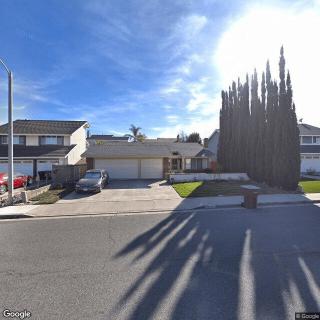



 Understanding the Distinctions: Assisted Living and Memory Care Explained
 Guiding Elderly Parents Who Refuse Assisted Living: 6 Practical Steps
 Your Comprehensive Guide to Luxury Assisted Living: Elevated Facilities, Amenities, and Costs