
3292 Walnut Lane, Lafayette, CA 94549
For more information about senior living options: (866) 208-4318
Overall Review of Happy Valley-Home For Our Parents
Pros
 The staff are genuinely caring, loving, affectionate and nurturing.
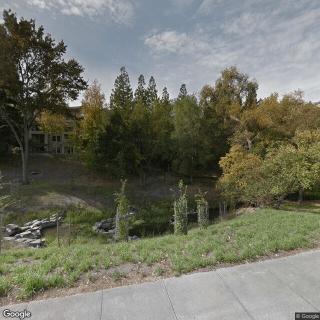
- The setting is lovely, with a vegetable garden, gazebo, and surrounding gardens.
- The personal, loving care is amazing.
- The home offers a loving, caring environment where residents enjoy talking and being part of the community.
- Having a loved one there has made families' lives better and reduced worry.
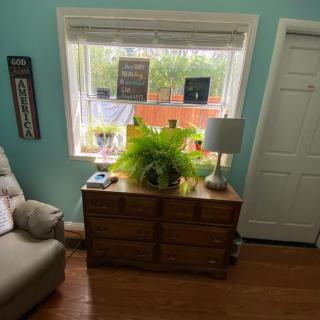
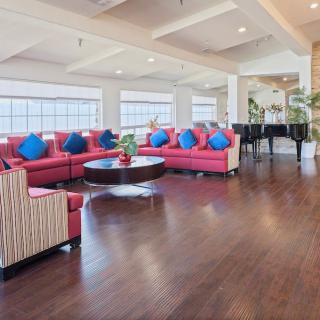
- The home is sunny, immaculate, and cheerful.
- The rooms are small, private, and overlook a back garden or patio, with a nice backyard.
- The owners are nurses who live nearby, anticipate problems, communicate well with families, and the staff are knowledgeable, helpful, and good at managing medications.
- The food is very good.
- The home is well-suited for residents who are frail with some cognitive impairment.
Cons
 There aren’t many activities.
- The rooms are small.
- The people who do best here tend to be frail with some cognitive impairment.
Review
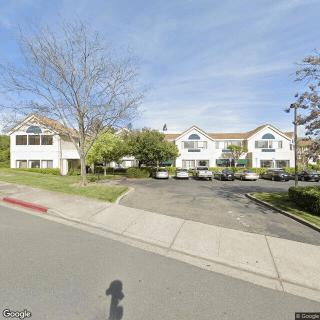
Happy Valley-Home For Our Parents in Lafayette is best suited for families seeking a compact, homelike environment where frail seniors with some cognitive impairment receive intimate, nurse-led care. The residence sits in a quiet residential neighborhood, housed in an older ranch-style home with a garden, gazebo, and cheerful, sunlit spaces. This setting supports a calm, predictable routine and fosters genuine caregiver-resident bonds. The two nurse-owners live nearby and bring clinical instincts to daily operations, translating into steady medication management and proactive problem‑solving that families find reassuring.
Those weighing this option against alternatives should note that it does not resemble a large, activity-rich campus. For seniors who crave a robust schedule of outings, formal programming, and expansive common areas, a bigger assisted living community or memory-care campus may be a better fit. The home’s footprint emphasizes intimacy over spectacle, and the available activities tend to be more restrained. Rooms, though private, are small, which can feel confining for residents who accumulate belongings or require more space for mobility devices and personal items.
On the upside, the care quality stands out. Families consistently praise the personal, loving attention delivered here, particularly for residents with dementia or frailty. Staff stability is a real strength, low turnover means caregivers know the resident well and can respond to subtle changes with consistency. The owners’ nursing background translates into disciplined, respectful medication management and attentive daily support. The physical setting, light-filled rooms, a garden-facing view, and outdoor spaces, enhances a sense of security and routine that many families value deeply.
The main drawbacks are tangible. The limited activities and the smaller, more intimate environment may not satisfy seniors who seek frequent social opportunities or more spacious accommodations. The house’s age and design can limit modernization and some safety features compared with purpose-built facilities. While the ambiance stays cheerful and immaculate, the scale of operations naturally constrains what can be delivered in terms of staff coverage during peak times or special events.
Yet the core strengths align closely with resident needs, and those strengths frequently offset the drawbacks. The intimate setting, paired with steady nurse-owners and transparent family communication, delivers high-touch, dependable care that minimizes family worry. Consistency in staffing improves safety and continuity of care, while strong medication oversight reduces confusion and potential errors for residents with cognitive challenges. The garden and outdoor areas provide meaningful diversions that do not demand elaborate programming, reinforcing a comforting daily rhythm without feeling like a crowded facility.
Decision-makers should prioritize this community for seniors who prefer a home-like, low-stimulation environment with highly personalized attention and strong family partnerships. It excels for frail elders with mild to moderate dementia who benefit from daily supervision, emotional warmth, and a sense of being cared for in a smaller, close-knit setting. Those needing a more dynamic activity calendar, larger living spaces, or comprehensive memory-care amenities should consider alternatives, larger assisted livings, dedicated memory-care facilities, or homes offering more expansive rooms and programming. Prospective families should ask about daily schedules, staff-to-resident ratios, dementia training, and how care planning adapts as needs evolve.
 6 resident community capacity
 Assisted Living
 Board and Care Home
 Respite Care
 Cable or satellite TV
 Dining room
 Fully furnished
 Garden
 Housekeeping services
 Move-in coordination
 Outdoor space
 Telephone
 Wi-Fi/high-speed internet available
 Metropolitan Oakland International (12 miles away)
 24-hour supervision
 Activities of daily living assistance
 Assistance with bathing
 Assistance with dressing
 Assistance with transfers
 Diabetes diet
 Meal preparation and service
 Medication management
 Special dietary restrictions
 Transportation arrangement (medical)
 Transportation to doctors appointments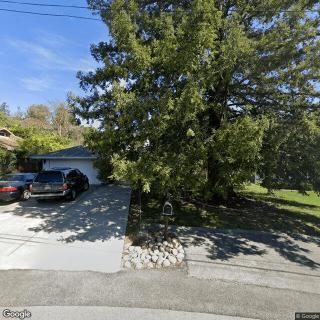

 When to Transition from Assisted Living to Memory Care: Key Indicators, Steps, and Finding the Right Community
 Assisted Living and Memory Care: Understanding Their Core Differences
 Beyond the Bingo Hall: 50+ Enriching Activities for Seniors in Assisted Living